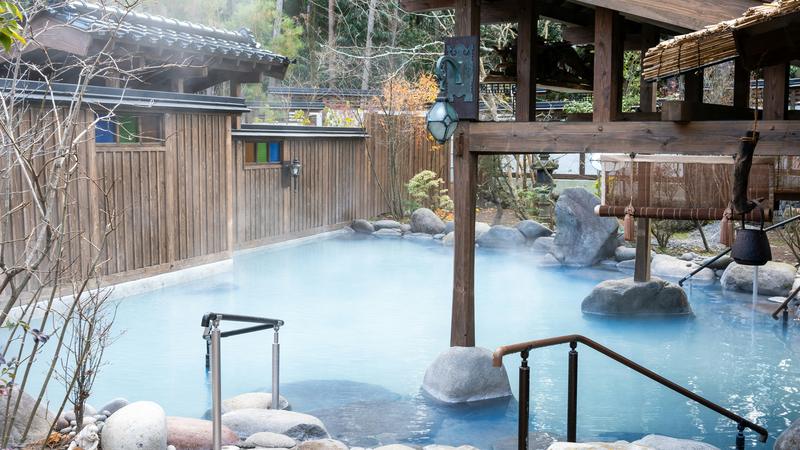
Wellness in Japan: Onsen, Food and Nature in Kirishima
A wellness leg after Tokyo and Kyoto: a ryokan on its own springs in Kirishima, black vinegar aged in jars where it began, and a guided forest walk in a national park.
Read the storySTAYGO Journal
Where to go in Japan, when to go, and how the finest of it is arranged. Written from Tokyo.
A wellness leg after Tokyo and Kyoto: a ryokan on its own springs in Kirishima, black vinegar aged in jars where it began, and a guided forest walk in a national park.
Read the storyA wellness leg after Tokyo and Kyoto: a ryokan on its own springs in Kirishima, black vinegar aged in jars where it began, and a guided forest walk in a national park.
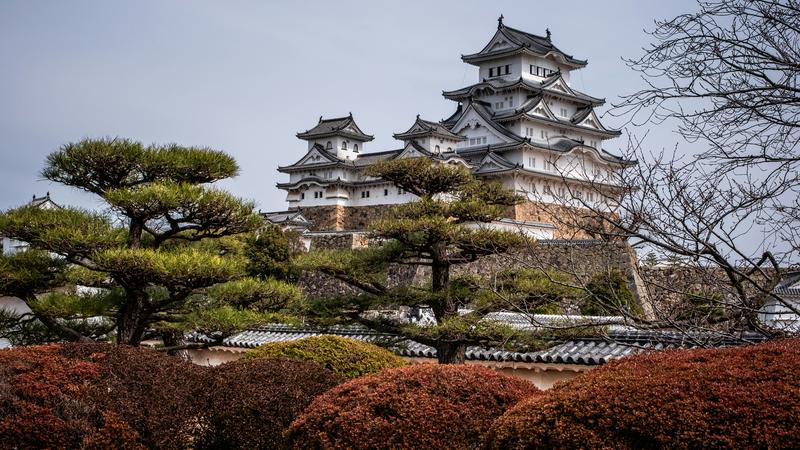
SHOGUN was filmed in Canada. The history it draws on happened in Japan: the Sekigahara battlefield, Himeji's original keep, Nijo and Osaka castles and William Adams.
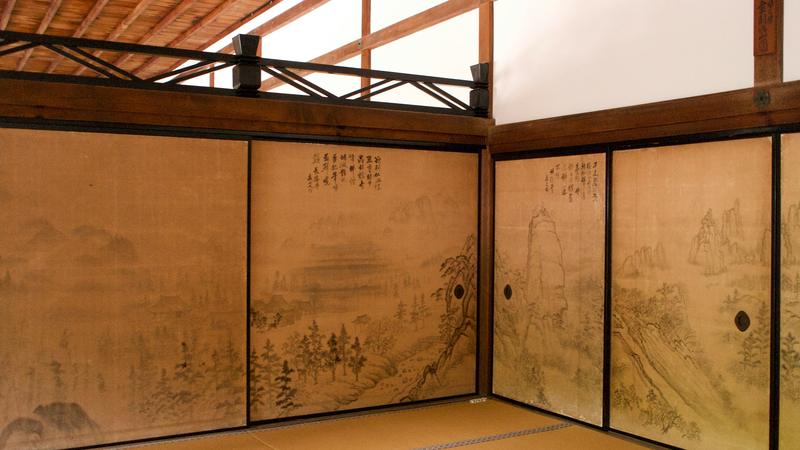
On a second visit to Kyoto, the places closed the first time open on set days: autumn, spring and winter special openings, Zen sub-temples and night viewings.
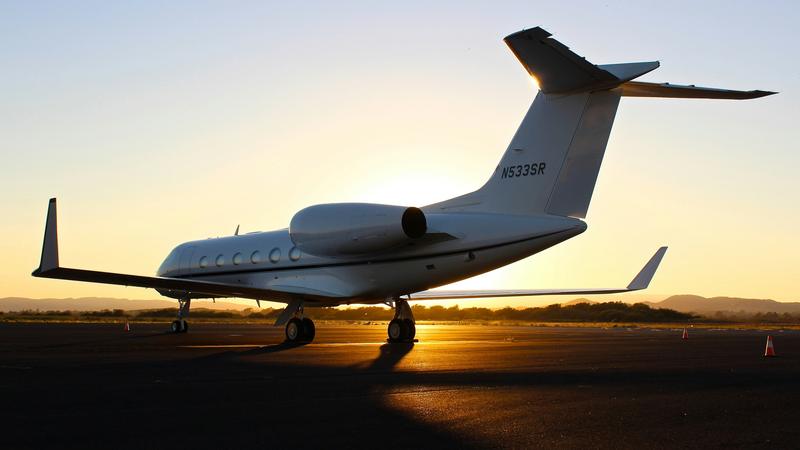
How a family arrives in Japan on its own jet, what the JAL and ANA charter companies arrange, and how regional airports and helicopters take a day of transfers out of the journey.

Tadao Ando's buildings in Japan read one by one: the Church of the Light and its visiting rules today, Awaji, Chichu and the Oval on Naoshima, and Teshima's museum by Ryue Nishizawa.
For Singapore travellers on a fifth or later trip to Japan: Hokuriku, eastern Hokkaido, San'in, the Inland Sea and Tohoku, the inns worth the journey, and the 2027 school holidays.
A week in Hokuriku at the top level: Asadaya in Kanazawa, Beniya Mukayu and Kayotei in the Kaga hot springs, Toyama and Fukui on the Shinkansen to Tsuruga, and the crab season.
Eastern Hokkaido for a return journey: Lake Akan's suites and Ainu culture, Shiretoko's Five Lakes and cape, drift ice, the red-crowned cranes, and the season to choose.
The Nagano that skiers rarely see: the cedar avenue at Togakushi, soba at its source, Obuse's chestnuts and Hokusai, Zenkoji at sunrise, the wine valleys and where to stay, from September to early November.
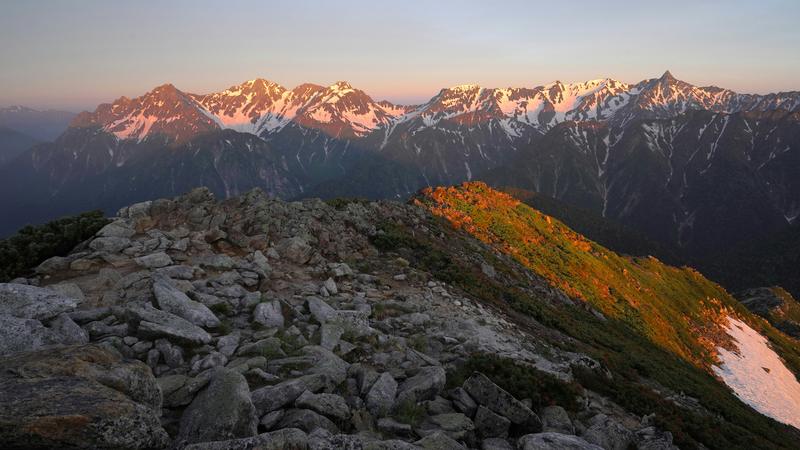
The Australian winter school holidays fall in Japan's summer, when the Northern Alps are green and open: the walk to Happo-ike in Hakuba, Tsugaike and Goryu, the Shin-Hotaka Ropeway, Norikura by bus and where to stay.
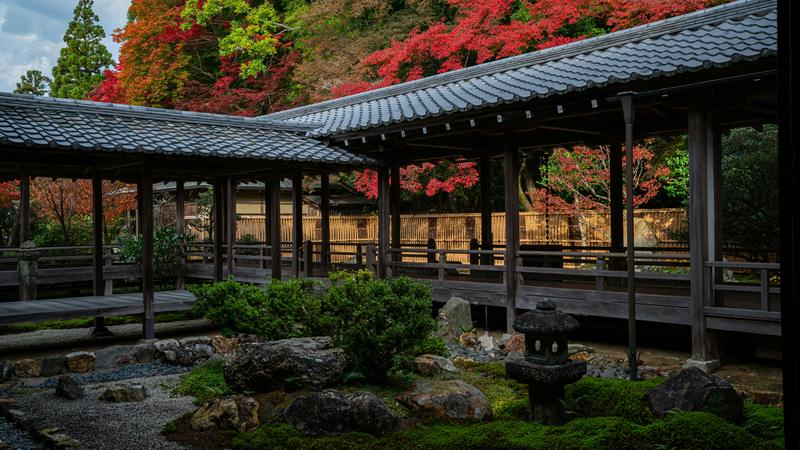
Where to be in early, mid and late November as the colour moves through Japan: Koyasan and the Kumano Kodo, the walk from Kurama to Kibune, Kyoto's temples, Nara and the Tokyo gardens, with dates, hours and daylight.
Where Americans travel in Japan today and where the next journey leads in 2027: the numbers behind Tokyo and Kyoto, and why Hyogo, Tohoku and Okinawa are the regions to add.
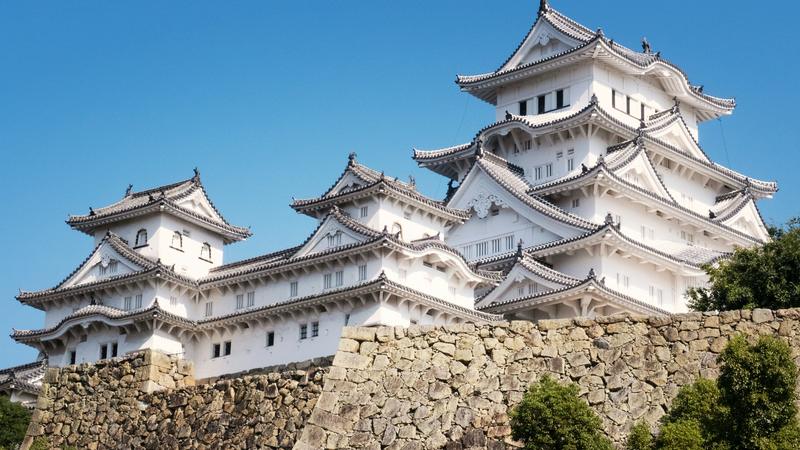
A three-day route through Hyogo for 2027: Himeji Castle in its first hour, two nights among the seven bathhouses of Kinosaki, and a last night in Arima's gold and silver springs before the flight home.
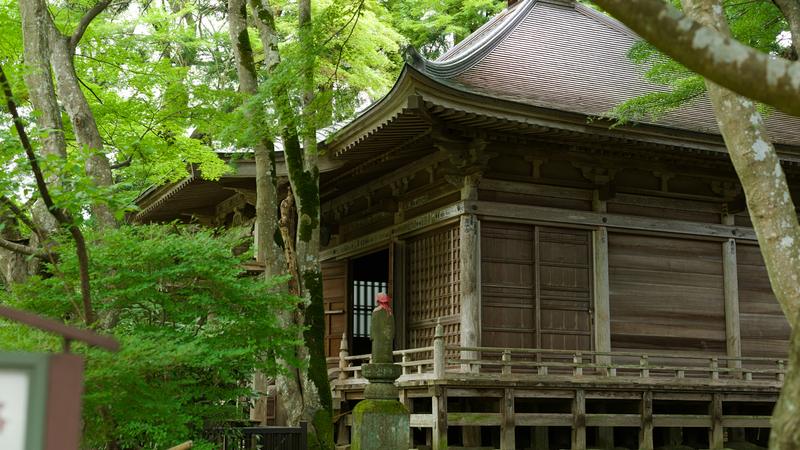
A second journey to Japan along Basho's road north: the Golden Hall and Pure Land gardens of Hiraizumi, the cedar steps and pagoda of Mount Haguro, and how to travel between them in 2027.
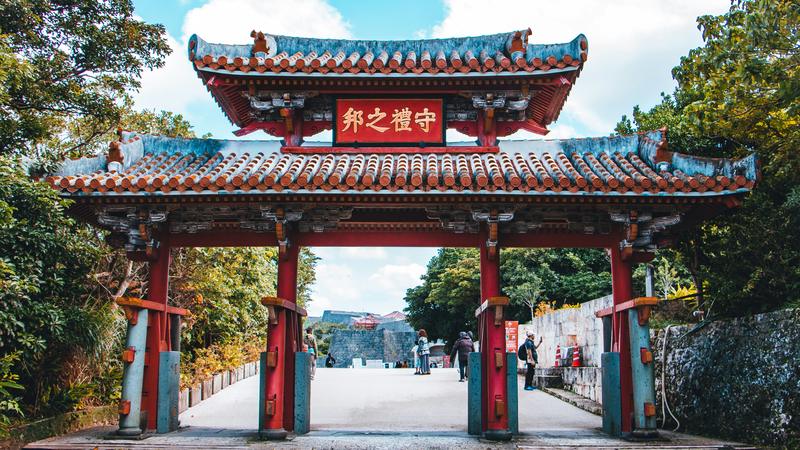
How Okinawa fits after Tokyo and Kyoto: flight times, where it belongs in the order of a journey, how many nights, which island for what, the typhoon months, and Shuri Castle's rebuilt main hall in 2027.
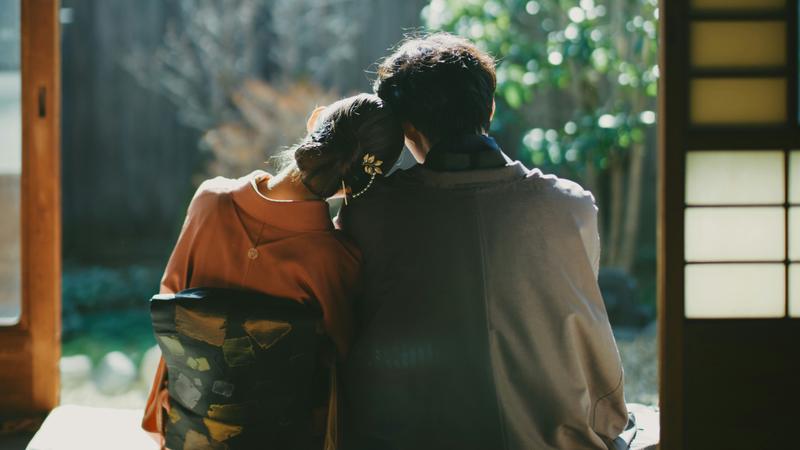
A honeymoon in Japan from Mexico, shaped around rest: the first days after a fifteen-hour time change, ryokan with private open-air baths, kaiseki for two and a Spanish-speaking guide.
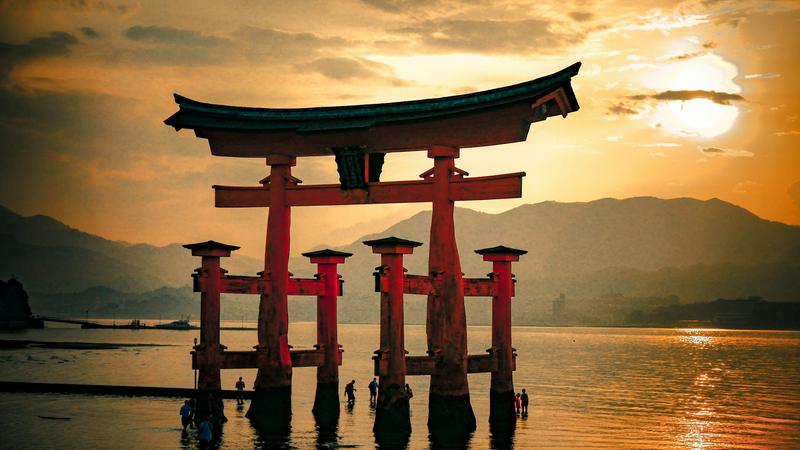
Three days from Hiroshima to Naoshima: the Peace Memorial Park in the morning, a boat to Miyajima and a night on the island, the crossing to Naoshima, and the museum days that decide the order.
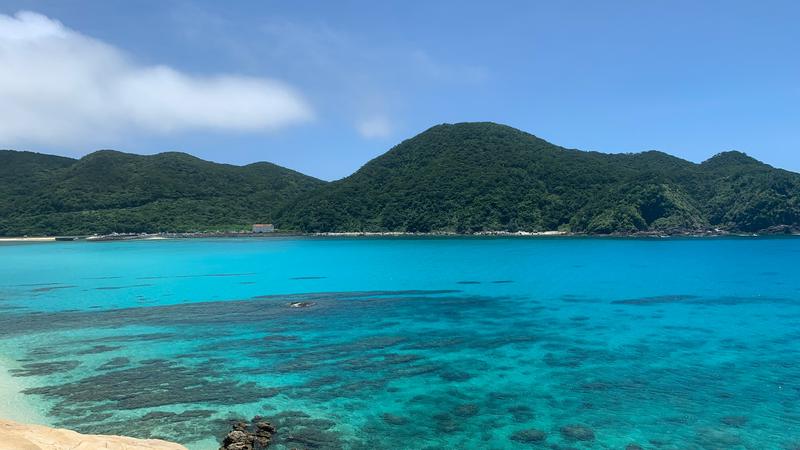
Where the third week of a long Japan journey can go: Kyushu by Shinkansen, with volcanoes, hot springs and porcelain, or Okinawa and the rebuilt main hall of Shuri Castle, with the seasons and the flight home from Narita.
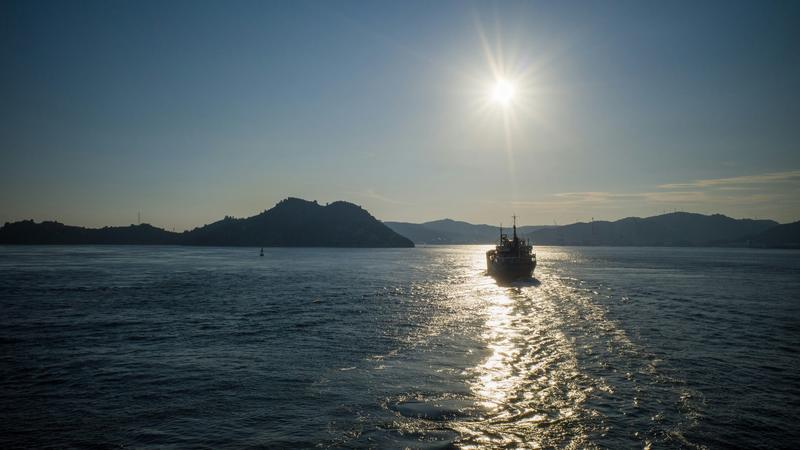
Autumn on the Seto Inland Sea after Tokyo, Kyoto and Osaka: October weather, trains from Osaka, guntû and island stays, private boats and family rooms with private baths.
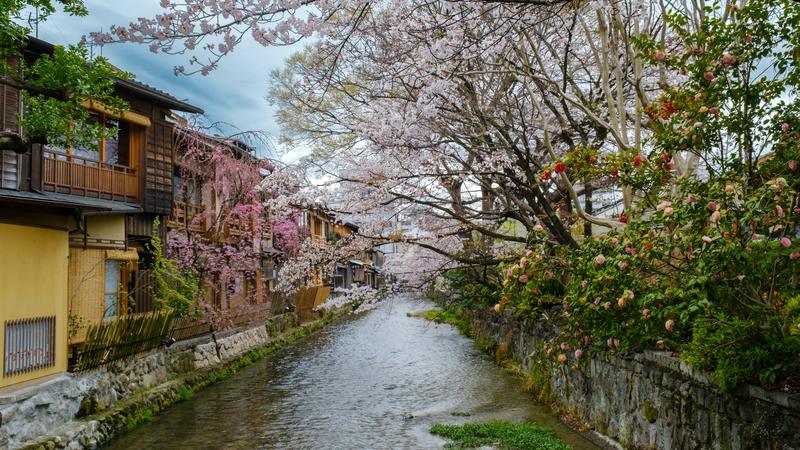
Ramadan 2027 is expected to end around March 9 or 10. How Eid, Kyoto's usual bloom dates, the UAE spring break and the Miyako Odori line up for a Gulf family.
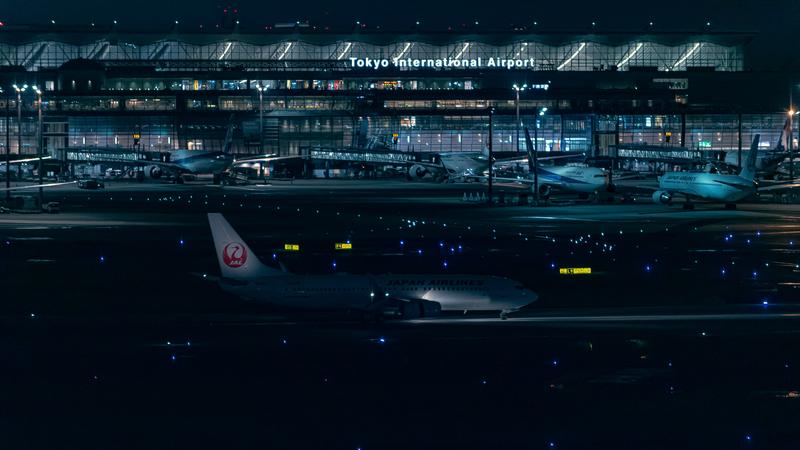
Direct flights from Dubai, Abu Dhabi, Doha and Riyadh to Japan, The Residence and Chauffeur-Drive, private jets, visas and a calm first day for families.
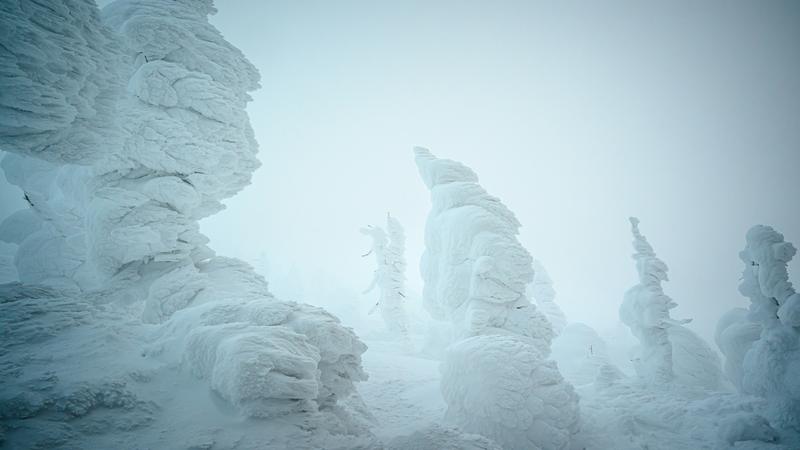
For Gulf friends on a second trip to Japan: samurai horsemen at Soma Nomaoi in May, Fuji Speedway and its hotel, and the snow monsters of Zao in winter.
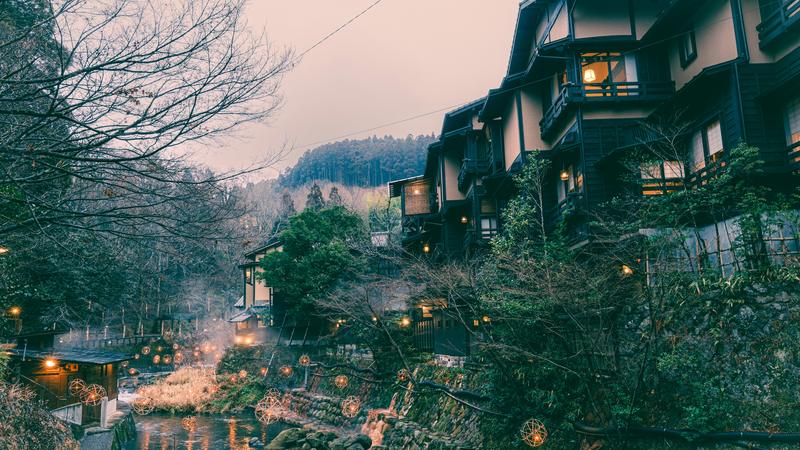
For Singapore travellers returning to Japan: Yufuin and Kurokawa ryokan with a hot spring bath of your own, the Kurokawa bath pass, and the road from Fukuoka over the Yamanami Highway.
For Singapore families: the 2027 MOE school holidays matched to Japan, with late snow in Niseko in March, Hokkaido in June, Karuizawa in September, Japan's holidays and two bases for seven nights.
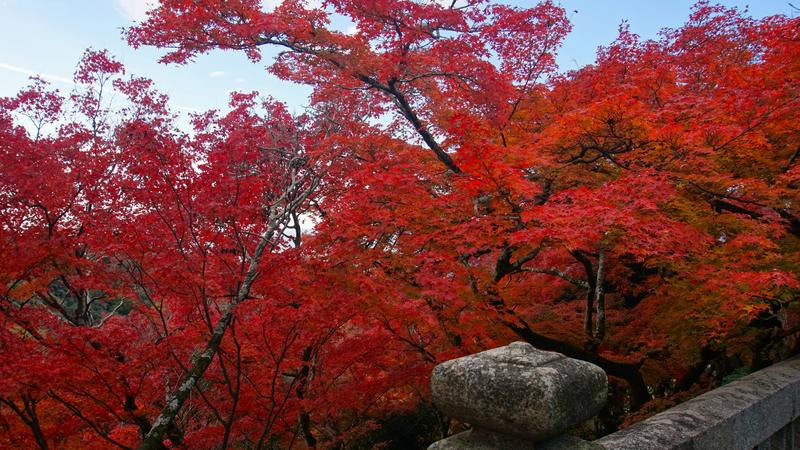
Singapore's 2027 school holiday starts on November 20, as Kyoto's autumn colour comes in. Official normals, early garden openings, evening light-ups, where to stay close, and Tokyo's ginkgo.
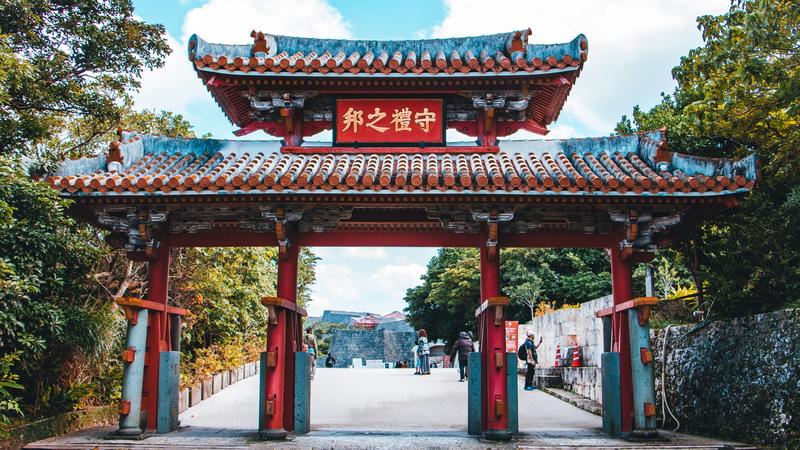
Okinawa from Singapore at the highest level: an overnight Scoot flight, Shuri Castle's reopened main hall, kumiodori, court cuisine and aged awamori, bingata, and the winter whales of Kerama.
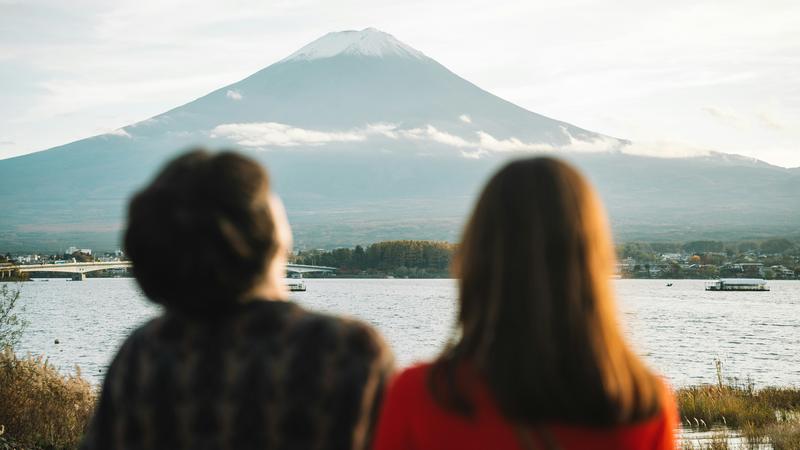
How Italian couples can shape a Japan honeymoon: fifteen days of marriage leave, the season after the wedding, ryokan with real beds, Kyoto by boat, late meals and art.
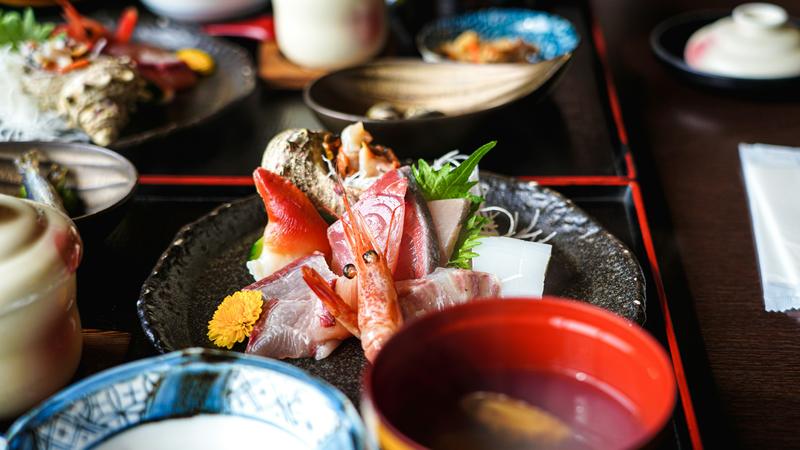
For Italians who lunch after one and dine after eight: the long kaiseki lunch, early kaiseki dinners, hotel tables at half past eight, the aperitivo and ryokan nights for late diners.
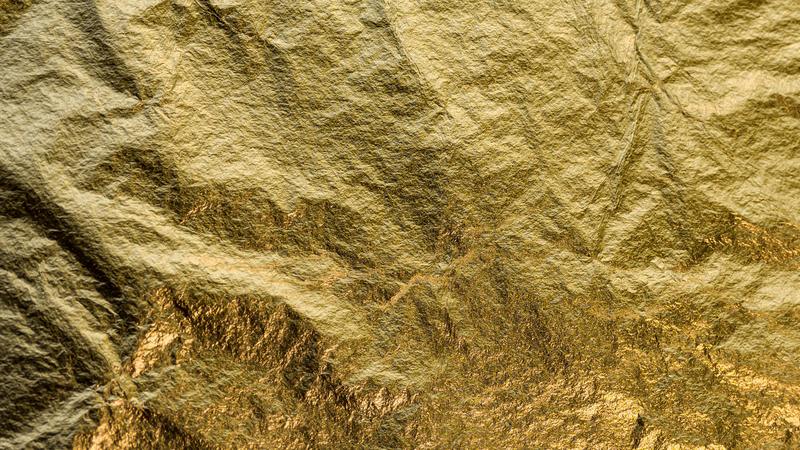
Gold leaf in Kanazawa, Kutani porcelain in Daishoji and Yamashiro, turned lacquer in Yamanaka: the workshops, museums and inns of Kaga, for travellers who care how things are made.
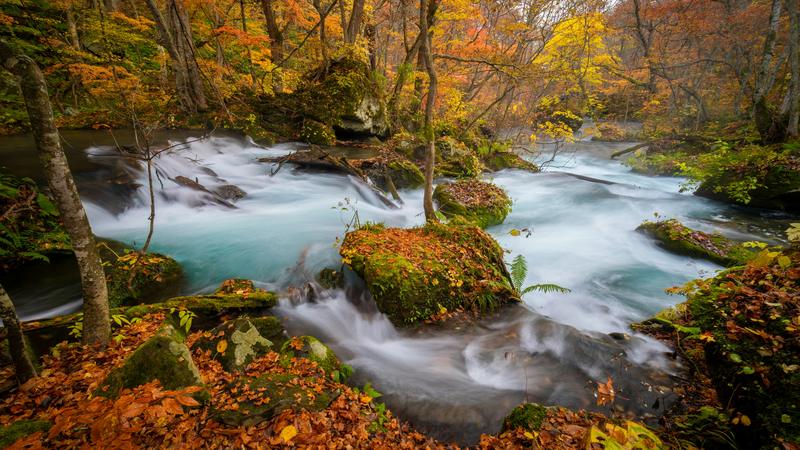
Five or six nights across the Tsugaru Strait: the Oirase Gorge, art in Towada, Aomori and Hirosaki, the Jomon sites, Hakodate, the inns, and the 2027 closures to plan around.
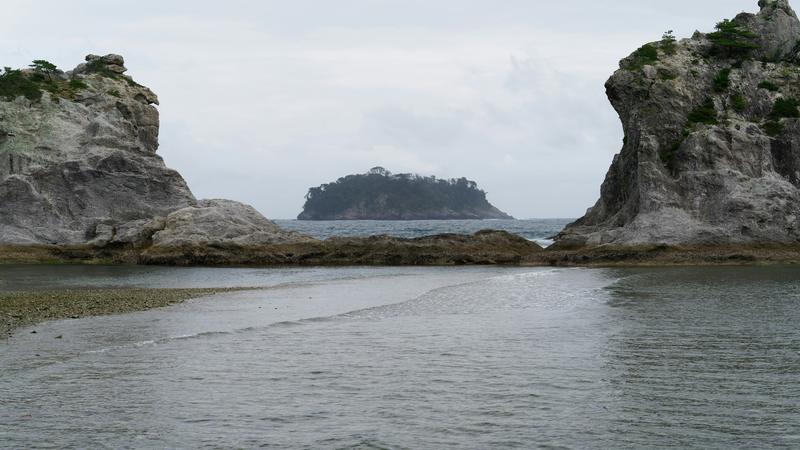
The 1,025 km Michinoku Coastal Trail on Tohoku's Pacific coast, named in Lonely Planet's Best in Travel 2027, walked a section a day: Tanesashi, Kitayamazaki, Jodogahama, Minamisanriku and Matsushima, with a car, your bags sent ahead and a good room each night.
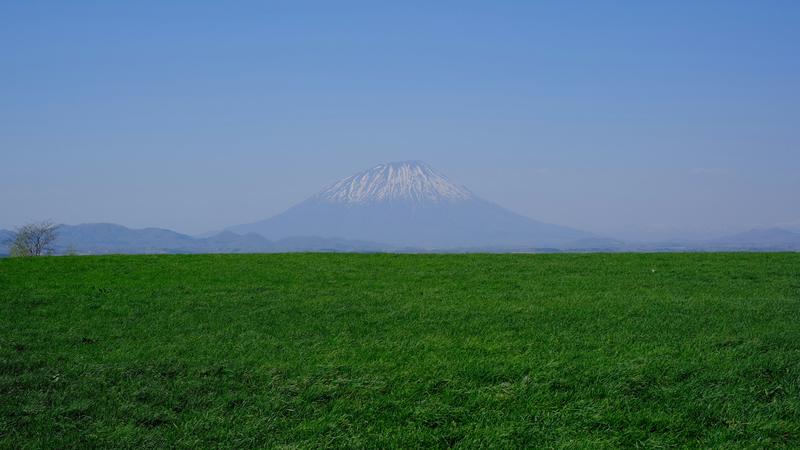
Niseko and Myoko for Australian travellers who know them in winter: the green season and autumn colour, where to stay now, and what Aman Niseko (opening 2030) and Six Senses Myoko (no date yet) have actually announced.
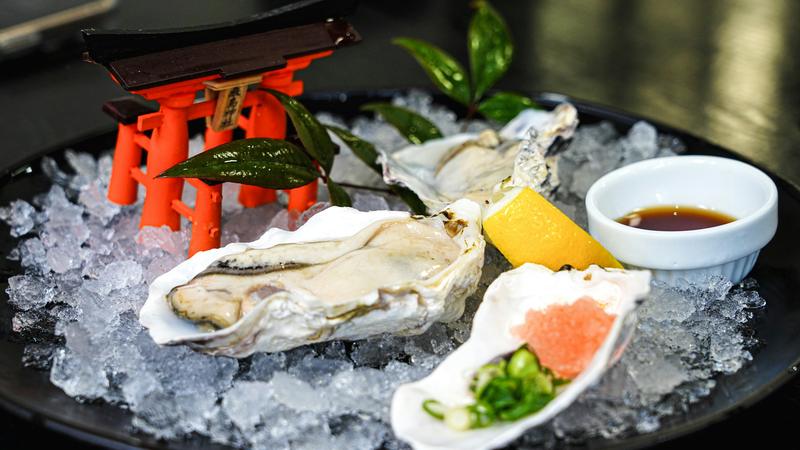
Eating and drinking well in Hiroshima for Australian travellers: the oysters that link Hiroshima and Tasmania, conger eel rice at Miyajimaguchi since 1901, and the seven sake breweries of Saijo.
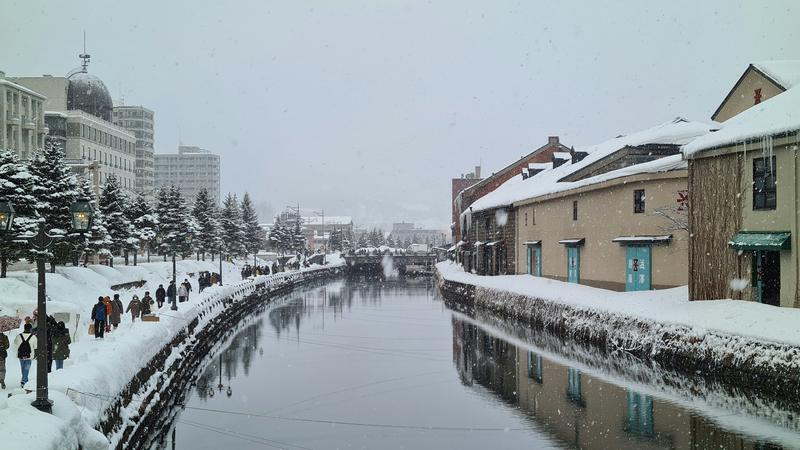
For travellers from India who want to see real snow: Hokkaido from December to February, and the snow walls of the Tateyama Kurobe Alpine Route from mid April, timed to the school holidays.
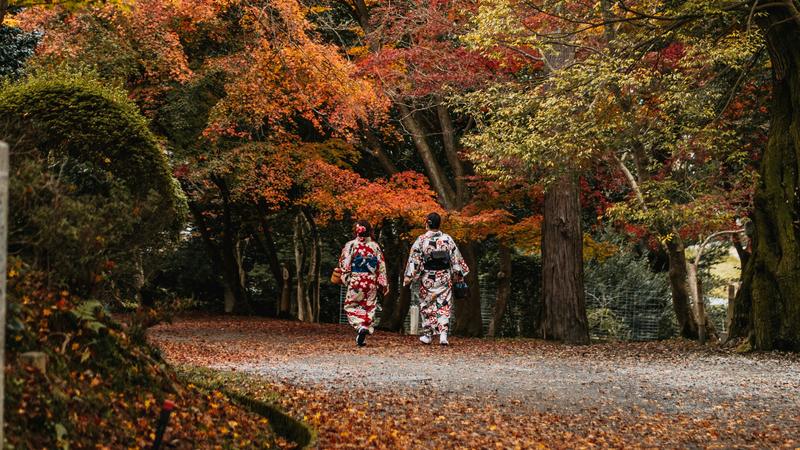
For couples marrying in India between October and March: how a Japan honeymoon follows the season, from Kyoto's late autumn to Hokkaido's snow and the March cherry blossom, with private baths and vegetarian kaiseki.
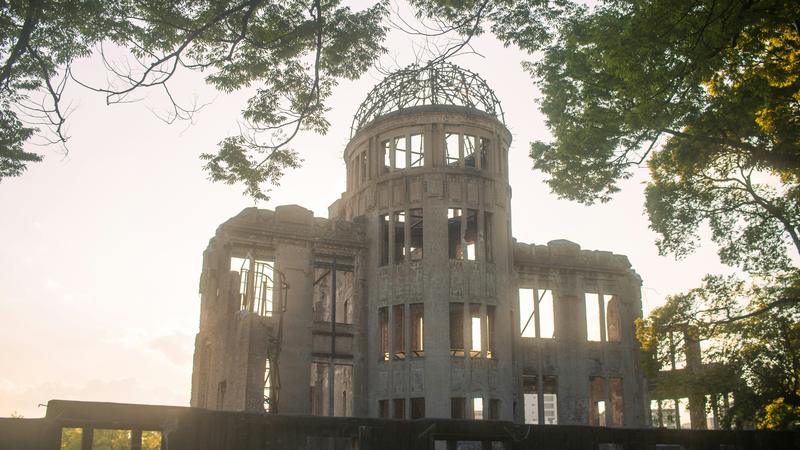
For travellers from India: why two nights in Hiroshima and on Miyajima change the visit, from the Gandhi bust by the A-Bomb Dome and the museum at 7:30 to Itsukushima Shrine at 6:30 in the morning.
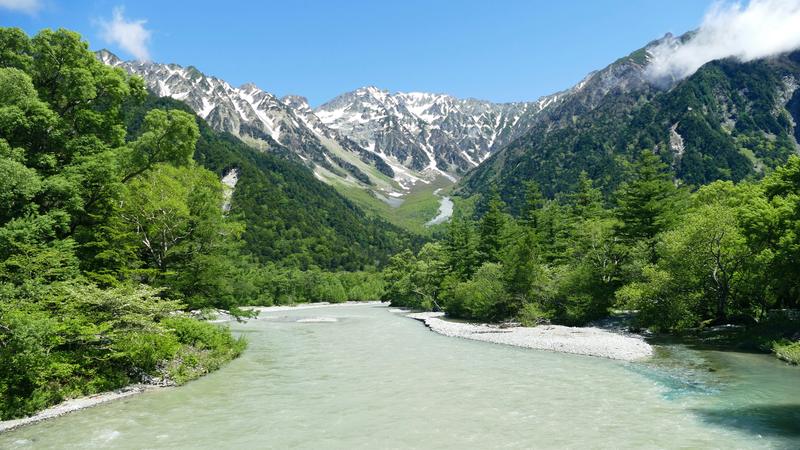
A week in Japan's mountains for a Nordic summer holiday: two nights inside Kamikochi and the walk to Tokusawa, Narai and the lacquer of Kiso-Hirasawa, the hinoki forest and the old road to Tsumago.
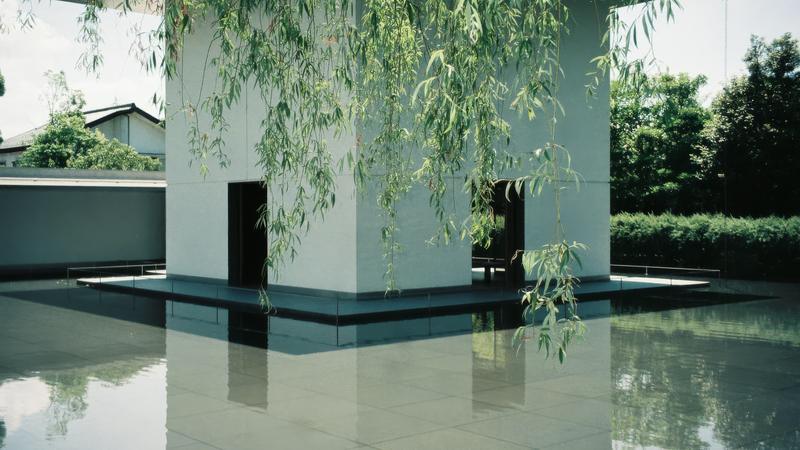
For travellers who care about design: the bentwood chairs of Hida Takayama, the glass and water of Kanazawa's museums, a four-room ryokan, and Tadao Ando's museums on Naoshima, with the 2027 closures and connections.
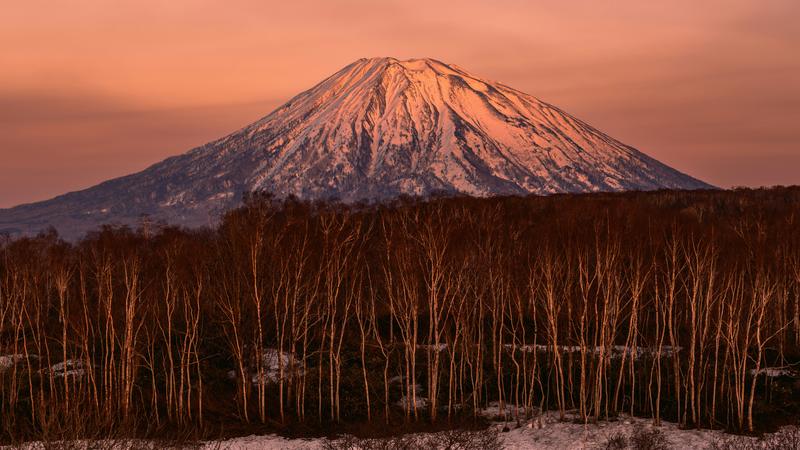
Hokkaido for travellers from Sweden, Norway, Denmark and Finland: a hot spring bath of your own, the Yoichi and Akkeshi distilleries, and Niseko's powder, in a cool August or a deep January.
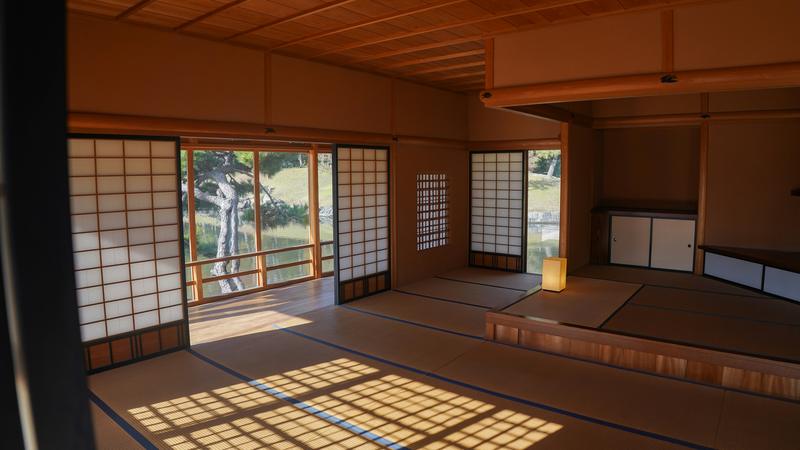
Two or three weeks in Japan from Mexico City: the flights into Narita, a fifteen-hour time difference, light first days, and where the second and third weeks can go in 2027.
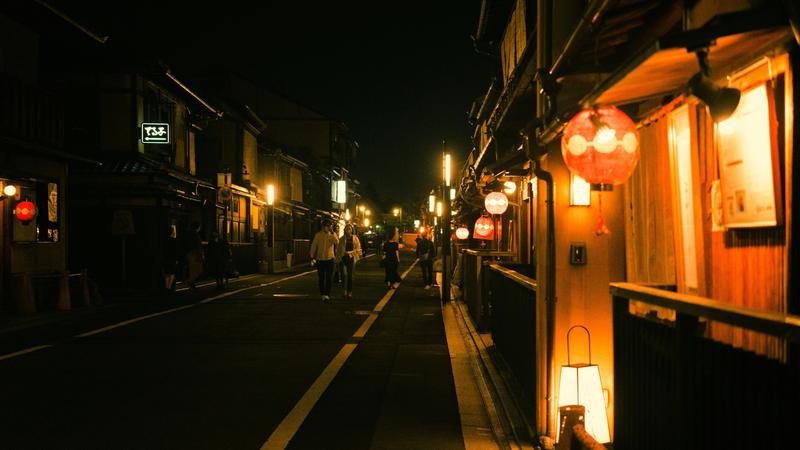
How Japanese fine dining keeps time, and where a family that dines late can still eat well: second seatings, hotel restaurants and bars open past midnight, private rooms for ten.
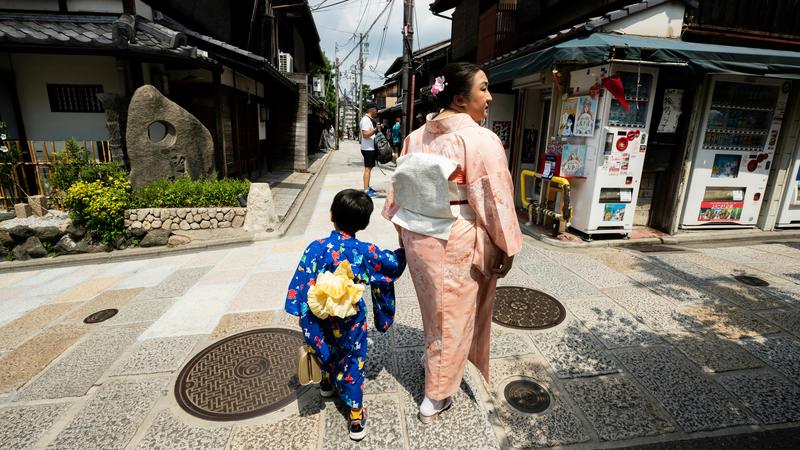
Grandparents, parents and children on one journey through Japan: connecting rooms and residences, private dining rooms, cars and luggage for ten, step-free sites and shared moments.
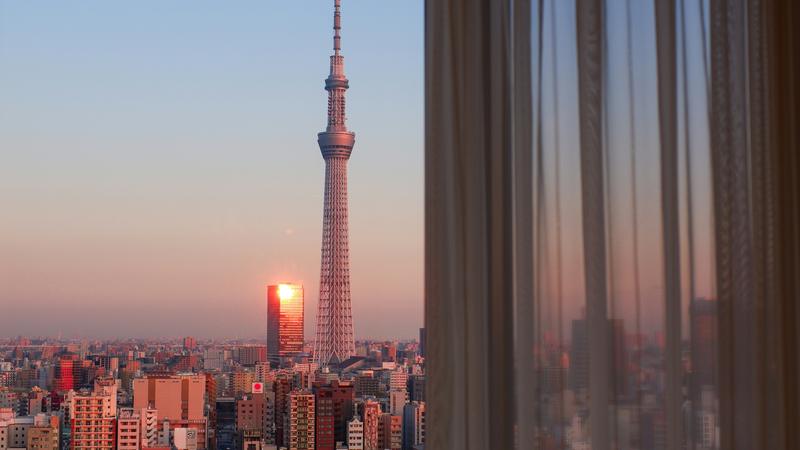
How to shape a first Japan journey for a family from the Gulf: the largest suites in Tokyo, Kyoto and Osaka, privacy on one floor, Tokyo Camii and Kobe Mosque, direct flights and the 2027 calendar.
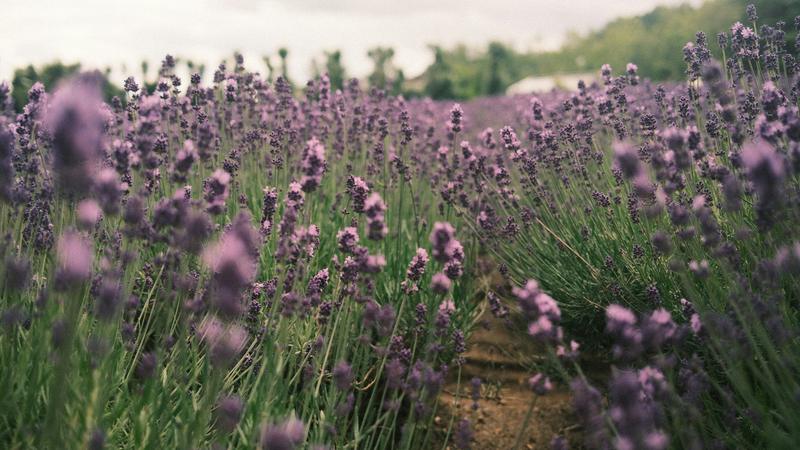
A cool summer in Hokkaido for a family from the Gulf: average highs in the mid-twenties, Niseko's suites and ziplines, Furano's lavender in July, Lake Akan and the Ainu, and how the three join.
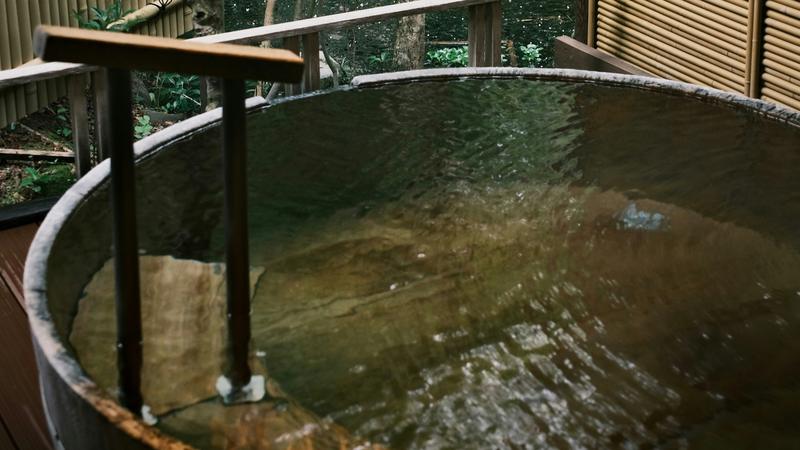
Ryokan whose suites give a whole family its own open-air hot-spring bath: rooms for six in Hakone and Kinosaki, suites side by side in Kaga and Hokkaido, children's ages, dinner in the room and what to ask.
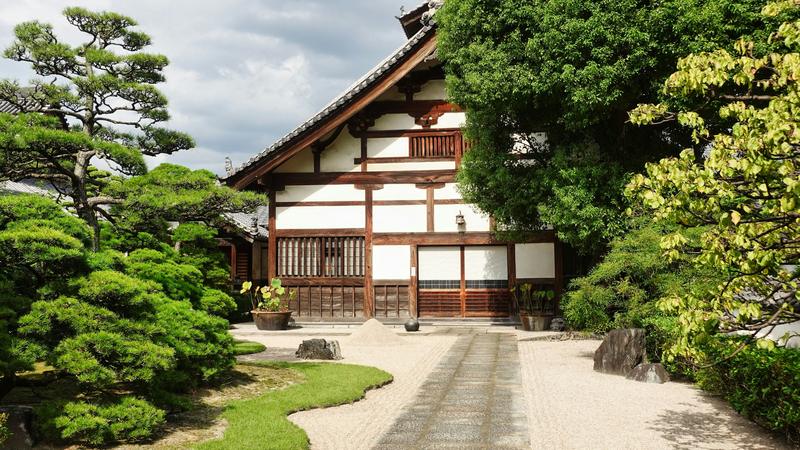
How a large family takes a whole place in Japan: villas with their own onsen at Amanemu and Zaborin, a house within a ryokan in Hakone, Kyoto machiya rented whole, the small inn for one night, licences and tax.
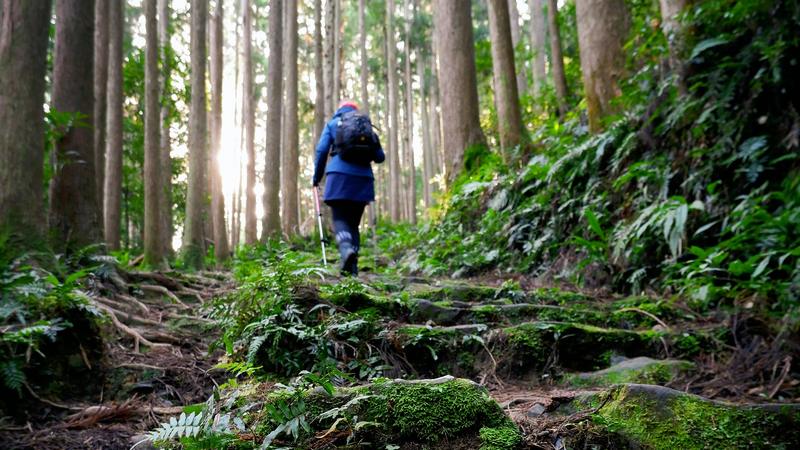
For those who have walked to Santiago: the Kumano Kodo Nakahechi over several days, the Dual Pilgrim credential, the stages to Hongu and Nachi, the inns and the season.
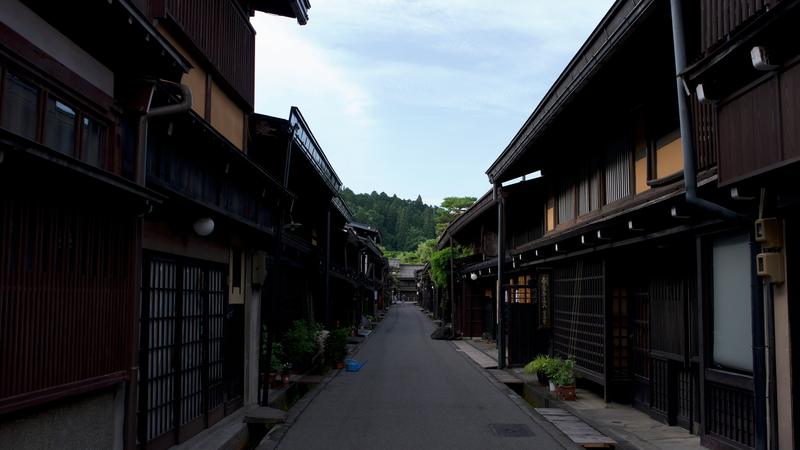
Two or three nights in Takayama: the Hida carpenters, the festival floats, yew carving, Shunkei lacquer, bentwood chairs, the merchant houses and where to stay.
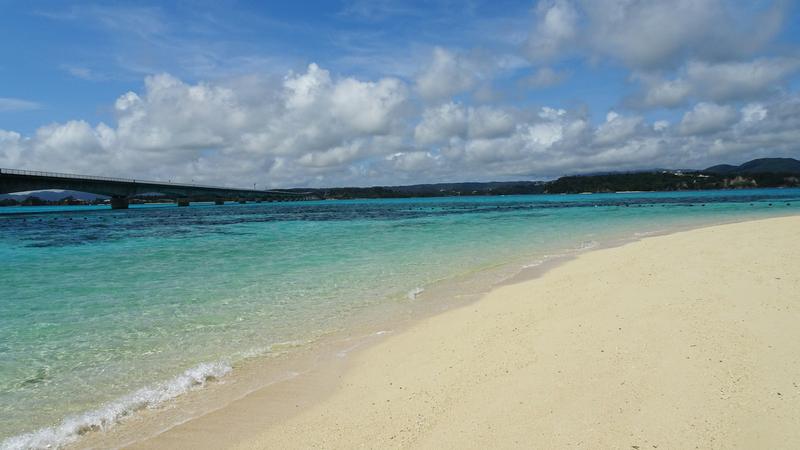
Why Okinawa works best at the end of a Japan honeymoon: how many nights, flights from Kyoto, the months that suit, villas for the last nights and the way home to Madrid.
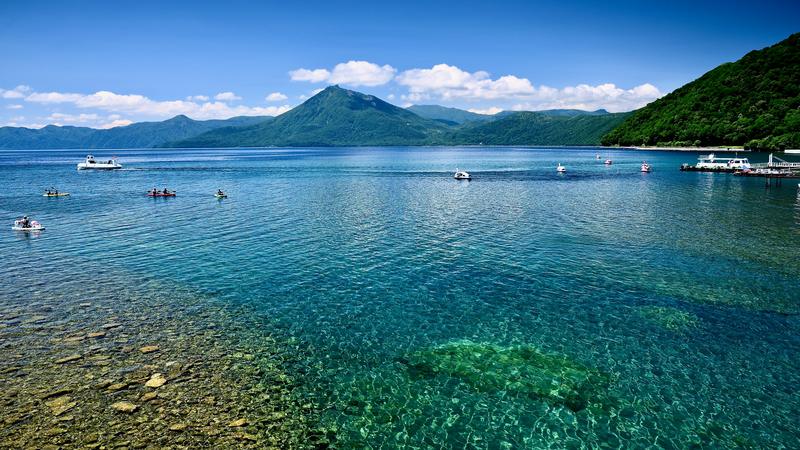
Hokkaido in August for families from Spain: the official averages beside Tokyo, Madrid and Sevilla, and a week from Lake Shikotsu and Upopoy to Lake Toya and Hakodate.
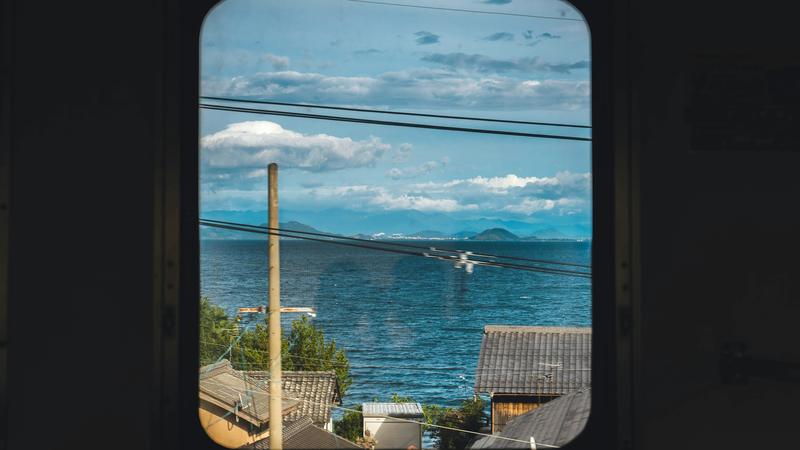
The three ways to sit on the Shinkansen compared: seats across the car, fares from Tokyo to Osaka, where GranClass runs and which trains include a meal, large luggage, and the 2027 changes.
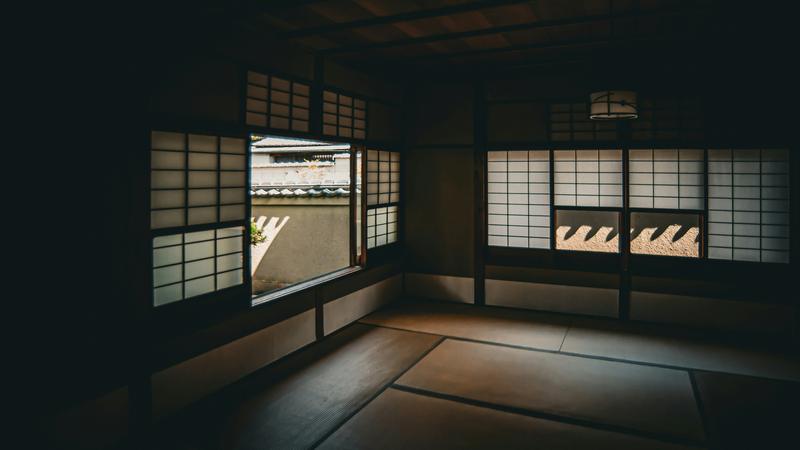
What a change of hotel really costs in Japan: check-in and check-out times, ryokan dinners, luggage sent ahead, and how many places to stay suit one, two or three weeks.
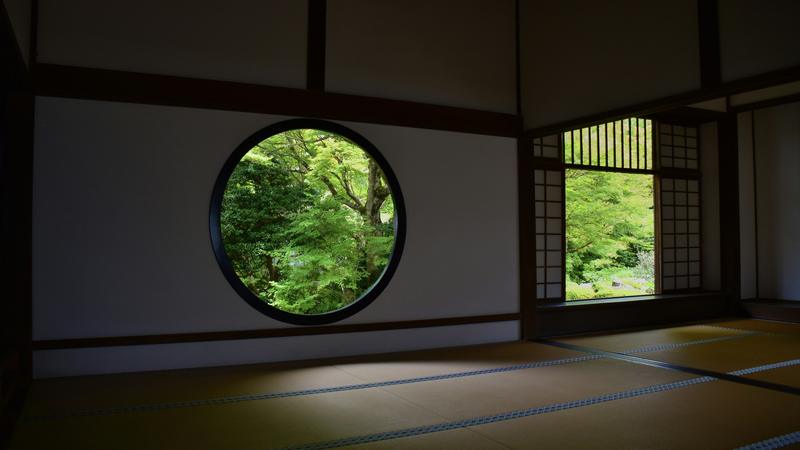
How much to leave open on a luxury Japan itinerary and where: jet lag, the afternoon after travel, the quiet early hours, museum closing days, summer heat, typhoons and holidays.
Yes, usually for the hotel's own guests. How a Japanese hotel concierge asks restaurants for a table, how the booking is secured by card, what a concierge cannot do, and when to ask.
Why Japanese restaurants charge for late cancellations and no-shows, how the tiers and card holds work, what the 2018 government study group set out, and the four lines to read before you confirm.
Two weeks or three in Japan: what a fortnight holds, what a third week adds, how jet lag and the seasons change the choice, two shapes for 21 days with rail times, and what the extra week costs.
A family of four from India, ten nights in Tokyo, Hakone and Kyoto, priced line by line at published 2027 rates: hotels, a ryokan, trains, cars, a guide and flights from Delhi.
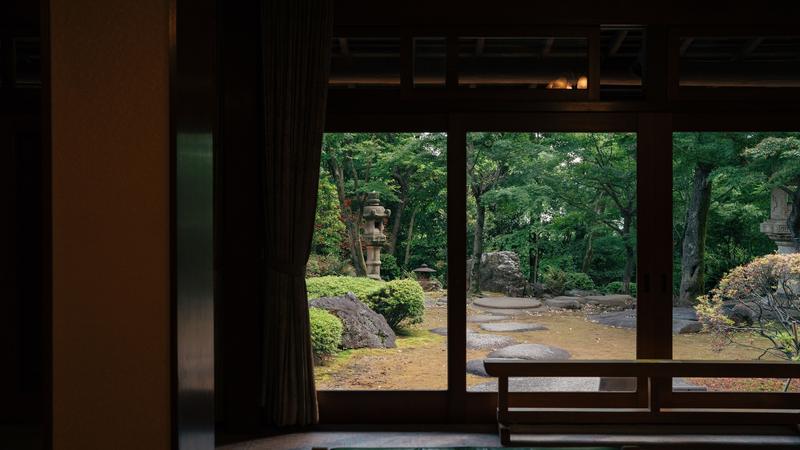
A private Japan journey for Indian families: flights and the eVISA, rooms for three generations, vegetarian and Jain meals confirmed in writing, children and elders on the Shinkansen, and when to go.
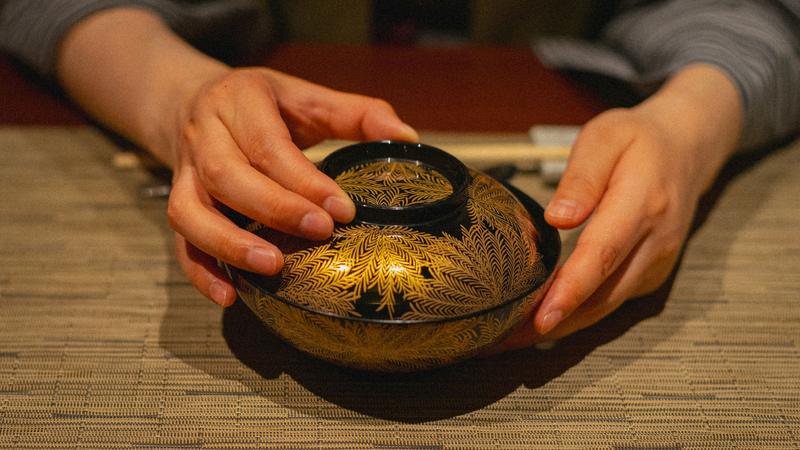
How Indian companies can design an incentive or executive journey to Japan for a small group: flights and the eVISA, cars and luggage, hotels in Tokyo and Kyoto, private dinners and culture, and vegetarian and Jain meals.
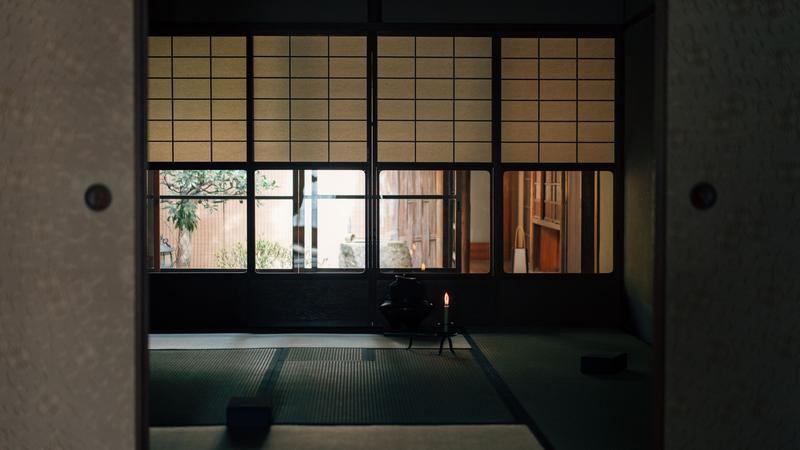
Tea in Matsue, the kilns of Bizen, the Adachi and Ritsurin gardens, kabuki at Kanamaru-za, sumo in Osaka and Fukuoka and quiet ryokan: a private Japan beyond the usual route, for families and couples from India.
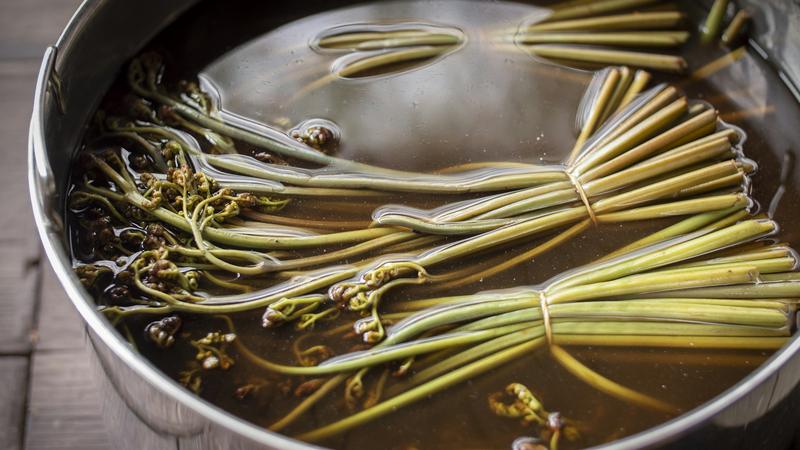
What Jain diets ask of a Japanese kitchen, why dashi and mirin matter, how shojin ryori differs, and which Michelin starred and hotel restaurants in Tokyo and Kyoto publish vegetarian and vegan menus.
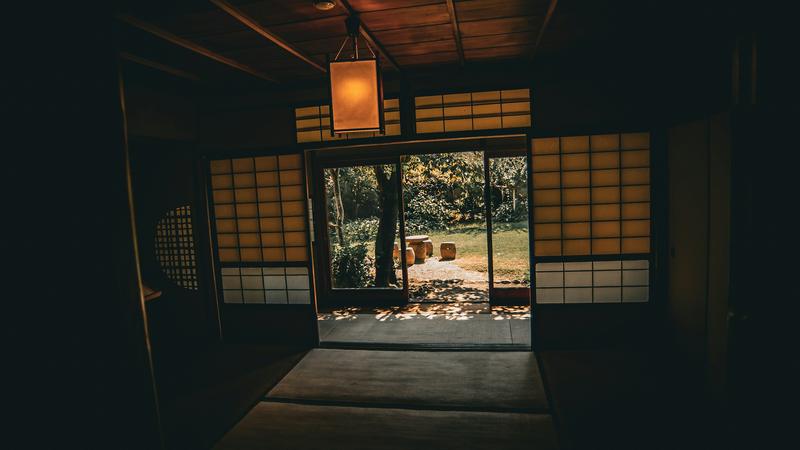
How a luxury ryokan differs from a hotel, private baths, vegetarian and Jain meals, age rules and room sizes for families, and ten inns in Kyoto, Hakone and beyond, checked on their own pages.
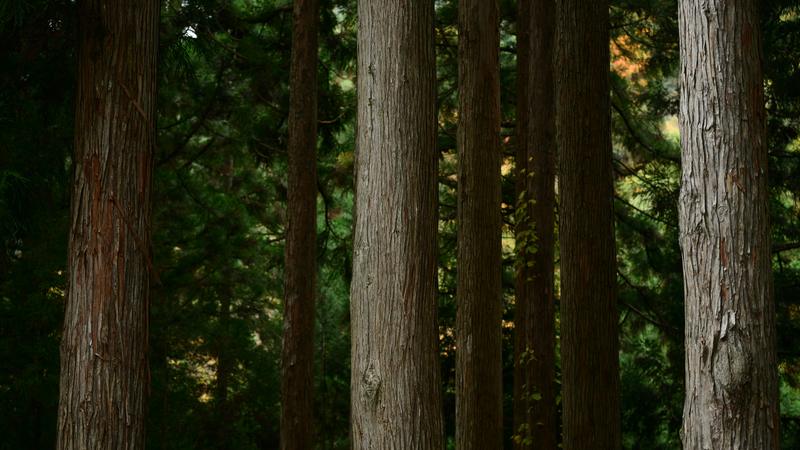
The three mountains of Dewa in Yamagata, the 2,446 stone steps of Mount Haguro, the yamabushi trainings visitors can join with their dates and fees, a night in a pilgrim lodge with shōjin ryōri, and how to get there from Tokyo.
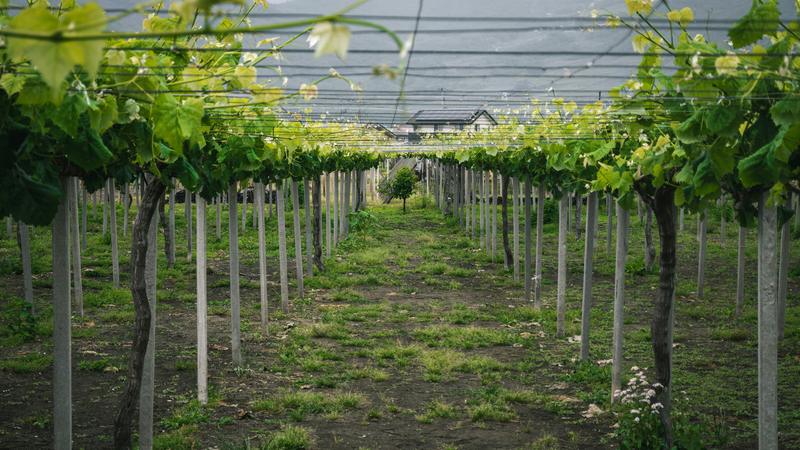
Koshu, Japan's own white wine grape, and the wineries of Yamanashi: what GI Yamanashi and Japan Wine mean on a label, which wineries in Katsunuma welcome visitors, with published tour prices, the harvest season and the trip from Tokyo.
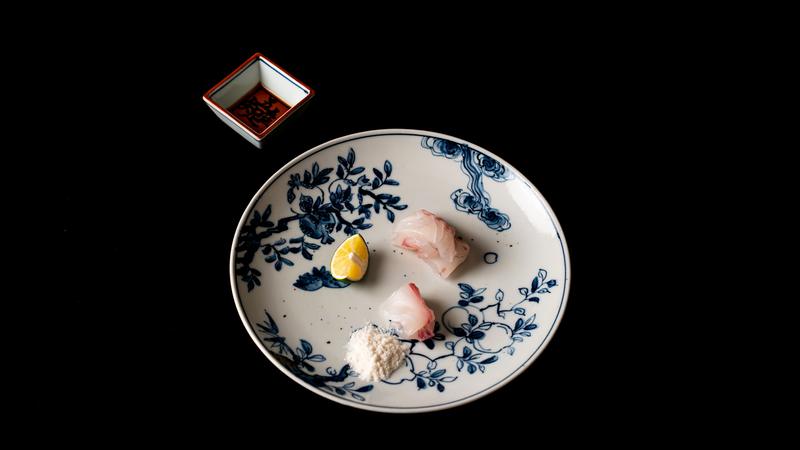
How fugu is made safe in Japan, what a pufferfish course includes and costs, when the winter season runs, and where to eat it: Shunpanro in Shimonoseki and Michelin starred counters in Tokyo and Osaka.
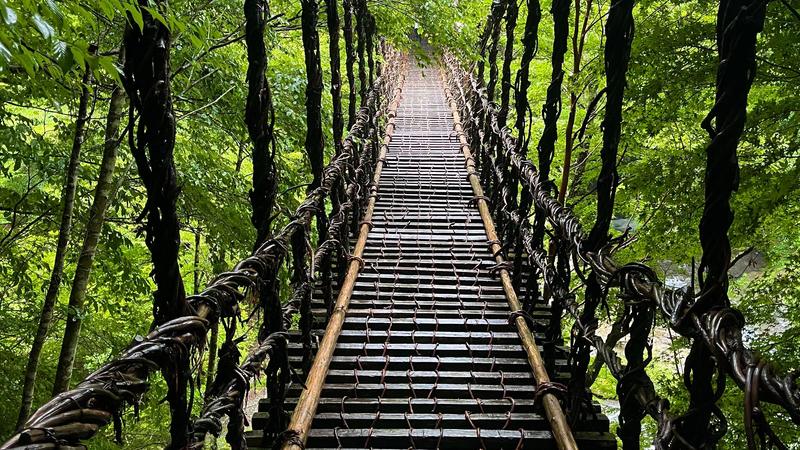
Okayama to Oboke in about 1h35 by the Nanpu, the Iya vine bridges, Hotel Iya Onsen's cable car to the river, Chiiori, and on to Dogo Onsen Honkan.
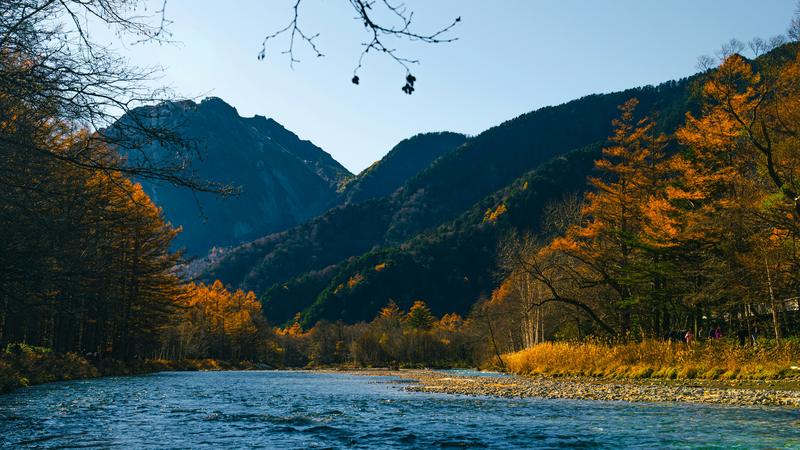
Kamikochi opens mid-April to mid-November; no private cars. Azusa from Shinjuku, shuttle and taxi fares, autumn colour, valley hotels, Matsumoto Castle, onsen.
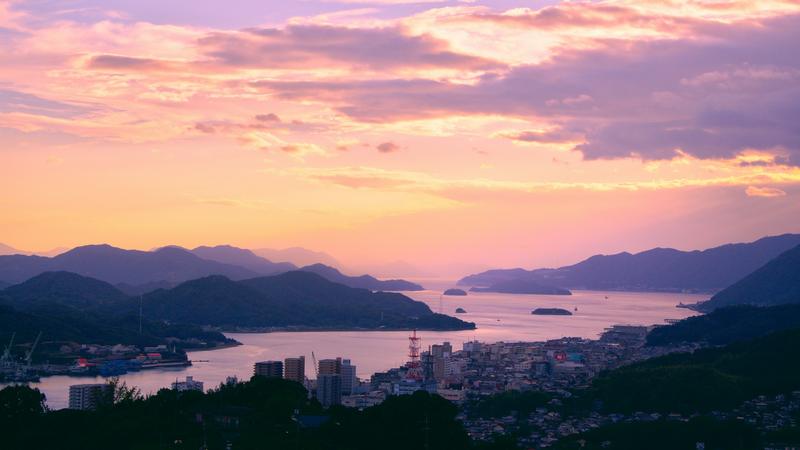
Fukuyama is about 1 hour from Shin-Osaka by Nozomi. Onomichi's temple walk, Shimanami e-bikes from ¥4,000, Azumi Setoda, yubune and guntû voyages from ¥625,000.
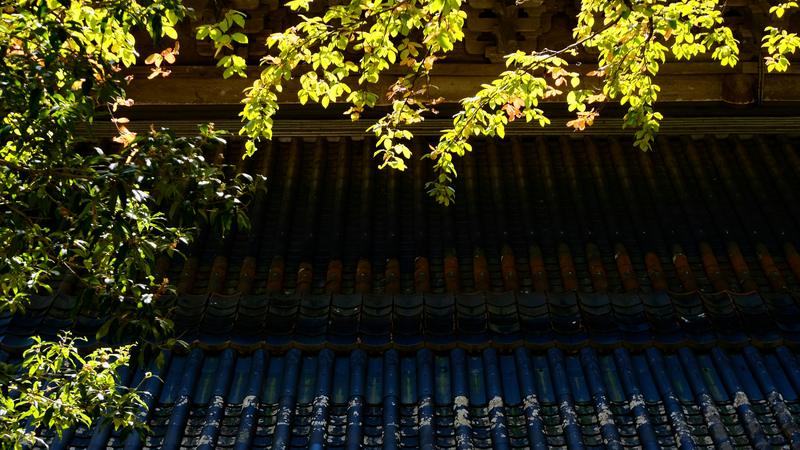
Fukui is 2 hr 51 min from Tokyo by Shinkansen. Eiheiji's hours and fees, zazen and the 4:40 morning service at Hakujukan, Ichijodani, Tojinbo and Awara Onsen.
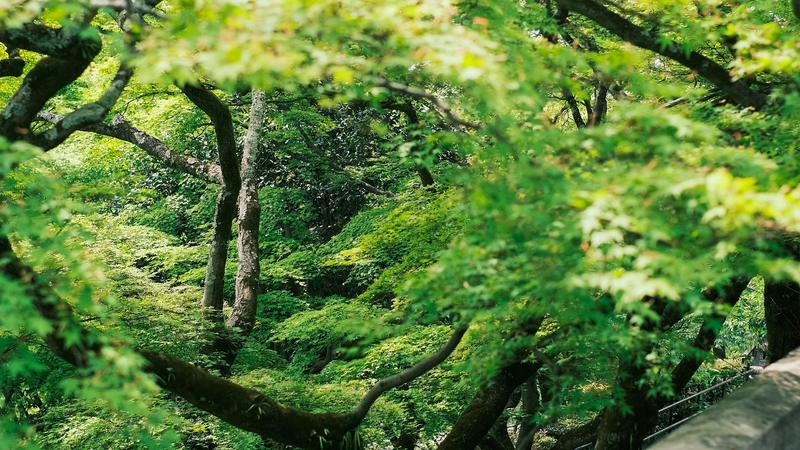
Kyoto's Aoi Matsuri on May 15, 2027 and its paid seats, the Kanda Matsuri main year and the Sanja Matsuri in Asakusa on May 14 to 16.
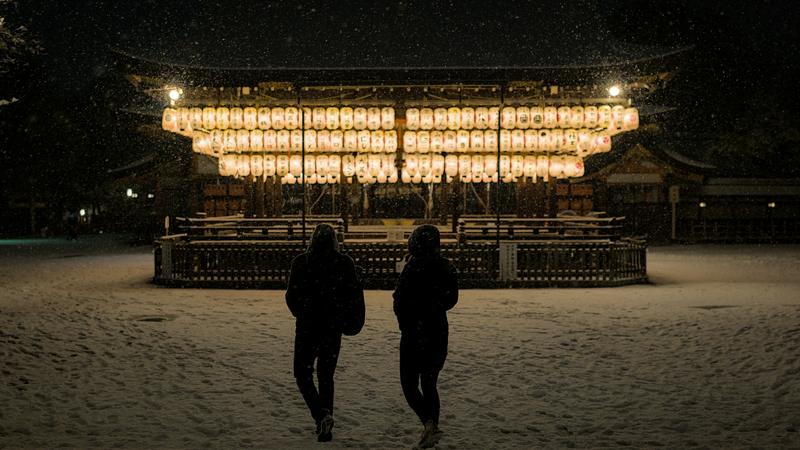
Setsubun in Kyoto on February 2 and 3, 2027: the geisha districts dancing at Yasaka and Kitano, the demons and fire at Yoshida, and the times.
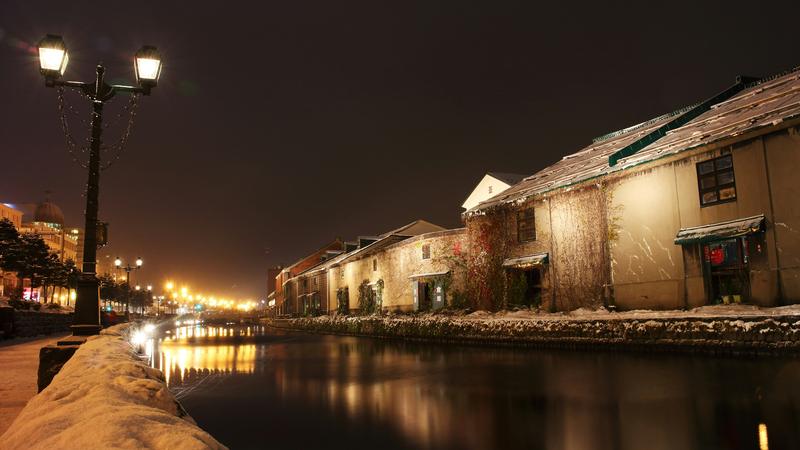
The Sapporo Snow Festival 2027 from February 4 to 11: the three sites and their hours, SIAF2027, Otaru, Lake Shikotsu and where to stay.
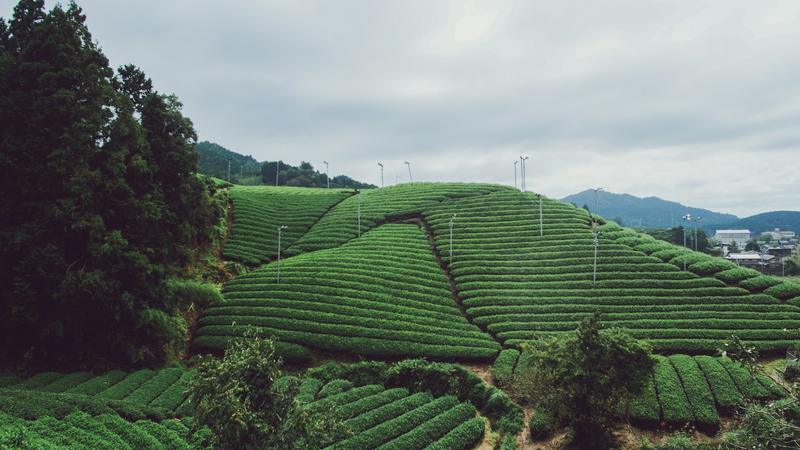
Where matcha comes from in southern Kyoto: how tencha is shaded and ground, why matcha is scarce in 2025 and 2026, the tea houses of Uji and the mountain tea fields of Wazuka, with published fees and hours.
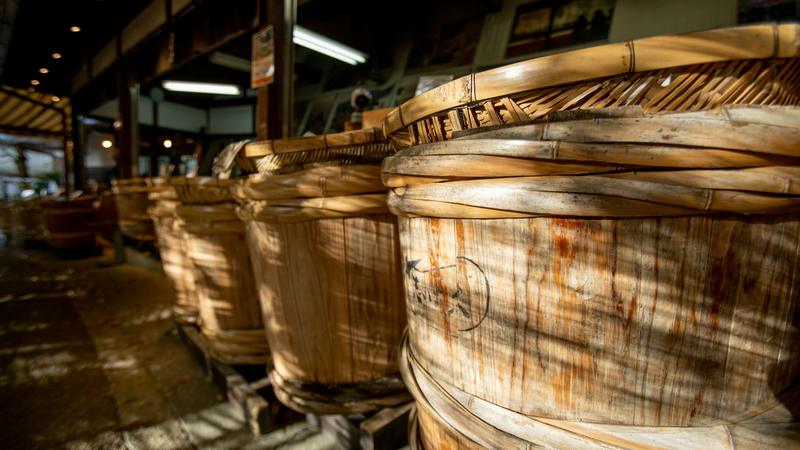
Where Japan's ferments are still made the old way: cedar-barrel soy sauce on Shōdoshima, Hatchō miso under stones in Okazaki, katsuobushi in Nihonbashi and funazushi by Lake Biwa, with the visits the makers offer.
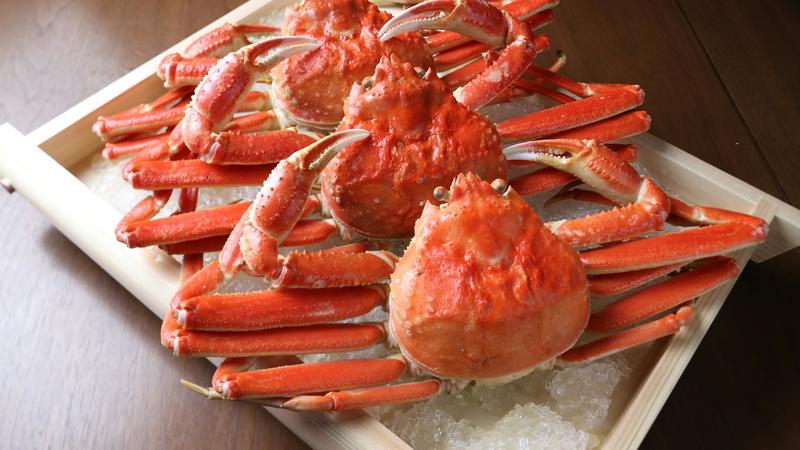
Japan's snow crab season on the Hokuriku and Sanin coasts opens on November 6. The ports, the brand tags, how the first auctions set the price, and a crab dinner at a ryokan in Kinosaki or on the Echizen coast.
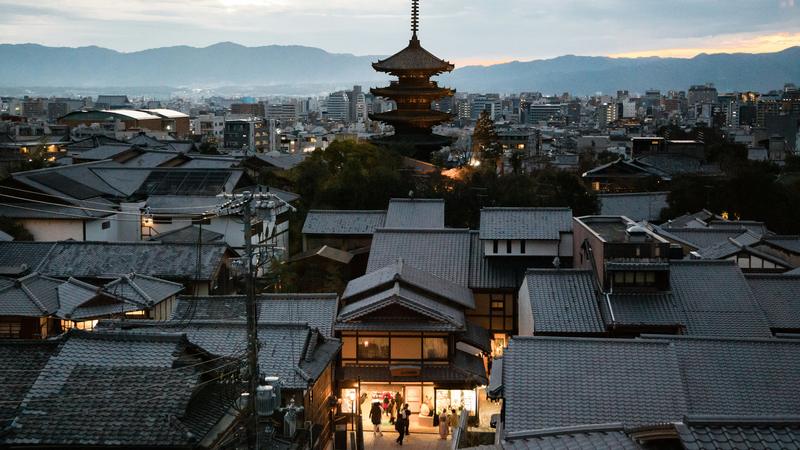
The new luxury hotels you can stay in between November 2026 and May 2027, with each opening date checked against the operator's own announcement.
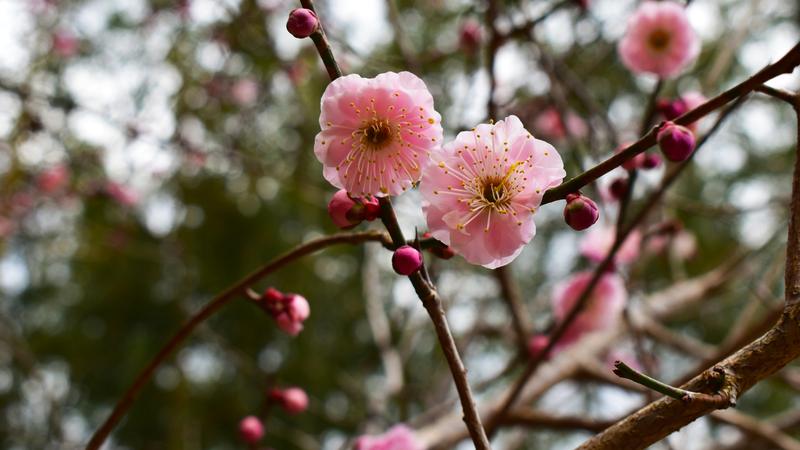
Japan's plum season from January to March: the 2027 festival dates at Kitano Tenmangu, Jonangu, Kairakuen, Atami and Dazaifu, and the tea served under the trees.
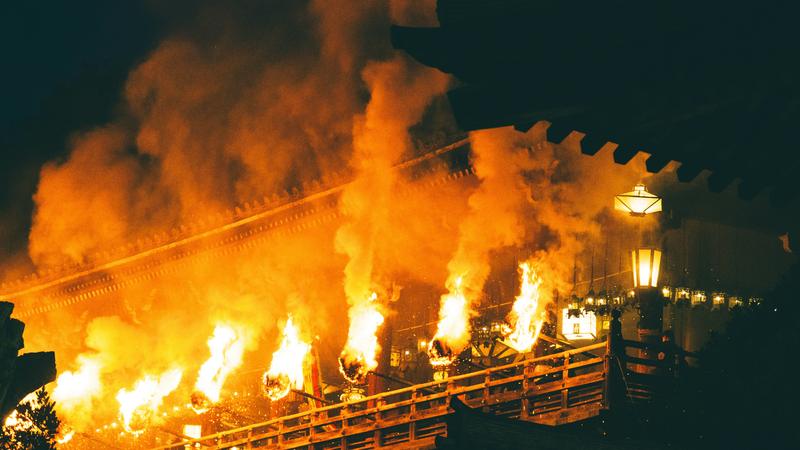
Omizutori runs at Nigatsu-dō in Nara from March 1 to 14: the torch times, why March 12 is the hardest night, listening from inside the hall, and where to stay.
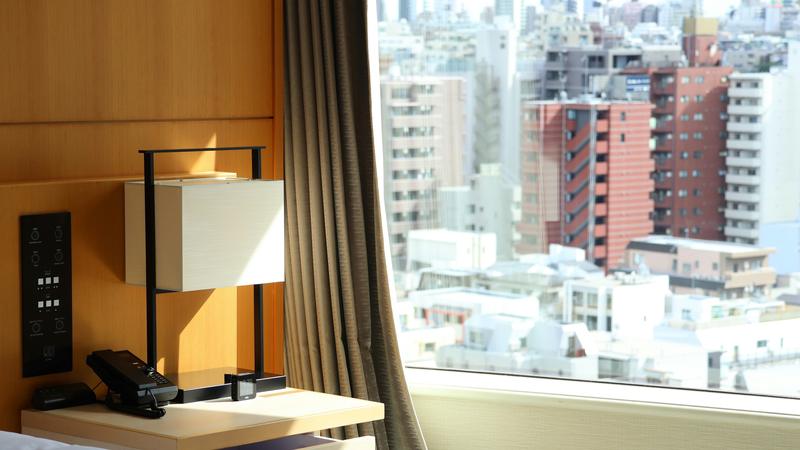
How visitors from abroad arrange a ningen dock in Tokyo: what Keio and Tokyo Midtown Clinic publish on courses, fees and results, and a calm stay around the day.
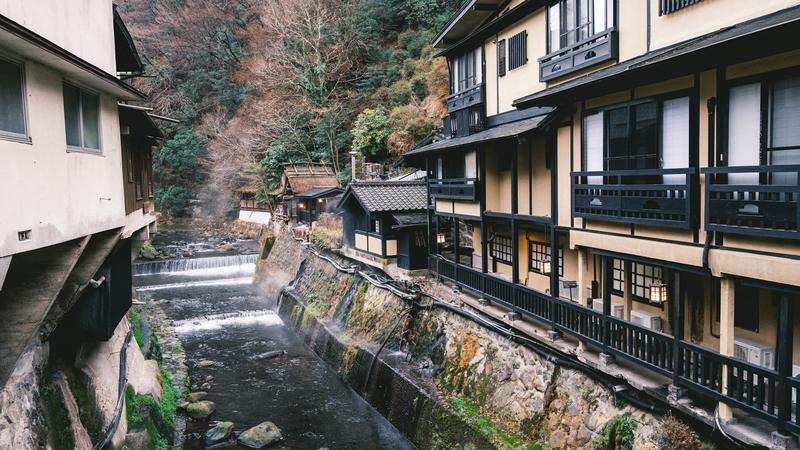
Toji is the old Japanese custom of staying several nights at a hot spring to rest. What the Ministry of the Environment says about healing springs, and four toji towns: Tamagawa, Misasa, Kannawa and Itamuro.
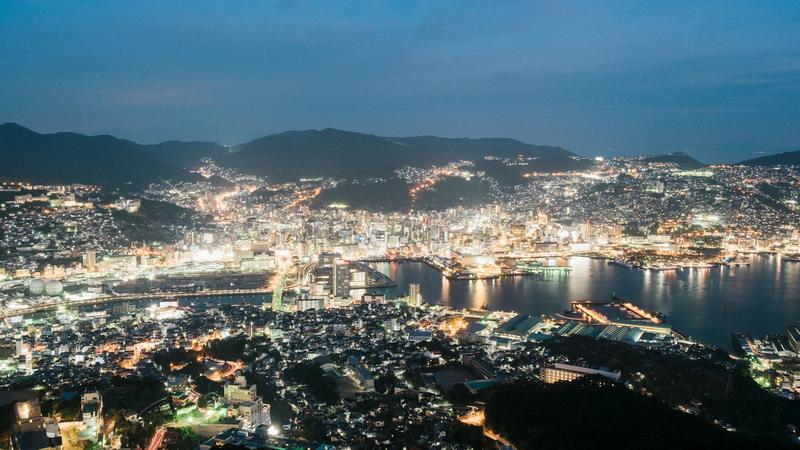
Nagasaki, No. 17 on the NYT's 2026 list, is about 1.5 hours from Hakata. Oura Church, Glover Garden, the Goto churches and the advance notice they ask for.
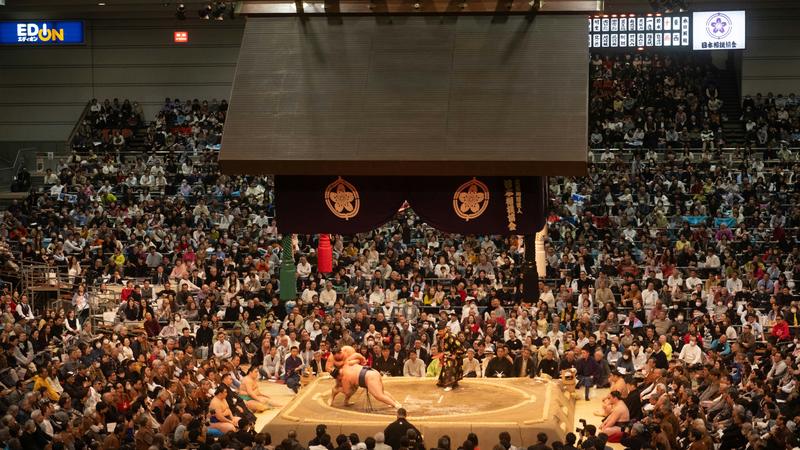
The four grand sumo tournaments from November 2026 to May 2027, when tickets go on sale, what the seats cost and how a day in the hall unfolds.
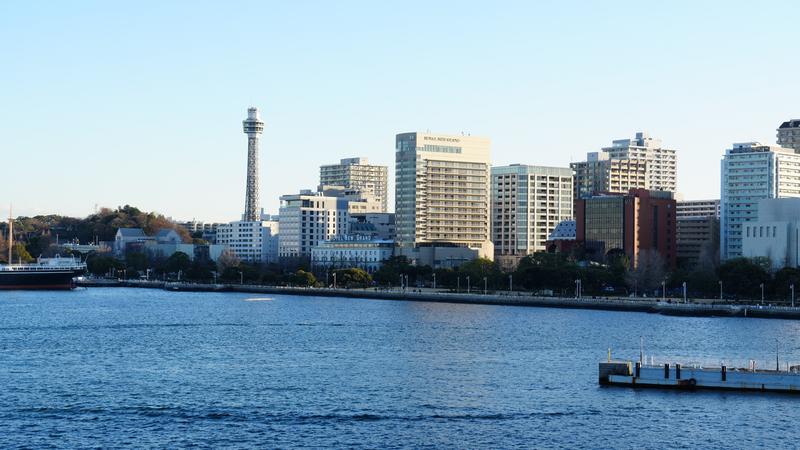
Dates, ticket prices, timed entry and getting to Yokohama's 2027 horticultural expo, for spring travellers.
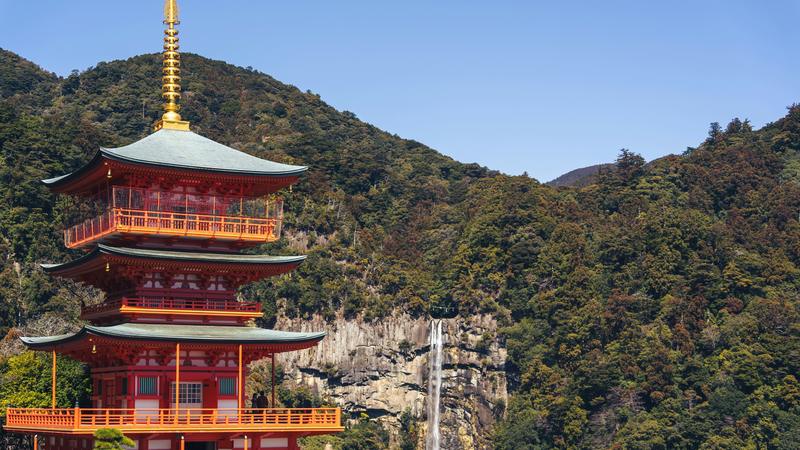
Namba to Koyasan in about 1h40, a shukubo night, the 7.5 km Hosshinmon walk to Hongu, Nachi Falls at 133 m, and 2.5 hours by car between them.
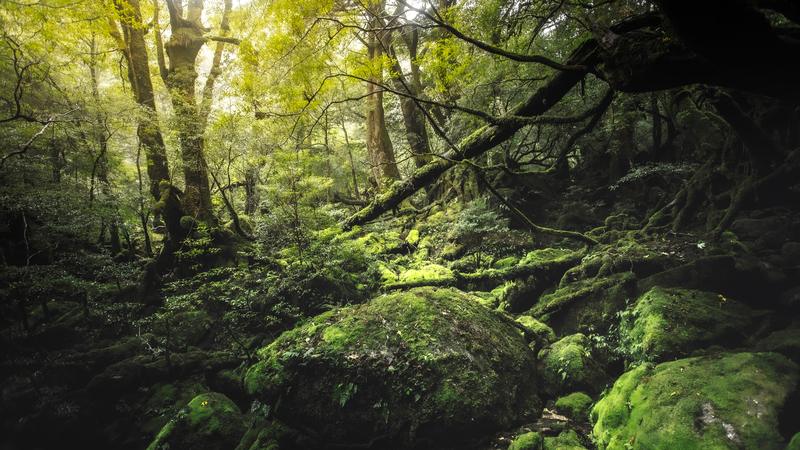
Jomon Sugi: 11 km each way, 8–10 hours, shuttle bus from 5:00 Mar–Nov, ¥3,000 with the mountain fee. Shiratani, Yakusugi Land, Nagata turtles, flights, sankara.
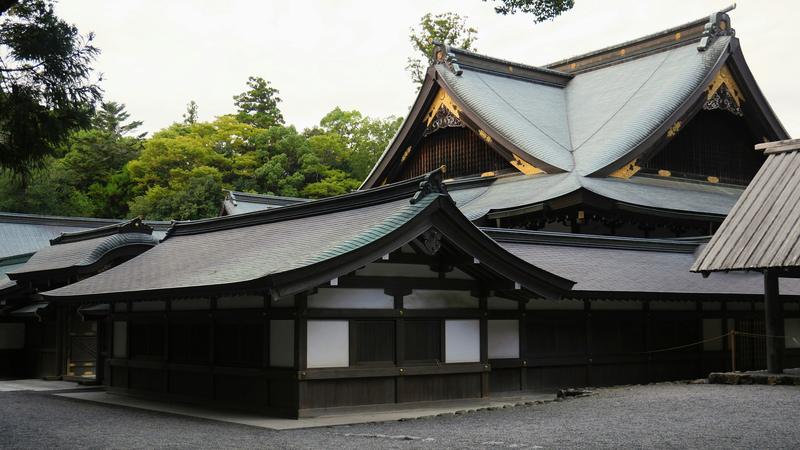
Ise Jingu opens at 5:00; visit the Geku first. Shimakaze from Kyoto ¥6,150. Second Okihiki May–August 2027. Pearls, ama huts and Amanemu on Ago Bay.
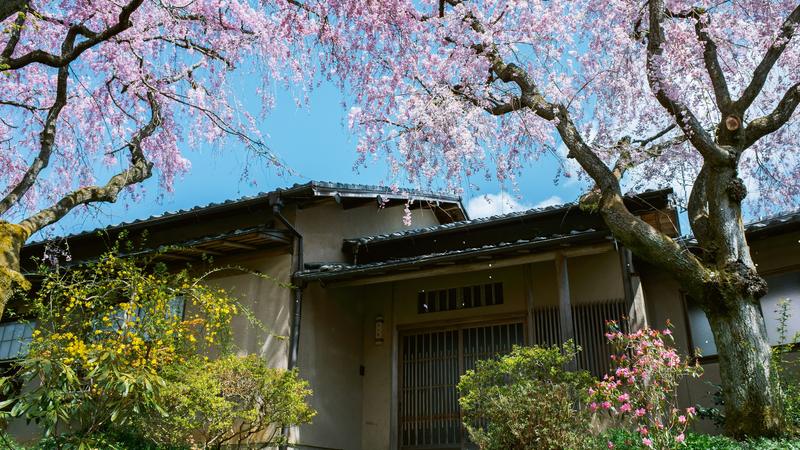
Where to see cherry blossoms in Japan without crowds in spring 2027: the first hour at Heian Shrine and Shinjuku Gyoen, late-blooming cherries, Yoshino and hotel gardens.
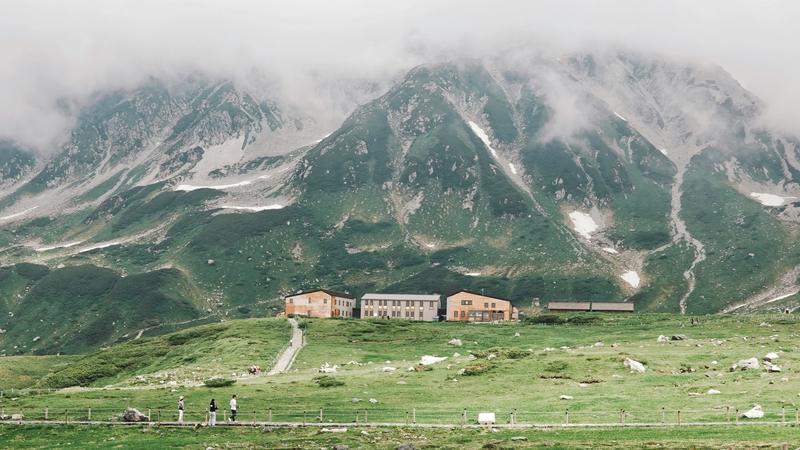
Tateyama to Ogizawa in 6–8 hours, ¥10,940 one way. Snow walls mid-April to late June, Kurobe Dam discharge, the gorge railway and Toyama city.
What ichigen-san okotowari means, why Kyoto teahouses, counters and members-only bars take guests by introduction, how visitors get in, and the etiquette.
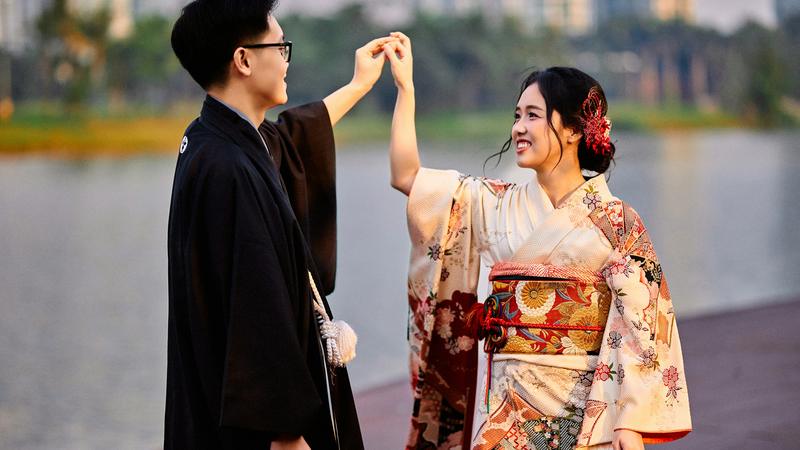
Published photographer prices in Tokyo and Kyoto, photo rules at Meiji Jingu, Kiyomizu-dera, Fushimi Inari, the Imperial Palace and parks, light, kimono.
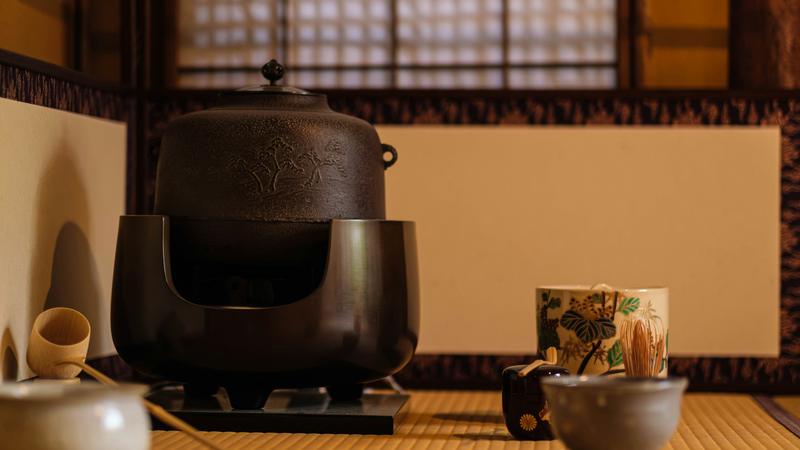
How a chakai works and what to do in the room, plus Tokyo tea rooms with official prices: Happo-en, Hama-rikyu, The Okura, Imperial Hotel and Chinzanso.
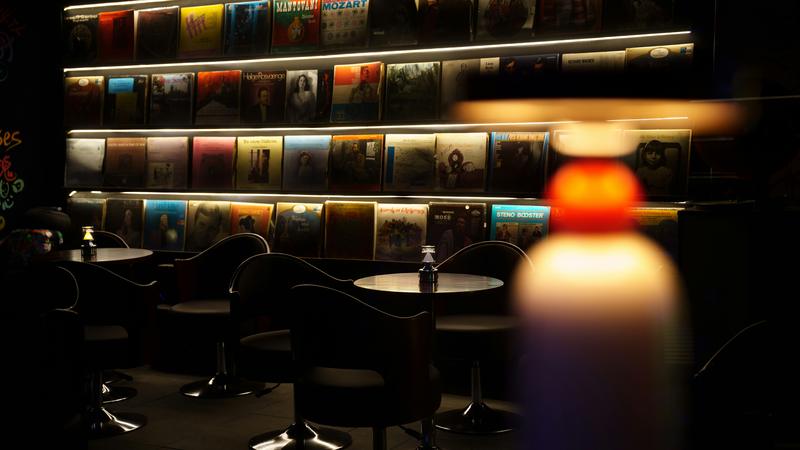
What a jazz kissa and a listening bar are, the house rules, cover charges and how to get in at six Tokyo rooms, from Lion to Ginza Music Bar.
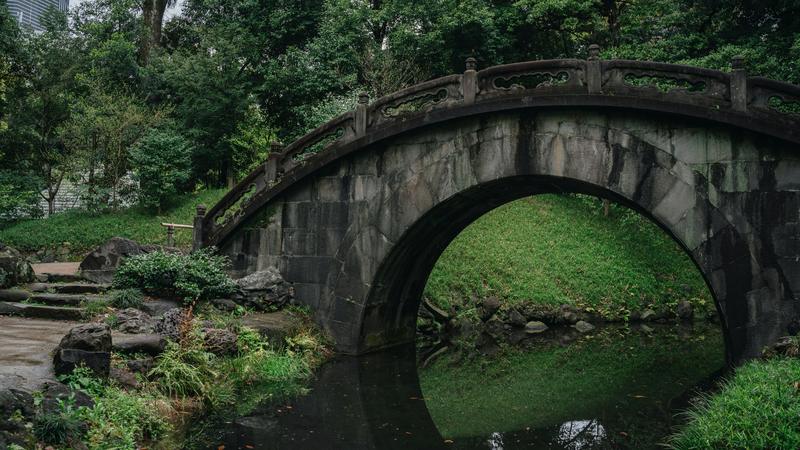
Hours, fees, English tours, the usual peak weeks and the photo rules for nine Tokyo gardens, from Rikugien to Hama-rikyu, checked October 28, 2026.
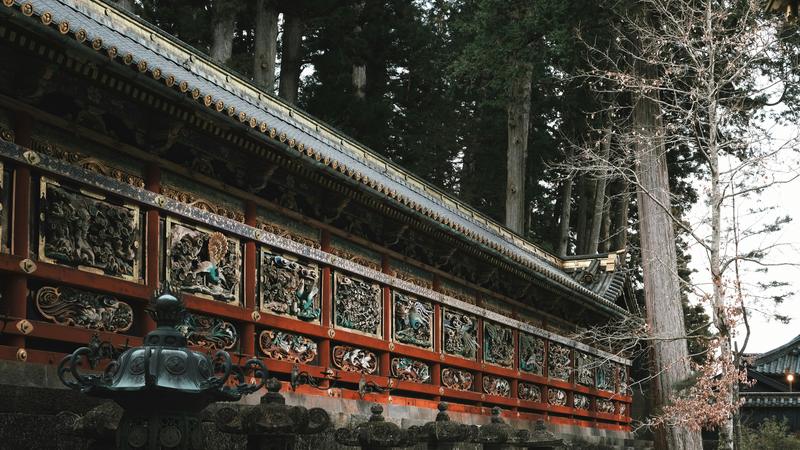
Spacia X from Asakusa in 1 h 50 min from ¥3,340. Toshogu and Rinno-ji hours and fees, Kegon Falls, Lake Chuzenji, autumn colour, and day trip or overnight.
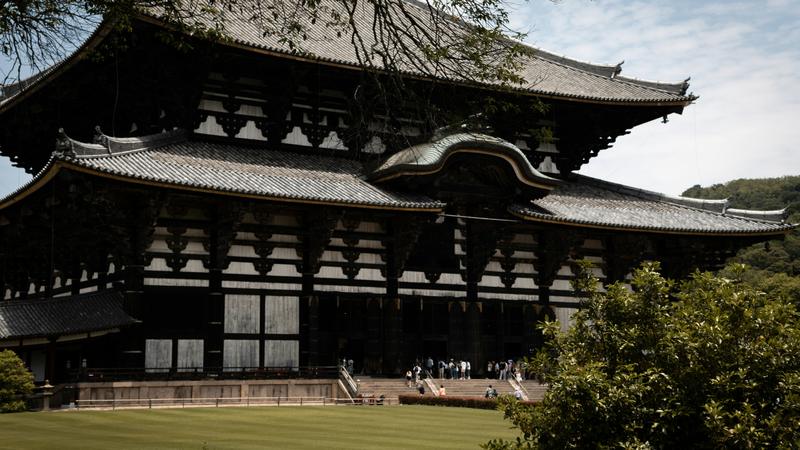
Kintetsu fares and train times from Kyoto, Todai-ji and Kasuga Taisha hours and fees, the Nara Park deer rules, and when to go to miss the crowds.
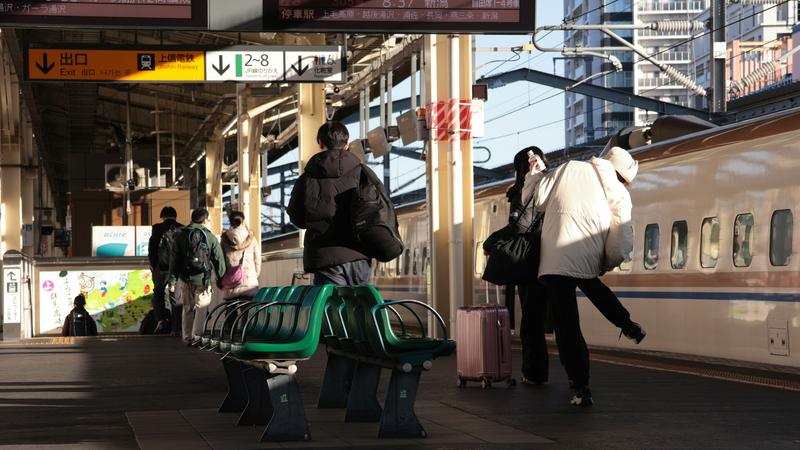
How takkyubin works in Japan: Yamato fares by size, next-day timing, Airport TA-Q-BIN, counters at Narita, Haneda and Kansai, and the shinkansen bag rule.
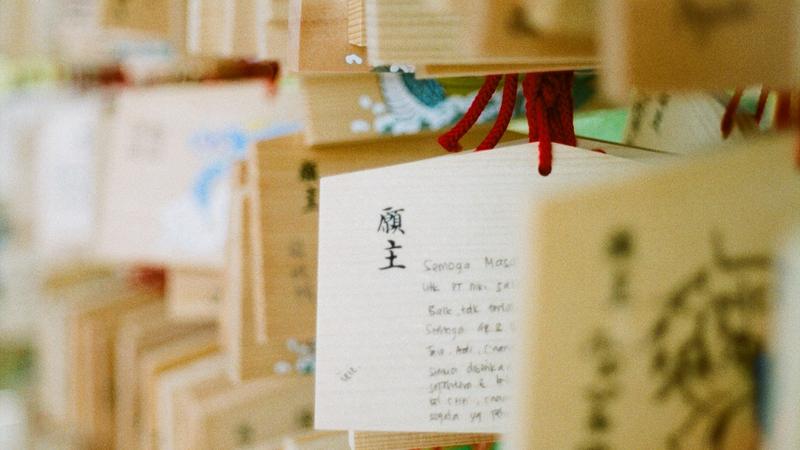
What closes Dec 29 to Jan 3, hatsumode at Meiji Jingu and in Kyoto, the joya no kane bell, osechi, and New Year ryokan rates and how far ahead to arrange.
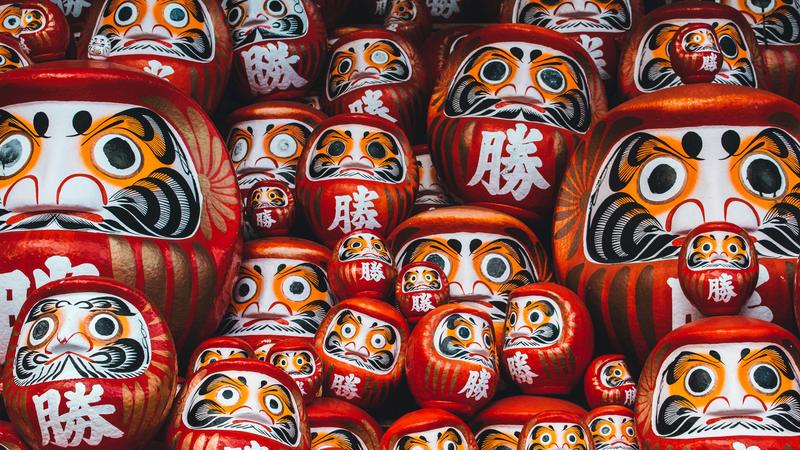
What a daruma doll means, which eye to fill in first and why temples differ, what the colours say, and where to buy one: Takasaki and Japan's daruma markets.
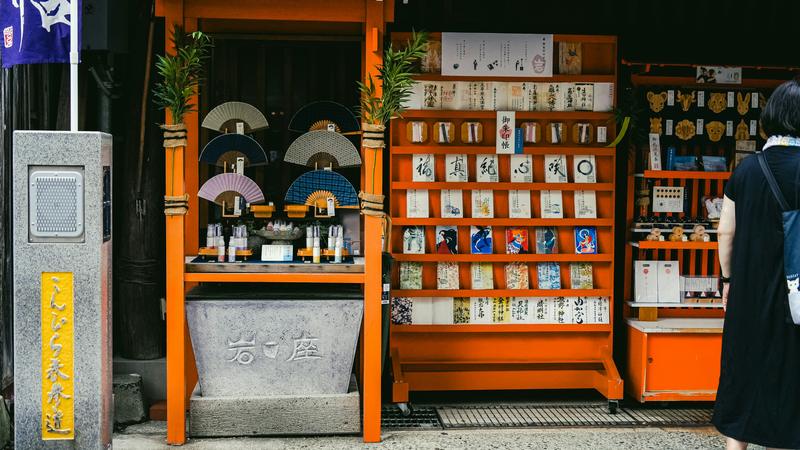
What an omamori is, charms for love, money, birth, exams and travel, the Tokyo and Kyoto shrines known for each, the days some are given, and how to return one.
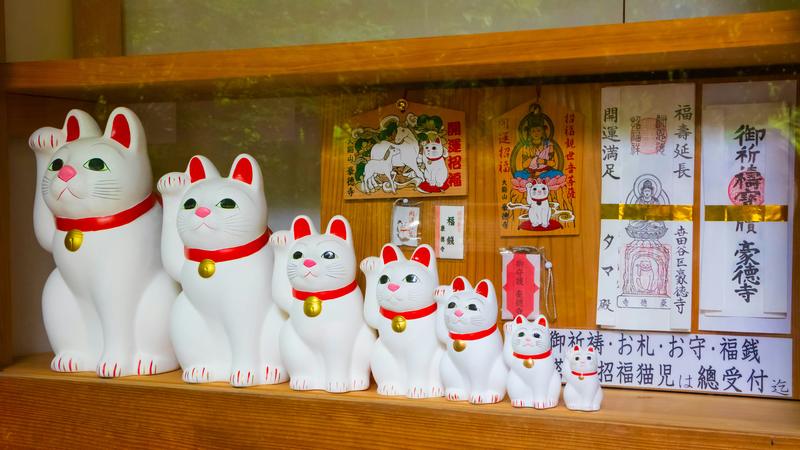
The maneki neko, kadomatsu, kagami mochi, hamaya, kumade and furin wind chime: what each Japanese lucky charm means, when it appears and where it is made.
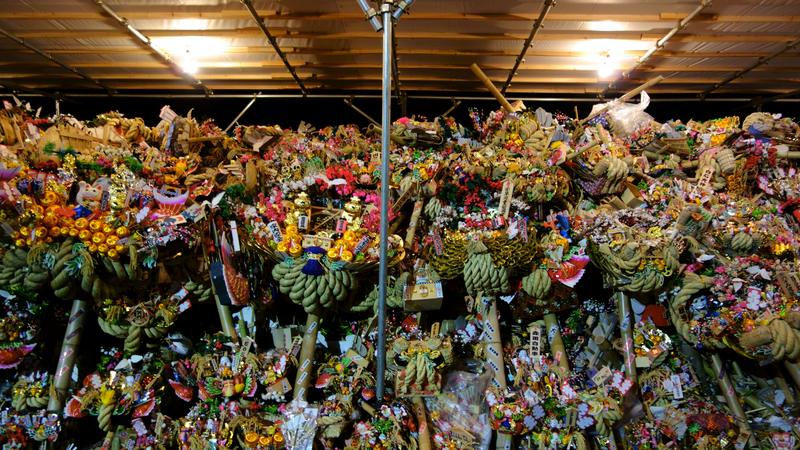
Tori no Ichi falls on November 7 and 19 in 2026. The dates and hours at Asakusa, Shinjuku and Fuchū, what the kumade rake means, and how one is bought.
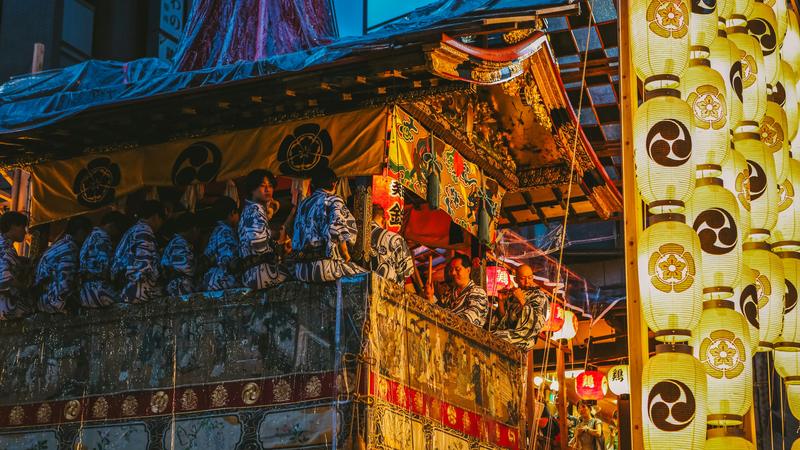
Japan's festivals and seasonal customs month by month, from Setsubun and cherry blossom to Gion Matsuri, Obon and Shichi-Go-San, with the 2026 and 2027 dates.
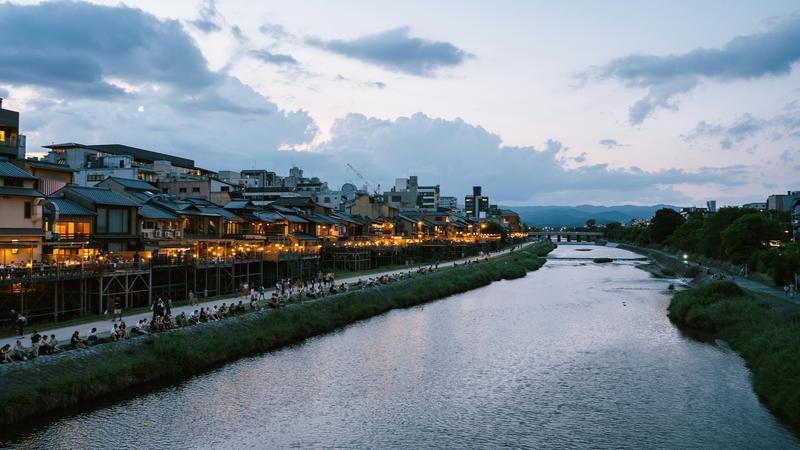
The best time for a honeymoon in Japan, month by month: Tokyo and Kyoto averages, the rainy season, typhoons, the region for each month and 2027 holidays.
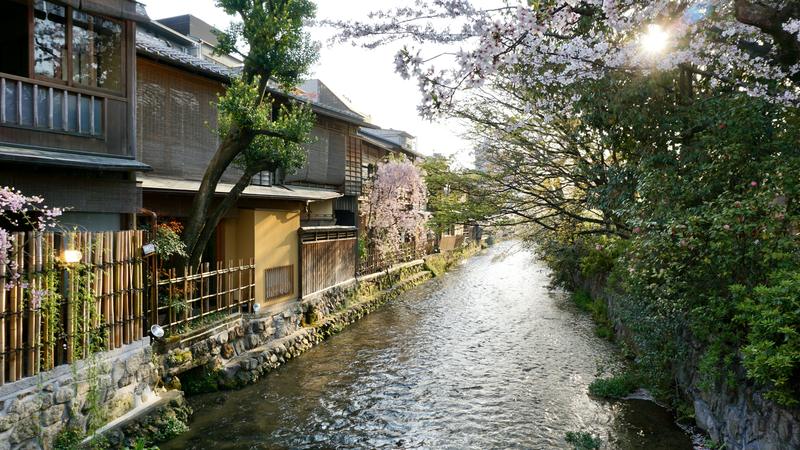
What a luxury Japan honeymoon costs for two: hotel and ryokan rates for January and April 2027, kaiseki dinners, trains, and the taxes added on top.
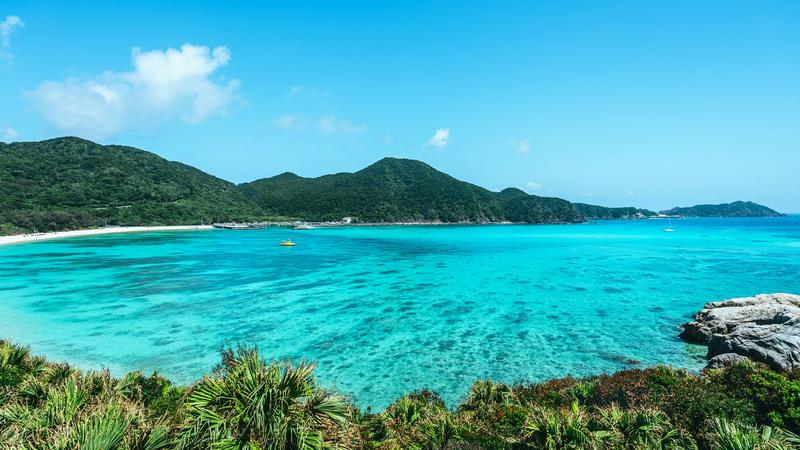
Planning an Okinawa honeymoon: which island suits you, resorts with private pools, the months for the sea, and how to add Okinawa to Tokyo and Kyoto.
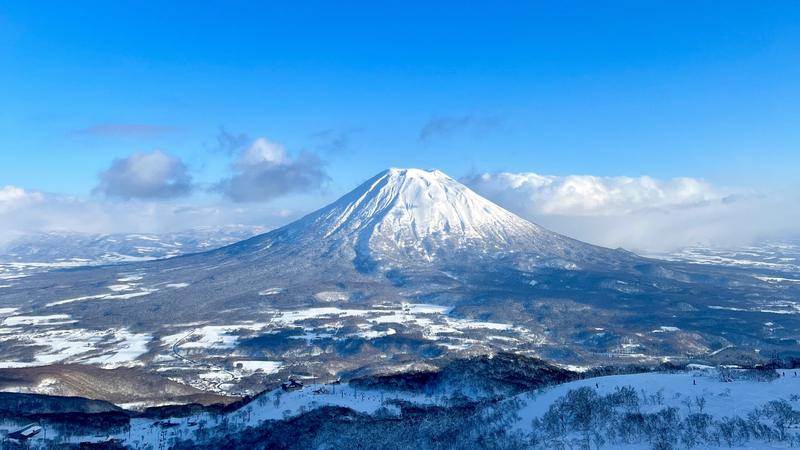
A Hokkaido honeymoon in summer or winter: Sapporo and Tokyo averages, lavender and drift ice dates, five ryokan with private onsen, flights and 2026 taxes.
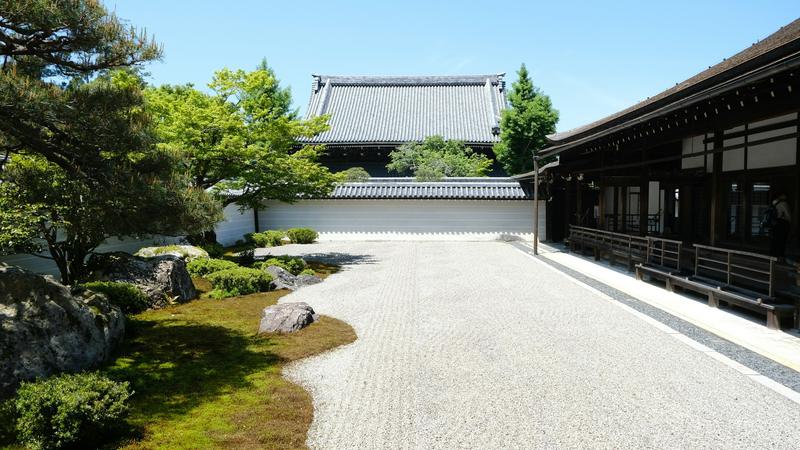
A wellness week in Japan itinerary: Tokyo gardens and spas, a Hakone room with its own onsen, Kyoto zazen and shojin lunch, with times, fees and what to reserve.
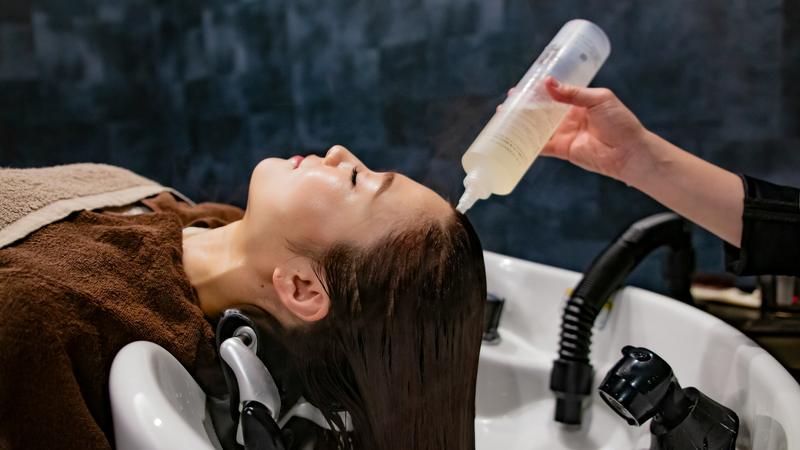
Japanese head spa in Tokyo: five salons and a hotel spa with English menus, prices from ¥12,000, course times, cancellation rules and first-visit etiquette.
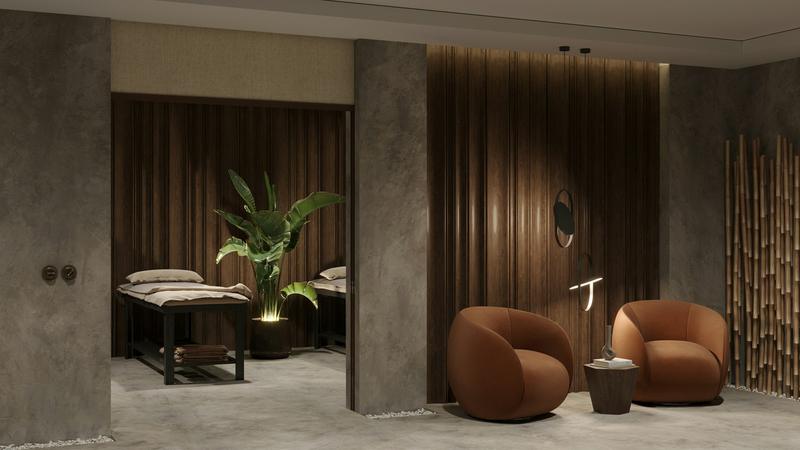
Seven Tokyo and Kyoto hotel spas with a couples' suite or room for two: who can book, prices and times, baths, pools and tattoo rules, checked October 2026.
Where to buy Japanese skincare in Tokyo: Ginza flagships, department store beauty floors and @cosme TOKYO, with the November 2026 tax-free rules and liquid limits.
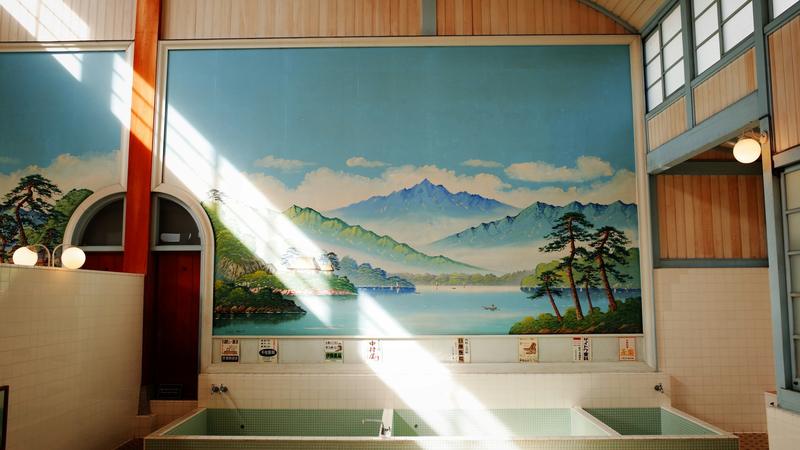
How Japan's onsen, sento, super sento and sauna differ, how to bathe at a sento, where to go in Tokyo and Kyoto, and where to find licensed shiatsu in hotels.
Proposal ideas in Japan, by the rules: Tokyo and Kyoto hotel proposal plans with 2026 prices, and what temples, gardens and rooftops allow for photos and drones.
How to plan an anniversary trip to Japan: the season, a ryokan room with its own open-air bath, what hotels offer for a celebration, and 7 to 14 day routes.
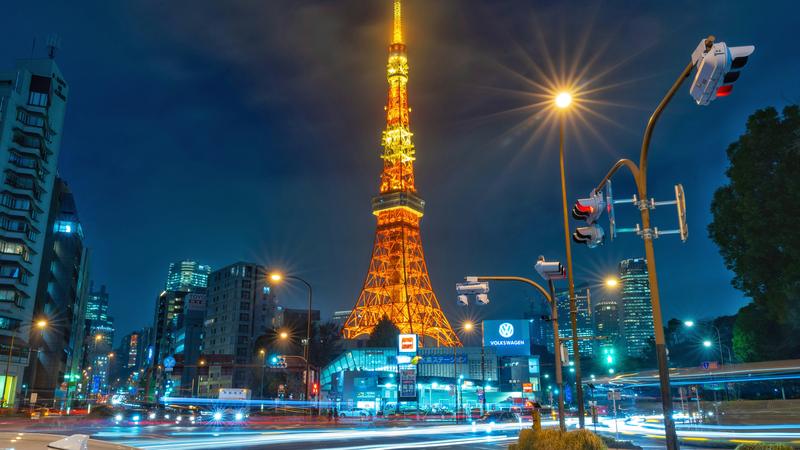
Romantic things to do in Tokyo for couples, by season and hour: night views from the towers, autumn 2026 garden night openings, the river and the bay by boat, and a bar above the city.
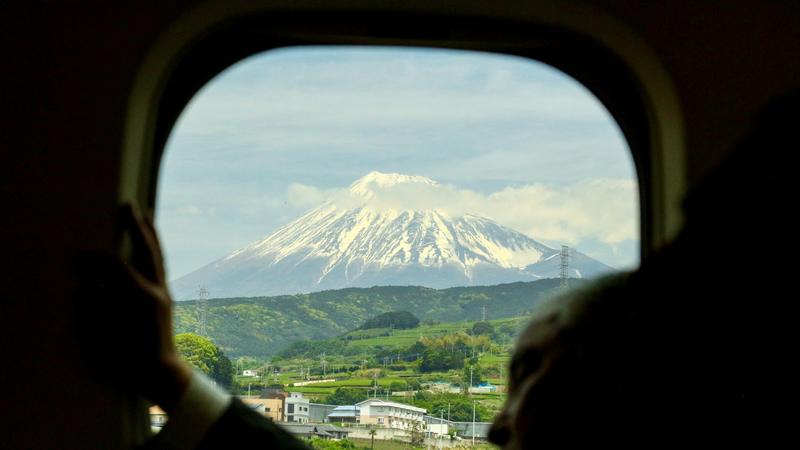
How many days to spend in Japan: 10 days suits most first trips. Where to stay and for how many nights on 5, 7, 10 and 14 day plans, with official train times.
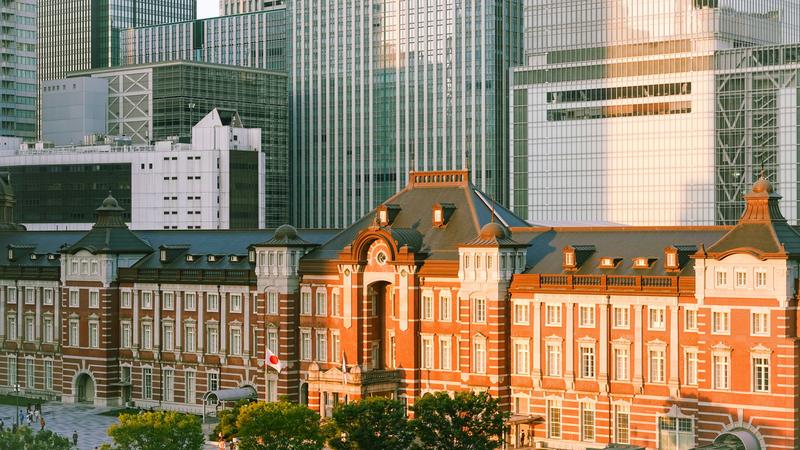
Where to stay in Tokyo, area by area: who each district suits, times to Haneda and Tokyo Station, the luxury hotels we ask about, and the 2027 tax change.
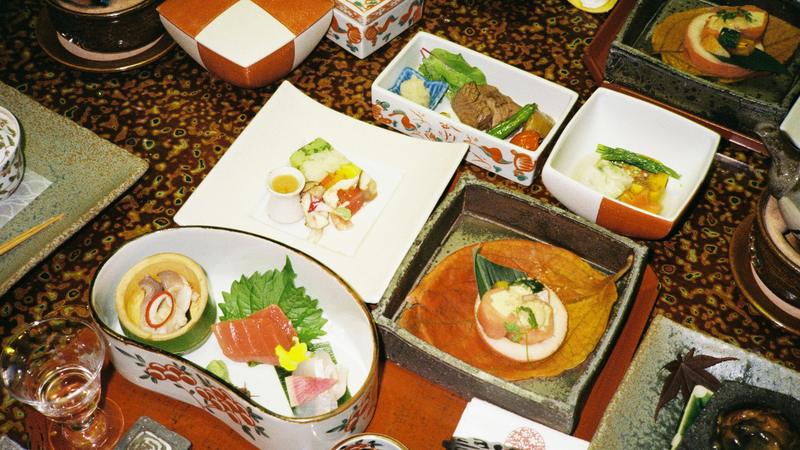
The course order from sakizuke to mizugashi, the etiquette that matters, counter or private room, and the published prices and rules at Kikunoi, Hyotei and Kitcho.
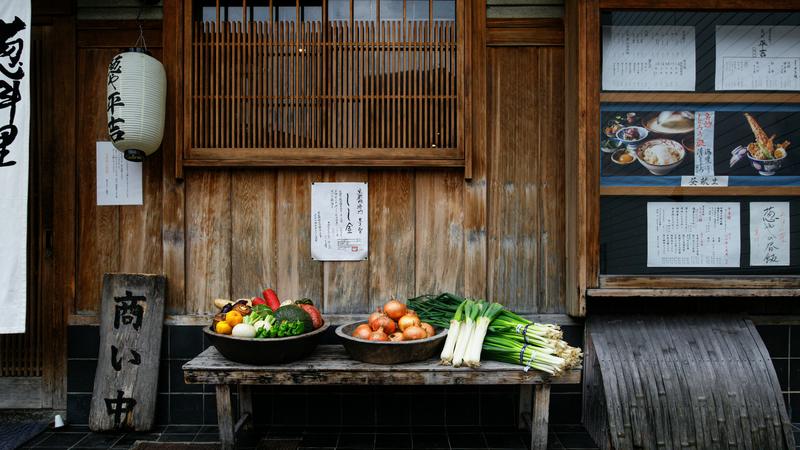
Bonito dashi hides in dishes that look all vegetable. Five shojin restaurants in Kyoto and Tokyo with their published prices and rules, ryokan dinners, and a checklist in Japanese.
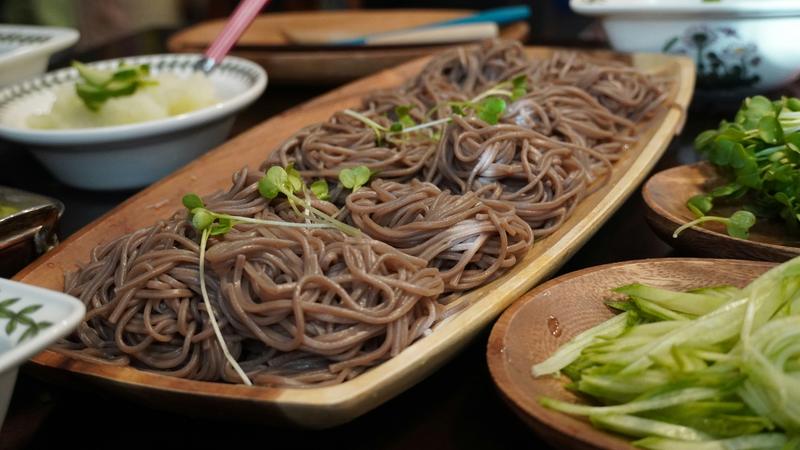
The nine allergens Japan requires on packaged food since April 2026, why restaurant menus fall outside the law, where wheat and fish hide in Japanese cooking, and how ryokan handle requests.
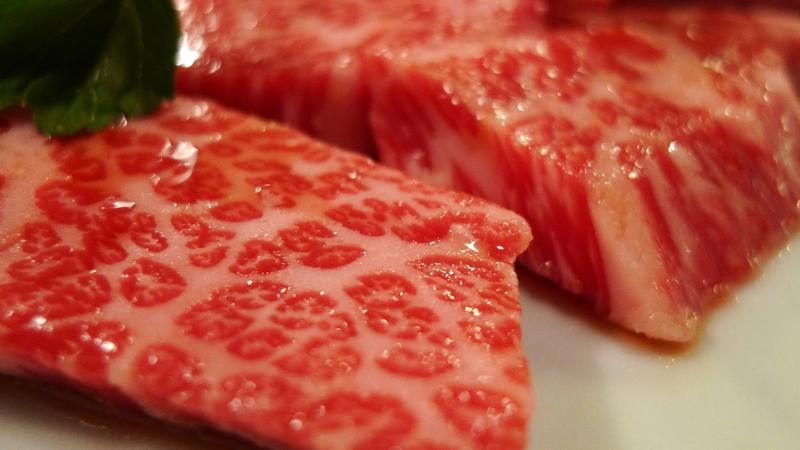
Certified halal kaiseki in Kyoto, halal Kobe beef in Kobe and Shinjuku, where pork and alcohol hide in Japanese cooking, and the airport prayer rooms the operators list.
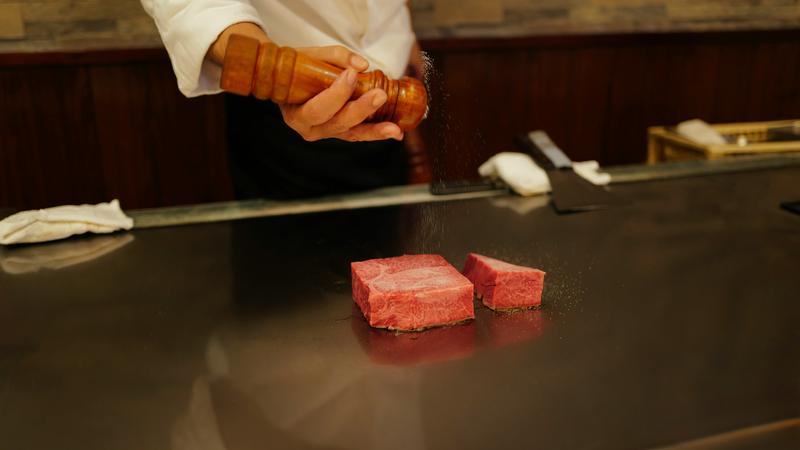
The rules for Kobe beef as the association and the ministry write them, how to verify it at the restaurant, how it differs from Matsusaka and Omi, and official prices at five designated restaurants.
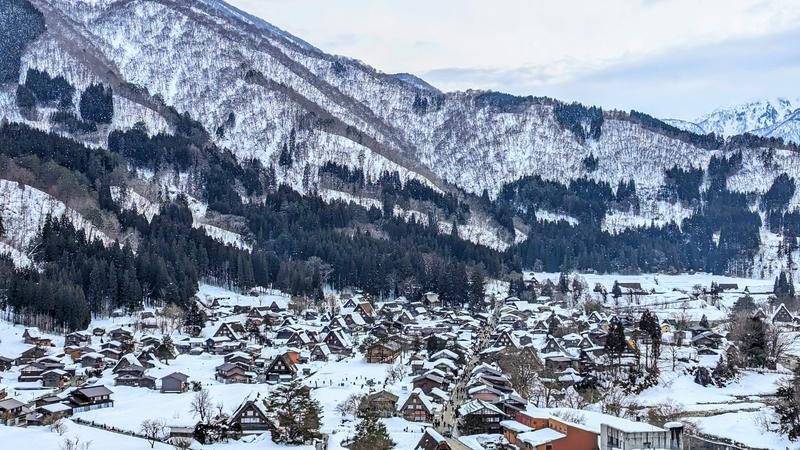
Only overnight guests see Shirakawa-go after 17:00. How the farmhouse inns are booked, the 2027 light-up lottery, buses and the open houses, checked on official pages.
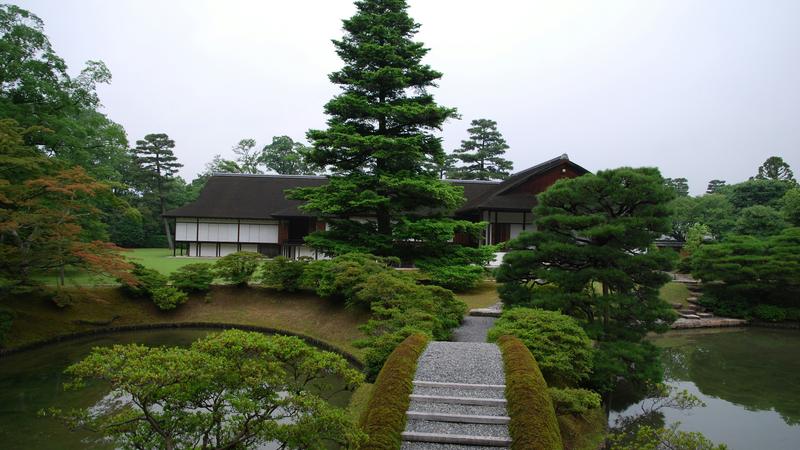
When the Katsura, Shugakuin and Sento applications open, why agents cannot apply for you, and how the Moss Temple's sutra-copying visit is booked.
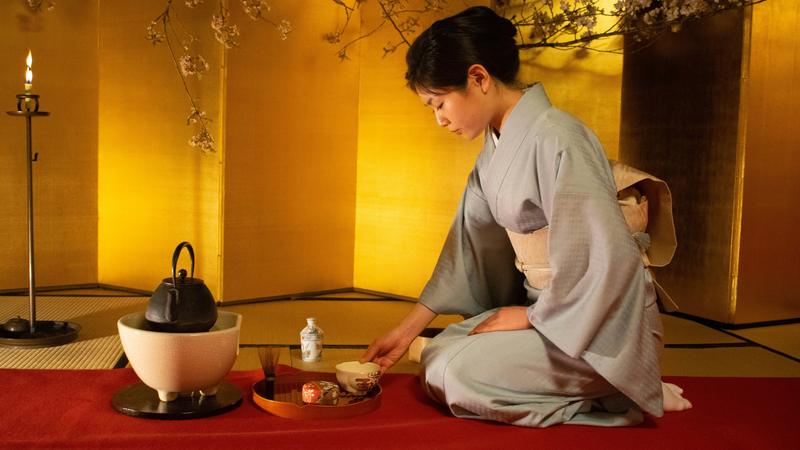
The room, the sweet, thin and thick tea, how to receive the bowl and what to wear, with the prices Kyoto's tea hosts publish for private sessions.
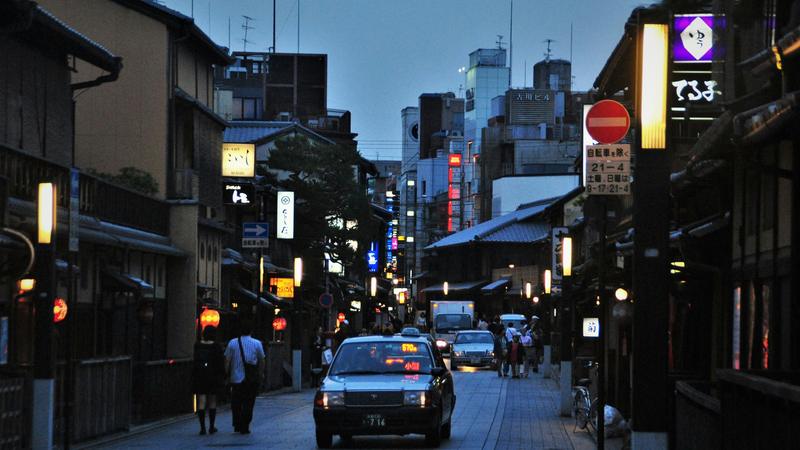
The private ozashiki evening and why it needs an introduction, the five public dances with 2026 and 2027 dates and prices, and Gion's rules on photos and private alleys.
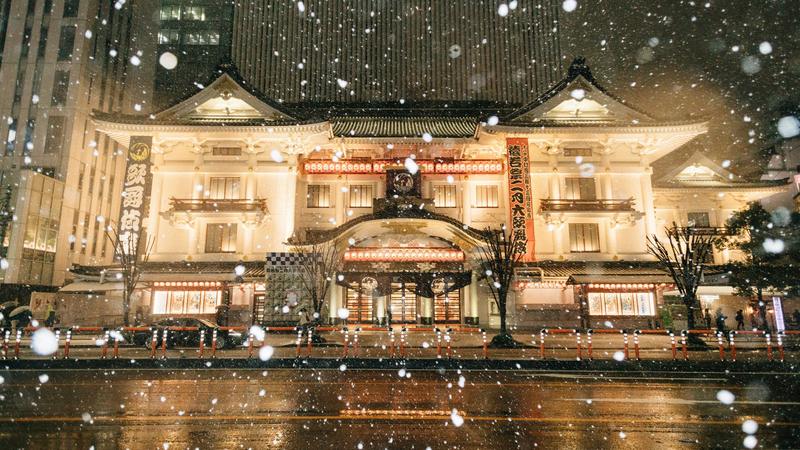
Kabukiza's parts and seat prices for November 2026, single-act tickets on the fourth floor, the English caption device, interval meals and the other Tokyo stages this winter.
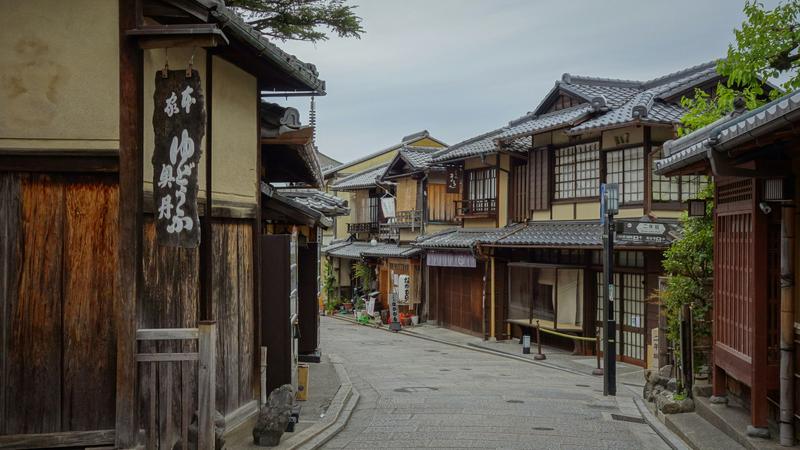
Which Kyoto area to choose for a first luxury stay, who each one suits, how long it takes to reach, and the hotels and ryokan we would ask about.

Published rates for a car and driver in Tokyo, from Narita and Haneda, and to Hakone, Fuji and Nikko, with the extras that change the bill.
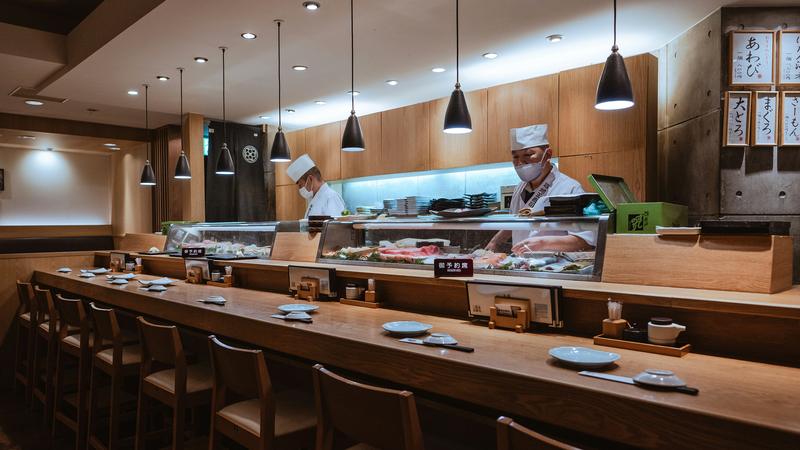
Ryokan rates for one guest, the per-guest Kyoto tax, counter dining and private experiences booked for one, checked on the official pages.
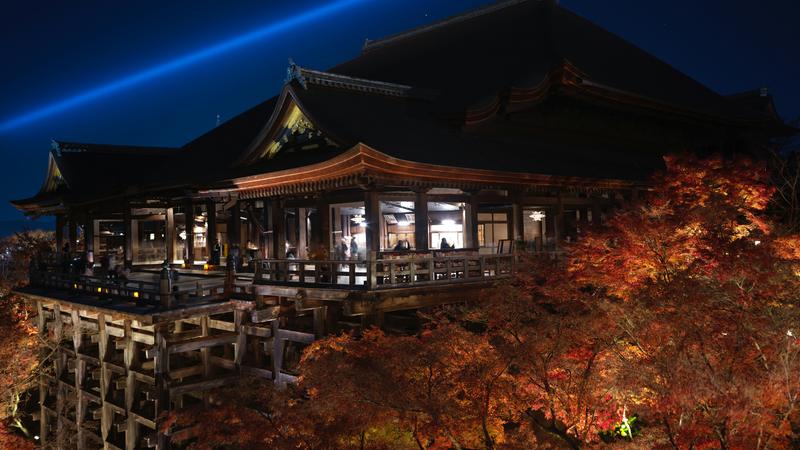
Kyoto for two by season and hour: the gorge by train and boat, dinner over the river and autumn 2026 night openings, with official fares and dates.
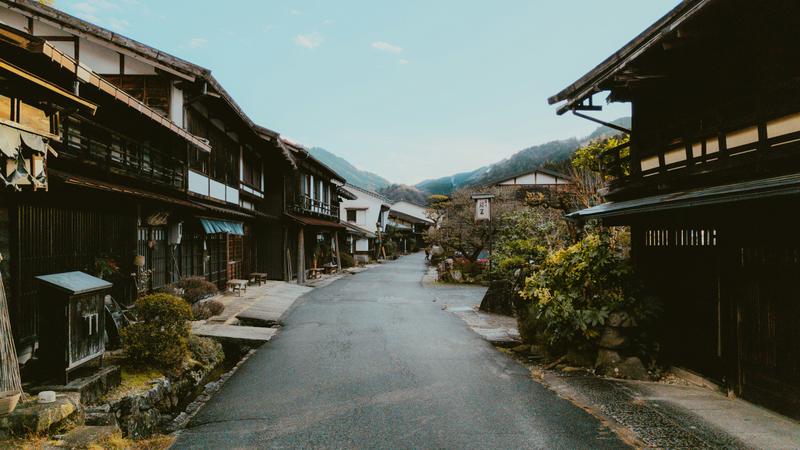
The 9 km walk between two Edo-period post towns, with the 2026 luggage service, the buses and the latest start times, checked on the official pages.
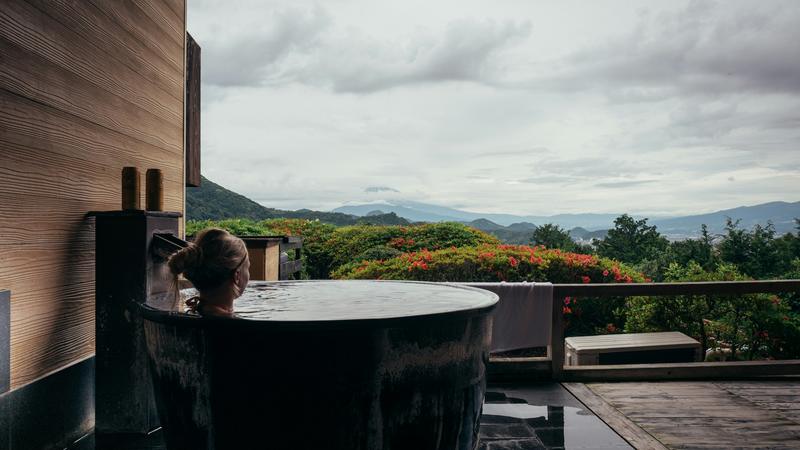
Eight ryokan within about two hours of Tokyo where the room has its own hot spring bath, area by area, with train times and published rates checked in October 2026.
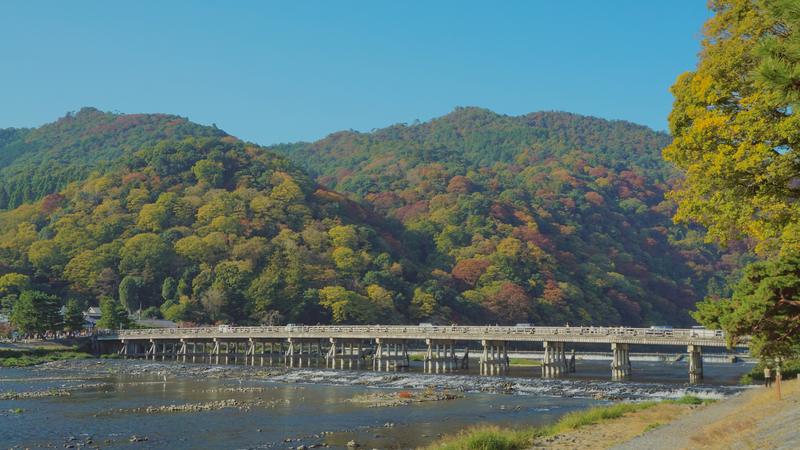
Where a Kyoto ryokan room comes with its own hot spring bath, from Arashiyama to Yunohana, with published rates and house rules checked on official sites in October 2026.
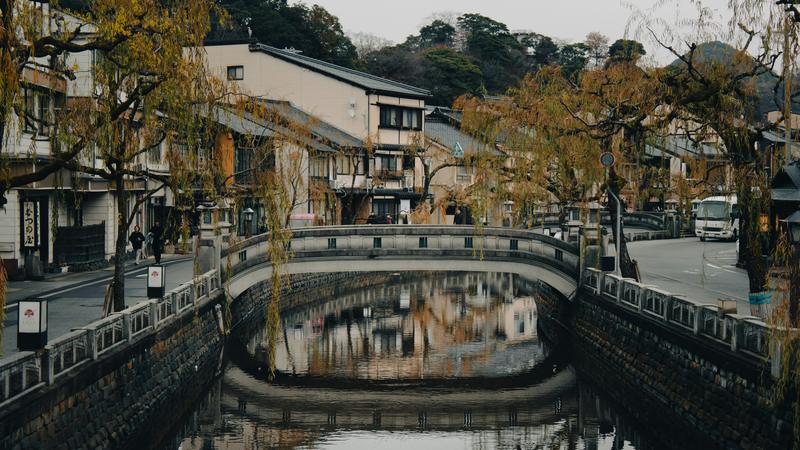
Where you can bathe in Japan with tattoos: rooms with their own bath, private baths and onsen that accept tattoos, with the official policies checked in October 2026.
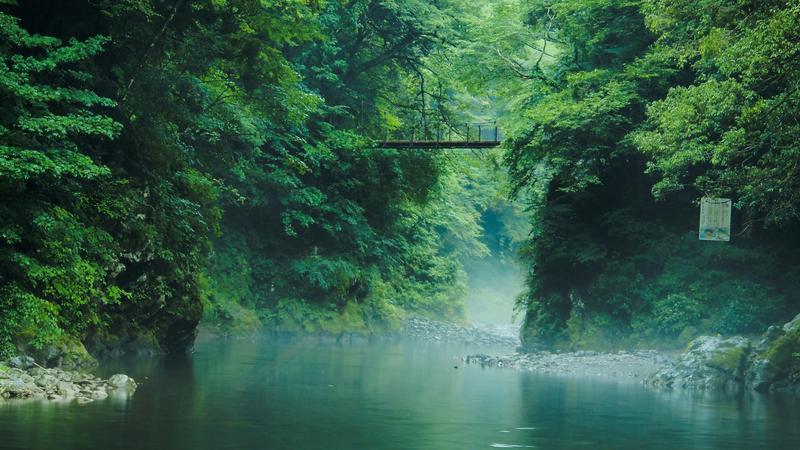
Where to go forest bathing near Tokyo, from Okutama's certified guides to Akasawa's cypress forest, with published fees and lead times checked in October 2026.
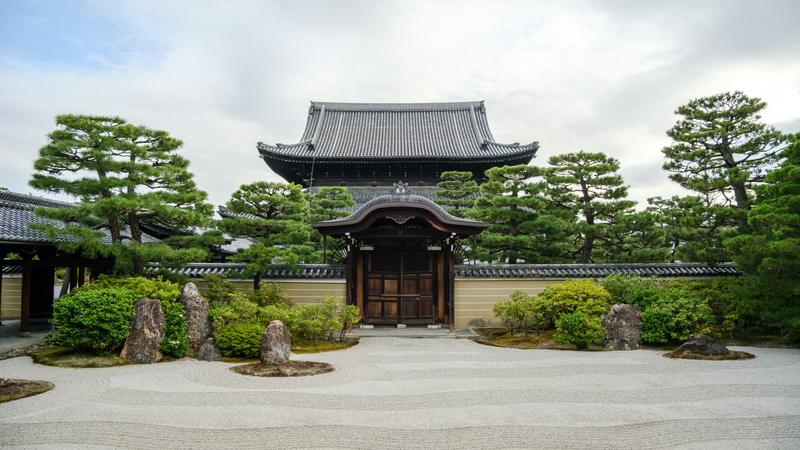
Where to sit zazen in Kyoto with English instruction, from a two-hour sitting for about a dozen guests to a private session, with published fees and booking rules checked in October 2026.
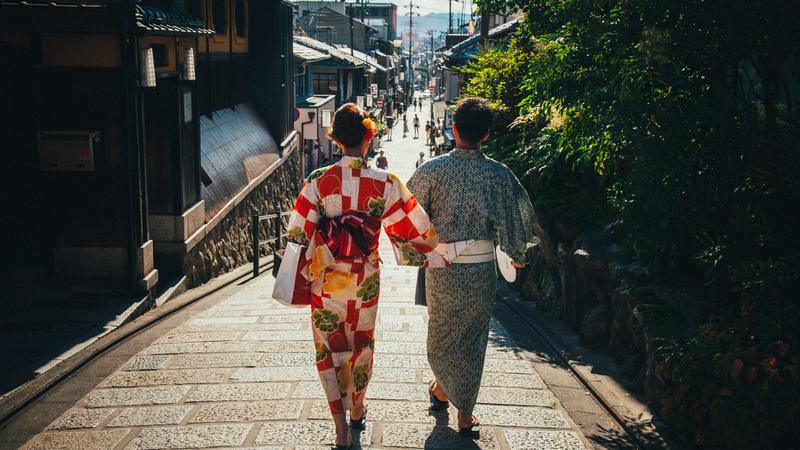
A day-by-day honeymoon in Tokyo, a Hakone ryokan with its own open-air bath, Kyoto and the Seto Inland Sea, with the rooms to ask for and published rates checked in October 2026.
When a Japan travel planner is worth the fee and when it is not: what the money buys, how to test it against your own trip, and how STAYGO's flat Signature fee works.
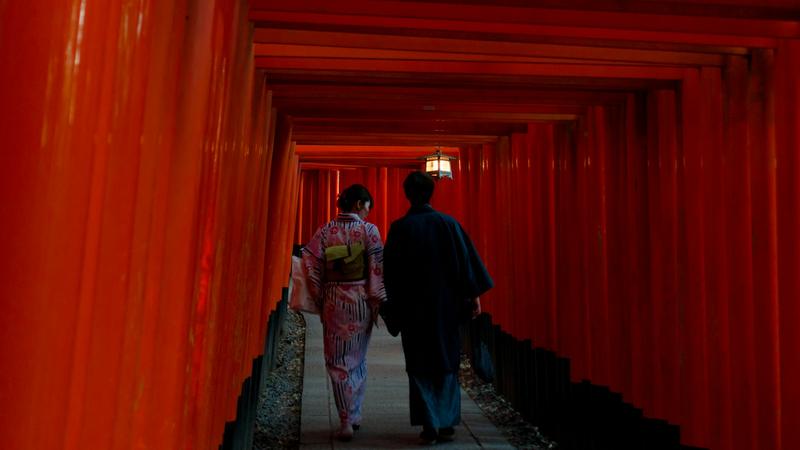
Published rates put a full day with a licensed English-speaking guide in Japan at roughly ¥32,000 to ¥54,000. What the rate includes, what is extra, and what a driver adds.
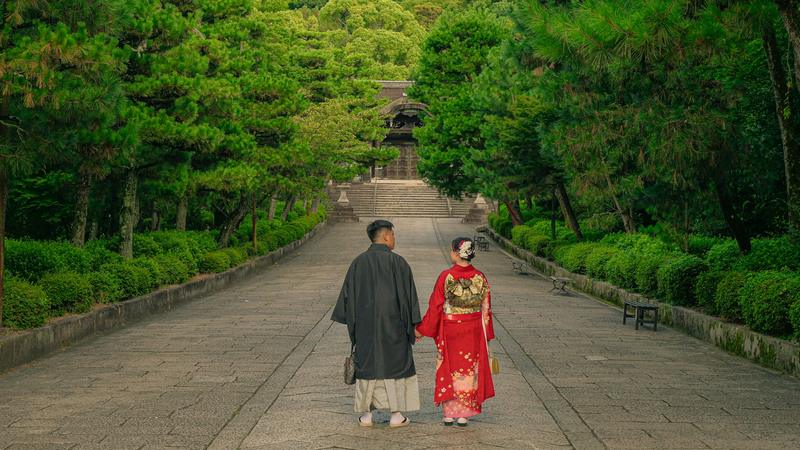
How to plan a Japan honeymoon: the easiest seasons, a pace that leaves room for two, ryokan with private baths, dinners for two, and what a specialist arranges from Japan.
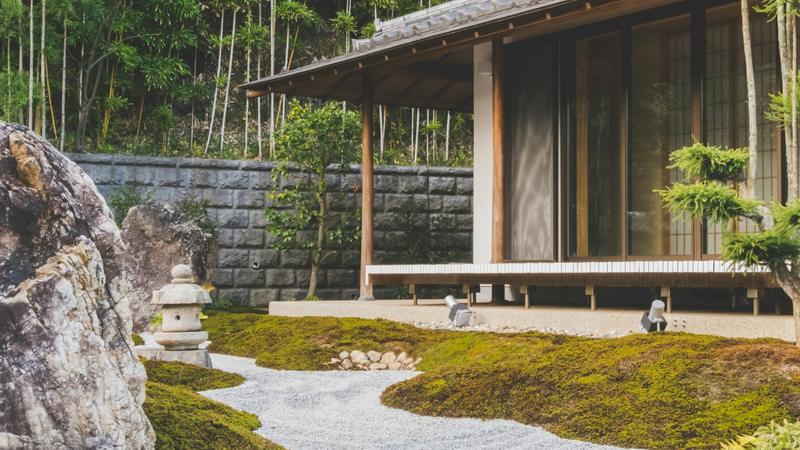
Five ways to plan a Japan trip compared: doing it yourself, online travel agencies, travel advisors, inbound tour operators (DMCs) and a private concierge. How each is paid and what it suits.
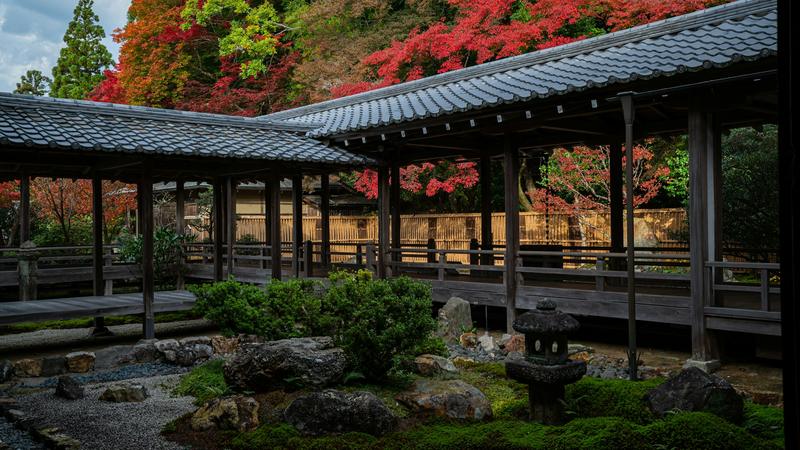
Twelve questions to ask a luxury Japan travel specialist before you pay a deposit: how they are paid, whose name the bookings are in, where they are based, and what happens when plans change.
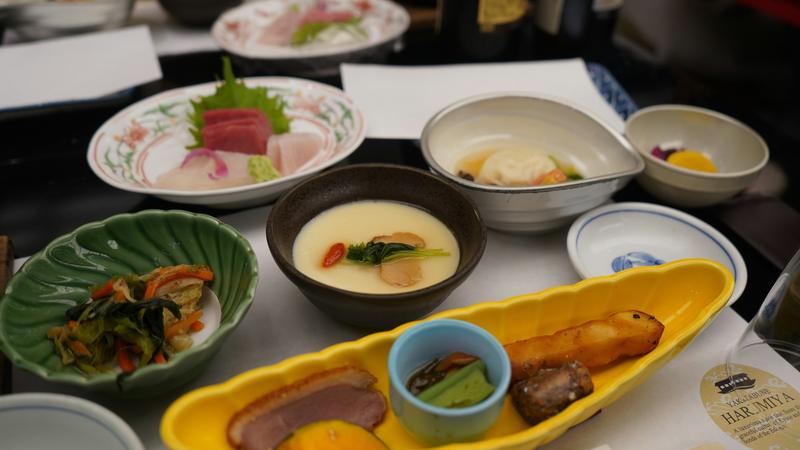
Where the money goes on a ten to fourteen day Japan trip, what raises the total most, and how a flat planning fee is presented separately from the costs of the journey.
Omotenashi describes how you are treated on the first visit. Jo decides what happens on the fourth, and it determines which doors in Japan open at all.
AI agents now call, fill in forms and hold a card. The line they still can't cross in Japan isn't technical, and it shapes much of what a trip becomes.
Design, arrangement and support during the trip, how it differs from a tour operator, and when you should not hire one.
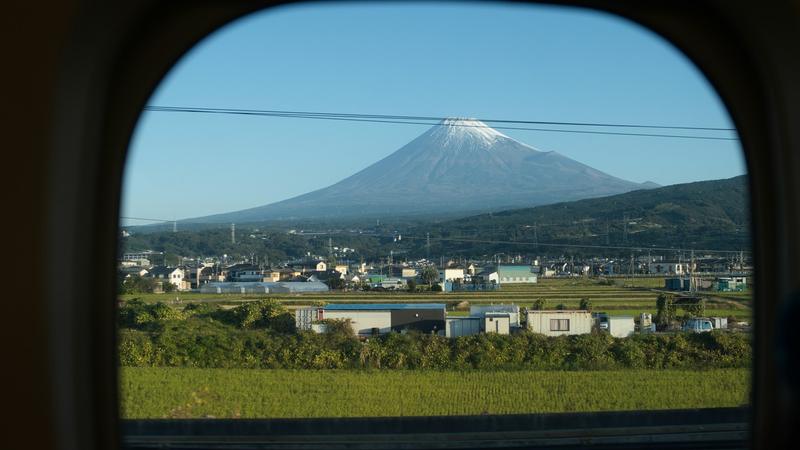
Four bases across fourteen nights, why the ryokan belongs in the middle, and the logistics that decide how the fortnight feels.
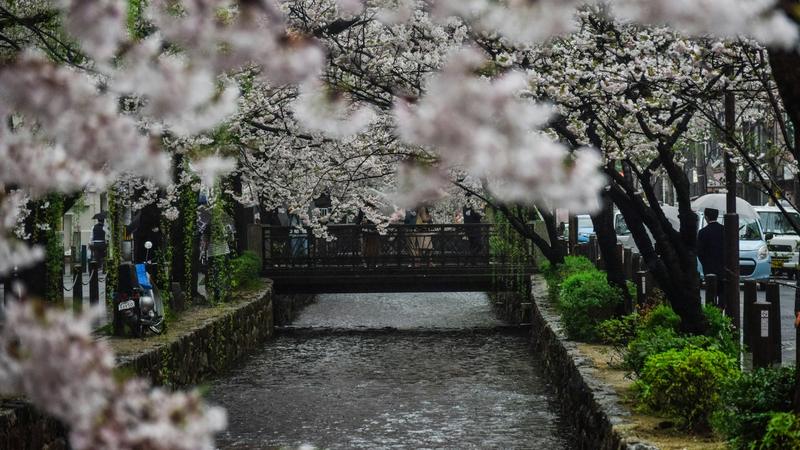
Four booking windows, the order to book in, and what to do when you are already late for the week you wanted.
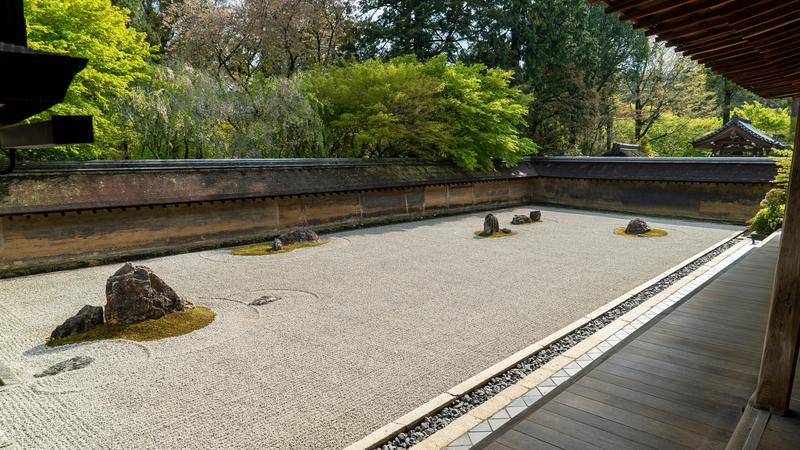
Which days are better with a guide, which are worse, and what separates one worth booking from one who holds the qualification.
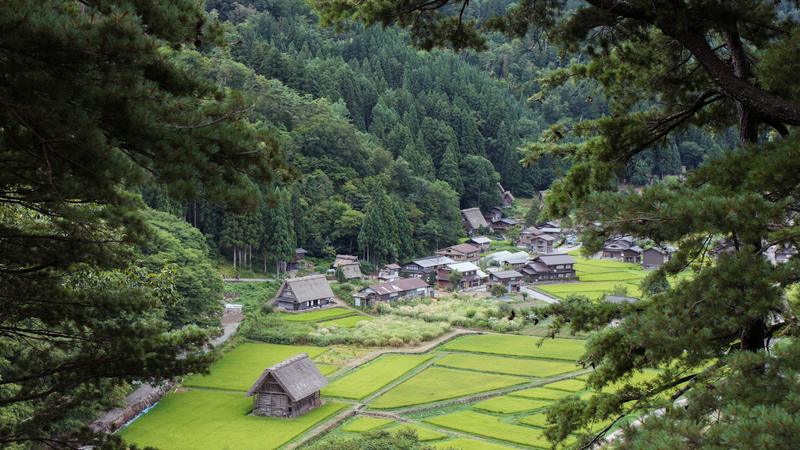
Why the golden route is right for first-timers, what shifts on the second trip, and how STAYGO unlocks access that wasn't available before.
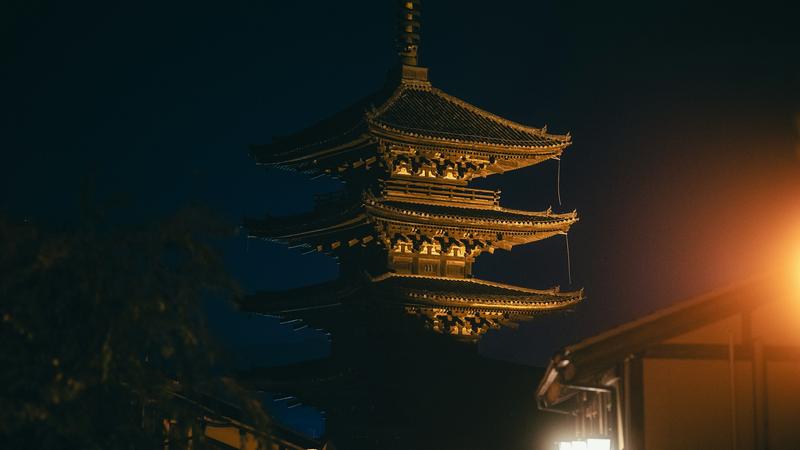
What the tourism surge has closed to casual visitors, what remains accessible, and how to experience the quieter Kyoto behind it.
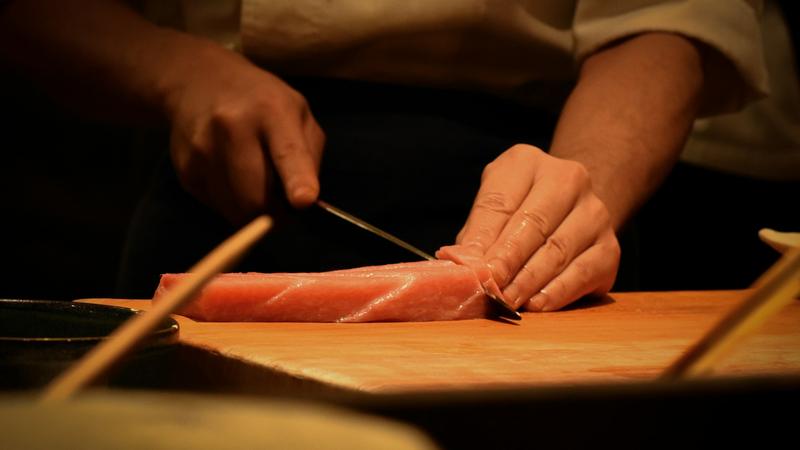
From apps anyone can use to counters that require an introduction: the honest guide to Japan's restaurant booking system.
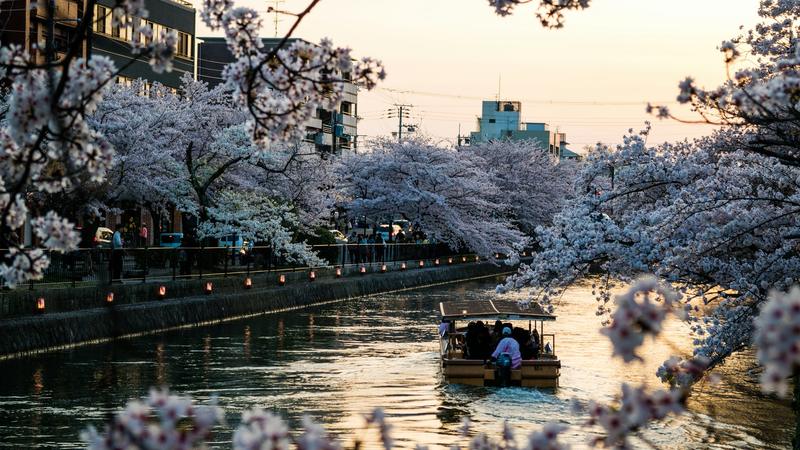
Cherry blossom peaks for 5–10 days per place, late March to early April. Autumn colour usually starts mid-October and reaches Kyoto in late November. What to book first.
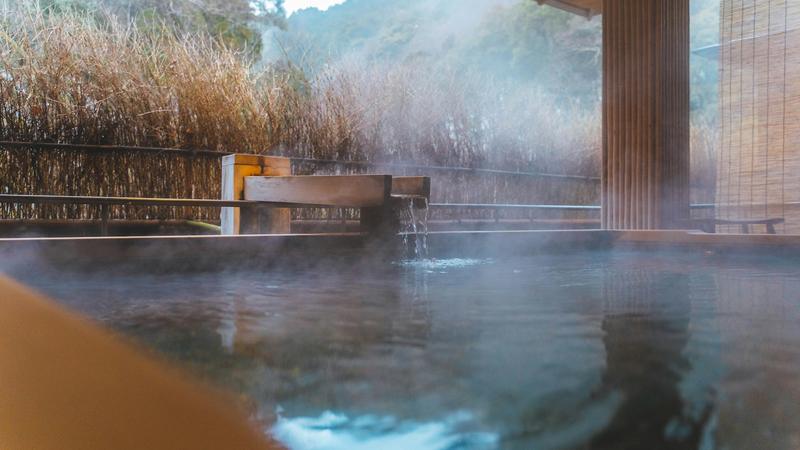
A guide to onsen in Japan: the three ways to bathe, the etiquette, five spring towns worth planning around, and how private baths are arranged.
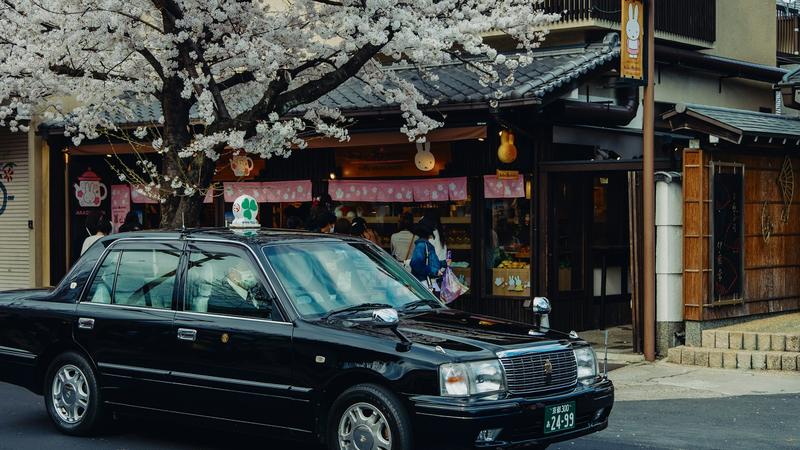
From Alphard hire cars to private helicopters over Mount Fuji: the transport options that define a high-end Japan trip.
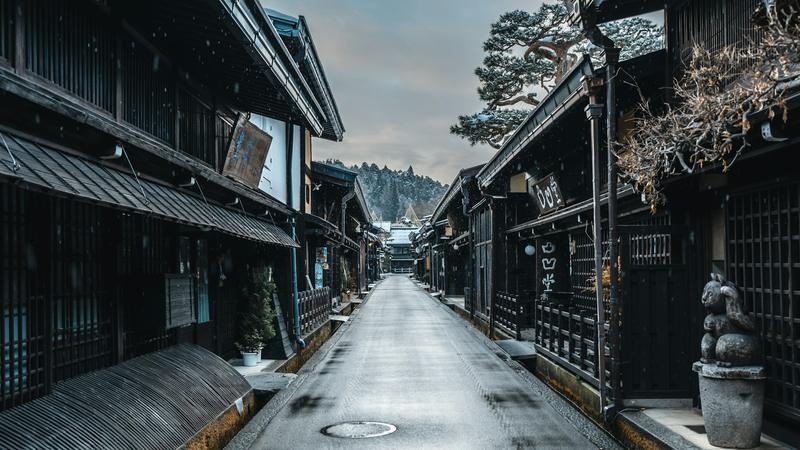
Tokyo and Kyoto are at peak saturation. Where to go instead, from Nikko to the Sanin Coast, and which months bring fewer visitors to Japan.
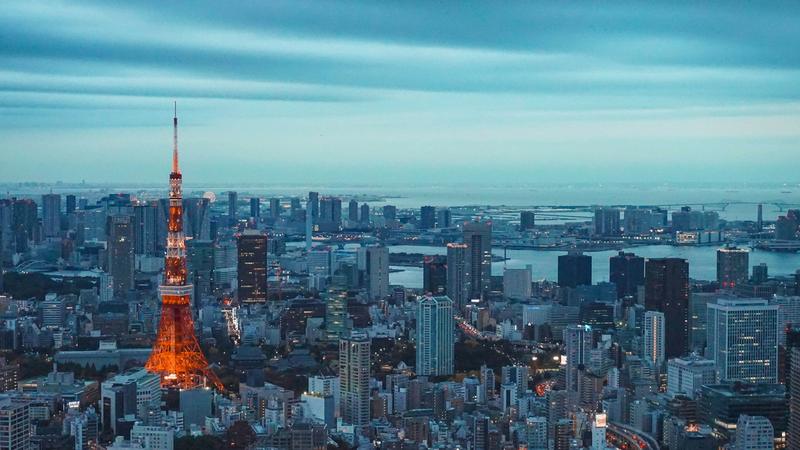
The yen remains weak by historical standards. What that means for a trip to Japan, where it helps, and why it is not a reason to rush.
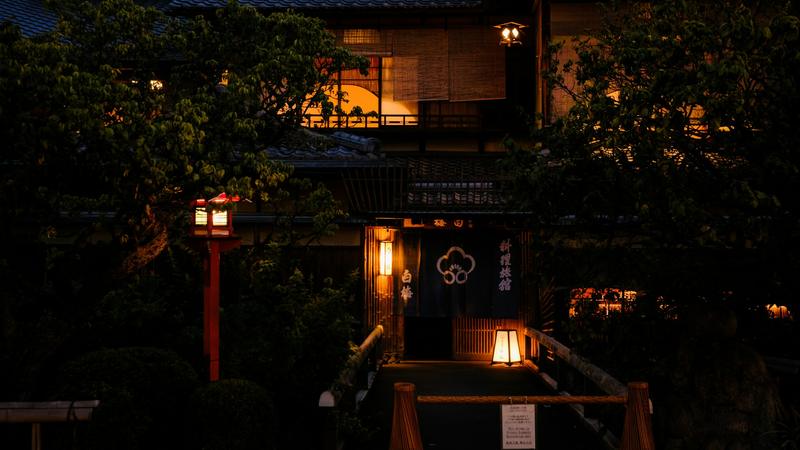
Ryotei, temples, gardens, artisan studios and museums that work by application, introduction or request, and how each one receives guests.
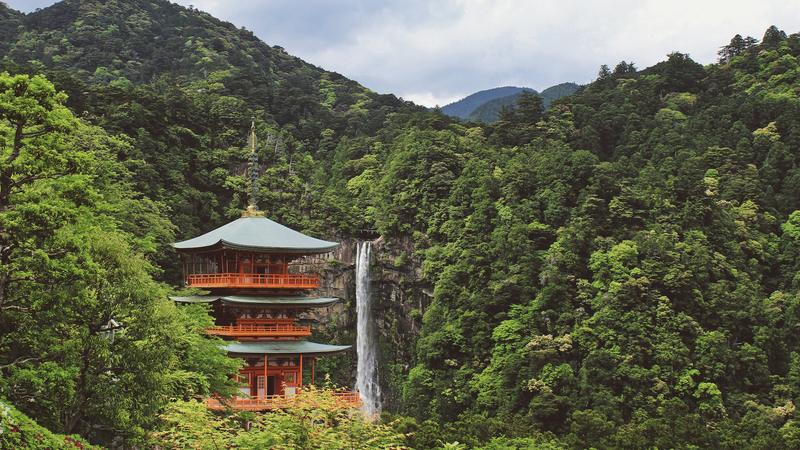
Nikko, Okinawa, Noto Peninsula, the Sanin Coast, and the Seto Inland Sea: why Japan's next luxury destinations are drawing visitors who have already done Tokyo and Kyoto.
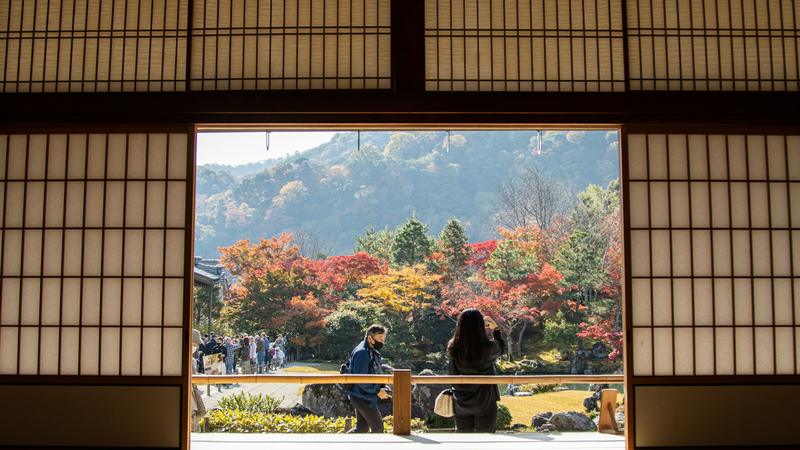
Entry, etiquette, currency, transport, dress codes, and the language barrier: everything a first-time luxury traveller needs to know before arriving.
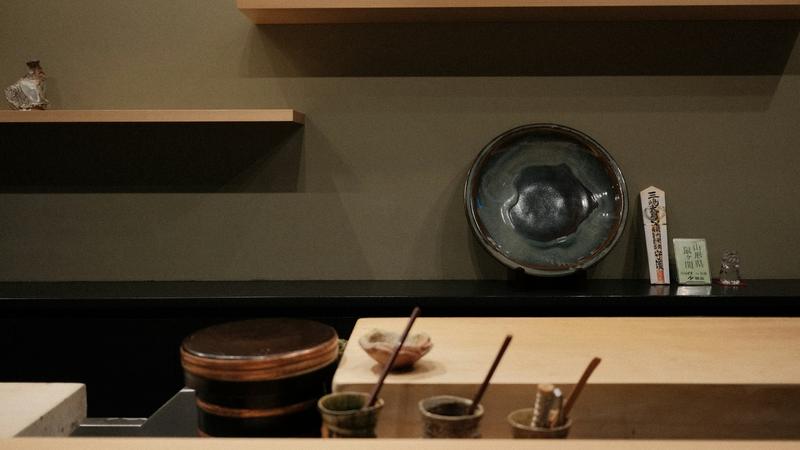
Many of Tokyo's most sought-after restaurants give priority to regulars and introductions. How the system works, and what it means for planning a trip.
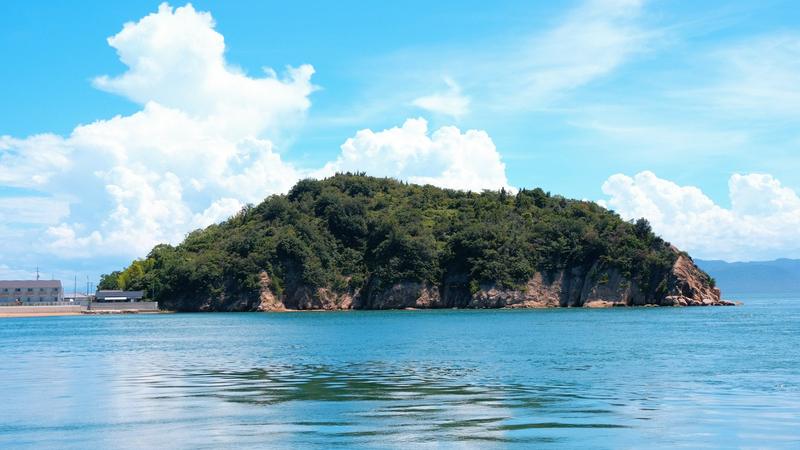
Teshima Museum, Inujima Seirensho, and Naoshima's Chichu: three islands forming one art trail across the Seto Inland Sea. And why off-Triennale years are the best time to visit.
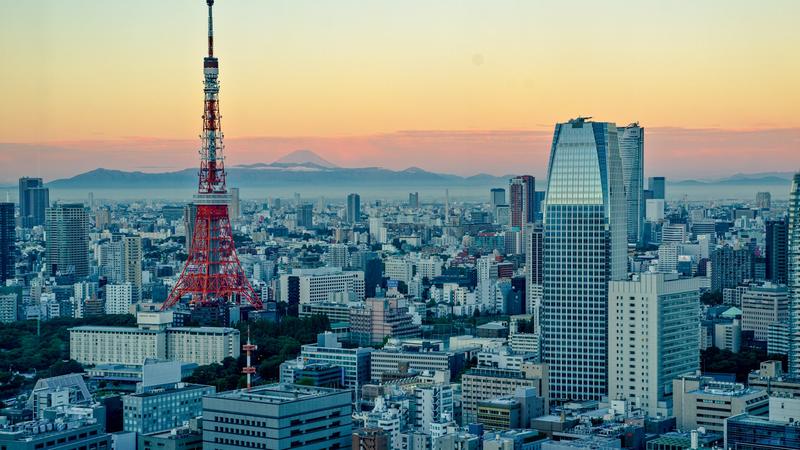
Private car hire, Hakone day trips, early-morning Tokyo, and the 72-hour framework: how to make a business trip to Tokyo genuinely worth taking.
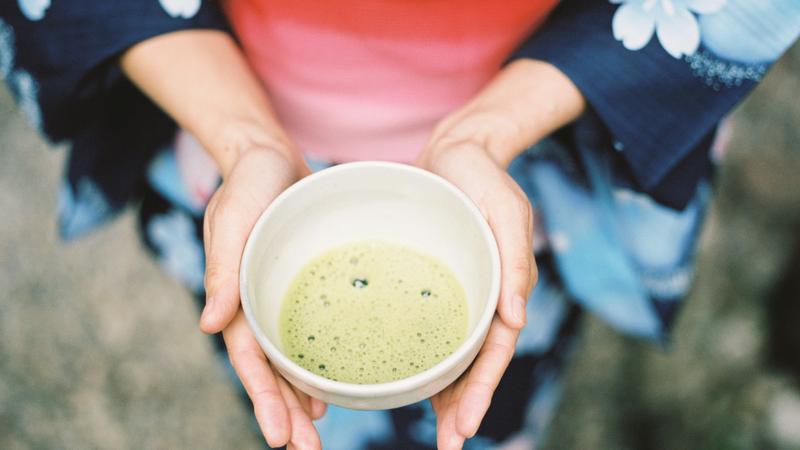
The concept goes well beyond politeness. Here's what anticipatory, invisible hospitality actually looks like: in a ryokan, at a kaiseki counter, and why it transcends language.
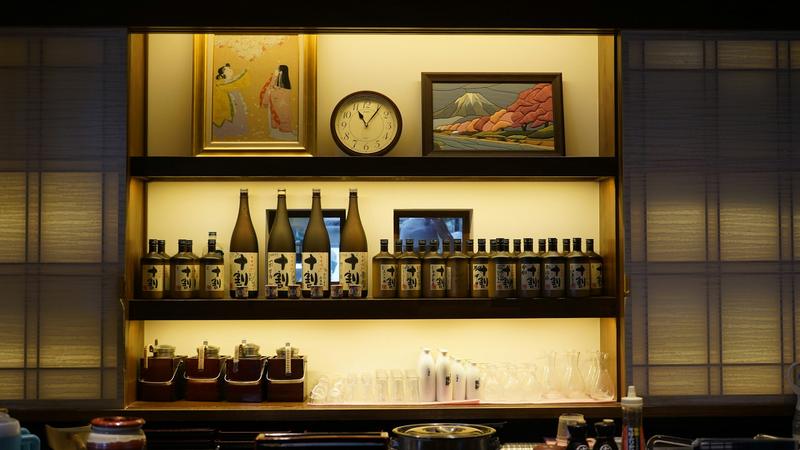
Yamazaki, Yoichi, the craft distilleries that followed them, and the sake breweries of Fushimi. What each opens to visitors, and how a tasting visit in Japan is planned.
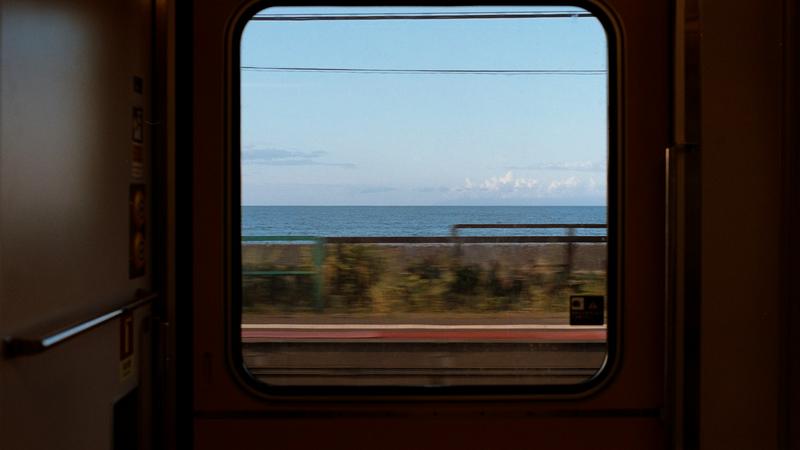
JR West lists Mizukaze fares for March to June 2027 at ¥385,000 to ¥1,490,000 per person, two to a room. How the lottery works for all three trains.
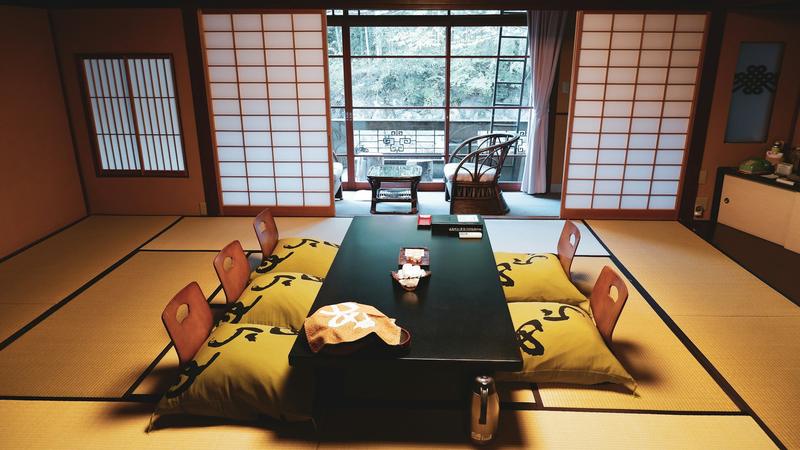
A clear-eyed guide to Japan's ryokan tiers: what separates a Tier 1 property from a solid Tier 2, and why a private rotenburo matters most.
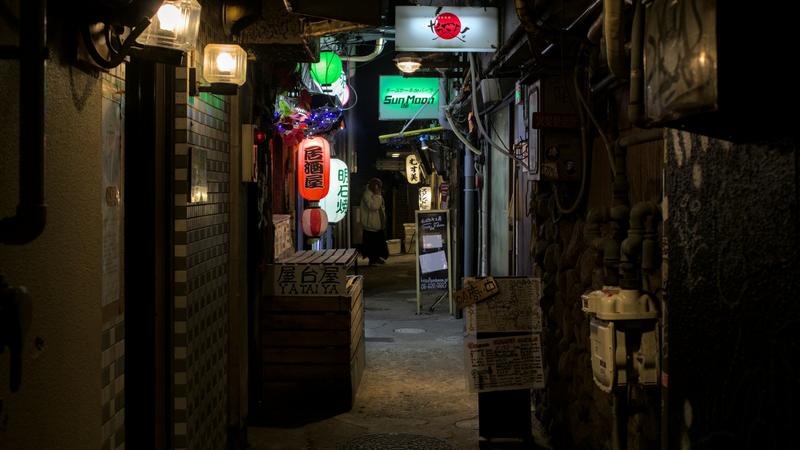
Dotonbori is the city's postcard. Kitashinchi kappo counters, serious kushikatsu and a food culture to set beside Tokyo's are found elsewhere.
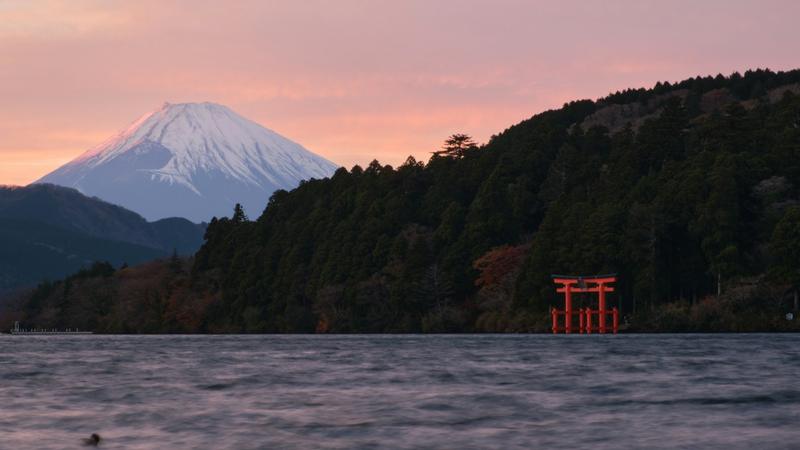
A night in Hakone: three places to stay, the Open Air Museum and the Pola Museum, the Owakudani ropeway, and how to plan around the Fuji view.
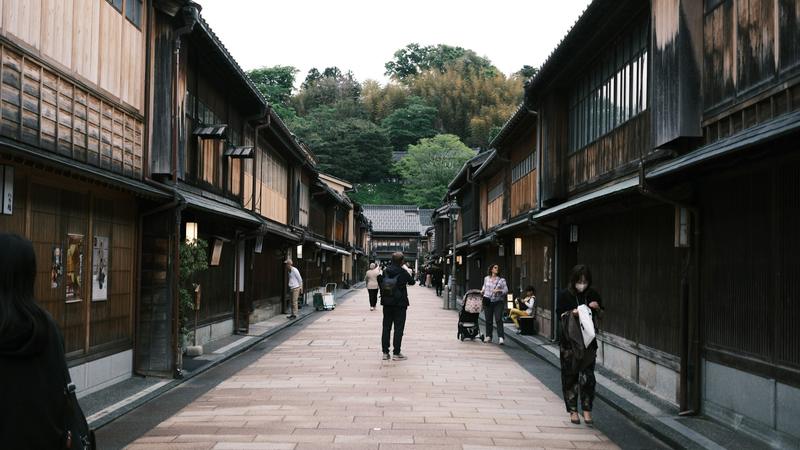
Kanazawa, the old castle town of the Maeda lords, is now connected by Shinkansen and quieter than the busiest stops on the standard tourist circuit.
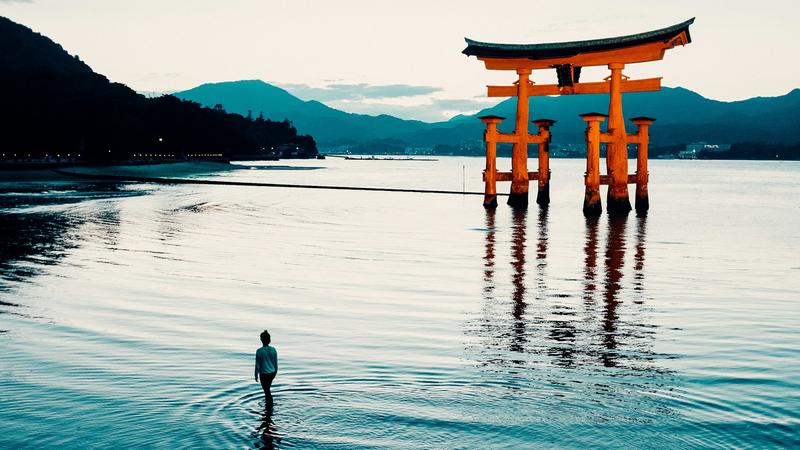
Hiroshima beyond the museum: oysters, Hiroshima-style okonomiyaki, and Miyajima's torii timed to the tide, with a night on the island.
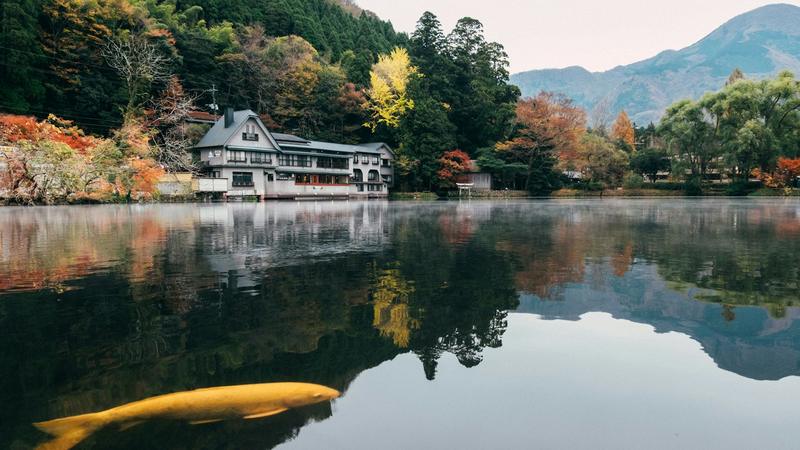
Beppu's ancient hot springs, Kagoshima's black pork and active volcano views, and Yufuin's understated ryokan culture: Kyushu offers a complete Japan experience far from the tourist mainstream.
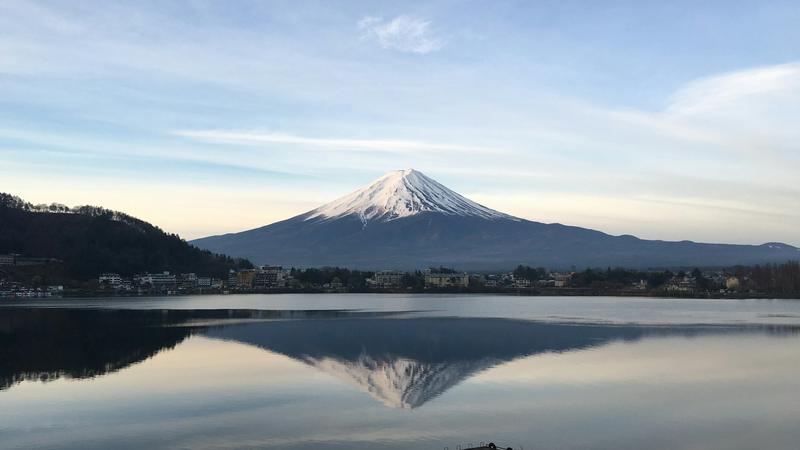
Seeing Mount Fuji well comes down to the viewpoint, the hour and the season: where to stand, when to arrive, and when the air is usually clearest.
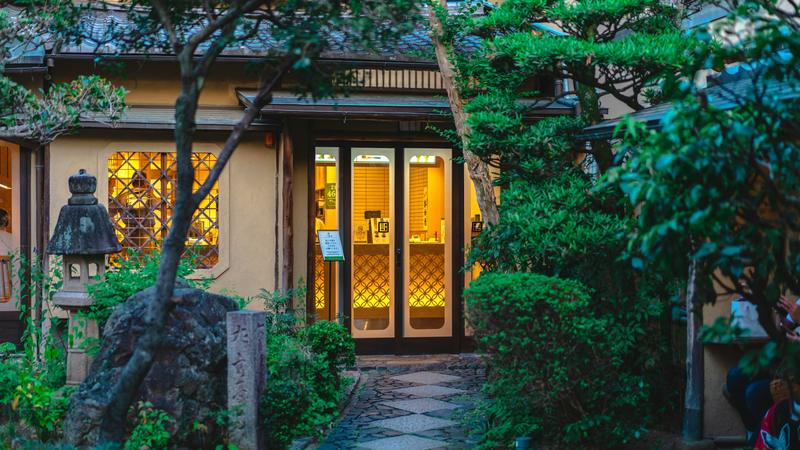
From Ginza flagship atelier appointments to Kyoto lacquerware and Arita porcelain from the kiln: what STAYGO arranges for clients who want to bring home something genuinely significant.
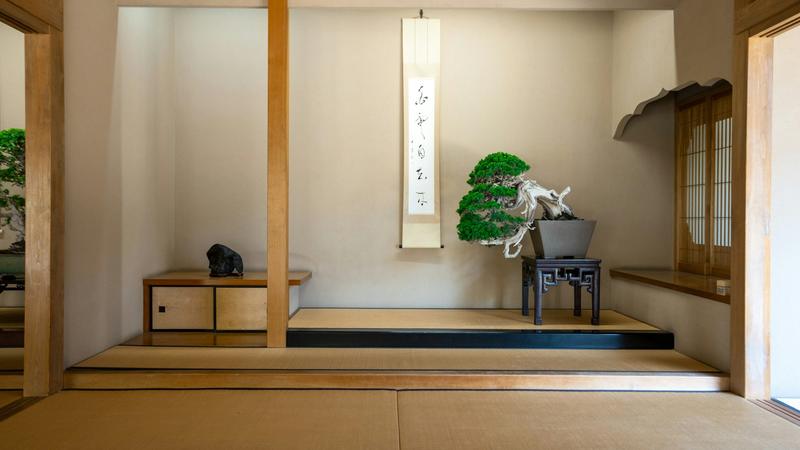
Onsen rules, ryokan customs, tipping etiquette, temple protocol: the customs worth knowing before you arrive in Japan.
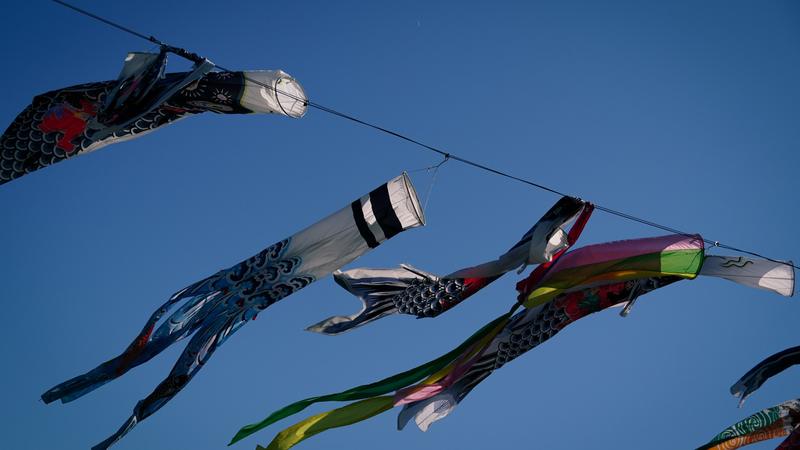
Golden Week, Obon, Silver Week, New Year. Japan's four blackout periods explained, plus the quieter windows between them.
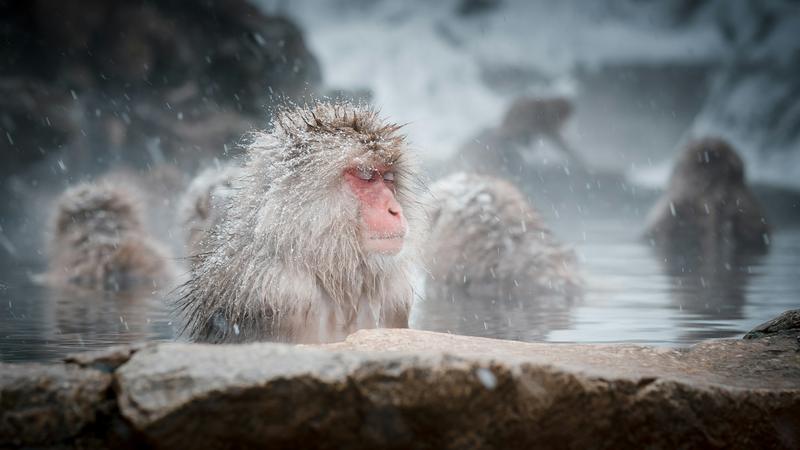
Winter in Japan: fewer crowds, atmospheric snow landscapes, Tohoku sake country, Hokkaido powder, and Nagano's snow monkeys in the early morning.
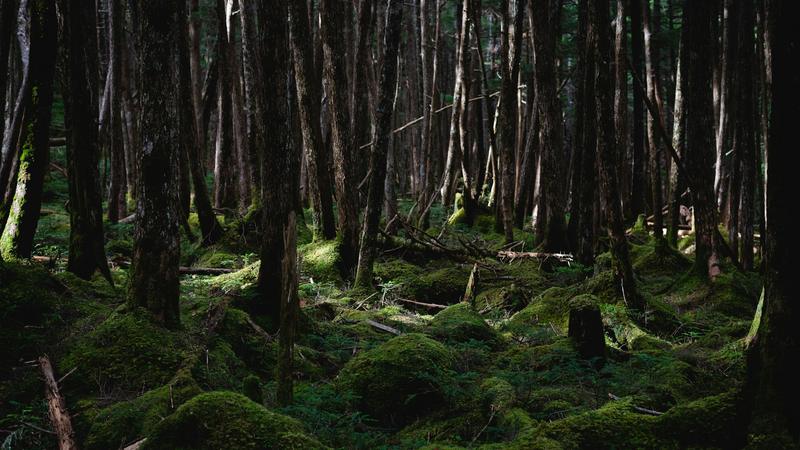
Shinrin-yoku in Yakushima's ancient cedar forest, Kusatsu's outdoor megabath, a silent retreat in Koyasan: Japan's wellness landscape extends well beyond what any hotel offers.
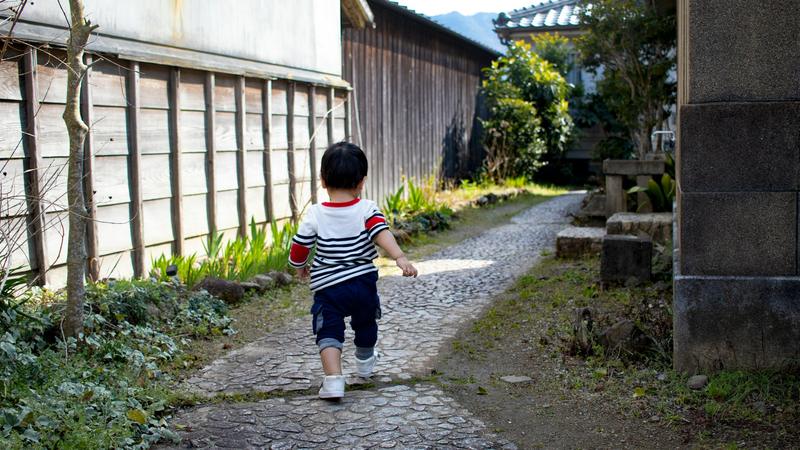
Japan with children and grandparents: how to pace the days, which ryokan suit families, and what teenagers turn up for.
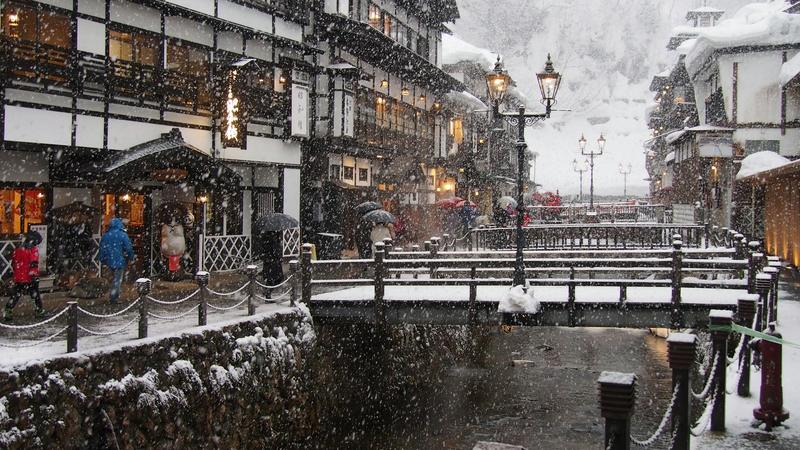
Tohoku sits north of Tokyo, two hours by shinkansen, and receives a fraction of the visitors that descend on Kyoto. Ginzan Onsen in snow, empty temples, and a food culture that rivals anywhere in Japan.