For a first visit to Kyoto, stay in Higashiyama and Gion if you want to walk out of the hotel into the old city, or in central Kyoto, between Karasuma and the Kamo River, if you want restaurants on foot and the subway at hand. Both are 10 to 15 minutes by car from Kyoto Station, going by the hotels' own access pages. Kyoto Station suits one night before an early train or flight, Okazaki suits a slower second visit, and Arashiyama suits one or two nights at the end of a stay, 15 to 20 minutes from Kyoto Station on the JR line.
Below, each area is set out with who it suits, who it does not, how long it takes to reach, and the luxury hotels and ryokan we would ask about there. We checked every room count, size, access time and house rule on the property's own website, and Kyoto City's accommodation tax on the city's website, on October 14, 2026. The sources are listed at the end.
Key points
- First visit, three nights or fewer: one base, in Higashiyama and Gion or in central Kyoto. Four nights: the same base for three, then one night in Arashiyama or a ryokan.
- Kyoto Station is the most practical base on the map and the least like Kyoto outside the window. Hotel Granvia Kyoto is inside the station, and the Haruka reaches it from Kansai Airport in about 75 minutes.
- Okazaki and Nanzen-ji are calm and green, with Keage station on the Tozai line about 15 minutes by subway from Kyoto Station, and fewer restaurants within walking distance.
- Kyoto's accommodation tax rose on March 1, 2026: ¥1,000 per person per night from ¥20,000, ¥4,000 from ¥50,000 and ¥10,000 from ¥100,000, measured on the room and service charge.
- Some hotels include the tax in the rate and some add it at check-out, and one hotel page we read still showed the old rates. Ask which applies before comparing two quotes.
THE AREAS AT A GLANCE
Kyoto is compact, so the choice of area comes down to what is outside the door at 7 in the morning and at 10 at night. The table gives the short answer for each area; the sections after it give the detail.
| Area | Suits | Less suited to | To Kyoto Station | Hotels and ryokan we would ask about |
|---|---|---|---|---|
| Higashiyama and Gion | First visits, early walks in the old streets, evenings in Gion | Guests who want quiet streets at midday in spring and autumn | 10 to 15 minutes by car | Four Seasons Hotel Kyoto, The Shinmonzen |
| Central Kyoto, Karasuma to Kawaramachi | First visits, food, shopping, rainy days, the subway | Guests who want a garden or a view of the hills | 15 minutes by taxi; 6 minutes on the Karasuma line to Karasuma-Oike | Hiiragiya |
| Kamo River and Nijo | Couples, a river walk at either end of the day, Nijo Castle | Guests who want to step straight into the lanes of Higashiyama | About 15 minutes by car to The Mitsui | The Ritz-Carlton Kyoto, Hotel The Mitsui Kyoto |
| Kyoto Station | One night before an early train or flight, day trips to Nara and Osaka | A whole first stay | In the station or 2 minutes on foot | Hotel Granvia Kyoto, The Thousand Kyoto |
| Okazaki and Nanzen-ji | Second visits, gardens and museums, early nights | Guests who want dinner on foot every evening | About 15 minutes by subway to Keage; 25 minutes by car | The Westin Miyako Kyoto, Hotel Okura Kyoto Okazaki Bettei |
| Arashiyama | One or two nights on the river, early mornings before the day visitors | A first stay of three nights or fewer | 15 to 20 minutes on the JR San-in line | Hoshinoya Kyoto |
| Takagamine, northwest | A retreat in a forest garden, a second or third visit | Guests who want to walk into the city at night | 30 minutes by car | Aman Kyoto |
Times are those given by each hotel on its own access page. Taxi times in Kyoto stretch at the busy hours of spring and autumn, so the gap between a station hotel and a Higashiyama hotel is larger in practice on a Saturday in November.
HIGASHIYAMA AND GION
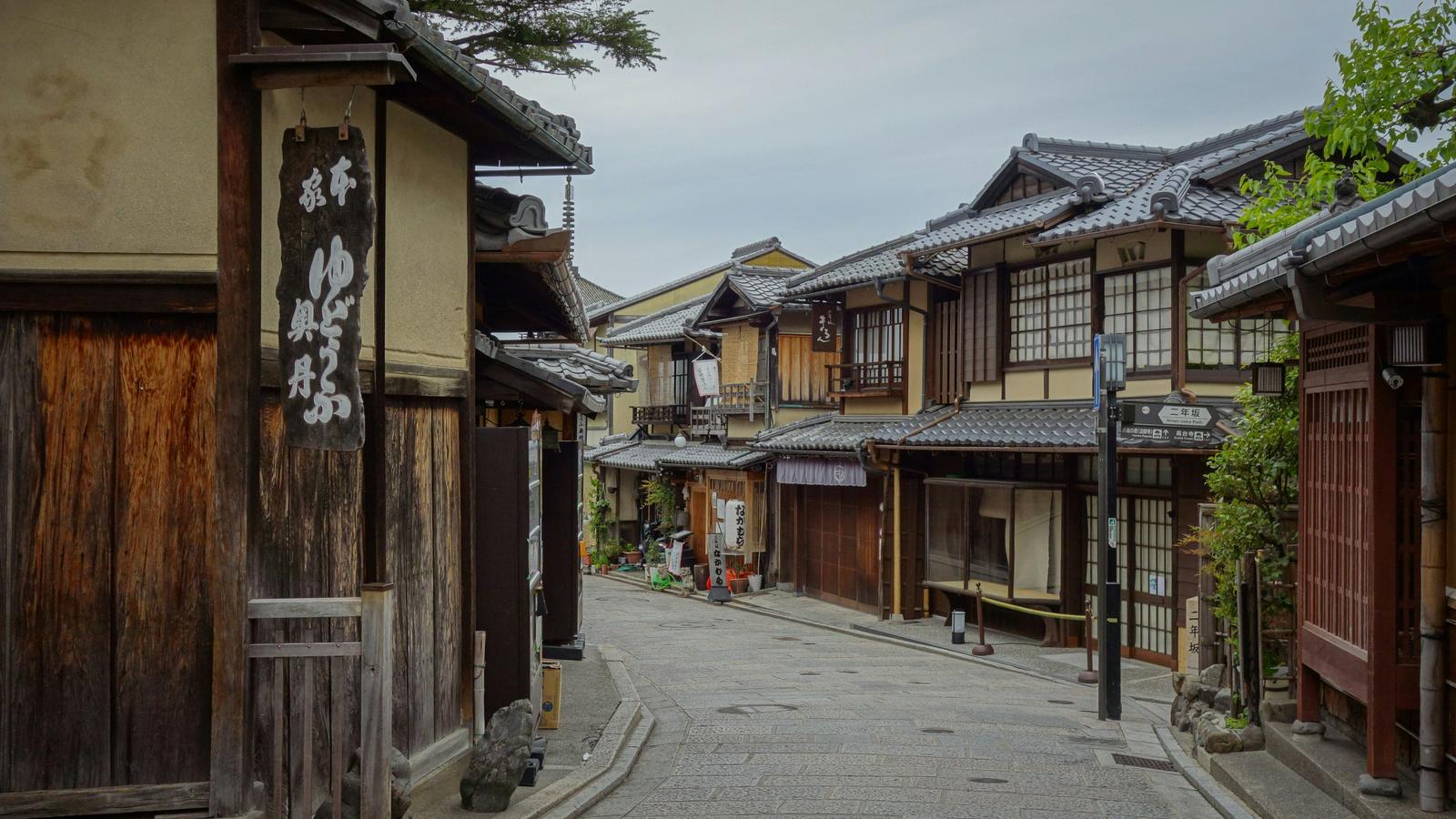
This is the Kyoto of the photographs: the stone lanes up to Kiyomizu-dera, Yasaka Shrine, the wooden teahouse fronts of Gion and the Shirakawa canal. Staying here means you can be on those streets at 7 in the morning, before the tour coaches, and walk back to the hotel at midday when they fill. For most first visits, that alone settles the choice.
The drawback is the same streets. From late morning to late afternoon in spring and in November, the lanes below Kiyomizu-dera are crowded, and taxis move slowly along Higashioji-dori. A hotel in the south of the area, set back from the lanes, gives you the mornings without the noise. How to plan the sightseeing itself around the crowds is in how to avoid the crowds in Japan in 2026.
Four Seasons Hotel Kyoto
The hotel stands in the south of Higashiyama around Shakusui-en, a pond garden the hotel dates to the 12th century. It has 110 guest rooms, 48 of which interconnect, and 13 suites, with 57 private residences in the same grounds. The hotel gives Kyoto Station as 10 minutes by car, which makes it the easiest Higashiyama address for the day you arrive by Shinkansen. Interconnecting rooms in that number make it the most practical choice in the area for a family. Rates are not published on the official site we could read; they are quoted when we ask for your dates.
The Shinmonzen
Nine suites on Shinmonzen-dori, the antiques street that runs beside the Shirakawa in Gion. The suites run from 40 m² to 80 m², and each looks over the Shirakawa from a balcony. The hotel gives Kyoto Station as about 15 minutes by car and Kansai Airport as about 90 minutes, and arranges the car itself. With nine suites in all, the one you want goes early in spring and autumn. It suits travellers who want Gion at night outside the door.
CENTRAL KYOTO AND THE KAMO RIVER
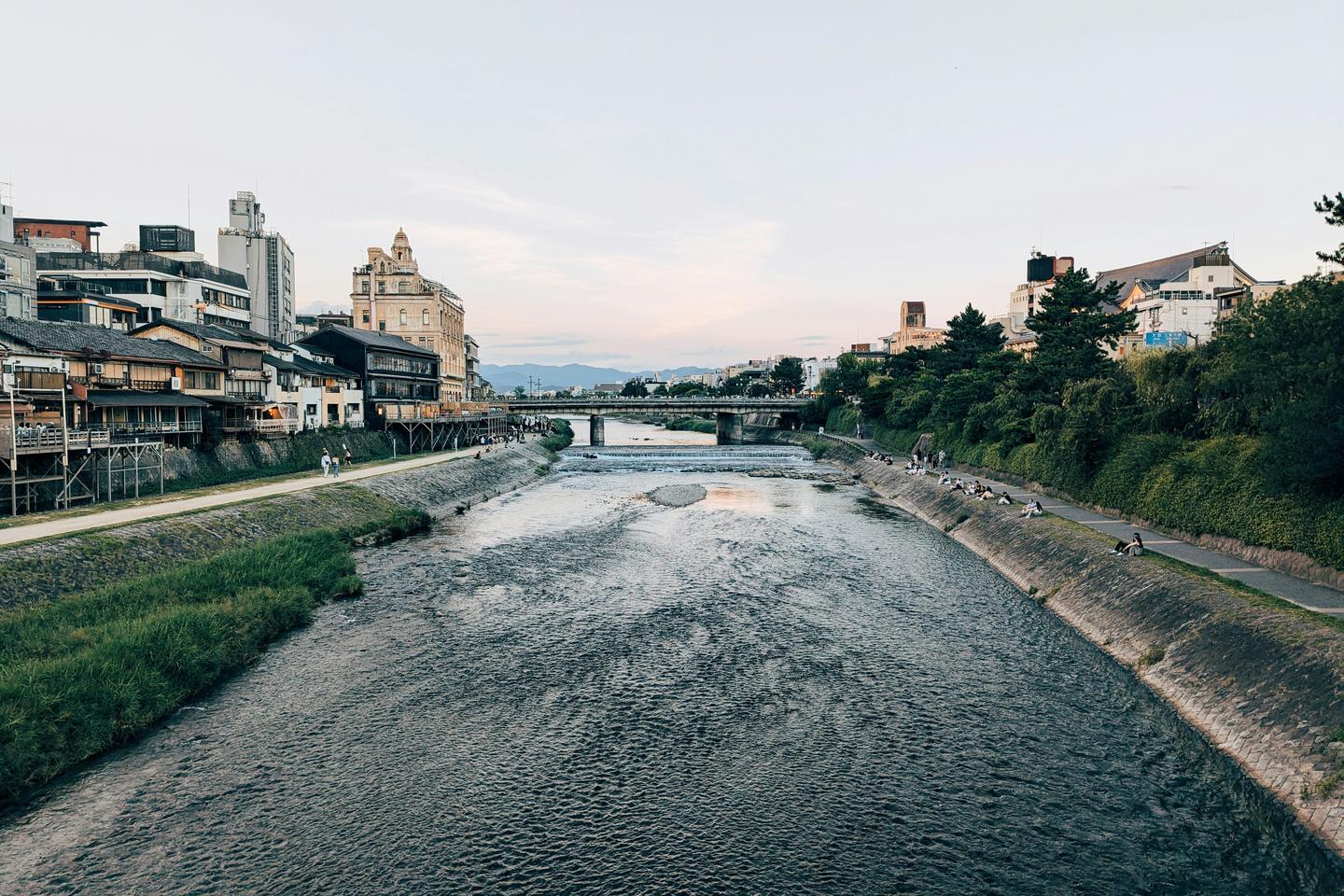
Between Karasuma-dori in the west and the Kamo River in the east lies the grid of streets where Kyoto lives day to day: Nishiki Market, Teramachi and Shinkyogoku, the department stores of Shijo, and a great many of the counters and kaiseki rooms where our guests dine. Two subway lines cross at Karasuma-Oike, and the Keihan line runs along the river to Gion-Shijo and on to Fushimi. Of all the areas in this article, this is the one where you can walk to the most dinners.
It is less picturesque than Higashiyama, and the hotels here look onto streets. For a first visit of three nights or fewer, many travellers find that trade worth it: Higashiyama is across the river, and every evening has many choices within reach on foot.
Hiiragiya
Hiiragiya has received guests since 1861, on Fuyacho-dori in Nakagyo, and the same family has owned it for generations. There are 16 rooms in the Main Building, kept in the sukiya style of a tea house, and 7 in the New Wing, from 31 m² to 97 m². Each room has its own bath made of koyamaki, Japanese umbrella pine. Dinner and breakfast are included: kaiseki at 18:00 or 19:00, breakfast at 8:00 or 9:00. Check-in is 15:00 and check-out 11:00. The inn asks to be told in advance about children under 12, and it charges Kyoto's accommodation tax separately. Kyoto Shiyakusho-mae station on the Tozai line is a 5 minute walk, and the inn gives Kyoto Station as 15 minutes by taxi.
A ryokan of this kind asks something of its guests: a fixed dinner hour, tatami rooms, and shoes left at the door. If you have not stayed in one before, how to choose a ryokan in Japan explains what to expect, and it may suit two nights of a longer stay better than a whole one.
The Ritz-Carlton Kyoto
On the bank of the Kamo River at Nijo-Ohashi, with Gion and Teramachi within walking distance and Kyoto Shiyakusho-mae and Sanjo stations nearest. The hotel has 134 rooms and suites, and states that Kyoto's accommodation tax is included in its rate. We wrote about its river suites in our luxury honeymoon itinerary, so we do not repeat that here.
Hotel The Mitsui Kyoto
The Mitsui stands beside Nijo Castle, west of the centre, with 160 rooms. Rooms start at 43 m² for a Deluxe Room; the suites run to 213 m², and the Onsen Suite has its own outdoor bath fed by the hotel's own hot spring. There is a thermal spring spa for all guests. Nijojo-mae station on the Tozai line is a 3 minute walk, Karasuma-Oike is 10 minutes on foot, and the hotel gives Kyoto Station as about 15 minutes by car. Its terms let you occupy the room from 15:00 until noon, and a cancellation after 15:00 the day before costs the full night. Rates are quoted when we ask for your dates.
KYOTO STATION
The area round Kyoto Station is the easiest place in the city to arrive and leave. The Shinkansen, the Haruka to Kansai Airport, the JR line to Nara and the Karasuma subway all start here. The streets around it are offices, hotels and the station building itself.
We put travellers here for one night, usually the last, before an early Shinkansen or a morning flight from Kansai. We rarely suggest it for a whole first stay. Every outing to Higashiyama, and every ride back after dinner in Gion, starts with a taxi, and over three or four days that time comes out of the mornings and evenings that make Kyoto worth the trip.
Hotel Granvia Kyoto
Hotel Granvia Kyoto is inside the station building, by the JR Central Gate and the taxi stand; the main lobby is on the second floor, up the escalator on the right of the gate. The hotel gives Kansai Airport as about 75 minutes by the Haruka limited express, and Itami as about 55 minutes by airport bus to the Hachijo exit. For a 7:00 Shinkansen, there is no closer bed.
The Thousand Kyoto
About 2 minutes on foot east of the JR Central Gate, with a spa on the third floor that has a hot bath, a bedrock bath, treatments and a fitness room. Check-in is 15:00 and check-out 12:00, which lets the last morning run late for an afternoon train.
OKAZAKI AND NANZEN-JI
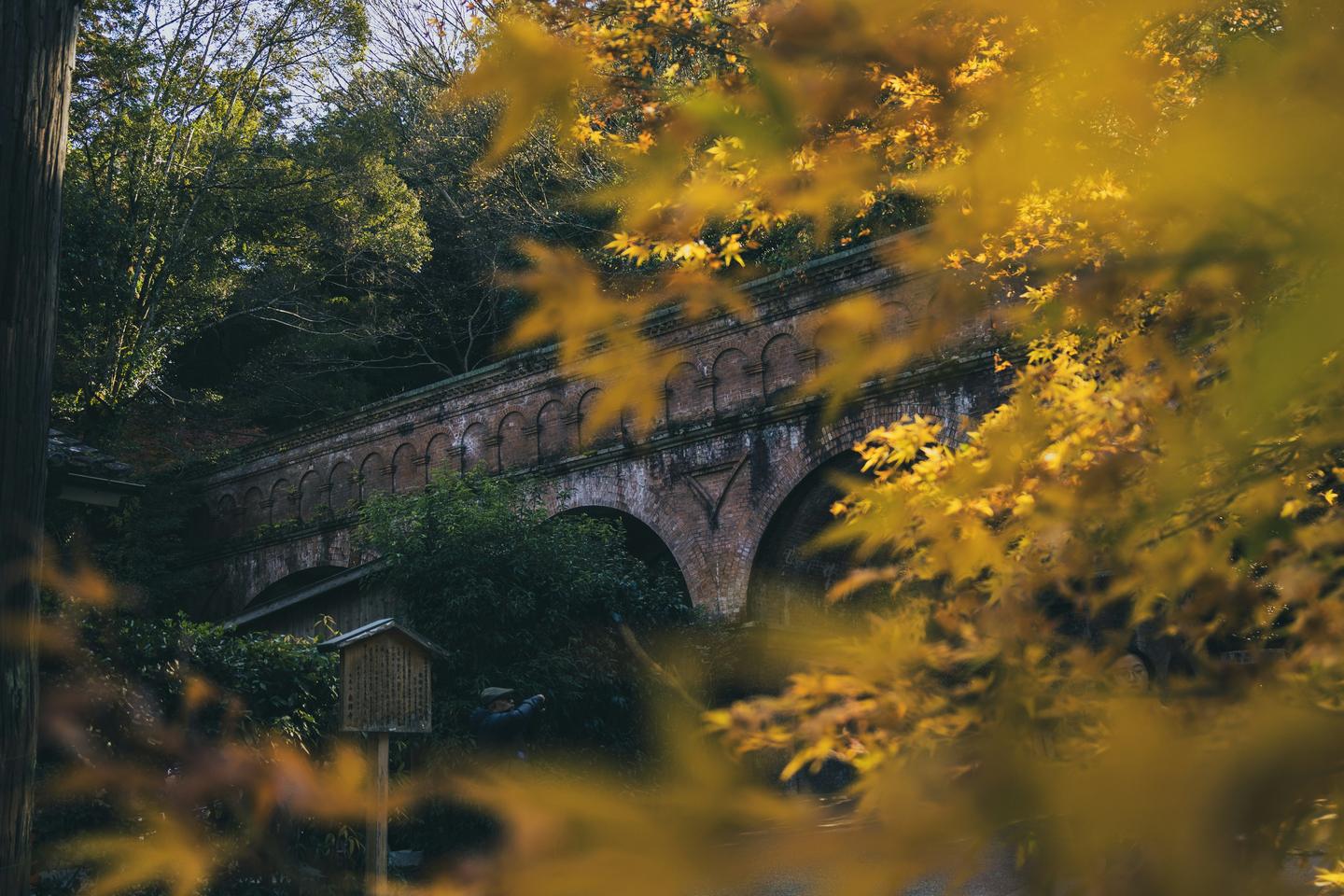
East of the river and north of Gion, Okazaki is the city's museum quarter, laid out round Heian Shrine, with the canal from Lake Biwa running through it. Nanzen-ji, the Keage incline and the start of the Philosopher's Path are a walk away. The streets are wide and green and, after dark, very quiet.
That quiet is the reason to choose it and the reason not to on a first visit. There are fewer restaurants within walking distance than in the centre or Gion, so most evenings begin with a taxi. For a second visit, or for a guest who wants gardens in the morning and an early night, it is the calmest address in the city that is still inside it. The northeast of Kyoto, beyond Nanzen-ji, is covered in Kyoto in 2026: what has changed.
The Westin Miyako Kyoto
The hotel stands on the hillside at Keage, a 2 minute walk from Keage station on the Tozai line, which the hotel gives as about 15 minutes by subway from Kyoto Station. It also runs a free bus from the Hachijo exit of Kyoto Station. Check-in is 15:00 and check-out 12:00. Its spa, SPA Kacho, uses the natural hot spring of Kyoto Keage Onsen; the hotel has announced that the spa will close for maintenance in January 2027, which matters if you are travelling then for the spa. The hotel also keeps Kasuien, a Japanese annex in the sukiya style, which we ask about for guests who want a ryokan room with a hotel's services behind it.
Hotel Okura Kyoto Okazaki Bettei
Sixty rooms over four floors beside the Okazaki Betsuin temple, with the suites and some rooms looking over the temple's Japanese gardens. The hotel gives Kyoto Station as about 25 minutes by car, Keage station as a 14 minute walk and the Okazaki-Jinja-Mae bus stop as a 1 minute walk. It adds a 15% service charge and 10% consumption tax to the room. The service charge counts toward the accommodation tax band, which we explain below.
ARASHIYAMA AND THE NORTHWEST
Arashiyama lies at the western edge of the city, where the Oi River comes out of the mountains. By day the bridge, the main street and the bamboo grove are some of the busiest places in Kyoto. In the early morning and after the last day visitors leave, they are quiet, and staying the night is the only way to see them that way.
It is a poor base for a first stay of three nights or fewer. Hoshinoya Kyoto gives the JR San-in line from Kyoto Station to Saga-Arashiyama as 15 to 20 minutes, and from there it is 15 minutes on foot or 5 by taxi to its boat landing. Gion, the centre and Higashiyama are all on the other side of the city. As one or two nights at the end of a longer stay, it changes the pace of a trip.
Hoshinoya Kyoto
Twenty-five rooms on the Oi River, reached by the hotel's own boat. We covered the rooms, the boat times and dinner in detail in our luxury honeymoon itinerary. For a first visit, the point to know is that the last boat sets the latest time you can arrive, so the day you move to Arashiyama should not end with a late lunch in Gion.
Aman Kyoto
Further north, at Takagamine, Aman Kyoto stands in a forest garden 30 minutes by car from Kyoto Station, by the hotel's own figure, and about two hours from Kansai Airport. It is a place to stay for the garden and the stillness, and it suits a second visit better than a first, when you will want to be in the city most evenings.
KYOTO ACCOMMODATION TAX FROM MARCH 2026
Kyoto City raised its accommodation tax on March 1, 2026. It is charged per person per night, and the band is set by the room charge per person including any service charge, before meals and before consumption tax.
| Room and service charge per person per night | Tax per person per night |
|---|---|
| Under ¥6,000 | ¥200 |
| ¥6,000 to under ¥20,000 | ¥400 |
| ¥20,000 to under ¥50,000 | ¥1,000 |
| ¥50,000 to under ¥100,000 | ¥4,000 |
| ¥100,000 or more | ¥10,000 |
Two things follow for a luxury stay. First, the service charge counts. A room at ¥90,000 for two is ¥45,000 per person, in the ¥1,000 band; with a 15% service charge it becomes ¥51,750 per person, and the tax becomes ¥4,000 each, or ¥8,000 a night for the two of you. Second, hotels show it differently. The Ritz-Carlton Kyoto includes the tax in its rate, Hiiragiya charges it separately, and Hotel Okura's page still listed the earlier rates when we read it on October 14, 2026. When we compare hotels for you, we put every quote on the same basis, tax and service included.
HOW MANY NIGHTS AND WHERE
The number of nights decides more than the budget does. Every move between hotels in Kyoto costs a morning or an afternoon, so the shorter the stay, the stronger the case for one base.
Two nights
One hotel, in Higashiyama and Gion or in central Kyoto. With one full day, you want to step out of the door into the city. Arrive by early afternoon so the first evening is a walk and dinner, and keep the full day for one area in the morning and one in the late afternoon.
Three nights
Still one base. Choose Higashiyama and Gion if the early-morning lanes and the temples are what you came for, and central Kyoto or the Kamo River if dinners and the markets matter as much. Three nights in one place gives you two full days and an unhurried last morning.
Four nights
Three nights in the same base, then one in Arashiyama or a ryokan such as Hiiragiya, so the stay ends somewhere slower. If you prefer not to move at all, four nights at the Kamo River or in Okazaki works well, with one day trip to Nara from Kyoto Station. A fifth night is where a second base starts to earn its move. How Kyoto fits into a first trip of 7 or 14 days is set out in your first trip to Japan, planned from Tokyo.
- Arriving by Shinkansen and leaving from Kansai Airport early: add a last night at Kyoto Station.
- Travelling with children: an interconnecting room in Higashiyama, or a hotel at the Kamo River with space to walk by the water.
- Coming in late March, early April or November: hold the room first, then build the dinners around it.
Our answer for most first visits is short. Three nights or fewer, one base in Higashiyama and Gion or central Kyoto. Four or more, the same base plus one night somewhere slower.
HOW WE ARRANGE A KYOTO STAY
STAYGO plans and arranges private journeys across Japan from Tokyo. We choose the area with you from what you want your mornings and evenings to be, hold the rooms, and arrange them in your name together with the dinners, drivers and guides around them. You pay each hotel, restaurant, driver and guide directly, and we add no markup or commission to any of it. Our Signature plan is USD 3,500 for your group for a journey of 7 to 14 days; longer or more involved journeys are Bespoke, priced with you.
SOURCES AND HOW WE CHECKED
We read each property's own website, and Kyoto City's page on the accommodation tax, on October 14, 2026. We did not contact the properties. Travel times are the ones each hotel gives for itself. Where a hotel's official site did not show a figure, such as a rate or a room count, we left it out. We did not use figures from booking sites, guidebooks or press coverage.
- Kyoto City, accommodation tax: rates from March 1, 2026, the tax base and exemptions
- Kyoto City, accommodation tax questions for operators: how a room charge is divided between the guests in it
- Four Seasons Hotel Kyoto, hotel facts: rooms, suites, residences, the garden and the drive to Kyoto Station
- The Shinmonzen, suites: number of suites, sizes and views
- The Shinmonzen, access: drive times from Kyoto Station and Kansai Airport
- Hiiragiya, introduction: history of the inn
- Hiiragiya, rooms: room sizes and baths
- Hiiragiya, information: room count, meals, check-in, children, accommodation tax
- Hiiragiya, access: stations and taxi time
- The Ritz-Carlton Kyoto: location, room count, check-in and accommodation tax
- Hotel The Mitsui Kyoto: room count, spa and access
- Hotel The Mitsui Kyoto, rooms and suites: room sizes and the Onsen Suite
- Hotel The Mitsui Kyoto, accommodation terms: hours of occupancy and cancellation
- Hotel Granvia Kyoto, access: position in the station and airport times
- The Thousand Kyoto: walk from the station, spa, check-in and check-out
- The Westin Miyako Kyoto: access, check-in, the spa and its closure in January 2027
- Hotel Okura Kyoto Okazaki Bettei: room count, access, service charge and the tax rates shown
- Hoshinoya Kyoto, access: train time from Kyoto Station and the way to the boat landing
- Aman Kyoto, getting here: drive times from Kyoto Station and Kansai Airport
QUESTIONS ABOUT WHERE TO STAY IN KYOTO
What is the best area to stay in Kyoto for a first visit?
Higashiyama and Gion if you want to walk out into the old streets early in the morning, or central Kyoto between Karasuma and the Kamo River if you want restaurants on foot and the subway. Both are 10 to 15 minutes by car from Kyoto Station.
Is it better to stay in Gion or near Kyoto Station?
For most of a stay, Gion and Higashiyama. Kyoto Station is the best place for one night before an early Shinkansen or a morning flight from Kansai, and Hotel Granvia Kyoto is inside the station itself.
Is Arashiyama a good place to stay in Kyoto?
For one or two nights at the end of a longer stay, yes, as the river and the bamboo grove are quiet early and late. As the only base for three nights or fewer, it is far from Gion and the centre, 15 to 20 minutes on the JR line from Kyoto Station before the rest of the journey across the city.
How much is the accommodation tax in Kyoto in 2026?
Since March 1, 2026, it is ¥1,000 per person per night from ¥20,000, ¥4,000 from ¥50,000 and ¥10,000 from ¥100,000, measured on the room and service charge per person before meals and consumption tax.
How many nights should I stay in Kyoto?
Three nights gives two full days and suits most first visits from one base. With four nights, keep the same base for three and spend the last in Arashiyama or a ryokan.
LET US CHOOSE YOUR KYOTO BASE WITH YOU
Tell us your dates, who is travelling and how you like to spend your evenings. We will come back with the area and the rooms we would hold, the tax and service on the same basis for each, and the dinners that fit around them.
Begin planning →