Almost every traveler who visits Japan wants to return. It is one of the most reliable patterns in international travel, the country consistently produces visitors who leave already planning their second trip. But the first and second visits are different journeys that call for different approaches, different priorities, and different types of support.
This article is about what separates them, why the golden route is correct for first-timers, what shifts on the second trip, and why the traveler who did Tokyo and Kyoto the first time often needs something quite different when they come back.
THE FIRST TRIP: WHY THE GOLDEN ROUTE IS CORRECT
There is a version of travel advice that tells first-time Japan visitors to skip the famous sites, to avoid Arashiyama, bypass Fushimi Inari, find the "real" Japan away from the crowds. This advice is usually wrong. The famous places became famous because they are genuinely extraordinary. Experiencing them for the first time, even alongside other visitors, establishes a foundation that everything subsequent builds upon.
The golden route (Tokyo, Hakone, Kyoto, Osaka) exists because it traces a path through Japan's most concentrated and accessible excellence. Japan's most technically accomplished cuisine, its most refined traditional arts, its most dramatic volcanic landscape, its most celebrated urban energy: all within ten to fourteen days and one long-distance train journey. For someone encountering Japan for the first time, this is the right foundation.
What the first trip accomplishes is building context. You cannot fully appreciate the quiet of a Kanazawa garden if you have never seen the crowds at Arashiyama. You cannot understand what makes Kyoto's best kaiseki exceptional without having first eaten well in Tokyo. The first trip creates the frame of reference that the second trip uses, and that, rather than novelty, is its real value.
The goal is not to see everything. It is to see the most important things well, with the right accommodation, the right restaurant bookings, and enough unhurried time that the trip leaves an impression rather than a checklist.
THE SECOND TRIP: WHAT CHANGES
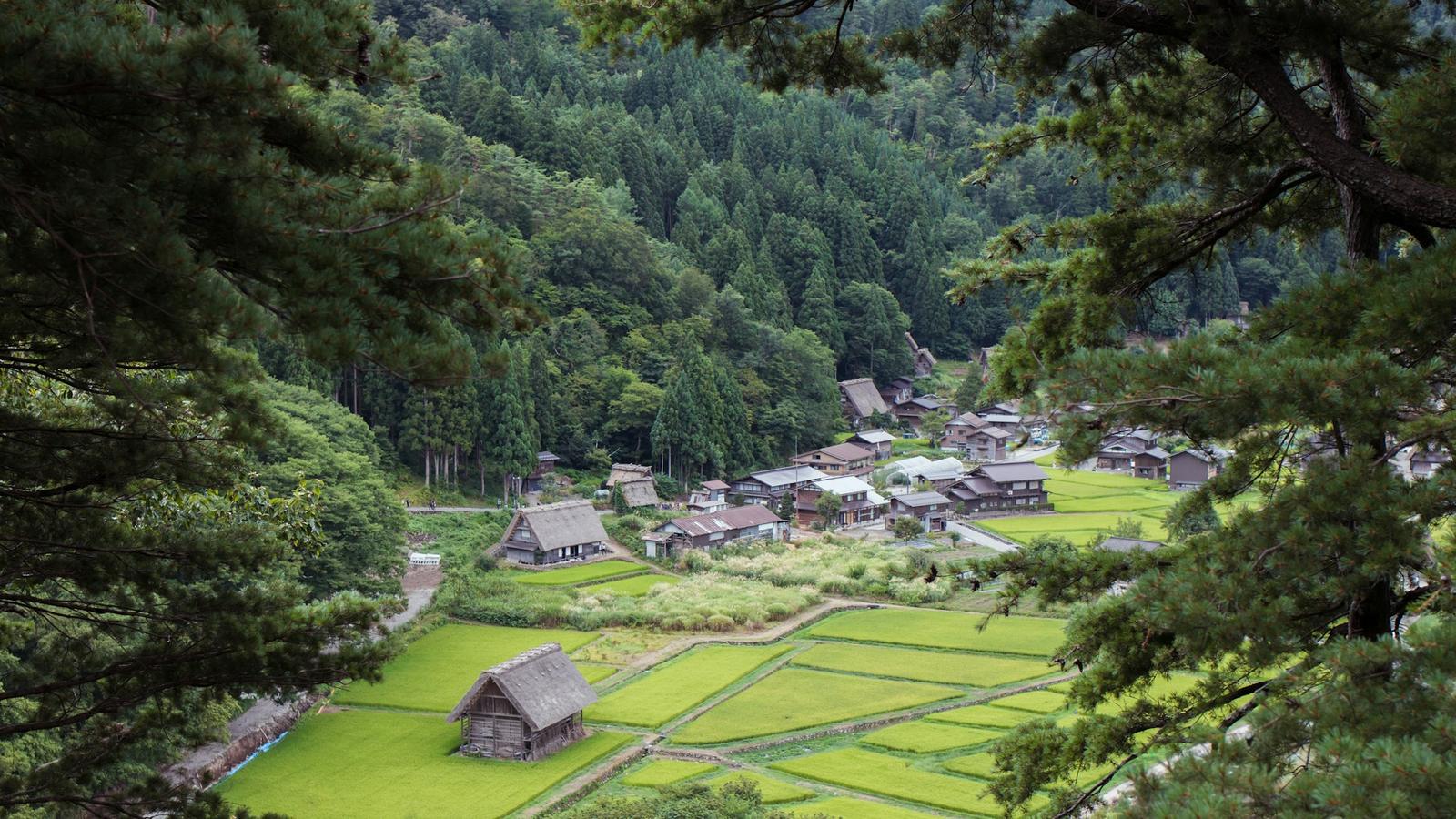
The second Japan trip has a different structure entirely. The frame of reference already exists. There is no longer a need to see every category, to have at least one of each experience. Instead, the second trip can follow specific interests, linger in one region, go deeper into a single dimension of the culture without needing to justify the choice against competing options.
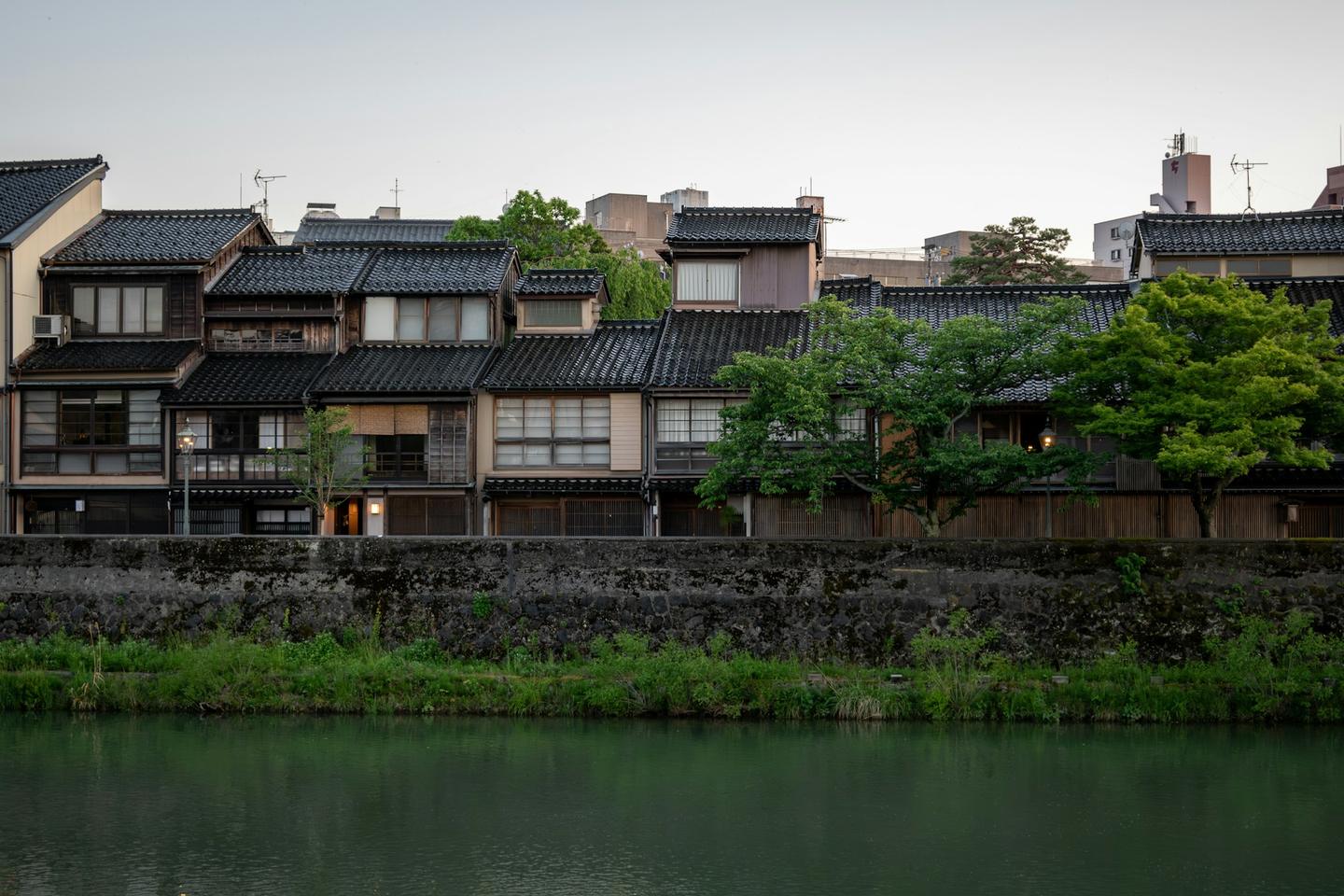
The most common patterns among our second-visit clients: a food-focused itinerary (Osaka market deep dives, specific sake breweries in Niigata, producer visits in rural Kyushu), a regional trip (Tohoku's traditional crafts, Kyushu's volcanic landscape and onsen, the Japan Sea coast from Kanazawa to Matsue), or a cultural depth trip (extended time in a single city, an introductory course in a specific traditional art, travel built around one specific interest).
Accommodation also changes. First-trip clients typically stay in excellent hotels with one highlighted ryokan night. Second-trip clients often want the reverse, several ryokan nights, seeking out specific properties: a mountain onsen renowned for its water type, a coastal property with a kaiseki tradition built around local fish, a working farm that accepts two guests at a time.
The second trip is not about seeing more of Japan. It is about going further into the part you responded to most on the first visit, and finding the layer of it that is not accessible without knowing where to look.
THE COMPARISON
HOW STAYGO IS USED DIFFERENTLY
On a first trip, STAYGO's value is in executing the trip most travelers would attempt anyway, but without the planning failures. The ryokan that would have sold out before the traveler thought to book. The omakase counter that requires knowing to call three months ahead. The kaiseki restaurant that fills from regulars before the public window opens. We prevent the gaps that self-planned first trips consistently encounter, and we ensure the quality ceiling, every accommodation, every meal, is the best accessible at that level.
On a second trip, STAYGO's value is access to experiences that cannot be found or booked without existing relationships. The restaurant in the unmarked building that opens three evenings a week and seats eight. The ceramics workshop in a small Kyushu town that accepts three visitors at a time by prior arrangement only. The private onsen ryokan two hours from any city that requires a Japanese-language introduction to book. The ozashiki geisha banquet that has been closed to the general public for fifty years. These exist. They are not accessible to anyone researching online. They are accessible through the relationships that STAYGO has built over years of working in Japan.
"The first trip shows you Japan. The second trip shows you the Japan that was always there, just not visible from the tourist path."
QUESTIONS, ANSWERED
What should I see on my first trip to Japan?
The golden route (Tokyo, Hakone, Kyoto) covers Japan's most important and accessible excellence in 10-14 days and is the right foundation for a first visit. Famous sites like Fushimi Inari and Arashiyama are famous for genuine reasons and should not be skipped in favour of undiscovered alternatives on a first visit.
How is a second trip to Japan different from the first?
The second trip is interest-driven rather than coverage-driven. First-timers benefit from seeing representative examples of each category; second-time visitors can pursue specific food regions, traditional crafts, targeted ryokan experiences, or off-route destinations such as Kanazawa, Tohoku, or Kyushu.
Is the golden route worth doing for a first-time visitor to Japan?
Yes. Tokyo, Hakone, and Kyoto represent the most concentrated excellence in Japan and build the frame of reference that all subsequent Japan experiences build upon. Attempting to skip these in favour of undiscovered destinations on a first visit typically produces a less grounded and less satisfying trip.
What are the best destinations for a second trip to Japan?
Popular second-trip choices include Kanazawa for traditional crafts and the Japan Sea coast, Kyushu for volcanic landscapes and onsen, Hiroshima and Miyajima for history and scenery, Tohoku for folk traditions, and food-focused itineraries through Osaka markets or Niigata sake country.
How does STAYGO help second-time Japan visitors differently from first-timers?
For first visits, STAYGO builds the best possible version of the standard route. For second visits, STAYGO unlocks access unavailable otherwise: unmapped restaurants, private craft workshops, rural ryokans requiring Japanese-language introductions, and experiences with no public booking channel.
WE PLAN BOTH, BUT THE SECOND TRIP IS WHERE IT GETS INTERESTING
Whether this is your first Japan trip or your fourth, STAYGO's access and planning depth scale to what you're actually trying to do.
Start planning →