There is a window in Japan luxury travel that does not occur often. The combination of a historically weak currency, a world-class hospitality infrastructure that has matured significantly since 2020, and a growing pool of experiences that were previously inaccessible to foreign visitors has created a value proposition that is, objectively, the best available in premium travel today.
At comparable quality tiers in any other premium destination, the same money buys less. That is the whole of the argument.
Key points
- The Japanese yen reached approximately 160 JPY per USD at its 2024 trough. Bank of Japan rate adjustments have caused partial recovery, but the yen remains structurally weak relative to its pre-2022 range.
- Japanese hoteliers and restaurateurs have not fully raised prices to offset the exchange rate movement.
- Currency dynamics are not permanent. The Bank of Japan's gradual normalisation of interest rates is expected to support yen appreciation over the medium term.
THE YEN IN 2026
The Japanese yen reached approximately 160 JPY per USD at its 2024 trough. Bank of Japan rate adjustments have caused partial recovery, but the yen remains structurally weak relative to its pre-2022 range. For travelers paying in US dollars, Australian dollars, British pounds, or UAE dirhams, every yen-denominated expense, hotel rooms, kaiseki dinners, private car hire, sake tastings, costs materially less than it did before the yen weakened.
Japanese hoteliers and restaurateurs have not fully raised prices to offset the exchange rate movement. This is partly cultural, sudden price increases are commercially sensitive in Japan, and partly structural, as tourism capacity expanded significantly from 2022 to 2025. The result is a gap between what international travelers pay in real terms and what the experience actually represents in quality. That gap is, at the moment, very large.

JAPAN VS THE COMPETITION
The comparison with other luxury destinations is instructive. This is not Japan vs budget alternatives, it is Japan vs the places luxury travelers would otherwise consider.
WHAT YOUR BUDGET ACTUALLY BUYS
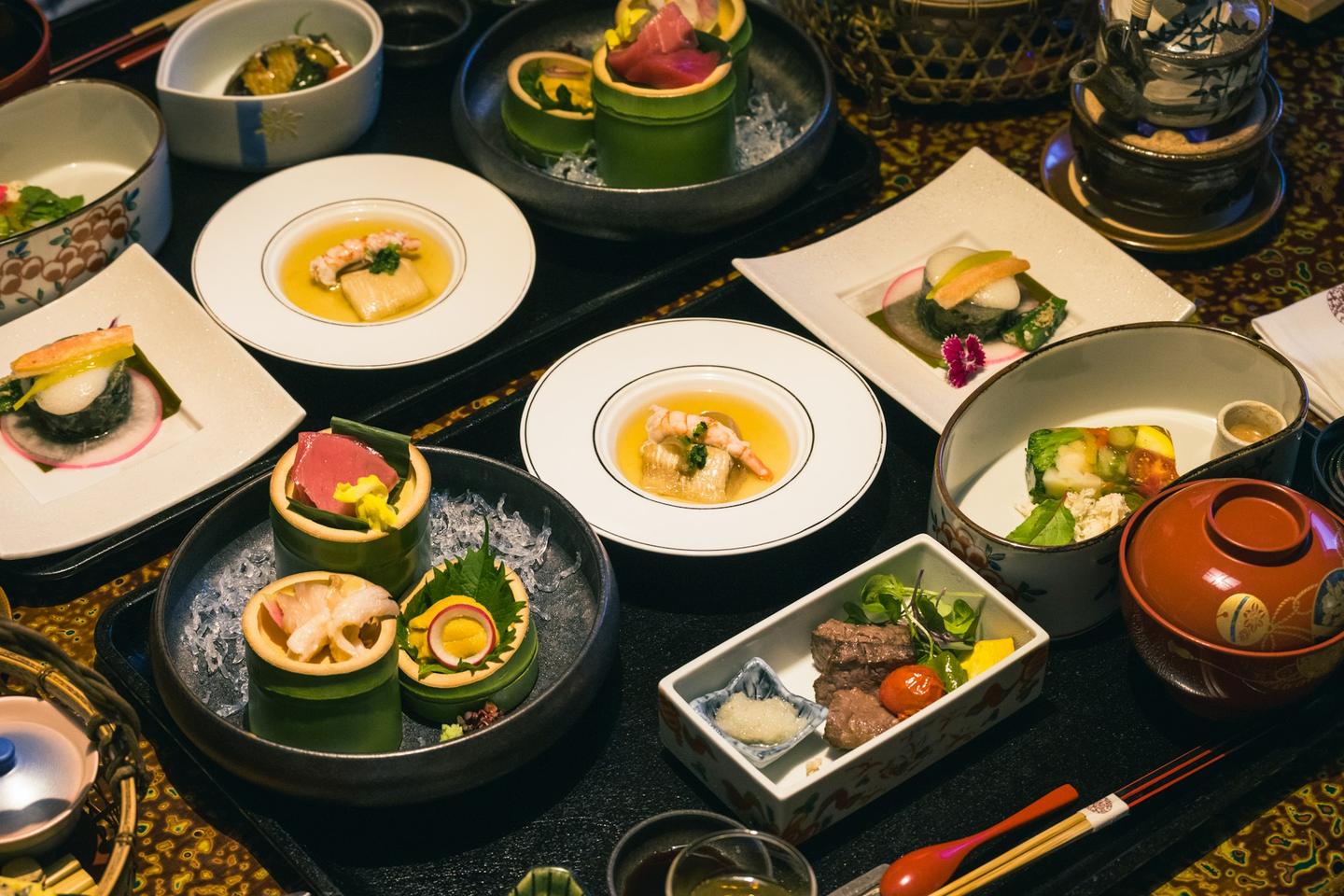
At USD 10,000 per person for a ten-day trip, Japan delivers at the Signature tier: premier ryokan accommodation with kaiseki dinner and private onsen nightly, first-class Shinkansen travel, private Alphard hire between cities, reservations at Michelin-starred restaurants in Tokyo and Kyoto, and curated cultural experiences including private temple access and artisan workshops.
In the Maldives, the same budget buys an overwater villa with meals included and very little else. In Paris, it covers accommodation and dining at a comparable tier but without the depth of experience that Japan's cultural infrastructure provides as a matter of course. The comparison is not close.
"Japan's luxury market is priced in yen. Everything you pay for, the room, the meal, the car, the private access, reflects a currency that is significantly undervalued relative to your purchasing power. This does not happen often."
WHY NOW, NOT NEXT YEAR
Currency dynamics are not permanent. The Bank of Japan's gradual normalisation of interest rates, after a long period of near-zero policy, is expected to support yen appreciation over the medium term. When that happens, the effective discount disappears.
Additionally, Japan's luxury hospitality market is tightening. Hotels that were accessible in 2023 are now difficult to book twelve months out. As international awareness of the value window grows, availability at top properties will contract further. The travelers who act on this information in 2025–2026 will have a different experience than those who wait until it is generally understood that Japan is the obvious luxury value choice.
The window is open. It will not remain open indefinitely. How the spend is actually structured, beyond the exchange rate.
SOURCES AND HOW WE CHECKED
The exchange rate on this page comes from desk research. We read the Federal Reserve's published daily rates on October 5, 2026, and did not contact anyone. They put the yen's weakest daily rate of 2024 at 161.73 per US dollar, on July 10. On the same date we removed the figures we could not trace to a source: the savings against 2019 rates, the prices in the comparison table and in the answers below, the analysts' forecast, and the length of the forecast period.
- Federal Reserve, historical rates for the Japanese yen (H.10): daily rates in yen per US dollar, from 2000
QUESTIONS, ANSWERED
Is Japan good value for luxury travel in 2026?
Yes. The Japanese yen remains at historically weak levels against the US dollar, Australian dollar, British pound, and UAE dirham. Travelers from these countries are effectively paying less for all yen-denominated costs, hotels, dining, transport, and experiences, than at 2019 exchange rates.
How much has the Japanese yen weakened recently?
At the 2024–2025 trough, the yen reached approximately 160 JPY per USD. Even after partial recovery, USD travelers in 2026 are still effectively getting lower prices than five years ago. Australian and Middle Eastern travelers have seen similar or greater effective discounts.
How does Japan compare to the Maldives or Europe for luxury value?
Japan currently offers superior value at the luxury tier. A private overwater villa in the Maldives comes with limited experiences. A premier ryokan in Japan at a comparable price point includes elaborate kaiseki dinner, private onsen, and cultural depth that water villa resorts cannot match. European luxury hotels have also increased sharply. Japan is currently the most competitively priced major luxury destination for Western travelers.
What can USD 10,000 buy for luxury travel in Japan right now?
At current exchange rates, USD 10,000 comfortably covers 7–10 nights at Japan's finest ryokans including full board, private transport between cities, restaurant reservations at Michelin-starred venues, and cultural experiences, a package that would cost significantly more in Europe, Southeast Asia luxury resorts, or Maldives-type destinations.
Will the yen stay weak, is now really the best time to visit Japan?
Currency forecasting is imprecise, but the structural factors (Bank of Japan policy, domestic inflation trajectory, and global capital flows) suggest the yen will gradually strengthen over the coming years. Travelers who visit in 2025–2026 are likely capturing the best exchange rate window of this decade. Waiting risks a stronger yen and higher effective costs.
MAKE THE MOST OF THIS WINDOW
STAYGO plans Japan luxury trips with the lead time and access that the current market requires. Contact us to discuss dates, scope, and what's actually available for your budget.
Start planning →