Japan is an extraordinarily forgiving destination for first-time visitors. Locals are accustomed to international guests making small errors and will rarely say anything. But there is a difference between being tolerated and being genuinely welcomed, and at the level of luxury property where STAYGO clients stay, the staff reads the room with a precision that most guests never realize. The ryokan attendant who guides you to your room has already formed an impression before you reach the corridor. That impression is based almost entirely on the first thirty seconds.
Japanese etiquette is not a checklist of prohibitions. It is an orientation toward other people, an awareness of the space you occupy. The practical customs that follow are not burdensome once understood, and most become second nature within a day. What changes is attention rather than effort, and attention is what turns good service into something closer to hospitality.
Key points
- Outdoor shoes come off where the floor level rises. Slippers come off before tatami, and the separate toilet slippers never leave the toilet.
- At an onsen, wash thoroughly at the shower stations before entering the bath, keep the small towel out of the water, and keep your voice low. Most communal onsen, including at many high-end ryokan, do not permit visible tattoos.
- Ryokan check-in is typically between 3pm and 5pm, and the kaiseki dinner is served at a fixed time and runs two to two and a half hours. A late arrival or a change of plan needs a word in advance.
- Tipping is not practised in Japan. Thank staff in words and with a bow, and if the service was particularly good, leave a short handwritten note at checkout.
- At a Shinto shrine, bow twice, clap twice and bow once more. At a Buddhist temple there is no clapping. Food is eaten standing still or seated, not while walking.
SHOES: WHERE, WHEN, AND HOW
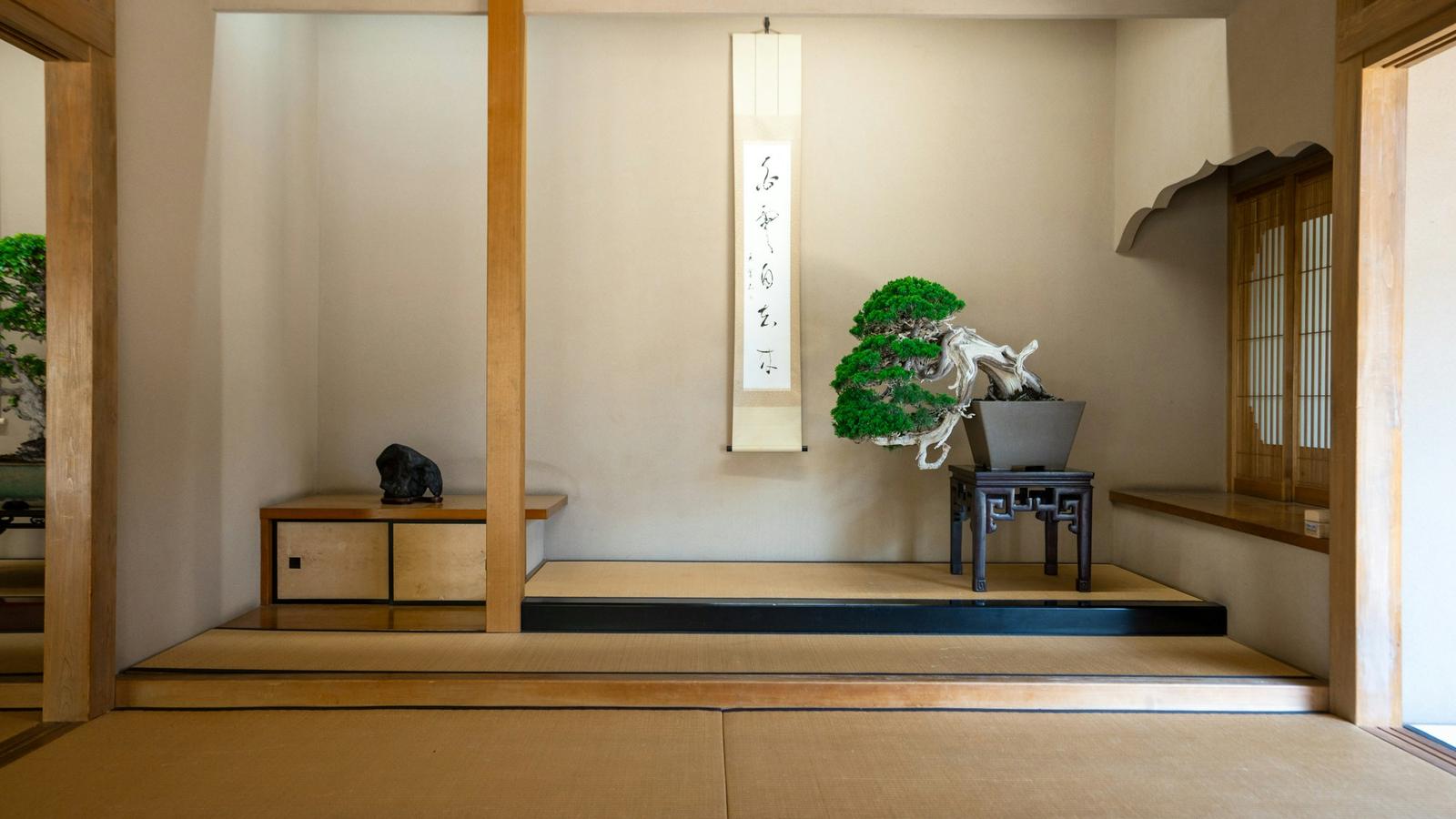
The fundamental rule is simple: when the floor level rises, typically a step up from the entrance, your outdoor shoes come off. This applies to ryokan entrances (the genkan), many traditional restaurants, some museum exhibition rooms, and the changing areas of onsen. The visual signal is almost always a raised floor level and the presence of slippers.
At a ryokan, you will change into slippers at the entrance and use them throughout the common areas. Remove those slippers before entering your tatami room. Tatami is never walked on with slippers. In the bathroom, there will be a separate pair of toilet slippers. These go on when you enter the bathroom and come off the moment you leave. This is the detail that most guests miss: wearing toilet slippers back into the corridor is the equivalent of walking mud through someone's living room. The mistake is common. It should not be yours.
"The raised step at a ryokan entrance is not a design feature. It is a threshold, between the outside world and the space you have been invited into."
ONSEN: THE RULES THAT MATTER
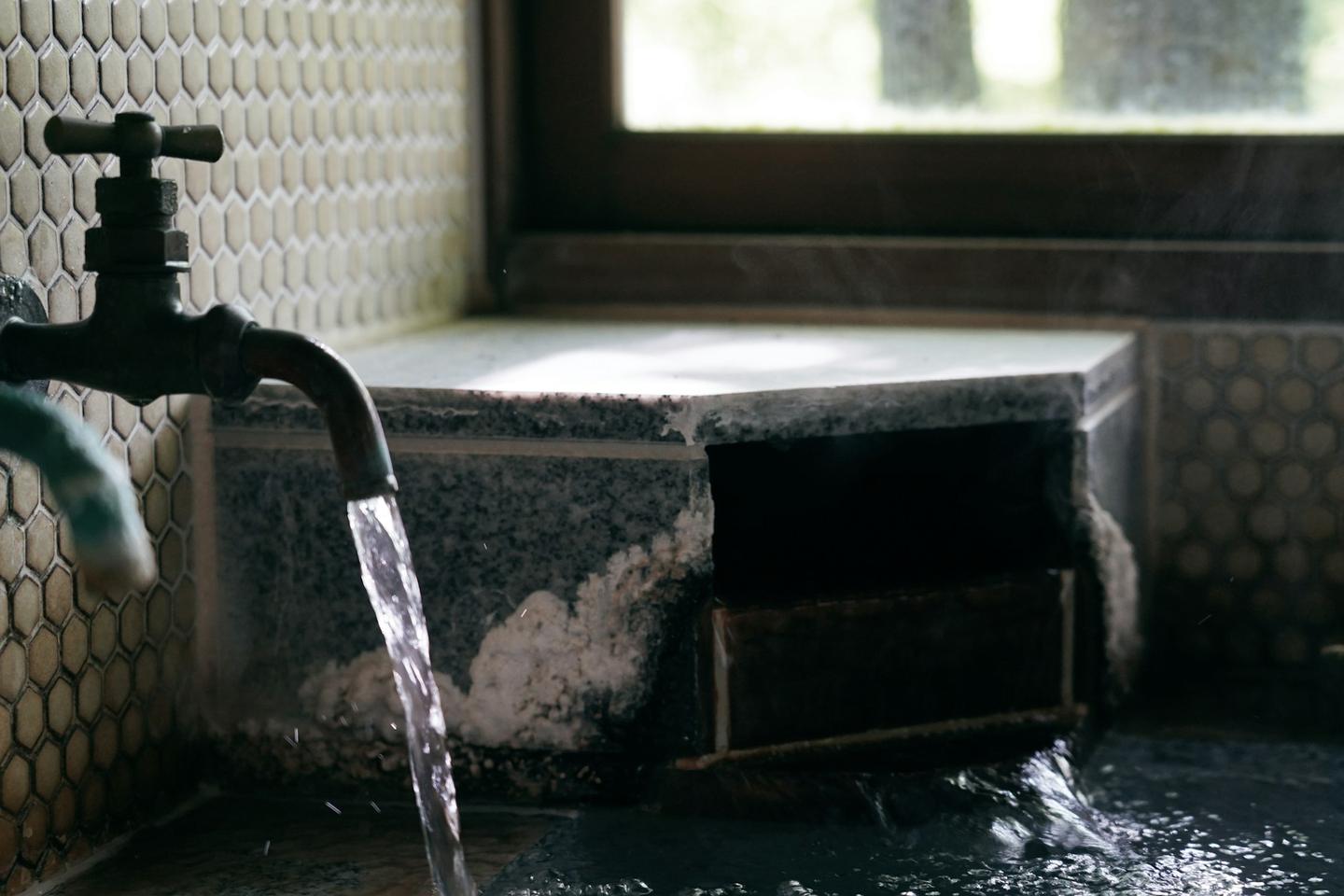
The communal onsen bath is governed by a clear set of customs. Understanding them before your first visit removes every hesitation and allows the experience to be what it is: deeply restorative, entirely natural, and one of the defining pleasures of a ryokan stay.
Wash before you enter. The shower stations around the perimeter of the changing room exist for this purpose. Sit on the stool, use the shower head and soap provided, and wash your body and hair thoroughly before approaching the bath. The communal water must be kept clean. This is not a suggestion.
The towel stays out of the water. The small modesty towel provided by the ryokan may be carried in but should not enter the bath. Fold it and rest it on the bath's edge or place it on top of your head, a common practice for keeping it accessible. Do not submerge your head in the water. Do not speak loudly. The onsen is a space of quiet. If you are the only person present, the silence is yours. If others are using the bath, match their register.
Most communal onsen in Japan, including at many high-end ryokan, do not permit visible tattoos. This policy has historical roots (association with organized crime) that bear no relationship to international visitors, but the rule is enforced regardless. STAYGO briefs all clients on this before arrival and selects ryokan with private in-room rotenburo (outdoor bath) as a standard feature, so the communal bath question is bypassed entirely. Clients with tattoos should inform STAYGO in advance so accommodation can be confirmed as appropriate.
RYOKAN RHYTHM AND DINING PACE
A ryokan stay has its own pace, and understanding it prevents a common form of mild friction. Check-in is typically between 3pm and 5pm, not later. The kaiseki dinner is served at a fixed time (usually 6pm or 6:30pm) and runs for two to two-and-a-half hours. Do not attempt to rush it. The courses arrive at intervals that leave room for conversation and for the last dish to settle. Asking for the next course early is not done.
After dinner, the futon will have been laid by your attendant while you were in the dining room. In the morning, breakfast is served at a similarly fixed time. The staff work to these rhythms, which is why a late arrival or a change of plan needs a word in advance rather than improvisation. The timetable is the shape of the stay.
Your room attendant (the nakai) is the person to ask for anything. She (it is almost always a woman) speaks the ryokan's rhythms as a first language. If something is needed or a preference is to be expressed, address her directly rather than calling the front desk. Building that quiet rapport is one of the pleasures of a ryokan stay that guests who treat it as a hotel consistently miss.
TIPPING: NEVER CASH, ALWAYS GRATITUDE
Tipping is not practiced in Japan. This is not merely a cultural preference. Pressing cash on a member of staff at a ryokan or high-end restaurant can cause genuine discomfort. The professional pride embedded in Japanese service is structured around providing excellent care as a matter of craft, not transaction. A cash tip implies that additional payment was required to motivate that care. The implication is unwelcome.
The correct expression of appreciation is straightforward: a sincere verbal thank-you, arigatou gozaimashita, said to the nakai at the end of your stay, a proper bow, and, if the service was particularly good, a brief handwritten note left at checkout. If you are meeting a local contact (a business connection, a guide, a craftsman who has given their time), a small, carefully chosen gift (known as omiyage) is the appropriate gesture. This is explained below.
The most valued response to a ryokan that has looked after you well is a return visit. The next most valued is a sincere thank-you. A cash tip is neither.
GIFT-GIVING AND OMIYAGE
If you are meeting a Japanese business contact, a fixer, or a local guide who has arranged access or introductions on your behalf, a gift is appropriate. This is the practice of omiyage, bringing something from your home region as a token. The gift need not be expensive; it should be chosen with some care, and wrapped. Specialty food items from your home city, a branded item from a well-known establishment, or a quality whisky are all appropriate.
Present the gift with both hands and a small bow. Do not make a performance of it. The recipient will typically not open the gift in front of you. This is not rudeness but discretion. If you are the one receiving a gift in Japan, the same applies: accept with both hands, thank the giver, and open it later unless explicitly invited to do so in the moment.
HOW TO ADDRESS STAFF AT A RYOKAN
You do not need to speak Japanese to stay at a Japanese ryokan. The staff at properties that receive international guests are accustomed to communication by gesture, English phrase, and mutual goodwill. What matters more than language is register: quiet, unhurried, and with eye contact and a small bow when thanking someone.
Avoid speaking loudly in corridors and common areas. The ryokan's architecture is designed for sound to carry, which is part of its intimacy, and also a reason that volume in the hallways is noticed. If you need to communicate something to your attendant, the correct practice is to open the door to your room and wait. Do not shout down the corridor. The staff at a quality ryokan are always closer than you think.
TEMPLE AND SHRINE PROTOCOL
Shinto shrines and Buddhist temples follow different protocols, a distinction worth knowing since Japan has both in abundance and they are frequently visited on the same walk.
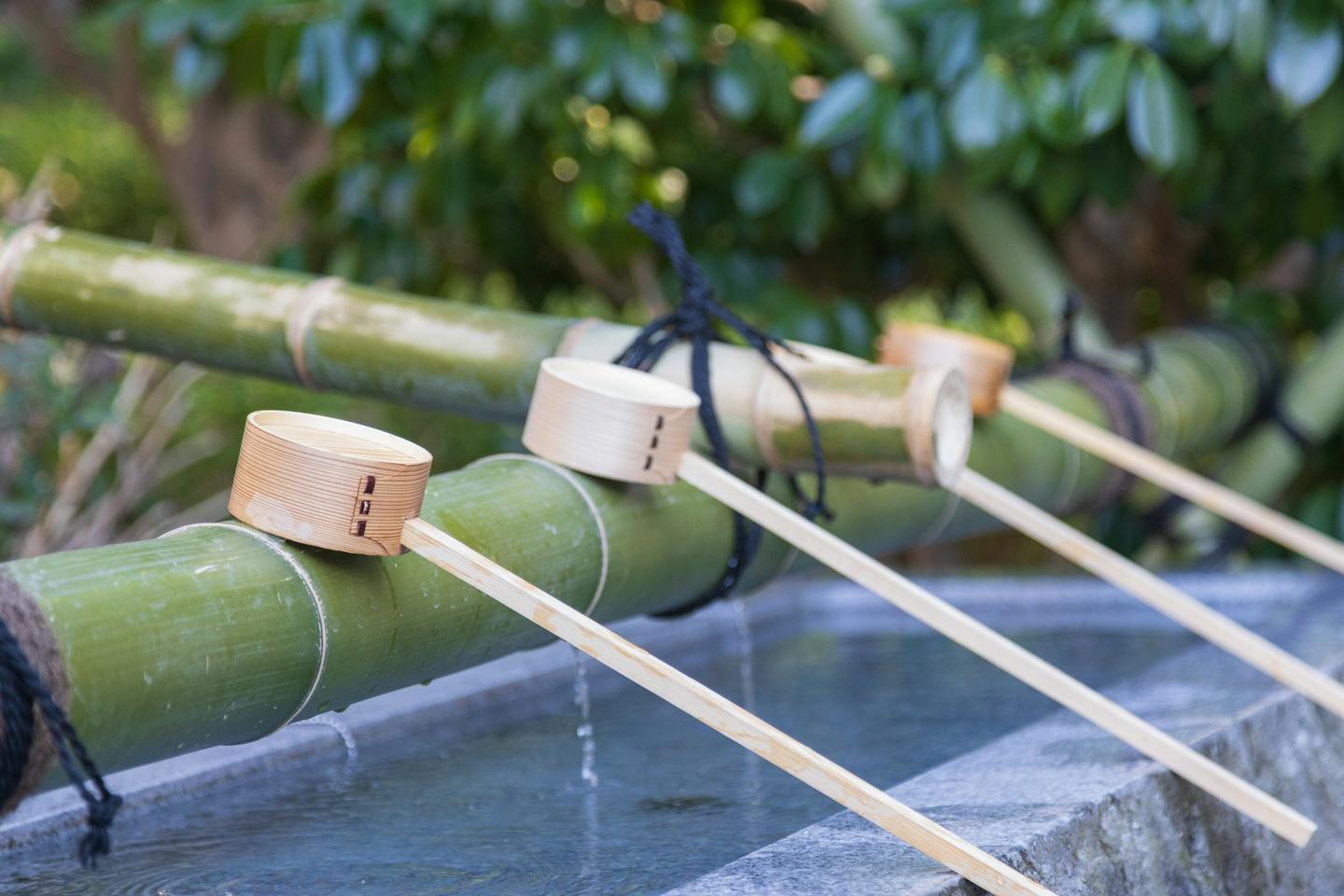
At a Shinto shrine: pass through the torii gate and walk along one side of the central path (the center is considered the deity's path). At the temizuya (water basin at the approach), ladle water over each hand to purify yourself before approaching the main hall. At the main hall: make a small offering into the box, bow twice deeply, clap twice sharply, bow once more, then pray or reflect in silence. Photography is generally permitted in the approach areas; the inner sanctuary is often restricted. Follow posted signs.
At a Buddhist temple: there is no clapping. Bow respectfully before the main image. If incense is available, light a stick, wave out the flame (do not blow it out: blowing is considered disrespectful), and place it in the sand urn. Wave the smoke toward yourself. It is considered purifying. Speak quietly. Many Buddhist temples have specific areas where photography is not permitted; a monk or attendant will indicate if you approach a restricted area.
THE ONE HABIT THAT GIVES WESTERN GUESTS AWAY
Of all the small etiquette points that distinguish a culturally aware visitor from a tourist, the one that matters most, and is most consistently overlooked, is eating while walking. In Japan, food is consumed while stationary: at a counter, at a table, or standing at a food stall with both feet planted. Walking through a shopping street or market while eating is considered low-status behavior and is widely seen as inconsiderate in crowded spaces.
The same principle applies to eating on public transport. On local trains and buses, eating is not done. (The Shinkansen is an exception. Bento boxes are part of the long-distance rail experience and are eaten with care.) If you have bought something from a stall or market that you intend to eat, find a corner to stand in or a bench to sit at. This single habit, more than any other, signals whether a visitor has done the work to understand the culture they are moving through.
Every STAYGO client receives a written cultural briefing before departure, a document that covers practical etiquette, ryokan customs, onsen rules, dining behavior, and destination-specific notes for each property on the itinerary. For Signature and Bespoke clients, STAYGO also conducts a pre-departure call to answer questions and address any specific concerns. The briefing is not a list of prohibitions. It is a guide to the behaviors that signal respect, and the ones that, absent that signal, mean something different than the guest intended. When a guide is the right way to bridge this, and when it is not.
QUESTIONS, ANSWERED
Is tipping appropriate in Japan?
Tipping is not practiced in Japan and can cause confusion or mild embarrassment at high-end properties. It is not a matter of being cheap. It is a matter of cultural literacy. Staff at luxury ryokan and restaurants are compensated professionally and do not expect or desire additional cash. The correct way to express genuine appreciation is through a verbal thank-you (arigatou gozaimashita), a bow, and, if you feel strongly, a brief handwritten note left at checkout.
What are the rules for using an onsen (hot spring bath)?
The core rules: shower and wash thoroughly before entering the communal bath. Do not bring your large bath towel into the water. Fold the small towel and place it on your head or at the bath's edge. Do not submerge your head. Do not speak loudly. At most ryokan, tattoos are not permitted in communal baths (private room baths are the alternative). The water is genuinely hot. Enter slowly.
When do I remove my shoes in Japan?
Remove shoes whenever you step from an outdoor surface to a raised interior floor (a step up is almost always the signal). This applies to ryokan entrances, traditional restaurants, some temple buildings, and changing rooms at onsen. Slippers are usually provided. Remove those slippers before entering rooms with tatami flooring. Look for a separate pair of toilet slippers in the bathroom. These stay in the bathroom.
How should I behave at a Japanese temple or shrine?
At a Shinto shrine: pass through the torii gate and walk to one side of the central path (the center is for the deity). At the temizuya (water basin), rinse your hands before approaching the main hall. At the main hall: make a small monetary offering, bow twice deeply, clap twice, bow once more, then pray silently. At a Buddhist temple: there is no clapping. Bow respectfully, and if incense is provided, wave the smoke toward yourself. It is considered purifying.
ARRIVE PREPARED: STAYGO'S PRE-ARRIVAL BRIEFING
Every STAYGO client receives a written cultural briefing for the specific ryokan and route on their itinerary, so you arrive knowing what your hosts would want you to know.
Start planning →