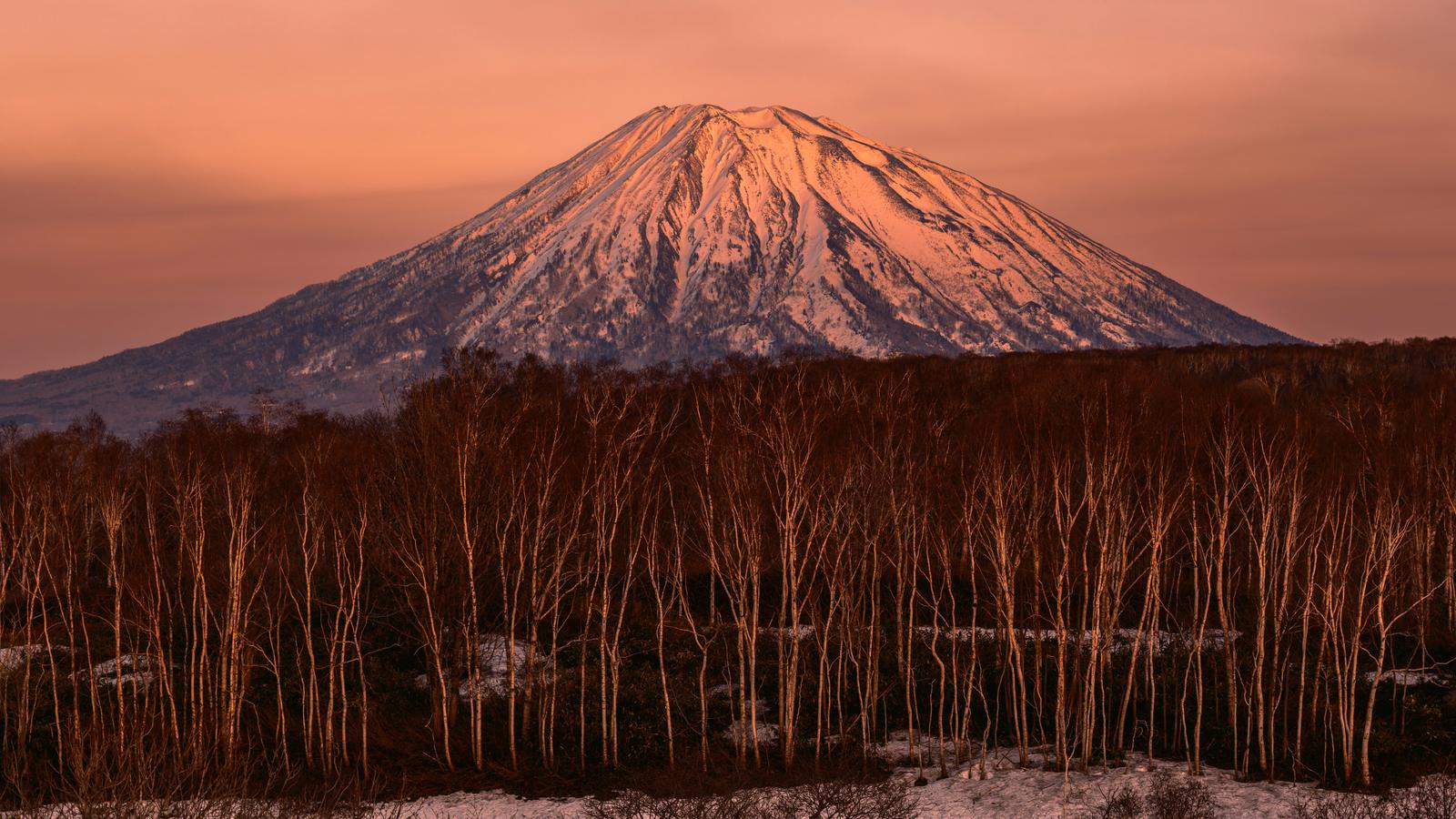
Travellers from the Nordic countries often feel at home in Hokkaido before they arrive. The Japan National Tourism Organization notes in its market handbook that the island is thought to resemble Lapland, that it is gaining a name in the region for powder snow finer than at home, and that Hokkaido journeys sold there usually include whisky tasting, hot springs and Japanese food. The same handbook gives two practical points: many Nordic guests have tattoos, so access to shared baths must be checked, and the humid heat of August keeps many away from the rest of Japan.
This article takes those three threads, the bath, the whisky and the snow, and shows how they fit the Nordic summer and winter holidays at the highest level. We read the official pages of the Japan Meteorological Agency, the Agency for Cultural Affairs, Nikka Whisky, the Akkeshi Distillery, two ryokan, the Niseko resorts and Finnair's announcement on November 5, 2026, and contacted none of them; the sources are listed at the end. Rooms and prices for couples are compared in Hokkaido Honeymoon: Summer or Winter, and Where to Stay (2027), and the wider question of tattoos in Tattoo Friendly Onsen in Japan.
Key points
- At Kutchan, beside Niseko, August averages 20.6°C with nights around 16.7°C, against 26.9°C and 23.5°C in Tokyo (Japan Meteorological Agency, 1991 to 2020).
- A room with its own hot spring bath settles the tattoo question. Each of the 15 villas at Zaborin in Niseko has an indoor and an outdoor bath fed by its own spring.
- Nikka's Yoichi Distillery, founded in 1934 by Masataka Taketsuru after his years in Scotland, still fires its pot stills with coal. Its guided tour is free, in Japanese only, for one to nine people, and opens for reservation four weeks ahead.
- The Akkeshi Distillery in eastern Hokkaido began distilling in 2016 with the aim of making a whisky in the manner of Islay malts.
- Niseko's four resorts open on November 28, 2026. January brings an average of 253 cm of new snow at Kutchan, and backcountry gates follow the published Niseko Rules.
LET US SHAPE YOUR HOKKAIDO SEASON →
WHY HOKKAIDO SUITS A NORDIC YEAR
The Nordic calendar has two long holidays, the summer weeks of June and July and the Christmas break, and Hokkaido answers both. In August, the month JNTO describes as hard to bear in most of Japan for guests from the north, the Japan Meteorological Agency's averages for Kutchan show a daily high of 25.4°C and a low of 16.7°C. Tokyo in the same month averages a high of 31.3°C and a low of 23.5°C. The difference is felt most at night, with the window open.
Getting there will be easier in 2027. Finnair has announced up to 32 weekly flights to Japan for summer 2027, against 28 a year earlier, with up to three daily departures from Helsinki to Tokyo and the extra Narita service running from May 12 to August 14, 2027. From Tokyo, Hokkaido is a short domestic flight away, and the island can sit at the start or the end of a longer journey.
A HOT SPRING BATH OF YOUR OWN
Japanese shared baths have long turned away bathers with tattoos, and rules still differ from one door to the next. For a traveller with a tattoo, the most graceful answer is a room whose hot spring bath belongs to it alone. Then the hour of the bath, the company and the view are yours, morning and night.
In Niseko, Zaborin has 15 villas, each a suite with its own indoor and outdoor bath fed by the hot spring beneath the ryokan, and its kitchen serves what it calls Kita Kaiseki, a northern reading of Kyoto kaiseki by chef Yoshihiro Seno. It lies about seven minutes by car from the Hanazono ski area and about two hours from New Chitose Airport. In Asarigawa Onsen, on the edge of Otaru, the port town on the way from Sapporo to Yoichi, Otaru Retreat Kuramure gives every one of its 19 rooms a hot spring bath, semi-open to the air in most room types, and its hot springs are for staying guests only. When a shared bath is part of the plan, we confirm its written policy first.
YOICHI AND THE SCOTTISH THREAD
Masataka Taketsuru went to Scotland in 1918. He studied at the University of Glasgow and the Royal Technical College, learned malt distilling at Longmorn in Speyside, studied the Coffey still at a grain distillery in Bo'ness and blending at Hazelburn in Campbeltown, and in January 1920 married Jessie Roberta Cowan, known as Rita, in Glasgow. Nikka writes that he chose Yoichi for its cool climate, crisp air, clear water and the morning and evening mists that reminded him of the Scottish Highlands, and founded the company there in July 1934.
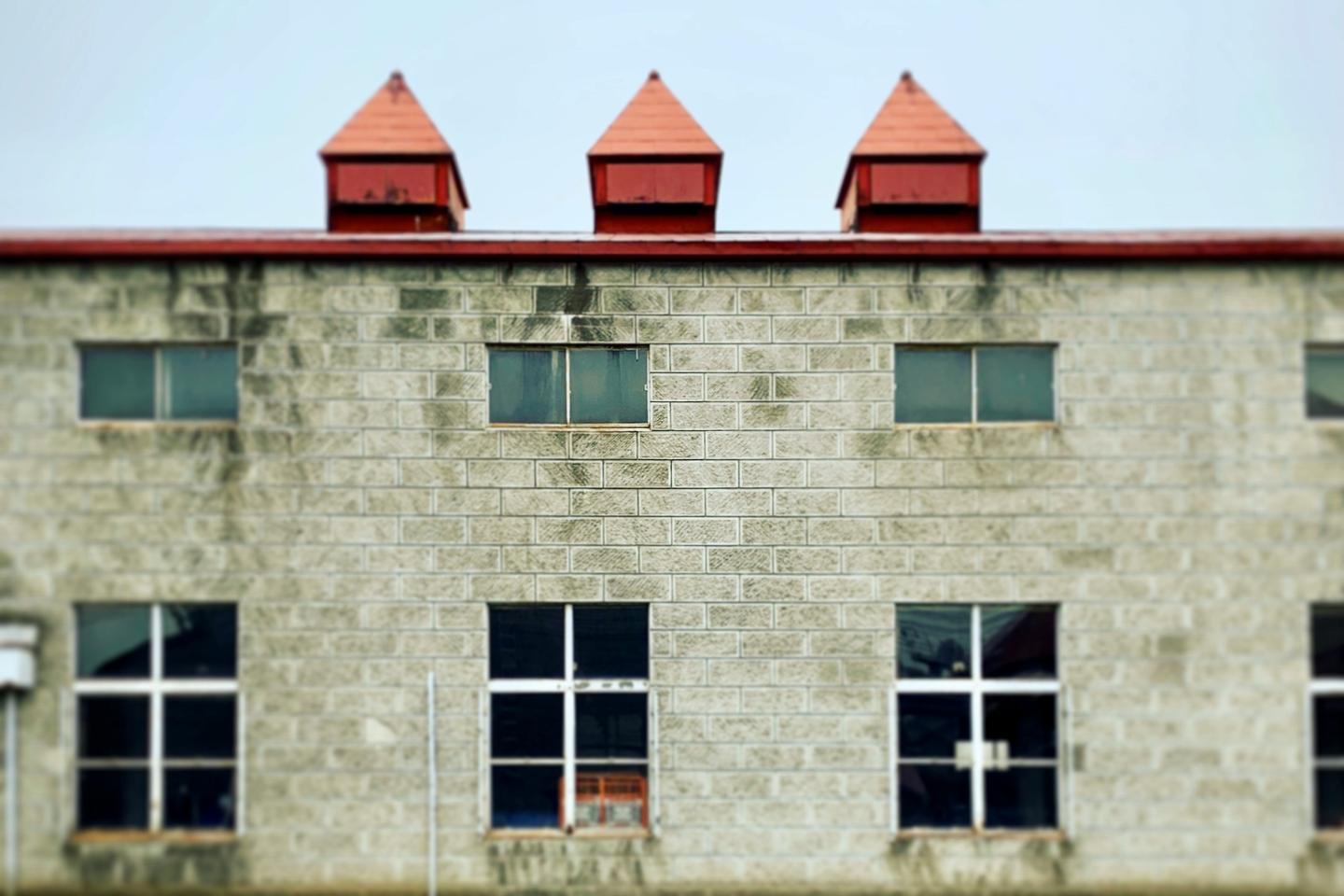
The distillery still fires its pot stills directly with coal, a method Nikka says is now rarely seen anywhere in the world. Its early stone buildings carry more than atmosphere. The first and second warehouses, the old office, and the laboratory and residence are designated Important Cultural Properties of Japan, after the Council for Cultural Affairs recommended the distillery facilities on November 19, 2021. For a guest who grew up with the whiskies of Scotland, Yoichi reads as a letter sent back.
VISITING THE DISTILLERY
Nikka's guided tour at Yoichi is free and ends with a tasting. It is given only in Japanese, takes parties of one to nine, and can be reserved up to four weeks ahead; anyone under 20 may not join alone. Without a reservation, guests may still enter the Nikka Museum, the shop and Rita's Kitchen, though not the production areas. The museum is open from 9:15 to 16:15, its tasting bar pours paid drams including whiskies sold only at the distillery until 16:00, and the whole site closes from December 23 to January 7 and on June 11.
The distillery is about five minutes on foot from JR Yoichi Station and about an hour by car from Sapporo or New Chitose Airport. We reserve the tour the day the window opens, arrange a guide who interprets as part of your party, and keep the car waiting so that nobody at the table has to drive. Nikka also lists a tasting seminar and a blending seminar at the distillery; when the dates fit, we ask for a place. Our wider guide to distillery visits is Sake, Whisky and Japan's Private Tastings.
AKKESHI AND THE ISLAY IDEA
On the Pacific coast of eastern Hokkaido, the Akkeshi Distillery began distilling in 2016. Its founder writes that he wanted to make a whisky like an Islay malt by traditional Scottish methods, and the distillery chose equipment made by Forsyths in Scotland. Smoke, sea air and a cold, damp climate are what a Nordic whisky drinker often looks for, and Akkeshi was built around them.
The distillery does not publish a visitor programme on its own site, which offers a 360-degree virtual tour instead. A visit in person is therefore something we ask for on your behalf, with no promise attached, and pair with a journey through the wetlands and lakes of the east.
POWDER IN JANUARY AND FEBRUARY
The Meteorological Agency's averages explain the reputation. Kutchan receives 253 cm of new snow in December and again in January, 187 cm in February and 921 cm over the year, and the average deepest snow in February is 181 cm. Niseko's four resorts, Annupuri, Niseko Village, Grand Hirafu and Hanazono, share one lift pass and open on November 28, 2026; Grand Hirafu and Annupuri run until May 5, 2027.
Skiers raised on Nordic snow often want the trees and the open slopes beyond the ropes. In Niseko that ground is entered only through the gates set out in the Niseko Rules, issued through the town's avalanche prevention committee: never duck a rope, never enter closed areas, and carry a beacon, probe and shovel. Breaking the rules can cost a lift pass. We arrange a certified guide for those days and read the daily avalanche report with them. Kiroro, in Akaigawa in the same Yoichi District as the distillery, makes a second base when a guest wants the whisky and the snow in one week. More on the winter season is in Japan in Winter: Snow Monkeys and Powder.
TWO SHAPES OF THE SAME JOURNEY
In August, we might begin with three nights at Kuramure, take the Yoichi tour and spend the afternoon on the Shakotan coast, then move to Niseko for green mountains, rivers and long evenings in a private bath. In February, the same island becomes five or six nights at Zaborin or a private chalet with its own bath, guided days in the trees, and one clear day kept for Yoichi, when the warehouses stand in snow and the coal fires burn.
Within Signature, our planning for journeys of 7 to 21 days, Hokkaido usually takes five to seven nights and sits beside Tokyo and Kyoto. We arrange the ryokan and villas, the distillery tour, the guides and the cars, and settle each in the simplest way available, usually on your hotel bill or on the day. Many Nordic guests eat vegetarian or vegan; we ask each kitchen in advance, as described in Vegetarian Kaiseki and Vegan Fine Dining in Japan.
SOURCES AND HOW WE CHECKED
We read the pages below on November 5, 2026. Travel times are rounded. We did not contact any distillery, ryokan, resort, airline or other body.
- JNTO, Visit Japan market handbook 2024, Nordic countries (Japanese): Lapland likeness, powder, whisky, tattoos, August heat
- Travel News Nordic, Finnair summer 2027: up to 32 weekly flights to Japan, extra Narita service May 12 to August 14, 2027
- Japan Meteorological Agency, normals for Kutchan (Japanese): August temperatures, snowfall and snow depth
- Japan Meteorological Agency, normals for Tokyo (Japanese): August temperatures
- Zaborin, official site: 15 villas with indoor and outdoor hot spring baths, Kita Kaiseki
- Zaborin, contact and access: about 2 hours from New Chitose, about 7 minutes from Hanazono
- Otaru Retreat Kuramure, rooms (Japanese): 19 rooms with in-room hot spring baths
- Otaru Retreat Kuramure, FAQ (Japanese): hot springs for staying guests only, station transfer
- Nikka Whisky, the founder: Scotland from 1918, Rita, Yoichi, July 1934
- Nikka Whisky, Yoichi Distillery: founded 1934, coal-fired stills, closing dates
- Nikka Whisky, Yoichi, how to enjoy: free guided tour with tasting, Japanese only, museum and tasting bar hours
- Nikka Whisky, Yoichi, FAQ: parties of one to nine, four weeks ahead, under-20s
- Nikka Whisky, Yoichi, how to visit: five minutes from Yoichi Station, about an hour from Sapporo
- Agency for Cultural Affairs, report of November 19, 2021 (Japanese): Yoichi Distillery recommended as an Important Cultural Property
- Agency for Cultural Affairs, Cultural Heritage Online (Japanese): the designated buildings
- Akkeshi Distillery, company site (Japanese): distilling from 2016, Islay ambition, Forsyths equipment, virtual tour
- Niseko United, lift information: four resorts and the 2026 to 2027 season dates
- Niseko United, Niseko Rules: gates, avalanche information, equipment, penalties
- Kiroro, official site: Akaigawa, Yoichi District
QUESTIONS TRAVELLERS ASK
Can I use a hot spring in Hokkaido if I have a tattoo?
Yes. The simplest way is a room or villa with its own hot spring bath, such as the villas at Zaborin in Niseko. Rules for shared baths differ by property, so we confirm the written policy before arranging one.
Can we visit the Nikka Yoichi Distillery in English?
The guided tour is given only in Japanese. We arrange a guide in your party who interprets. Without a tour you may still visit the Nikka Museum, the shop and the tasting bar.
How far ahead can the Yoichi tour be reserved?
Up to four weeks ahead, for parties of one to nine. The distillery is closed from December 23 to January 7 and on June 11.
Is Hokkaido cool enough in August?
Much cooler than Tokyo. At Kutchan, beside Niseko, August averages a high of 25.4°C and a low of 16.7°C, against 31.3°C and 23.5°C in Tokyo.
When is the powder best in Niseko?
January and February. Kutchan averages 253 cm of new snow in January and its deepest snow in February. The 2026 to 2027 season opens on November 28, 2026.
ASK US TO SHAPE YOUR HOKKAIDO SEASON
Tell us whether you are thinking of August or February, who is travelling and how you like to ski. We will set out the baths, the distillery day and the snow with the reasons, so that you can choose the shape of the week.
Begin planning →We reply within 24 hours, in writing
Some of the restaurants and bars we arrange seat guests only by introduction or membership. We ask on your behalf; the table and the evening are the house's decision. We do not publish their names.