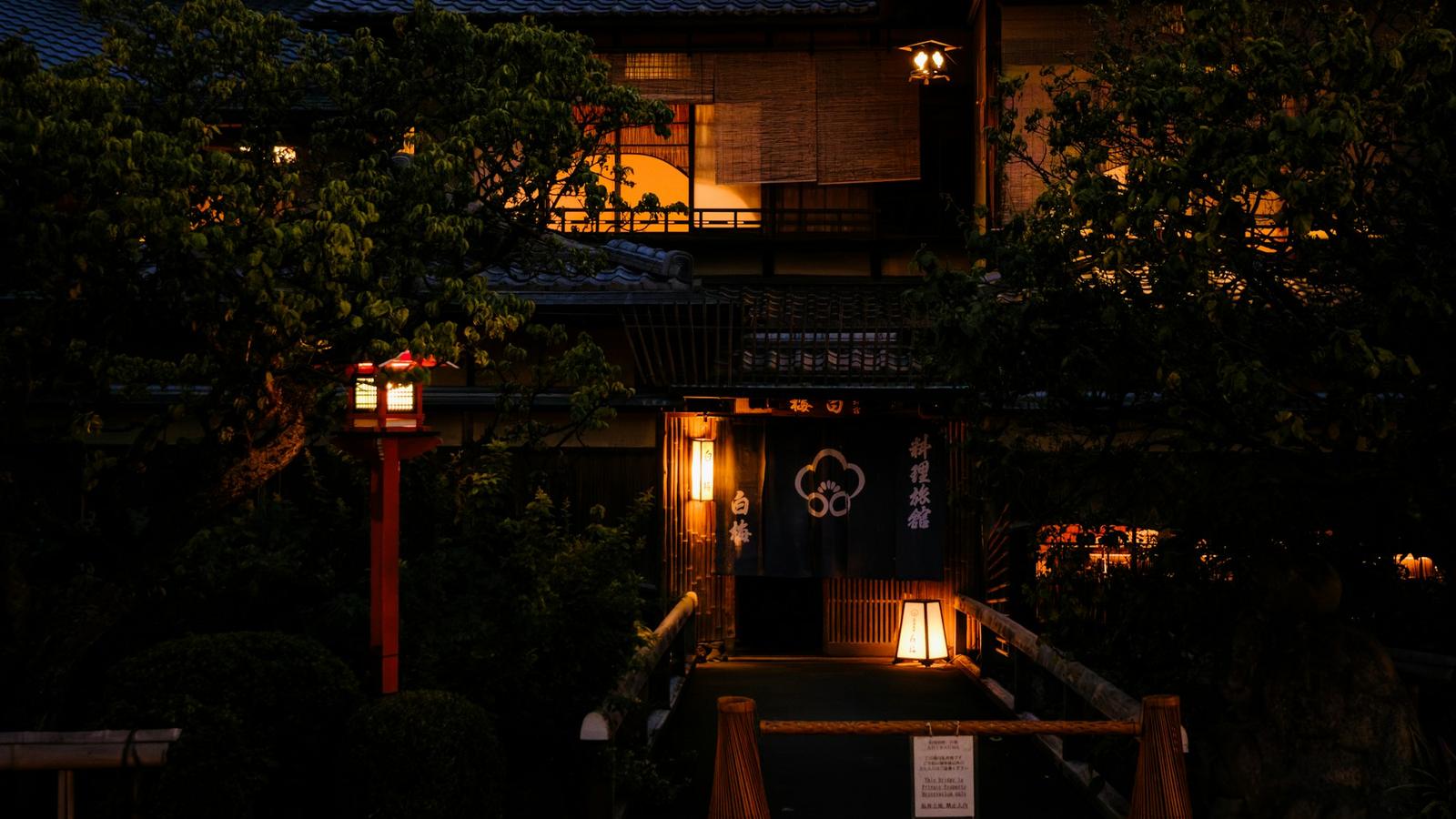
Japan is the most organized country in the world for booking your own trip. Hotels, bullet train seats and airport transfers can all be arranged online in a few minutes. Then there is the rest: the dinner at a ryotei that appears on no platform, the garden seen at dawn before the gates open, the lacquerware master who will show you what forty years of practice looks like.
None of it is secret. It simply was not built for the consumer internet. These places run on introductions, which means someone who already has one has to make it for you.
THE TWO JAPANS
Japanese hospitality has always kept a line between what faces the public and what sits behind it. Restaurants that appear on Google Maps and restaurants that do not. Temples with posted visiting hours and temples you enter only by arrangement. The line has less to do with exclusivity than with what the experience needs: some rooms only work when there are no strangers in them.
If you have already seen Tokyo and Kyoto at the usual level, the second layer is what a return trip is for, or a first trip planned properly from the start. It does not necessarily cost more than the visible layer; it is a different thing.
FOUR CATEGORIES OF PRIVATE ACCESS
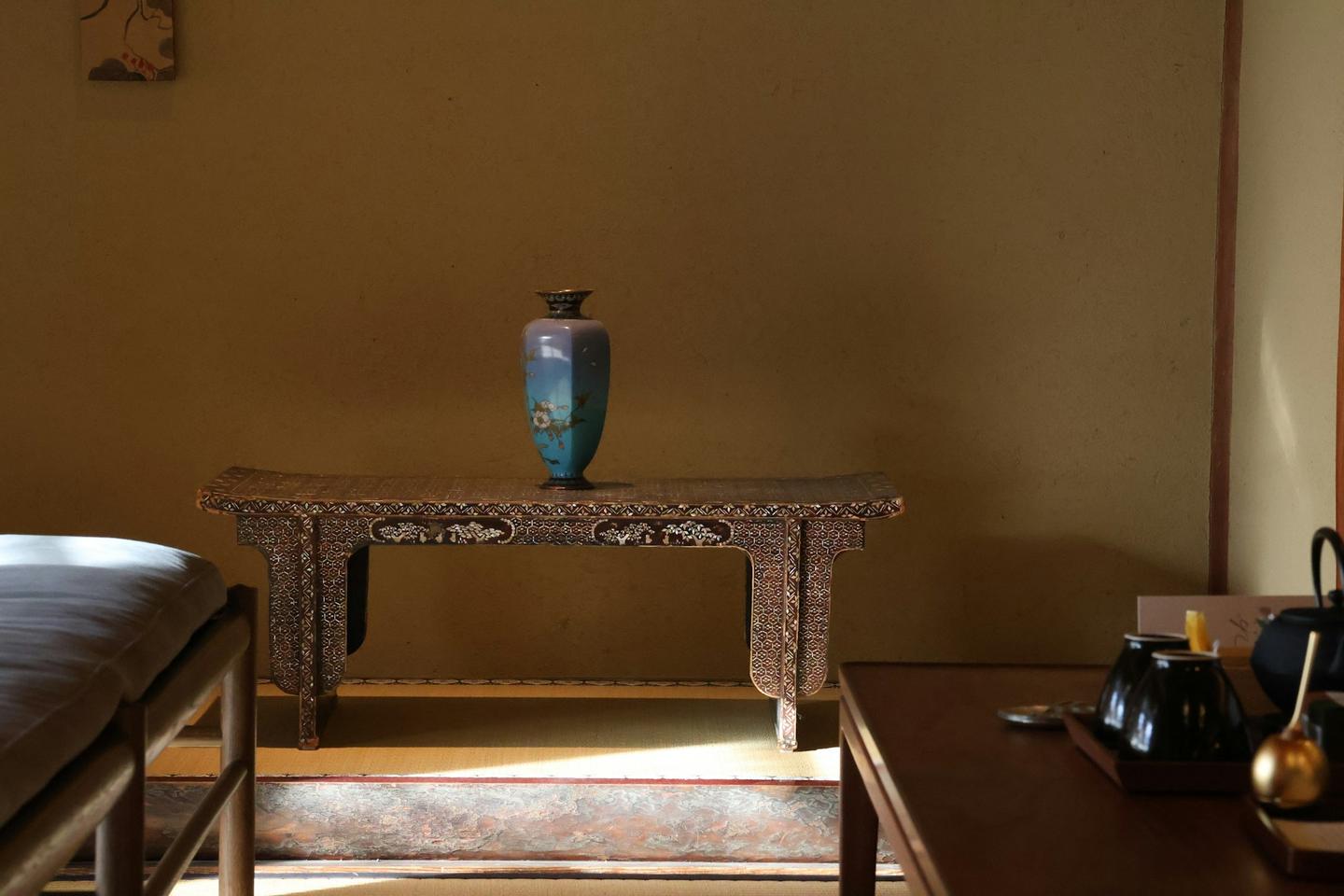
Ryotei, Japan's finest private dining houses, have no websites, take no reservations from guests they do not know, and appear on no booking platform. They serve one set seasonal menu in a private tatami room, usually for two to eight people, and a single dinner often runs three to four hours. The ingredients arrive through relationships older than the chef's own career. Access comes from an existing client, a hotel concierge who already has the relationship, or a specialist like STAYGO; without one of those, the door stays closed.
Requires prior relationship · Not available on any booking platformSeveral Kyoto temples and private estates will open early or stay open late for a small group, before or after the general public. In practice that means a moss garden or a raked sand garden in near silence, with a member of the temple family or a specialist guide. Nijo Castle, certain Zen gardens in northern Higashiyama, and private residential gardens that have never been formally opened to tourism are all possible. Arranging it takes advance contact with the administration in question, sometimes months ahead, and an intermediary they recognize.
Advance arrangement required · Limited dates availableWajima lacquerware, Nishijin weaving, Kutani ceramics, Echizen washi papermaking, Bizen pottery: these crafts are carried by masters who as a rule give no public demonstrations. They work in studios that were never built for visitors. When one of them agrees to receive a small group, nothing is staged for you. You watch the ordinary work of a practice that has often been refined by a single family over generations. Visits like this are arranged through existing relationships and are not sold anywhere.
By introduction only · Small groups (2–4 persons)Japan's major private museums, the Nezu Museum in Tokyo, the Miho Museum in Shiga, the MOA Museum in Atami, occasionally host a private evening viewing for a small group. These are never advertised and are set up through institutional contacts. You walk the galleries of Japanese antiquities or Impressionist works with a curator or specialist guide and nobody else in the room. STAYGO arranges this at a small number of venues, for trips large enough to justify asking.
Institutional arrangement required · Subject to availabilityWHY THESE CANNOT BE BOOKED ONLINE
None of this is missing from the booking platforms by accident. Japanese hospitality at this level is built on choosing guests rather than taking all comers. A ryotei that opens its doors to anyone with a credit card has, by definition, stopped being a ryotei. A temple garden shared with forty other people is not the same garden you see in silence.
The consumer internet cannot carry any of this. It turns access into a product and strips out the context around it. A page with a price and a booking button has no way to say whether a particular guest suits a particular room, and in Japan that judgment is not a nicety; it is how the whole system decides who comes in.
"The experiences that define the best Japan trip are not rare because they cost a lot. They are rare because someone has to introduce you."
HOW STAYGO GETS ACCESS
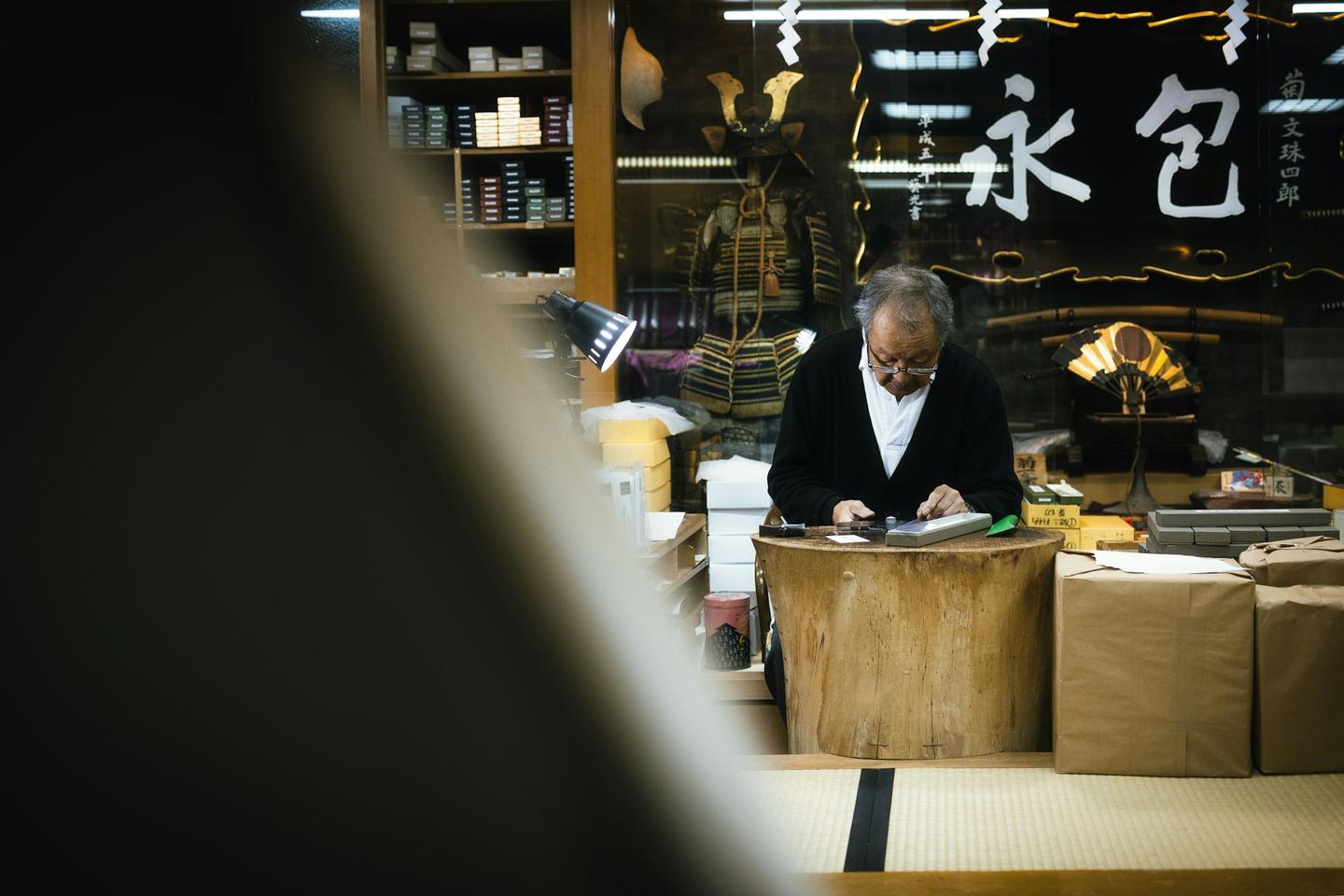
STAYGO's contacts in Tokyo and Kyoto, with ryotei, temples, artisans and cultural institutions, have been built up over years. They are kept up the same way: we stay in touch when we have nothing to ask for, we send guests the house will be glad to receive, and we know what each place expects of the people it lets in.
For Signature and Bespoke clients, this work sits inside the itinerary rather than beside it as a paid extra. It is most of what the job actually is: knowing who to ask, and being in a position to ask them. What that work consists of, in detail.
QUESTIONS, ANSWERED
What private experiences in Japan cannot be booked online or through apps?
Traditional ryotei (private dining establishments), after-hours private access to museums and temples, visits to working artisan workshops in fields such as lacquerware, ceramics, and textile dyeing, and closed-garden viewings at private Kyoto estates are among the experiences that cannot be self-booked. They require introductions from established intermediaries.
How do you get a reservation at a traditional ryotei in Japan?
Japan's finest ryotei do not accept walk-ins or online reservations from unknown guests. They operate by referral from existing clients or through established hotel concierges and travel specialists with prior relationships with the establishment. STAYGO maintains direct connections with select ryotei in Tokyo and Kyoto that are not accessible through standard booking channels.
What is a private temple viewing experience in Japan?
Several Kyoto temples and gardens offer private after-hours access to small groups for an exclusive viewing, typically at dawn or after closing. These include moss gardens, sand gardens, and tea ceremony spaces that are otherwise crowded during public hours. Access requires advance arrangement through a recognized intermediary and cannot be self-booked.
Can I visit a traditional Japanese artisan workshop as a tourist?
Most high-level artisan workshops, lacquerware in Wajima, Nishijin weaving in Kyoto, Kutani ceramics in Ishikawa, do not offer public tours. Some welcome visitors introduced by established contacts. STAYGO arranges private workshop visits where the artisan is willing to share their process with small, respectful groups. These are not commercial demonstrations but genuine working visits.
Does STAYGO offer exclusive Japan experiences not available through standard booking channels?
Yes. STAYGO's service is built around access: to restaurants, temples, artisans, and private spaces that are not available through restaurant booking sites, experience booking sites, or any other self-booking platform. These arrangements are a central part of both the Signature and Bespoke service tiers.
ACCESS THE JAPAN THAT DOESN'T HAVE A BOOKING PAGE
Tell us your dates and what you have in mind. We will tell you what is realistically open to you, and what is not.
Get in touch →