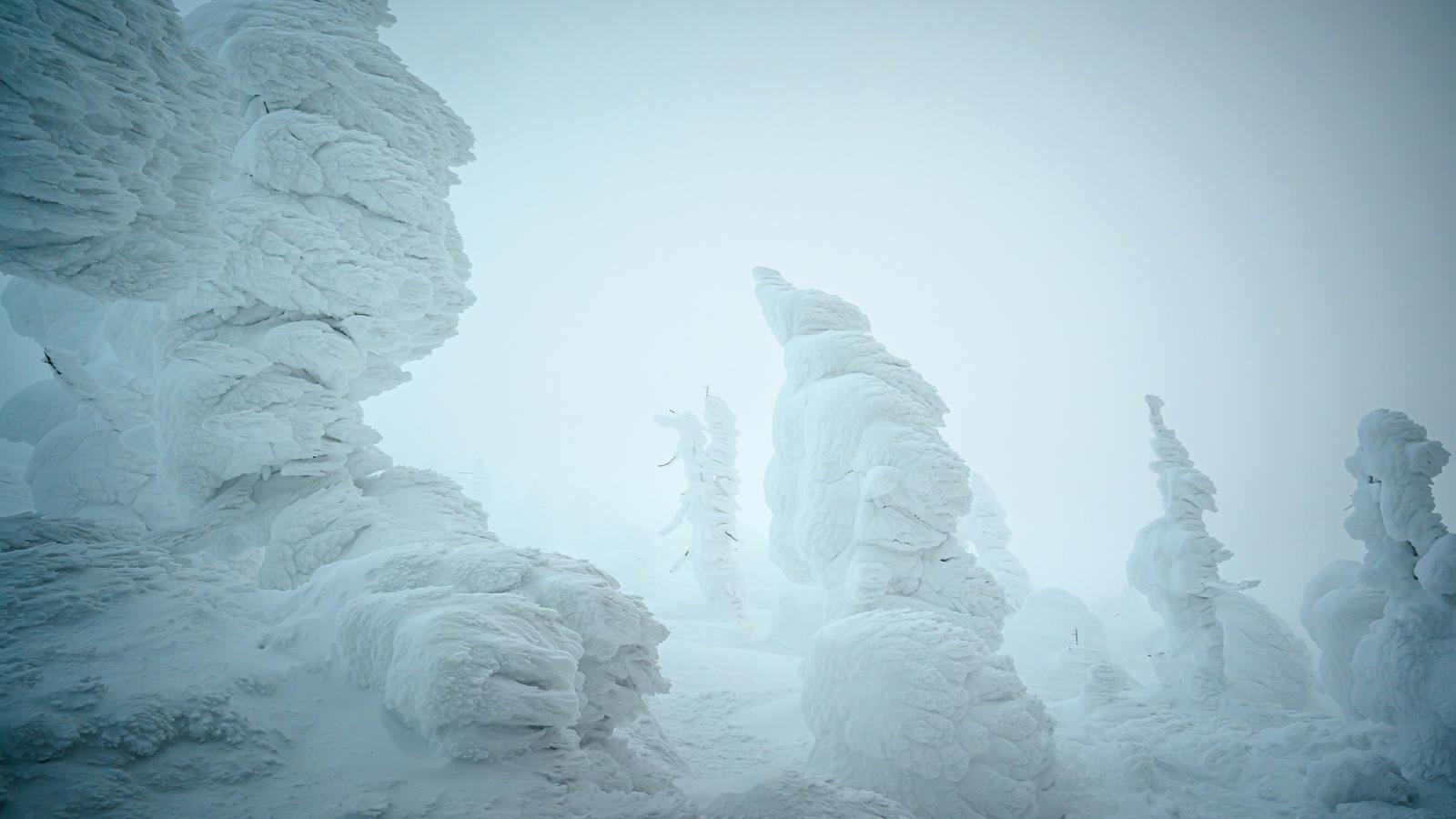
A first journey to Japan from the Gulf usually follows the Golden Route: Tokyo, Kyoto and Osaka, with the family together. The second journey is often a different trip. The director of JNTO's Dubai office has described how Gulf travellers who first came as a family return as a group of friends, and how little of Japan beyond the three great cities is yet known to them. Four to eight friends with ten days and shared passions can go further.
This article sets out three passions that run deep in the Gulf, horses, speed and the beauty of the wild, and the places in Japan where each is at its finest: samurai horsemen in Fukushima in late May, the circuit and car museum at the foot of Mount Fuji, and the snow monsters of Zao in the depth of winter. We read the organisers' and operators' own pages, city and prefectural sources, and Japanese, Arabic and European press, and contacted none of them; the sources are listed at the end. For how a second trip differs from a first in general, see Japan First Trip vs Second Trip: Routes, Days and Ryokan →.
Key points
- Soma Nomaoi, a samurai horse festival in Fukushima with roots in the Heian period, is now held on the last Saturday, Sunday and Monday of May.
- Its second day brings the armoured horse race and the sacred banner contest at Hibarigahara, which need a viewing ticket.
- At Fuji Speedway, visitors can drive three laps behind the pace car in a rented Toyota GR or ride with a staff driver, and the circuit hotel has 120 rooms including 21 suites.
- Zao's snow monsters grow through January and are at their largest in February; a heated snowcat runs evening tours among them.
- Ten days can hold two of these, with rooms of the same grade for every friend and one coordinator for the whole group.
TELL US WHAT YOUR GROUP LOVES →
WHY THE SECOND TRIP CHANGES
JNTO's Dubai office has given a clear picture of the Gulf market in the Japanese trade press. Gulf travellers stay ten days to two weeks, most first trips centre on the Golden Route, and awareness of the regions is close to zero. After a first family journey, the second tends to become a trip among friends, and the made-to-measure planning shifts with it. In a conversation with the Jalan Research Center, JNTO added that its posts about lush green nature draw by far the most attention from the region.
Japan's tourism bodies are moving the same way. The Arabic travel trade press reported in July 2025 that JNTO had launched a campaign in the Gulf focused on promoting new areas of Japan. Friends on a second trip have seen the temples and the crossings. We build their journey around one or two passions the whole group holds, and let the region follow.
SAMURAI HORSEMEN IN LATE MAY
Soma Nomaoi is held across the Soma region of Fukushima, with its main stage at the Hibarigahara festival ground in Minamisoma, and is designated a National Important Intangible Folk Cultural Property. The organisers trace it to the Heian period, when Taira no Masakado is said to have released wild horses on the plains, captured them and offered them to the gods, training his warriors as he did so. The Soma clan carried the custom north, and it has continued as the festival of the Soma family shrines since the samurai age ended.
For generations it was held in late July. In November 2023 the executive committee moved it to the last Saturday, Sunday and Monday of May, citing the effect of recent summer heat on people and horses. The first May festival, from 25 to 27 May 2024, brought out 382 mounted riders, according to the Minamisoma mayor's report. For Gulf friends this is a happy change. Late May in Tohoku is green, fresh and comfortable, exactly the nature the region responds to.
The second day, a Sunday, is the heart of it. After the procession through the town in the morning, the armoured horse race starts at Hibarigahara at noon in the organisers' standard schedule, followed at 13:00 by the sacred banner contest, in which the riders compete for sacred banners. Both take place inside the festival ground and need a viewing ticket. On the third morning, at Soma Odaka Shrine, riders drive horses into the precinct for the nomakake, and a horse is offered to the shrine. The committee has completed its poster for 2027 and lists the standard schedule; the 2027 programme will be confirmed nearer the time. For more of the north, see Tohoku: Japan's Quieter North →, and for the pilgrims of Yamagata, Yamabushi Training at Dewa Sanzan: Mount Haguro and Its Pilgrim Lodges →.
SPEED AT THE FOOT OF MOUNT FUJI
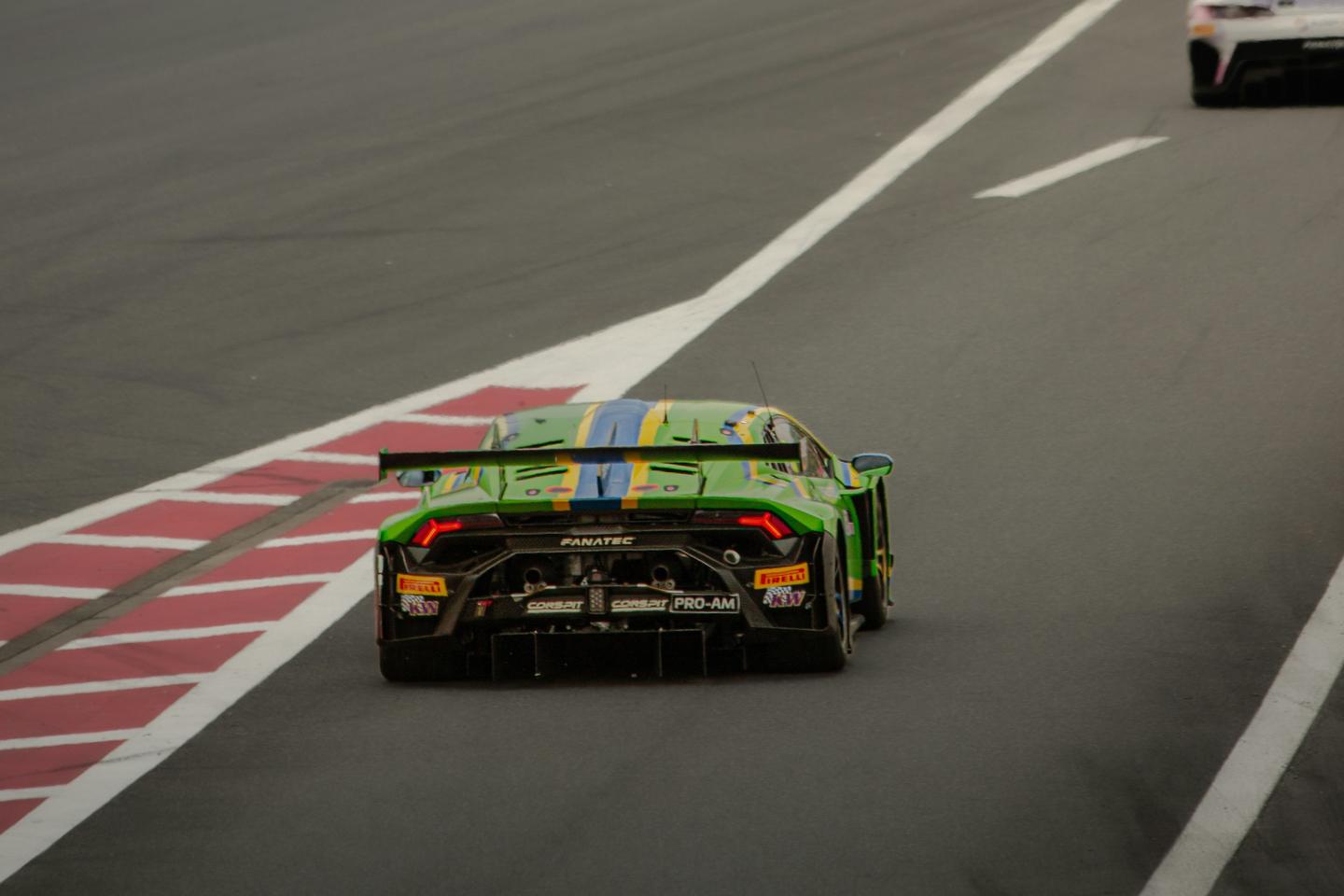
Fuji Speedway sits in Oyama, Shizuoka, with Mount Fuji rising behind it. The International Racing Course measures 4,563 metres a lap, and the prefecture's tourism site notes the view of the mountain from Dunlop Corner. Beside it, a Toyota group project, the Fuji Motorsports Forest, has placed the Fuji Speedway Hotel, part of Hyatt's Unbound Collection. The European business travel press reported 120 rooms including 21 suites, each with a private balcony over the circuit or towards Mount Fuji, and a motorsport museum inside overseen by the Toyota Automobile Museum.
That museum, the Fuji Motorsports Museum, describes itself as perhaps the first of its kind to hold a permanent exhibition with the cooperation of ten Japanese and overseas manufacturers, presenting around forty exhibits across 130 years of racing. It opens from 10:00 to 17:00 all year, with an English audio guide; a group of friends will spend an unhurried hour there before lunch.
On days without races the track opens to visitors. The circuit rents Toyota GR cars, from the GR Yaris to the GR Supra, for three laps behind its pace car, generally around noon, on a first-come basis with limited advance places for hotel guests; an International Driving Permit is accepted, and a manual car needs a licence held for three years or more. For those who prefer to be driven, the circuit taxi takes passengers round three laps with skilled staff in cars such as the GR Supra and the R35 GT-R, with three slots a day. Everything depends on the circuit's calendar, so we fix the day around it.
ZAO AND ITS SNOW MONSTERS
On the upper slopes of Mount Zao in Yamagata, the winter wind off the Sea of Japan coats Maries' firs in snow and ice until they become juhyo, the snow monsters. The Zao Ropeway explains the conditions plainly: in January and February clear days are rare, the wind averages 10 to 15 metres a second and the temperature averages minus 10 to minus 15°C. The trees grow through January, are at their largest in February, and in March thin and collapse with the warmth and rain. The ropeway climbs to Jizo Sancho station at 1,661 metres.
The evening is the finest time. The ropeway lights the snow monsters after dark, and its Night Cruiser, a heated snowcat, runs tours from Juhyo Kogen station among them, departing at 17:00, 18:00, 19:00 and 20:00, about seventy-five minutes in all with some thirty minutes aboard. Reservations open seven days before and are taken online only, so we keep the evening free and ask for places as soon as they open.
Below the mountain lies Zao Onsen, whose spring, according to the local tourism association, was found some 1,900 years ago. The research behind JNTO's Gulf work notes that guests from the region value privacy and prefer a bath in their own room to a large shared one, so we choose ryokan where each friend has a room with its own bath. A January journey can begin in Tokyo, where Hama-rikyu Gardens, once the shogun's hawking ground, held a demonstration of traditional falconry on 3 January 2026, and continue north to Zao. More winter ideas are in Japan in Winter: Snow Monkeys, Powder Snow, and Empty Temples →.
CHOOSING THE SEASON
Each passion has its window, and ten days hold two of them comfortably. Late May pairs Soma Nomaoi with the green of Tohoku, and Fuji Speedway is an easy addition at either end of the trip from Tokyo. Mid-September brings horses to Kamakura, where Tsurugaoka Hachimangu holds its annual festival from 14 to 16 September, with yabusame, a mounted archery born in the Kamakura period; a few days at the circuit hotel and a day in Kamakura make a week of horses and engines. January and February belong to Zao, with Tokyo at the start. For the dates of other festivals across the year, see Japanese Festival Calendar: Holidays and Customs by Month →.
TRAVELLING WELL AS FRIENDS
A group of friends asks something different of a journey. No one should have the lesser room, so we look for hotels and ryokan that can give every friend a room of the same grade, often on one floor or in one wing, with a suite or private room where the group gathers in the evening. Dinners run later and longer, so we ask for private dining rooms and times that suit the group. Japanese kitchens can prepare meals without pork and alcohol when asked in advance, with the ingredients shown so that each guest can choose; stricter halal is arranged on request, as described in Halal Fine Dining in Japan: Halal Wagyu, Kaiseki, Prayer Rooms →. We set the days around prayer times. English is enough for the group; we handle the Japanese.
Cars matter more in the regions. Soma, the circuit and Zao are easiest by road from the nearest station, so we plan one car for every few friends with drivers who stay with the group for the day; the costs are set out in Private Driver in Japan Cost: Tokyo, Airport and Day Trip Rates →.
WHERE STAYGO COMES IN
Within Signature, our planning for journeys of 7 to 21 days, we begin with what your group loves and draw the season, the places and the rooms from it, with one coordinator who answers to all of you in English. The festival seats, track time, snowcat places, hotels, ryokan, restaurants and cars are arranged by us and settled with each of them in the simplest way available, usually on your hotel bill or on the day. Festival tickets, circuit days and evening tours are released by their organisers on their own schedules; we ask on your behalf at the right moment, and the organiser decides.
SOURCES AND HOW WE CHECKED
We read the pages below on November 5, 2026. We did not contact any organiser, operator, hotel or other body. Festival times are the organisers' standard schedule and may change for 2027.
- Soma Nomaoi Executive Committee, FAQ (Japanese): held on the last Saturday, Sunday and Monday of May; ticket for the second-day events
- Soma Nomaoi Executive Committee, official site (Japanese): three days, National Important Intangible Folk Cultural Property, standard schedule, 2027 poster
- Soma Nomaoi Executive Committee, History (Japanese): origins with Taira no Masakado and the Soma clan
- Soma Nomaoi Executive Committee, Change of dates, 3 November 2023 (Japanese, PDF): move from July to May, warming, two horses lost
- Minamisoma City, Mayor's press conference, 13 June 2024 (Japanese, PDF): 25 to 27 May 2024, 382 riders
- Zao Ropeway, Juhyo and light-up (Japanese): how the snow monsters form, wind and temperature, growth by month
- Zao Ropeway, Night Cruiser tour (Japanese): departures 17:00 to 20:00, about 75 minutes, reservations from seven days before
- Zao Ropeway, News, 29 October 2026 (Japanese): Jizo Sancho station at 1,661 metres
- Zao Onsen Tourism Association (Japanese): the spring found some 1,900 years ago
- Fuji Speedway, Experience driving: three laps behind the pace car, International Driving Permit, GR rental, circuit taxi
- Fuji Motorsports Museum, Concept: ten manufacturers, around 40 exhibits, 130 years of racing
- Fuji Motorsports Museum, FAQ: 10:00 to 17:00, open all year, English audio guide
- Explore Shizuoka (Shizuoka Prefectural Tourism Association), Fuji Speedway: 4,563 metres a lap, view of Mount Fuji from Dunlop Corner
- Voyages d'Affaires, Fuji Speedway Hotel: 120 rooms including 21 suites, balconies, museum overseen by the Toyota Automobile Museum
- Tokyo Metropolitan Government, New Year at the gardens 2026 (Japanese, PDF): falconry at Hama-rikyu on 3 January 2026
- JNTO, Tsurugaoka Hachimangu: annual festival on 14, 15 and 16 September, yabusame from the Kamakura period
- Travel Voice, interview with JNTO's Dubai office (Japanese): ten days to two weeks, second trips among friends, Golden Route
- Jalan Research Center, conversation with JNTO (Japanese): green nature, in-room baths, no pork and alcohol, English
- Tourism Daily News, JNTO campaign in the Gulf, 21 July 2025 (Arabic): promoting new areas of Japan
QUESTIONS TRAVELLERS ASK
When is Soma Nomaoi held?
On the last Saturday, Sunday and Monday of May, since the festival moved from late July in 2024. The armoured horse race and the sacred banner contest take place on the Sunday at Hibarigahara and need a viewing ticket.
Can visitors drive at Fuji Speedway?
Yes, on days without races. The circuit rents Toyota GR cars for three laps of the International Racing Course behind its pace car, and an International Driving Permit is accepted. Its circuit taxi also takes passengers round with a staff driver.
When are the snow monsters of Zao at their best?
The trees grow through January and are at their largest in February, according to the Zao Ropeway. In March they thin and collapse as it warms.
How do you plan rooms for a group of friends?
We look for hotels and ryokan that can give every friend a room of the same grade, often on one floor, with a suite or private room for the evenings. In ryokan we choose rooms with their own bath.
Can meals be prepared without pork and alcohol?
Yes, when asked in advance, with the ingredients shown so that each guest can choose. Stricter halal dining can be arranged on request.
TELL US WHAT YOUR GROUP LOVES
Send us your season, the number of friends and the passions you share. We will draw a journey beyond the Golden Route around them, with the rooms, the cars and the days set out side by side.
Begin planning →We reply within 24 hours, in writing
Some of the restaurants and bars we arrange seat guests only by introduction or membership. We ask on your behalf; the table and the evening are the house's decision. We do not publish their names.