Singapore knows Japan unusually well. In the Japan Tourism Agency's visitor survey for 2025, only 24.7 percent of travellers from Singapore were on their first trip, while 27.4 percent were on their sixth or later. They stayed 9.1 nights on average and spent ¥319,901 each, 9.9 percent more than the year before. The Japan National Tourism Organization describes Singapore as a mature market in which more than eight in ten people who travel abroad have already been to Japan, and in which those who come most often spend the most.
This article is for the traveller who has done Tokyo, Kyoto and Osaka, has skied or eaten in Hokkaido, and is now planning a fifth journey or a tenth. It sets out the regions still worth the flight, the inns that make the trip on their own, and how Singapore's 2027 school holidays fit each one. We read the survey, JNTO's strategy, the Ministry of Education's calendar and the inns' and operators' own pages, and contacted none of them; the sources are listed at the end. For the step from a first trip to a second, see Japan First Trip vs Second Trip: Routes, Days and Ryokan →.
Key points
- About a quarter of visitors from Singapore in 2025 were on a first trip, and more than a quarter were on their sixth or later.
- By the fifth visit the inn is often the reason for the journey: few rooms, a private hot-spring bath, and a kitchen that cooks its own region.
- Hokuriku, eastern Hokkaido, San'in, the Inland Sea and the small onsen towns of Tohoku each reward three nights or more.
- Singapore's 2027 school holidays fall on 13 to 21 March, 29 May to 27 June, 4 to 12 September and from 20 November.
- The year-end break opens with the crab season on the Sea of Japan and the first weeks of the red-crowned cranes in eastern Hokkaido.
ASK US WHERE YOUR NEXT JOURNEY LIES →
WHAT A FIFTH VISIT ASKS FOR
JNTO's 2026 strategy for Singapore notes that interest in the regions is growing, and for travellers in their fifties and above it names hot springs, historic inns, gardens and old townscapes. It also singles out households in the top tenth by disposable income, S$300,000 a year or more, as a group it hopes to bring to the regions. That matches what a seasoned traveller tends to ask of us: fewer moves, longer stays, and a place to stay that is worth arriving for.
In practice the fifth journey changes shape. Instead of five cities in ten days, it becomes two or three regions, three nights in each, explored from the inn by car. Each change of hotel costs most of a day, as set out in How Many Hotel Changes Are Too Many in Japan? →, and a seasoned traveller usually prefers to spend that day at the bath or the table.
HOKURIKU IN THE CRAB MONTHS
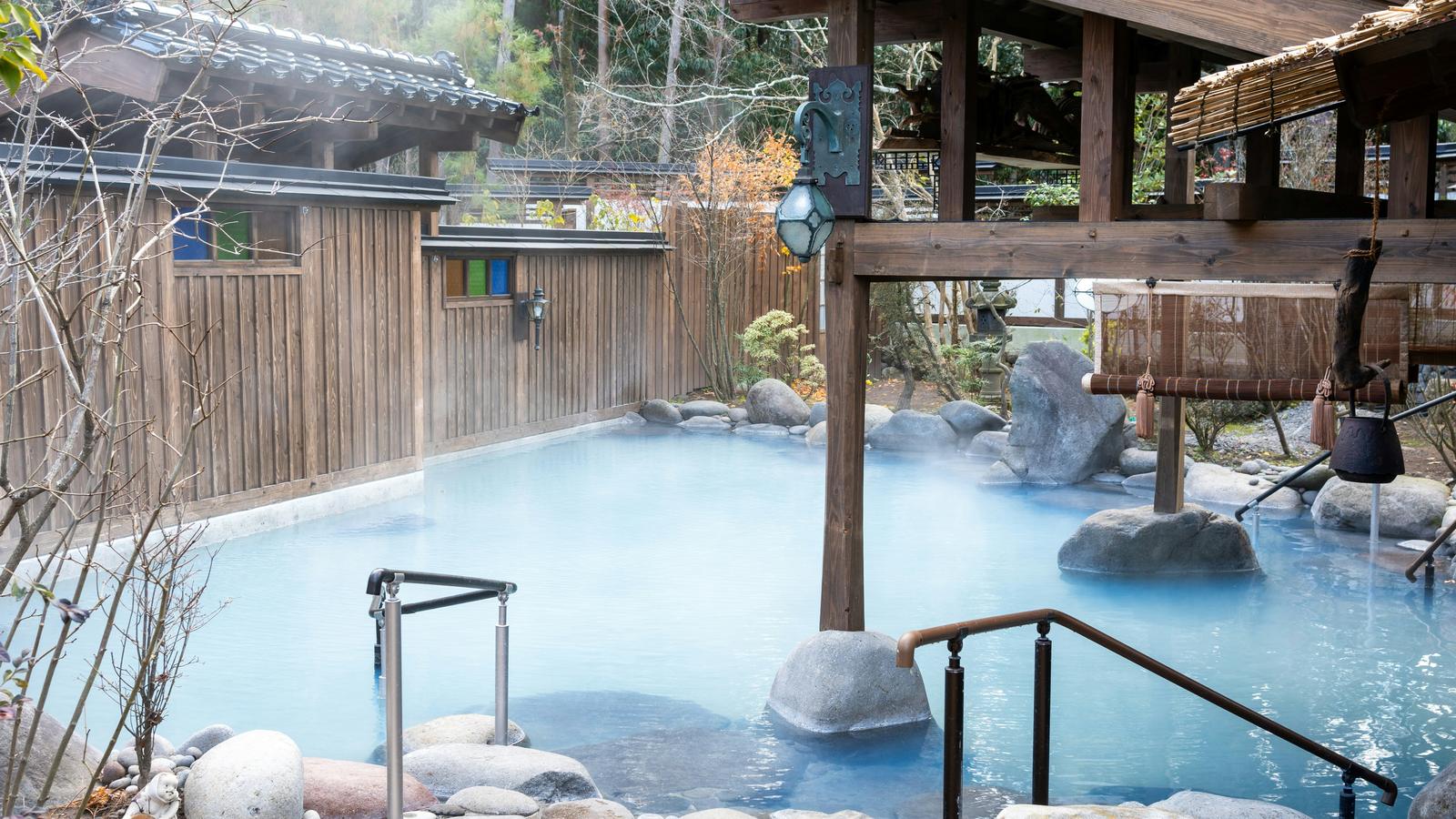
Hokuriku, on the Sea of Japan, suits travellers who already know Kyoto well. Kanazawa is its centre, but the deeper pleasure lies in the hot-spring towns of Kaga to the south. Beniya Mukayu in Yamashiro Onsen has 16 rooms, all facing its Forest Garden, and each with a private open-air hot-spring bath. In Ishikawa the crab season opens on 6 November, and the male crab, landed with a blue tag naming its port, may be caught until 20 March. The whole region, from Toyama to Fukui, is set out in Hokuriku at the Top Level: Kanazawa, Kaga Onsen, Toyama and Fukui →.
THE FAR EAST OF HOKKAIDO
Many travellers from Singapore know Sapporo, Niseko and Furano. The east is a different Hokkaido: the volcanic lakes of Akan and Mashu and the Shiretoko peninsula. At Lake Akan, Akan Tsuruga Besso Hinanoza has 25 rooms in five types, and every one is a suite with its own open-air hot-spring bath. In winter, the red-crowned cranes gather at Tsurui from late November to mid-March. The lakes, the Ainu kotan, the Five Lakes and the drift ice are described in Eastern Hokkaido: Akan and Shiretoko in Summer and Winter →.
SAN'IN AND THE GARDEN AT ADACHI
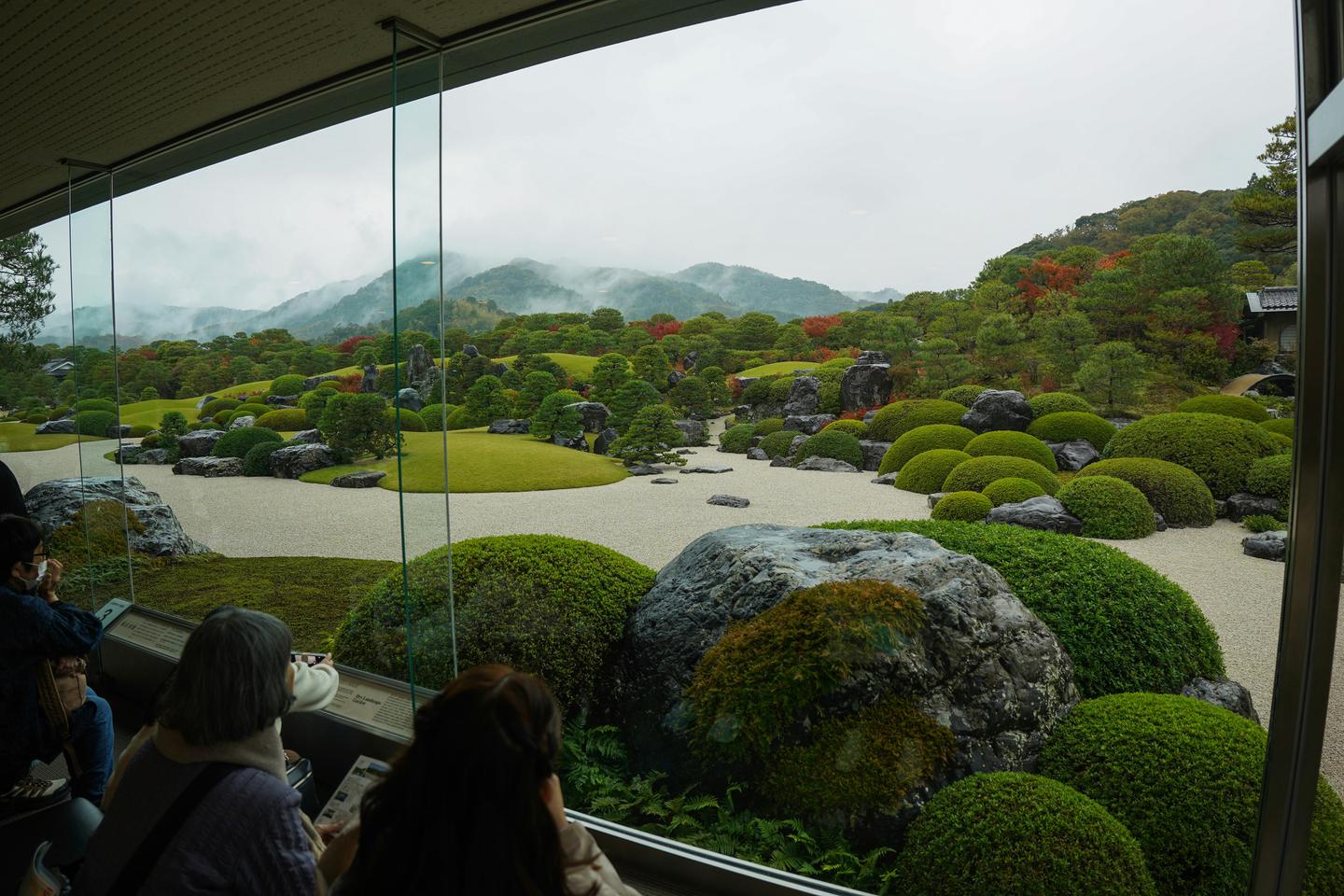
The San'in coast, facing the Sea of Japan in Shimane and Tottori, lies away from the routes most travellers take through western Japan. Its best-known reason to travel is the Adachi Museum of Art at Yasugi. Its garden of about 165,000 square metres, with a dry landscape garden, a moss garden and a white gravel and pine garden, was named Japan's finest by the US journal Sukiya Living for 21 years in a row by its 2023 ranking. Inside hang modern Japanese paintings, with Yokoyama Taikan at the heart of the collection, and a hall is given to the ceramics of Kitaoji Rosanjin.
The museum changes its main exhibition with the seasons; the winter exhibition runs from 1 December 2026 to 28 February 2027, when the garden may be seen under snow. A day here sits well with a stay of two or three nights in the region.
THE INLAND SEA BY SHIP
Many travellers know Naoshima. A fifth visit can take the Seto Inland Sea more slowly. guntû is a ship built like a small ryokan, with 17 wood-panelled cabins designed by the architect Yasushi Horibe, a six-seat sushi counter and baths in hinoki cypress; reservations are open for voyages through May 2027. On land, Setoda and Onomichi are described in Onomichi and Setoda on the Seto Inland Sea →, and the islands of art in Beyond Naoshima: Seto Inland Sea Art Islands →.
TOHOKU AND THE SMALL ONSEN TOWN
Tohoku, in the north of Honshu, has some of Japan's most intimate hot-spring towns. Ginzan Onsen in Yamagata has 13 inns along its river, and several are very small: two have four rooms, one six, one seven and two eight. In such a town the inn and the street become one place, especially in snow. The wider region is covered in Tohoku: Japan's Quieter North →, and the mountain pilgrimage of Dewa Sanzan in Yamabushi Training at Dewa Sanzan: Mount Haguro and Its Pilgrim Lodges →.
FARTHER STILL
Beyond these lie journeys we have written about on their own, each needing three nights or more: the vine bridges and river baths of the Iya Valley in Shikoku, the pilgrim roads of Koyasan and the Kumano Kodo, the cedar forest of Yakushima, the churches of Nagasaki and the Goto Islands, and the hot springs and castles of Kyushu.
THE 2027 SCHOOL CALENDAR
Singapore's Ministry of Education has set the 2027 holidays for primary and secondary schools: 13 to 21 March, 29 May to 27 June, 4 to 12 September, and from 20 November to 31 December. Each suits a different part of Japan.
The March week comes at the end of winter in the north. The male crab season in Ishikawa runs until 20 March, and the icebreaker at Abashiri sails among the drift ice until 31 March. The June holidays suit eastern Hokkaido: at Kushiro the average daily high in June is 15.8°C and in July 19.6°C, according to the Japan Meteorological Agency's climate normals. The September week is early autumn in the north, with an average high of 20.1°C at Kushiro.
The year-end break is the richest. It opens two weeks into the crab season, with the snow ropes rising over the pines of Kenroku-en in Kanazawa and the cranes returning to Tsurui. Inns plan their own calendars around the New Year, however. Last winter, Kayotei in Yamanaka Onsen offered its crab menus from 7 November but not between 30 December and 6 January, so a late-November or early-December journey often suits better than the last week of the year.
HOW WE ARRANGE THE FIFTH JOURNEY
Within Signature, our planning for journeys of 7 to 21 days, we begin from what you have already seen and what you would like to feel this time: the bath, the table, the season, the walk. We then propose two or three regions and the inns that suit them, with the reasons, and arrange the inns, cars and tables. Some of the restaurants we arrange accept guests only by introduction; we ask on your behalf, and the decision is always the house's.
SOURCES AND HOW WE CHECKED
We read the pages below on November 5, 2026. We did not contact any inn, museum, ministry or other body.
- Japan Tourism Agency, Consumption Trends of International Visitors, 2025 annual report (PDF, Japanese): Singapore's first-time and repeat visitors, nights and spending per person
- Japan National Tourism Organization, Singapore market strategy (PDF, Japanese): a mature market, over 80 percent with prior Japan travel, regional interest, the high-income sub-target
- Ministry of Education, Singapore, School terms and holidays for 2027: the four vacation periods
- Beniya Mukayu, Guest Rooms: 16 rooms facing the Forest Garden, each with a private open-air hot-spring bath
- JF Ishikawa, Wajima branch, on the crab season (Japanese): 6 November to 20 March for the male crab and its blue tag
- Akan Tsuruga Besso Hinanoza, Rooms (Japanese): five room types, all suites with an open-air hot-spring bath
- Wild Bird Society of Japan, Tsurui-Ito Tancho Sanctuary: the best time to see the cranes
- Nippon.com, Japanese Garden at Adachi Museum of Art Enjoys 21 Years at the Top (December 21, 2023): the ranking, the garden's area and styles
- Adachi Museum of Art, official site: collections, Rosanjin Hall and the 2026 to 2027 exhibition calendar
- guntû, official site: 17 cabins, the architect, the sushi counter and baths, reservations through May 2027
- Ginzan Onsen, Inns (Japanese): the 13 inns and their numbers of rooms
- Abashiri drift ice icebreaker Aurora, fares and timetable (Japanese): sailing from 20 January to 31 March
- Japan Meteorological Agency, climate normals for Kushiro, 1991 to 2020 (Japanese): average daily highs by month
- Kayotei, 2025 crab and duck menus (Japanese): dates of last winter's crab menus and the New Year exclusion
QUESTIONS TRAVELLERS ASK
Where should I go on a fifth trip to Japan?
Choose two or three regions you have not yet seen and stay three nights in each. Hokuriku, eastern Hokkaido, San'in, the Inland Sea and Tohoku all suit a seasoned traveller, and each has inns worth the journey.
Is a room with a private hot-spring bath worth it?
For many returning travellers it is the point of the stay. You bathe when you like, as long as you like, with the garden or the lake in front of you. Beniya Mukayu in Kaga and Hinanoza at Lake Akan give every room its own open-air bath.
Which part of Japan suits each of Singapore's 2027 school holidays?
The March week suits the last of the winter crab and the drift ice, the June holidays suit cool eastern Hokkaido, September suits early autumn in the north, and the year-end break suits Hokuriku's crab season and the cranes of eastern Hokkaido.
Is the New Year a good time for a ryokan?
It can be, but many inns change their menus and rates over the New Year, and some seasonal menus are not served then. Late November and early December often give the same season with more choice.
Can two new regions fit into one week?
Yes, if they lie close together: Kanazawa with the Kaga hot springs, or San'in with the Inland Sea. Eastern Hokkaido is better given a week of its own, or joined to Sapporo.
ASK US WHERE YOUR NEXT JOURNEY LIES
Tell us where you have already been and what you loved. We will propose the regions and the inns for your next journey, with the reasons, and arrange them around your dates.
Begin planning →We reply within 24 hours, in writing
Some of the restaurants and bars we arrange seat guests only by introduction or membership. We ask on your behalf; the table and the evening are the house's decision. We do not publish their names.