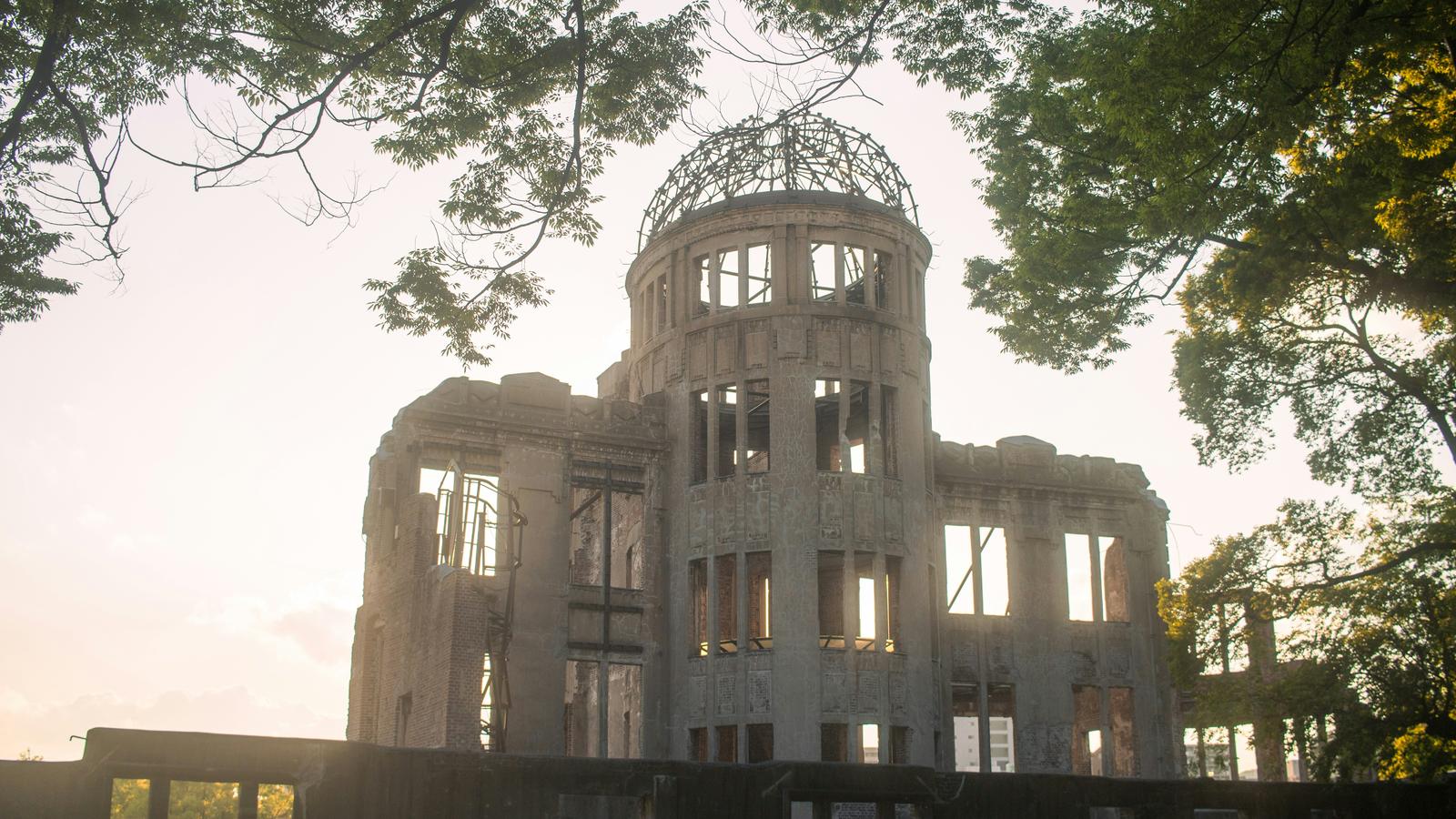
For many travellers from India, Hiroshima is a name learned at school long before it becomes a place on an itinerary. The Japan National Tourism Organization says so plainly in its market handbook for India. Hiroshima appears in most Indian journeys to Japan because children learn about Hiroshima and Nagasaki in class, because India takes a close interest in nuclear questions, and because a deep strand of pacifism runs through its religious traditions. Miyajima, with its shrine standing in the sea, is loved for the same blend of tended nature and old tradition that draws Indian visitors to Kyoto.
Until recently most of those visitors came for the day from Osaka or Kyoto. JNTO notes a change: since 2024, overnight stays in Hiroshima by Indian travellers have grown markedly, and companies have begun to choose the city for incentive trips. This article explains what two nights add, one in the city and one on the island, and why the hours at either end of the day are the ones that matter. We read the pages of JNTO, the Peace Memorial Museum, Itsukushima Shrine, the Miyajima Tourist Association, JR West's Miyajima ferry, the Japan Meteorological Agency, a Hiroshima hotel and Indian and Japanese press on November 5, 2026, and contacted none of them; the sources are listed at the end. Our wider guide, with Hiroshima's food and three ryokan on the island, is Hiroshima & Miyajima, Beyond the Narrative.
Key points
- On May 20, 2023, during the G7 summit, Prime Minister Narendra Modi unveiled a 42-inch bronze bust of Mahatma Gandhi beside the Motoyasu River, close to the A-Bomb Dome.
- JNTO reports that overnight stays in Hiroshima by Indian travellers have grown markedly since 2024, after years of day trips from the Kansai region.
- The Peace Memorial Museum opens at 7:30 every morning. Entry to the permanent exhibition between 7:30 and 8:30 needs an online reservation, an hour that only guests staying in the city can easily use.
- Itsukushima Shrine on Miyajima opens at 6:30 a.m. all year. A night on the island puts you at its gate before the day's visitors arrive.
- Hotels in Hiroshima fill early in the cherry blossom weeks; its normal flowering date is March 25, with full bloom on April 3.
LET US PLAN TWO NIGHTS IN HIROSHIMA →
WHY HIROSHIMA MEANS SOMETHING IN INDIA
JNTO describes Hiroshima as a city that Indian travellers, especially older ones, see as a symbol of post-war recovery and of peace. That recognition grew in May 2023, when Japan invited Prime Minister Narendra Modi to the G7 summit in Hiroshima. On May 20 he unveiled a bust of Mahatma Gandhi, a gift from India, and JNTO notes that the news was widely reported at home.
The bust is 42 inches tall, cast in bronze by the sculptor Ram Vanji Sutar, and stands beside the Motoyasu River, close to the A-Bomb Dome that thousands of people pass every day. "This bust in Hiroshima gives a very important message," Mr Modi said at the unveiling, and he added that the Bodhi tree he had given to the Japanese prime minister had been planted in Hiroshima. For an Indian family, standing before Gandhi's face across the river from the Dome is often the moment that turns a history lesson into a memory.
AN EVENING IN THE PEACE PARK
A day trip arrives at midday, when the park is at its busiest, and leaves in the afternoon. Staying the night allows a different order. We bring guests into the city in the afternoon, settle them at the hotel, and walk the park as the light falls, beginning at the Gandhi bust and the river, then the Dome, then the long view across the park to the museum. The evening walk is quiet and unhurried, and it prepares the family for the morning.
Many wealthy Indian travellers prefer an international hotel brand, as the Japanese inbound journal Yamatogokoro reports. Hilton Hiroshima stands on Peace Boulevard, the broad avenue that leads to the park, about ten minutes by car from Hiroshima Station. We choose the room and the hotel for each family's size and habits, with connecting rooms where the house can offer them.
THE MUSEUM AT 7:30
The Hiroshima Peace Memorial Museum opens at 7:30 in the morning throughout the year. It closes at 18:00 from December to February, at 19:00 from March to July and from September to November, and at 20:00 in August. Entry to the permanent exhibition between 7:30 and 8:30, and again in the last hour of each day, requires an online reservation made in advance.
Those first hours are the reason to sleep in Hiroshima. The rooms are calmer, and a family can move through them at its own pace with a guide who knows when to speak and when to stay silent. We arrange the early entry as soon as the dates are fixed, arrange a guide who speaks English or Hindi when one is available, and keep the rest of the morning free, because few visitors want to hurry straight from the museum to the next sight.
MIYAJIMA AFTER THE LAST BOATS
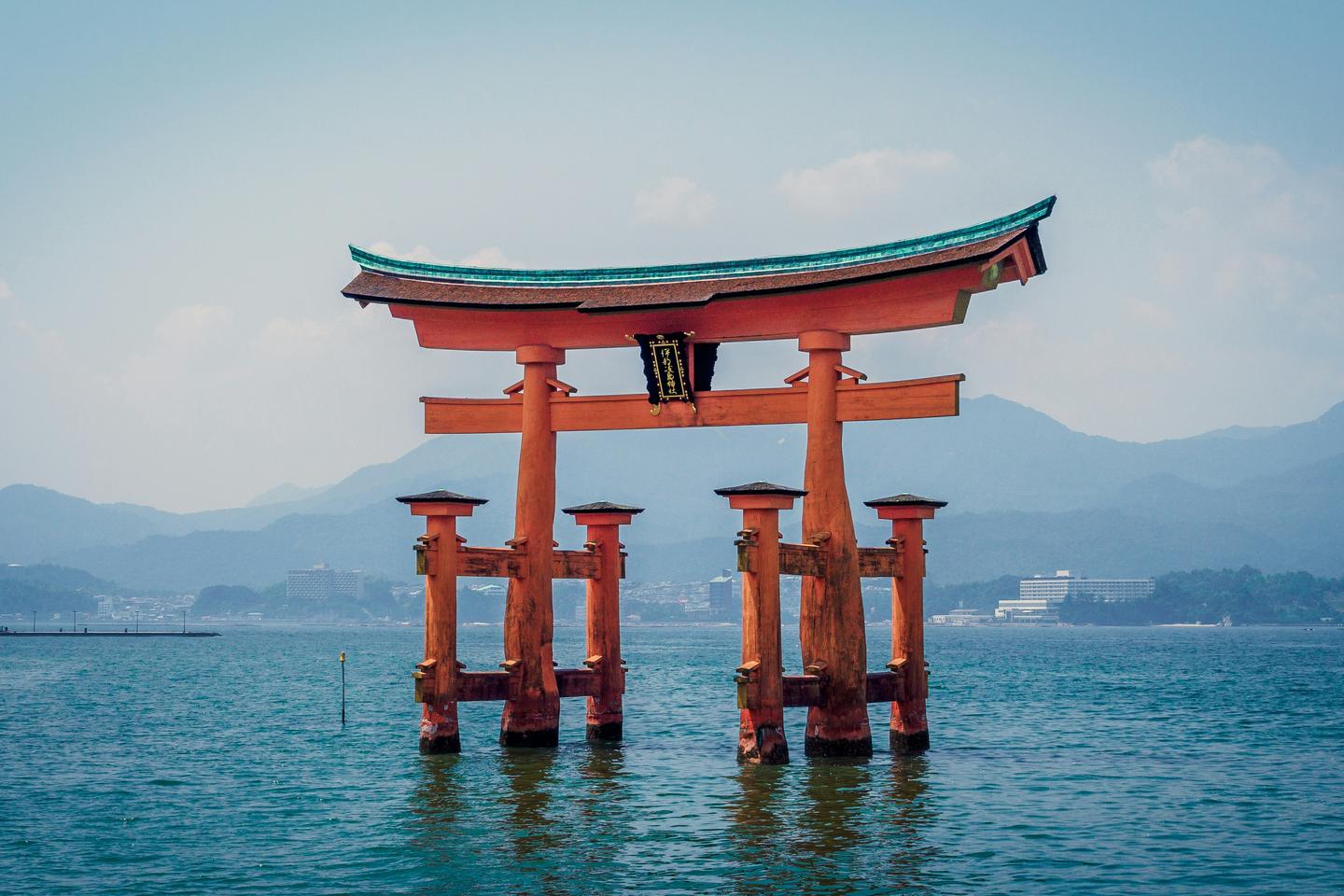
Itsukushima Shrine was founded, according to its own history, in 593, and the present buildings follow the plan of Taira no Kiyomori, who rebuilt the shrine in 1168 in the style of a Heian nobleman's residence over the water. It was inscribed as a UNESCO World Heritage Site in 1996. The shrine opens at 6:30 a.m. every day of the year apart from New Year's Day, when it opens at midnight. It closes at 18:00 from March 1 to October 14, at 17:30 from October 15 to November 30 and from January 4 to the end of February, and at 17:00 in December.
For the island, staying the night changes everything. After the last day visitors leave, the lanes empty and the torii stands in the dusk with only the deer for company. In the morning you can be at the shrine's gate at 6:30 and walk its corridors over the water before the first full ferries cross. By day, JR West's ferries from Miyajimaguchi between 9:10 and 16:10 run as Great Torii services that pass close to the gate, a fine way to arrive. The three ryokan we suggest on the island are described in our Hiroshima and Miyajima guide.
DAISHOIN AND A QUIET MORNING
Above the shrine, Daishoin is one of the most respected temples of the Shingon school in western Japan. The Miyajima Tourist Association records that Emperor Toba founded a prayer hall there in the 12th century, that the temple kept close ties with the Imperial Family until the 19th century, and that Emperor Meiji stayed there in 1885. A morning walk up to its halls, after the shrine and before the island fills, gives the second day its pace.
SPRING AND AUTUMN IN HIROSHIMA
JNTO notes that cherry blossom has become a strong draw for Indian travellers, and that hotels in Tokyo, Osaka, Kyoto and Hiroshima fill early in the blossom weeks. The Japan Meteorological Agency's normal date for the first flowers in Hiroshima is March 25, with full bloom on April 3, a little ahead of Kyoto. A spring journey that stays in Hiroshima should be settled well before the new year. October and November bring cooler days and suit families travelling around Diwali.
WHERE THE TWO NIGHTS FIT
Within Signature, our planning for journeys of 7 to 21 days, Hiroshima usually takes two nights between Kyoto and the Inland Sea, or between Kyoto and a flight home from Osaka. From Hiroshima, the islands of the Seto Inland Sea and the floating ryokan guntû make a natural next step, as described in Onomichi and Setoda: Hillside Temples, Lemon Islands and guntû. We arrange the hotels and ryokan, the museum entry, the guides, the cars and the luggage, and settle each in the simplest way available. For vegetarian and Jain meals on the island and in the city, we write to every kitchen in advance, as set out in Vegetarian and Jain Dining in Japan: A Luxury Traveler's Guide.
SOURCES AND HOW WE CHECKED
We read the pages below on November 5, 2026. Hours change with the season, so we confirm them again for each journey. We did not contact the museum, the shrine, any hotel or other body.
- JNTO, Visit Japan market handbook 2025, India (Japanese): why Hiroshima appears in Indian itineraries, Miyajima, the Gandhi bust, overnight stays since 2024, cherry blossom demand
- JNTO, visitor arrivals, December 2025 estimate (Japanese): visitors from India in 2025
- The Week, May 20, 2023: the bust's height, bronze, sculptor, place beside the Motoyasu River, the Prime Minister's words
- Hiroshima Peace Memorial Museum, hours: 7:30 opening, closing by season, reservations for the first and last hour
- Itsukushima Shrine, history: 593, Taira no Kiyomori in 1168, World Heritage in 1996
- Itsukushima Shrine, hours and admission: 6:30 opening and closing times by season
- Miyajima Tourist Association, Daishoin: Shingon temple, Emperor Toba, Emperor Meiji in 1885
- JR West Miyajima Ferry, timetable: Great Torii services between 9:10 and 16:10
- Japan Meteorological Agency, cherry flowering dates (Japanese): Hiroshima's normal of March 25
- Japan Meteorological Agency, cherry full bloom dates (Japanese): Hiroshima's normal of April 3
- Hilton Hiroshima, access (Japanese): on Peace Boulevard, about 10 minutes by car from Hiroshima Station
- Yamatogokoro, the Indian market today (Japanese): preference for international luxury brands
QUESTIONS TRAVELLERS ASK
How many nights should we spend in Hiroshima and Miyajima?
Two: one in the city, for the Peace Park at dusk and the museum at 7:30, and one on Miyajima, for the shrine at 6:30 before the day's visitors arrive.
Where is the Gandhi bust in Hiroshima?
Beside the Motoyasu River, close to the A-Bomb Dome. Prime Minister Narendra Modi unveiled it on May 20, 2023, during the G7 summit.
What time does the Peace Memorial Museum open?
At 7:30 every morning. Entry to the permanent exhibition between 7:30 and 8:30 requires an online reservation, which we arrange for you once the dates are fixed.
When does Itsukushima Shrine open?
At 6:30 a.m. every day except New Year's Day. Closing time is between 17:00 and 18:00 depending on the season.
Can we eat vegetarian or Jain food on Miyajima?
With notice. We write to the ryokan and restaurants in advance with your family's rules and confirm the answers before you travel.
ASK US TO PLAN TWO NIGHTS IN HIROSHIMA
Tell us when you are travelling, who is coming and what Hiroshima means to your family. We will set out the evening, the morning at the museum and the night on the island with the reasons, so that you can choose the pace.
Begin planning →We reply within 24 hours, in writing
Some of the restaurants and bars we arrange seat guests only by introduction or membership. We ask on your behalf; the table and the evening are the house's decision. We do not publish their names.