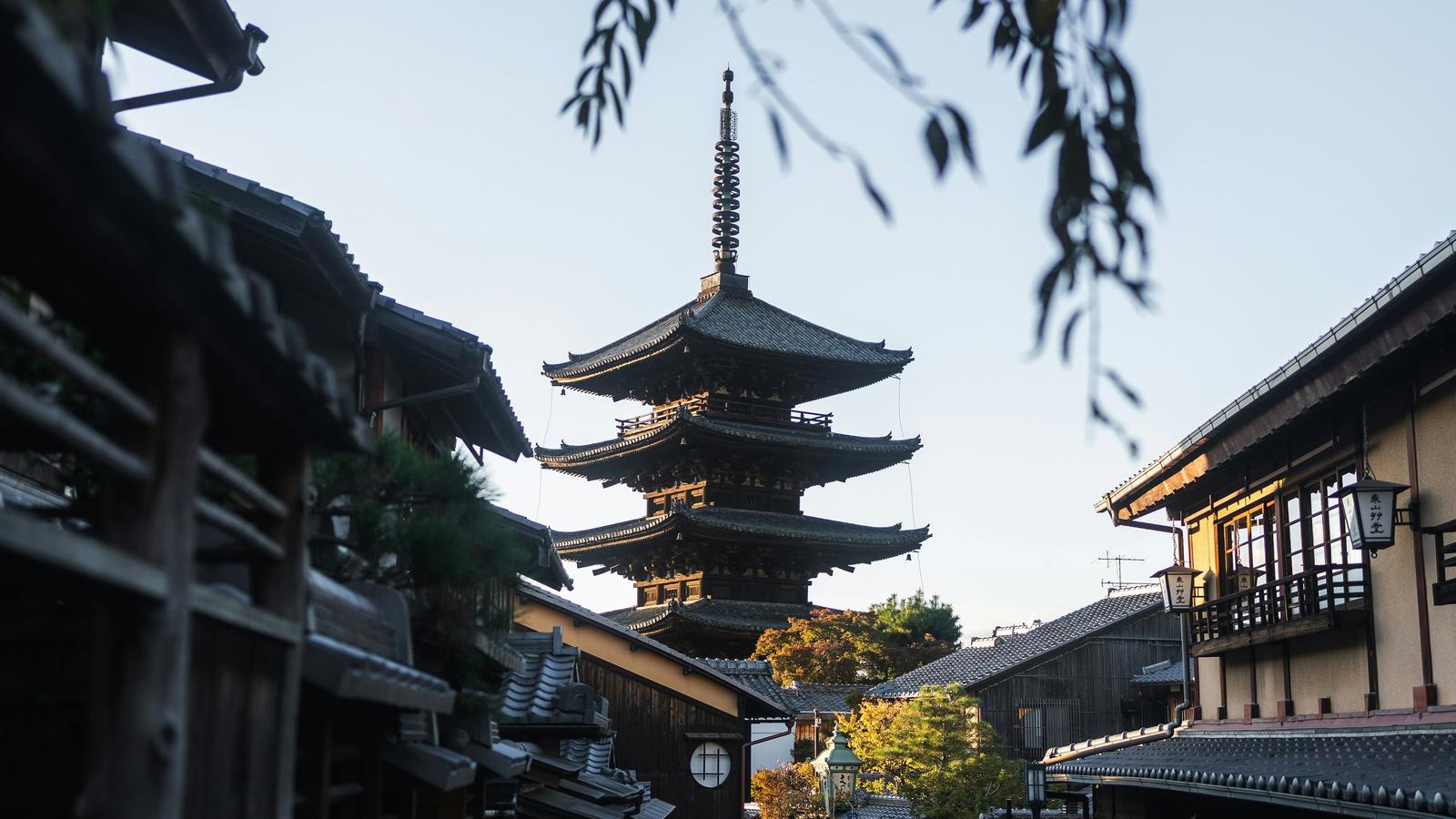
The days people remember from Japan are often the ones with the least in them: a morning at a temple before the crowds, an afternoon in the bath at a ryokan, a walk with no destination through a neighbourhood they found by chance. Those days rarely happen by accident on a full itinerary. They need room, and room has to be planned.
This article sets out how much free time a luxury Japan itinerary should hold and where to put it: around jet lag, around the travel days, in the hours of the day when places are calm, and in the seasons when weather makes plans less certain. We read the U.S. Centers for Disease Control and Prevention, the Japan Meteorological Agency, Japan's Ministry of the Environment and Cabinet Office, the Kyoto tourism authorities, a museum, a temple and hotels' own pages, and contacted none of them; the sources are listed at the end. For how often to change hotels, see How Many Hotel Changes Are Too Many in Japan? →.
Key points
- As a working rule, one day in seven with nothing fixed, and the afternoon after each travel day left open.
- Jet lag takes time: the CDC gives an average adjustment of about one hour a day after flying east and one and a half hours after flying west.
- One fixed engagement a day, such as a guided visit or a dinner reservation, leaves the rest of the day free to follow.
- Early mornings are the quiet hours. Kiyomizu-dera in Kyoto opens at 6:00, and Kyoto publishes hourly forecasts of how busy its main sights will be.
- In summer and the typhoon season, free time is also a buffer: the heat stroke alert runs from late April to late October, and typhoons approach Japan most in August and September.
ASK US ABOUT THE PACE OF YOUR TRIP →
WHY FREE TIME BELONGS IN THE PLAN
Japan rewards attention more than speed. A garden changes with the light, a shopping street with the hour, a ryokan with the second evening. A schedule that fills every hour turns each of these into a stop. Free time lets the journey answer to what you find: a second visit to a place you liked, a long lunch, a rest when the day before was long.
It also protects the reservations that matter. A dinner booked months ahead, a private visit or a tea ceremony is best approached rested and on time. When the hours around it are open, a delayed train or a slow morning costs nothing.
JET LAG AND THE FIRST DAYS
The CDC's Yellow Book gives an average rate of adaptation of about 1.5 hours a day after flying west and about 1 hour a day after flying east, and advises getting daylight at the destination time. For a traveller flying east to Japan, from Europe or India, several days pass before the body is fully on local time.
We keep the arrival day free, with at most a short walk and an early dinner near the hotel, and plan the first full day lightly, with the most important engagement no earlier than the second or third day. The last day before a long flight home is kept light as well.
THE DAY AFTER TRAVEL
A change of hotel takes most of a day. HOSHINOYA Kyoto, for example, gives check-in at 15:00, and its boat from the foot of the Togetsu Bridge runs from 14:30 to 17:45. At a ryokan, dinner is usually served around 18:00 or 19:00, and japan-guide.com recommends arriving at least an hour before. Arrival afternoons are therefore for the bath, the garden and the room. We do not plan anything else on them, and we keep the next morning slow.
HOW MUCH, IN PRACTICE
Our working rule for a private journey is one day in seven with nothing fixed, the afternoon after each travel day left open, and no more than one fixed engagement on any day. Over a fortnight that means two free days and three or four free afternoons. Over three weeks, three free days, which is one reason a longer journey often feels more relaxed than a short one; see 14 Days vs 21 Days in Japan: Is the Extra Week Worth It? →.
A free day still has a shape. For each open day we suggest two or three things that need no reservation: a garden that opens early, a neighbourhood to walk, a museum, a café, a bath. You choose on the morning, or choose nothing.
THE QUIET HOURS
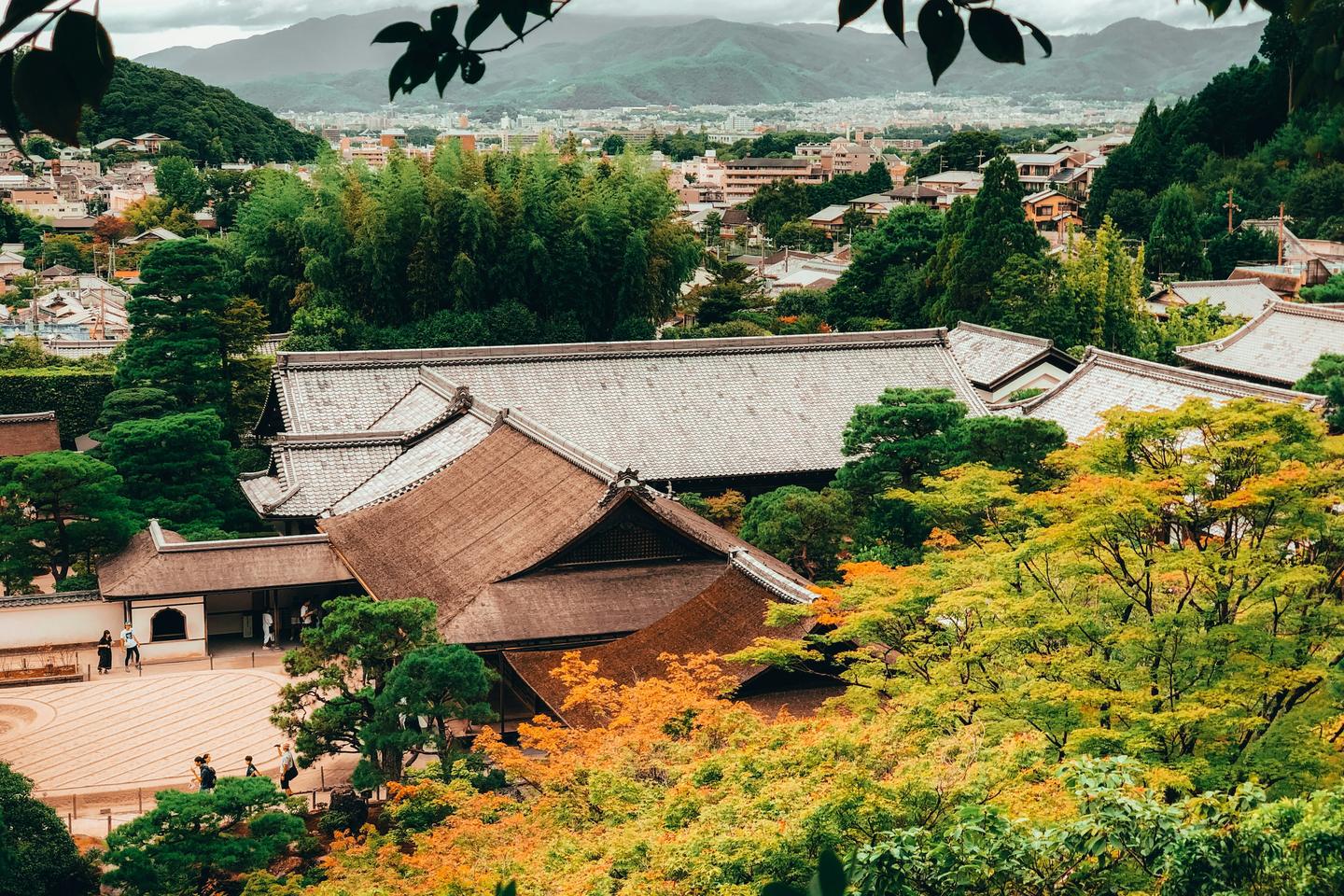
Many of Japan's best-known places are calm early in the day. Kiyomizu-dera in Kyoto opens at 6:00, with closing times that change by season. Kyoto City's tourism authorities publish a comfort forecast that rates crowding at popular spots in seven areas of the city on a five-level scale, hour by hour from 6:00 to 23:00, with a choice of fine or rainy weather. An early start on a free morning, followed by a long late breakfast, often shows a place at its best.
Museums have their own rhythm. The Tokyo National Museum opens at 9:30 and closes at 17:00, and is closed on Mondays, except when Monday is a public holiday. Checking the closing days before fixing a free day avoids arriving at a closed door. For more on timing visits around crowds, see How to Avoid the Crowds in Japan in 2026 →.
SEASONS THAT NEED MORE ROOM
Weather is the other reason for slack. Japan's Ministry of the Environment and the Japan Meteorological Agency issue a heat stroke alert when the heat index known as WBGT is forecast to reach 33 or higher; the alert operates from the fourth Wednesday of April to the fourth Wednesday of October. On such days we move walking to the morning and evening and keep the afternoons indoors or in the room.
Typhoons approach Japan an average of 11.7 times a year in the 1991 to 2020 records, most often in August and September, at 3.3 each. In the rainy season, the Agency gives the normal dates for the Kanto region around Tokyo as about June 7 to July 19. In these months we leave a free day near any fixed date that matters, so that a postponed boat or garden visit has somewhere to go.
Holidays matter too. In 2027 Japan's Golden Week holidays fall on April 29 and May 3, 4 and 5, according to the Cabinet Office. Domestic travel is heavy, and a quiet day at the hotel can be more pleasant than a crowded sight.
LUGGAGE AND LIGHT TRAVEL DAYS
Sending large suitcases ahead turns a travel day into something closer to a free one. Yamato Transport delivers luggage between hotels as early as the next day, so you can leave in the morning with a small bag, stop for lunch on the way and arrive unburdened. See Luggage Forwarding in Japan: Sending Bags Between Hotels and the Airport →.
Within Signature, our planning for journeys of 7 to 21 days, the free days are drawn into the itinerary from the first draft, each with a few suggestions and the reasons for them, so that the open time is as considered as the rest. The reservations around them are arranged by us and settled with each place in the simplest way available.
SOURCES AND HOW WE CHECKED
We read the pages below on November 4, 2026. We did not contact any hotel, museum, temple or other body.
- CDC Yellow Book, Jet Lag Disorder: about 1 hour a day after eastward travel, 1.5 hours after westward, daylight at destination time
- Kiyomizu-dera, Location and opening hours: opens at 6:00, closing time by season
- Kyoto City and Kyoto City Tourism Association, Kyoto comfort forecast (Japanese): five levels, seven areas, hourly from 6:00 to 23:00
- Tokyo National Museum, Hours and admission: 9:30 to 17:00, closed on Mondays
- Ministry of the Environment, Heat Stroke Alert: WBGT 33 or higher, from the fourth Wednesday of April to the fourth Wednesday of October
- Japan Meteorological Agency, typhoon averages (Japanese): 11.7 approaches a year, 3.3 in August and September
- Japan Meteorological Agency, rainy season in Kanto-Koshin (Japanese): normal start about June 7, end about July 19
- Cabinet Office, National holidays (Japanese): holidays for 2026 and 2027
- HOSHINOYA Kyoto, Maps and directions: boat from 14:30 to 17:45
- japan-guide.com, Ryokan guide: arrival: check-in from 15:00, dinner around 18:00 or 19:00
- Yamato Transport, Hands-free travel: delivery as early as the next day
QUESTIONS TRAVELLERS ASK
How many free days should a two-week Japan trip have?
About two, plus the afternoon after each travel day. One day in seven with nothing fixed keeps a fortnight relaxed without losing anything important.
Should I plan anything on the day I arrive in Japan?
Very little. Jet lag takes several days to settle, and the CDC advises getting daylight at the local time. A short walk and an early dinner near the hotel are enough.
What is the best time of day to see Kyoto's temples?
Early morning. Kiyomizu-dera opens at 6:00, and Kyoto publishes an hourly comfort forecast for its main sights that shows the quieter hours.
Do I need more free time in summer?
Yes. The heat stroke alert operates from late April to late October, and typhoons approach most often in August and September. Free afternoons and a spare day near important dates help.
What do you do on a free day in Japan?
Whatever the morning suggests. We leave two or three ideas that need no reservation, such as a garden, a walk or a museum, and you choose on the day, or choose to rest.
ASK US ABOUT THE PACE OF YOUR TRIP
Send us your dates and what you would most like to see. We will draft a journey with the free days and the quiet hours drawn in from the start, each with the reasons, so that the pace is set before you land.
Begin planning →We reply within 24 hours, in writing
Some of the restaurants and bars we arrange seat guests only by introduction or membership. We ask on your behalf; the table and the evening are the house's decision. We do not publish their names.