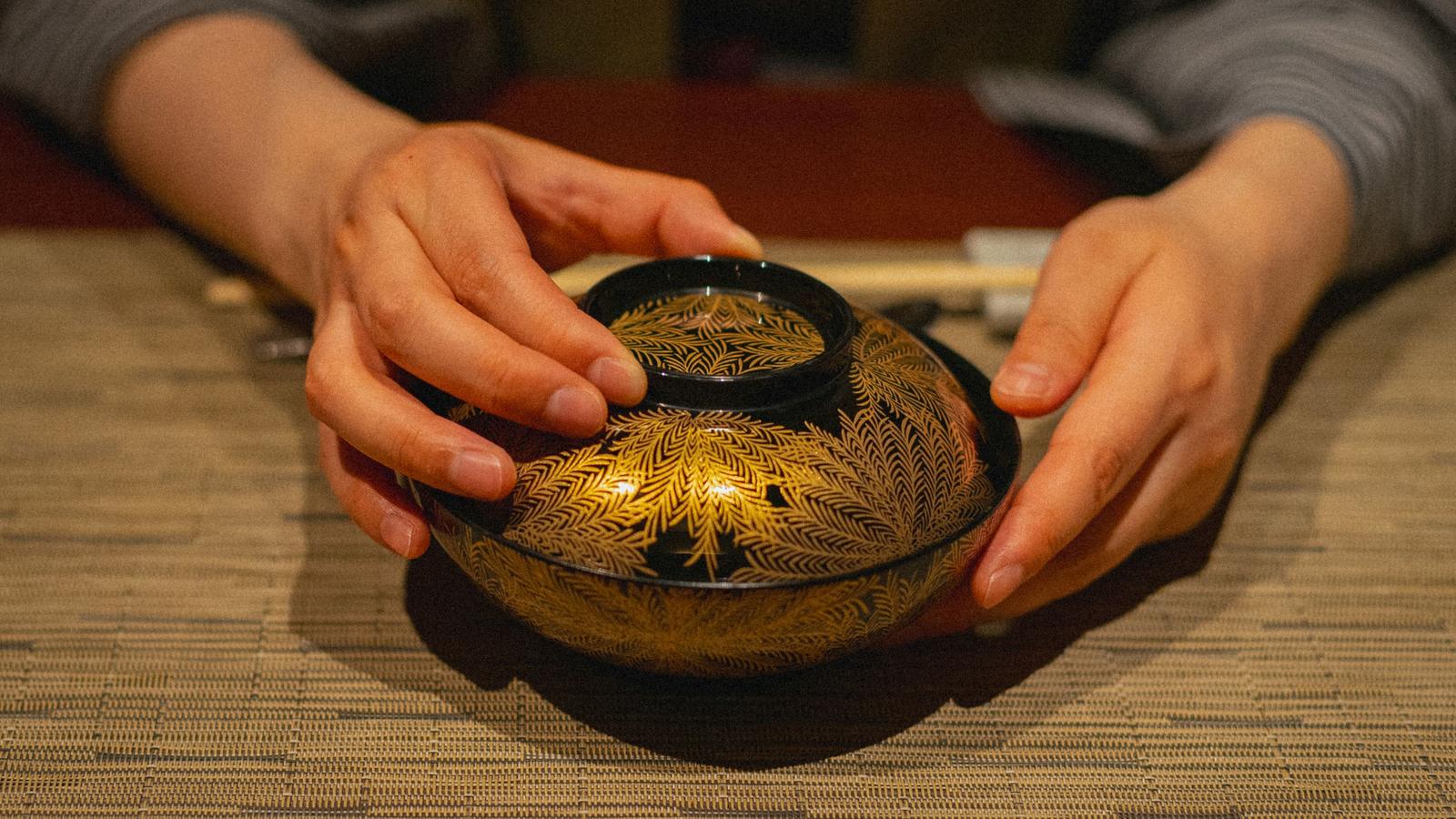
An incentive journey is a company's way of saying thank you to the people who carried the year. When the people are few and senior, a chairman's circle of six couples, a board's visit, the ten best performers of the year with their partners, the trip has to feel personal. Japan suits that well: it is safe, punctual, quiet in the right places, and its hospitality is built on anticipating what a guest needs before it is asked.
This guide is for Indian companies planning that kind of journey for a small group of leaders or VIP guests. It covers why Japan is drawing more Indian travellers, flights and the eVISA, the cars and the luggage, hotels in Tokyo and Kyoto, private dinners and culture, and meals for vegetarian and Jain guests. We read Japan's national tourism organisation, the airlines, the operators' own pages, Kyoto City, the travel trade press and Indian business press on November 2, 2026, and did not contact any of them; the sources are listed at the end. For a family journey, see Luxury Japan Travel for Indian Families: A Complete Private Travel Guide →.
Key points
- Japan's national tourism organisation counted 315,100 visitors from India in 2025, up 35.2 percent on 233,061 in 2024. Its Delhi office has spoken of a rise in incentive and MICE travel from India.
- Japan Airlines flies nonstop from Delhi to both Haneda and Narita, the Narita route daily from January 17, 2026, and from Bengaluru to Narita.
- The eVISA introduced for Indian travellers in April 2024 is a single-entry tourist visa for stays of up to 90 days and does not allow paid work or revenue-generating activities.
- A chauffeured Alphard costs from ¥74,000 for eight hours in Tokyo and a Lexus LM from ¥84,000, at Tokyo MK's published fares, tax included.
- Nijo Castle in Kyoto opens sixteen spaces to companies and organisations for events, through its plan for corporate use.
Ask us about a journey for your leaders →
WHY INDIAN COMPANIES ARE CHOOSING JAPAN
The numbers are moving quickly. Japan's national tourism organisation, JNTO, counted 315,100 visitors from India in 2025, a preliminary figure up 35.2 percent on the 233,061 of 2024. Speaking to the Indian trade paper Trav Talk in March 2025, Ryo Bunno, executive director of JNTO's Delhi office, said the office was seeing more group travel and a rise in the incentive market, particularly in the MICE segment, and growing interest among Indian corporates and MICE planners in new locations for their events.
The flights are there. Japan Airlines flies nonstop between Delhi and Haneda, added a daily Delhi to Narita service from January 17, 2026, and flies Bengaluru to Narita, and it shares codes with IndiGo on its Japan and India routes, the trade paper Travel Voice reported. JNTO itself supports companies planning incentives in Japan, with recommendations on venues and activities, introductions to cities and suppliers, help with site visits before a destination is chosen, and welcome letters and guidebooks, though what is available varies by city.
The visa needs one early decision. The JAPAN eVISA, introduced for Indian travellers in April 2024, is a single-entry tourist visa for stays of up to 90 days, applied for through VFS Global centres by those living in India, Indian business press reports. It is for tourism only and does not allow paid work or revenue-generating activities. If a reward trip also includes meetings with Japanese partners, ask the embassy or VFS which visa applies before anyone applies.
WHO THIS KIND OF JOURNEY IS FOR
Incentive travel covers everything from a few couples to several hundred people on chartered aircraft. This guide is about the small end. A journey for a handful of leaders and their partners is designed the way a private trip is designed: around the people, their pace, their meals and their faiths, with time together and time apart.
Large groups with charter flights and block bookings belong with a registered travel company. STAYGO is a concierge. We design the journey, arrange the hotels, cars, tables and experiences in the guests' or the company's names, and each supplier invoices directly. We do not sell packages, and we do not hold or pass on payment for flights or for any part of the trip.

EXECUTIVES AND VIP GUESTS
For a senior guest, the car matters more than almost anything else. At Tokyo MK, whose fares were current on May 21, 2026 and include tax, eight hours within Tokyo and up to 120 km start from ¥74,000 in an Alphard or Mercedes-Benz V-Class and from ¥84,000 in a Lexus LM. A transfer from Haneda starts from ¥17,000 in an Alphard and from Narita from ¥45,000. One car per couple, the same driver for the whole stay, and a driver who already knows the day's plan remove the small frictions that tire a senior traveller.
Luggage needs planning too. On the Tokaido Shinkansen between Tokyo and Kyoto, bags whose three sides add up to more than 160 cm need a reserved seat with an oversized baggage area, and a bag brought on without one is charged ¥1,000, JR Central says. For a group, the simpler answer is to send the large cases ahead by courier and travel light; see Luggage Forwarding in Japan: Sending Bags Between Hotels and the Airport →.
SHAPING AN INCENTIVE JOURNEY
A good incentive journey has a rhythm. One or two evenings that bring the whole group together, a recognition dinner and a farewell, and around them days that each couple shapes for themselves: a garden in the morning, a tailor or a jeweller in the afternoon, an hour in the hotel spa. Partners often value the free hours most, and a programme of their own, a tea lesson or a craft studio, makes them guests of the journey in their own right.
For a dinner the group will remember, Kyoto has places that open to companies on their own terms. Nijo Castle publishes a plan for corporate and organisational use with sixteen spaces, from the Seiryu-en garden and its Koun-tei tea house to rooms of the Honmaru Palace, many of them open for dining. Requests go through the castle's own application process and its listed coordinators, and dates depend on the castle. Other evenings work best at a smaller scale: a private room at a kaiseki house, or an evening with maiko, which has its own etiquette; see Maiko Dinner in Kyoto: Introductions, Dances and Gion Rules →.
HOTELS IN TOKYO AND KYOTO
For a group of senior guests, the hotel has to be quiet, discreet and good at the details. Michelin's 2026 Key selection, reported by Travel Voice in September 2026, gave Three Keys to seven hotels in Japan, among them Bulgari Hotel Tokyo, Four Seasons Hotel Tokyo at Otemachi and Palace Hotel Tokyo in Tokyo, and Hotel The Mitsui Kyoto in Kyoto. Capella Kyoto entered the selection with Two Keys.
For a small group, the arrangement matters most: rooms on the same floor, a private room for breakfast if the group wants to meet before the day starts, a kitchen briefed in advance on vegetarian and Jain meals, and a single person at the hotel who knows the whole group. For the neighbourhoods themselves, see Where to Stay in Tokyo: The Best Areas (2026) → and Where to Stay in Kyoto: The Best Areas for a First Visit →.
PRIVATE DINNERS AND CULTURE
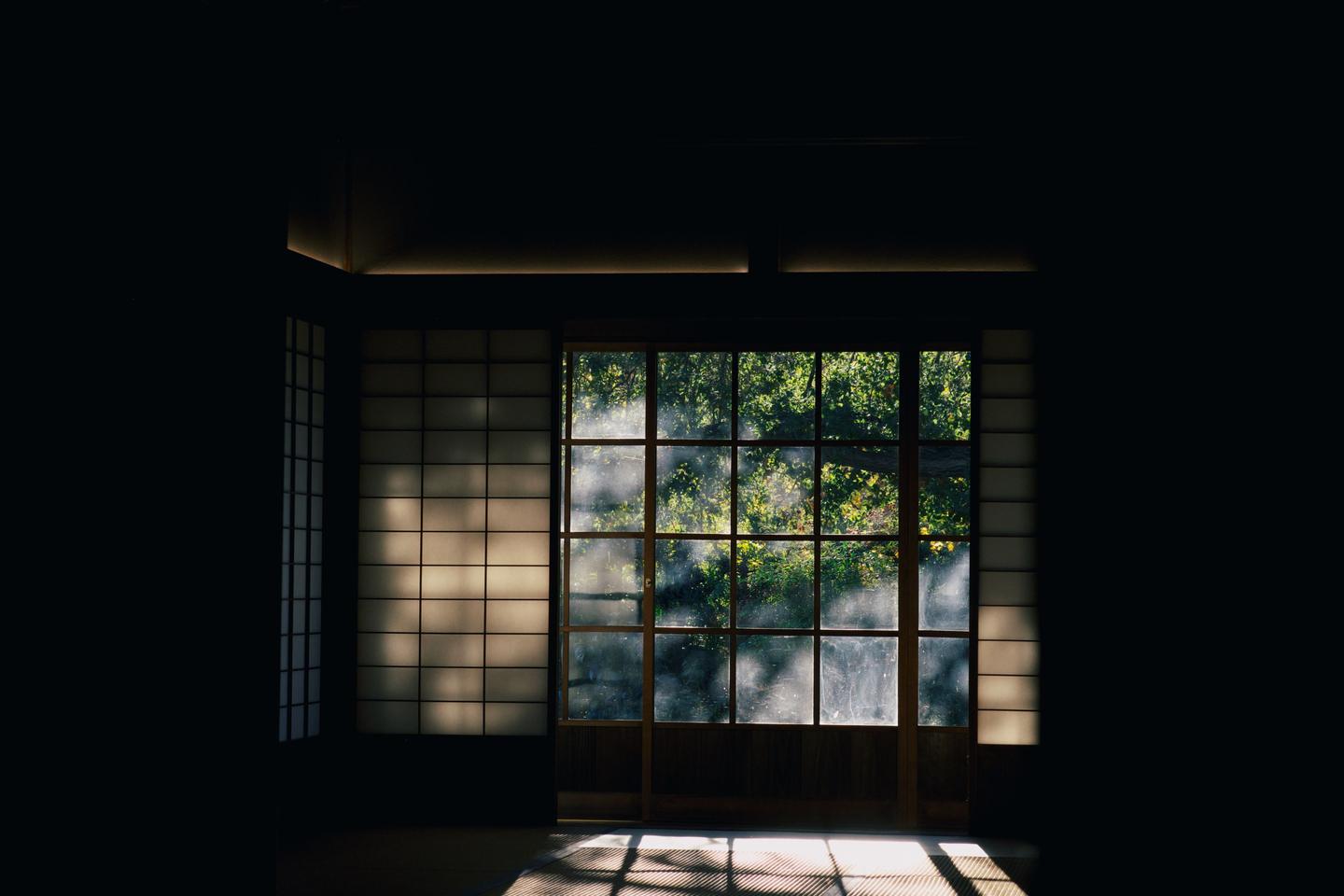
A private room changes a group dinner. At a kaiseki house it means one seasonal menu for the table, served at the group's pace, with space for a short speech between courses. At a temple, a shojin ryori lunch of grains, beans and vegetables fits every vegetarian guest at once; Izusen in Kyoto, for example, serves its temple cooking in bowls modelled on a monk's iron alms bowl.
Groups also carry responsibilities in the old quarters. A message from the Gion neighbourhood, carried by Kyoto's official travel guide, asks visitors not to enter temples, shrines or private property without permission, which can be punished by up to three years in prison or a fine of up to ¥100,000, and not to photograph geiko or maiko without consent. It describes large groups standing on the pavement as a particularly serious inconvenience to residents. A guide who walks ahead and keeps the group moving is part of being a good guest.
MEALS, FAITH AND PACE
Food is where an incentive journey for Indian guests is won or lost. Japan's national tourism organisation warns that dishes that look vegetarian often contain meat, bonito flakes or fish stock, and that asking for vegetarian food may not be enough, because the word is understood loosely. It advises naming every ingredient to avoid, including dashi, and telling restaurants in advance. Temple cooking avoids garlic and onion, though some kitchens use dairy.
For Jain guests, many of whom also avoid root vegetables, each kitchen needs a written list well before the date, and a set menu needs to be rebuilt by the chef. We prepare that list for each guest, in Japanese, and confirm the answer from every restaurant in writing. The full guide to eating this way is Vegetarian and Jain Dining in Japan: A Luxury Traveler's Guide →. Pace matters as well: two significant dinners a week, simple evenings in between, and no early starts after a late night.
A JOURNEY DESIGNED FOR THE FEW
The group lands at Haneda in the morning and each couple finds its own car at the door. There is no welcome desk in the lobby, only a quiet room with tea and the week's plan printed for each guest in English. On the third evening the group meets for dinner in a private room in Kyoto, where the chairman says a few words between courses and the chef has cooked a vegetarian menu without onion or garlic for the whole table. The next morning, half of them are in a garden before it opens to the crowds, and the other half are still asleep. Both were planned.
WHERE STAYGO COMES IN
For a company, we design the journey and arrange each part of it: the hotels and rooms, the cars and drivers, the private dinners and the meals for every guest, the culture, and an interpreter where one is needed. We arrange everything in the guests' or the company's names, and the hotels, restaurants and drivers invoice and are paid directly at their own prices, with no commission or markup from us. Flights are booked by your company's own travel desk or agent. Our planning fee is separate and for the whole group: Signature is USD 3,500 for a journey of 7 to 14 days, and Bespoke is priced after a first conversation for larger or more complex groups.
SOURCES AND HOW WE CHECKED
We read the pages below on November 2, 2026: JNTO for arrivals, incentive support and vegetarian dining; the airline's announcement through the trade press; Indian business press for the eVISA; the operators' own pages for cars, trains and a restaurant; Kyoto City for Nijo Castle and Kyoto's official travel guide for Gion; and the trade press for the Michelin selection. We could not open the Embassy of Japan in India's visa pages from Japan on that date. We did not contact any of the places named.
- Japan National Tourism Organization, visitor arrivals, December 2025 (preliminary): India: 315,100 in 2025, up 35.2 percent on 233,061
- Trav Talk, 233k Indians visited Japan in 2024, March 25, 2025: JNTO Delhi on group, incentive and MICE travel
- JNTO Japan Meetings and Events, incentive support services: what JNTO offers incentive planners, by city
- Travel Voice, JAL to launch daily Narita to Delhi flights and codeshare with IndiGo: the January 17, 2026 start and JAL's India routes
- Business Today, Japan eVISA eligibility and fees, January 19, 2026: tourism only, single entry, up to 90 days, VFS
- Outlook Traveller, Japan begins issuing e-visas for Indian travellers, April 2024: launch on April 1, 2024 through VFS Global centres
- Tokyo MK, fares (Japanese): eight hour and airport fares, as of May 21, 2026, tax included
- JR Central, oversized baggage on the Tokaido Shinkansen: the 160 cm rule and the ¥1,000 charge
- Nijo Castle, Kyoto City, venues for corporate use (Japanese): the sixteen spaces and where dining is allowed
- Travel Voice, Michelin Key hotel selection 2026 in Japan: the Three Key hotels in Tokyo and Kyoto, Capella Kyoto
- Kyoto City official travel guide, a message from southern Gionmachi: private property, photography, penalties, groups on the pavement
- Japan National Tourism Organization, vegetarian guide: dashi, shojin ryori, how to explain a diet
- Izusen, temple cooking (Japanese): shojin ryori of grains, beans and vegetables in alms bowl vessels
QUESTIONS TRAVELLERS ASK
Is Japan a good destination for an Indian corporate incentive trip?
For a small group of leaders or top performers, yes. JNTO counted 315,100 visitors from India in 2025, up 35.2 percent, and its Delhi office has described a rise in incentive and MICE travel. Japan Airlines flies nonstop from Delhi and Bengaluru to Tokyo.
Can incentive guests from India use the Japan eVISA?
The eVISA introduced in April 2024 is a single-entry tourist visa for stays of up to 90 days, applied for through VFS Global centres by those living in India. It does not allow paid work or revenue-generating activities, so a trip that includes business meetings should be checked with the embassy or VFS first.
How much does a private car for executives cost in Tokyo?
At Tokyo MK's fares as of May 21, 2026, tax included, eight hours in Tokyo start from ¥74,000 in an Alphard and ¥84,000 in a Lexus LM. Airport transfers start from ¥17,000 from Haneda and ¥45,000 from Narita in an Alphard.
Can Japanese restaurants serve vegetarian and Jain menus for a group?
Many can with notice. JNTO advises naming every ingredient to avoid, including dashi, and telling restaurants in advance. For Jain guests, many of whom also avoid root vegetables, a written list for each kitchen before the date lets the chef rebuild the set menu.
Does STAYGO organise large group tours or sell travel packages?
No. STAYGO is a concierge that designs and arranges journeys for individuals and small groups of leaders or VIP guests. Hotels, restaurants and drivers are paid directly by the guests or the company at their own prices, and flights are booked by the company's own travel desk or agent.
Your journey through Japan, thoughtfully arranged
Explore bespoke travel with STAYGO. Tell us how many guests, which dates and what each of them eats, and we will come back in writing with a first outline.
Begin planning →We reply within 24 hours, in writing
Some of the restaurants, bars and private places we arrange take guests only by introduction or membership. We do not publish their names.