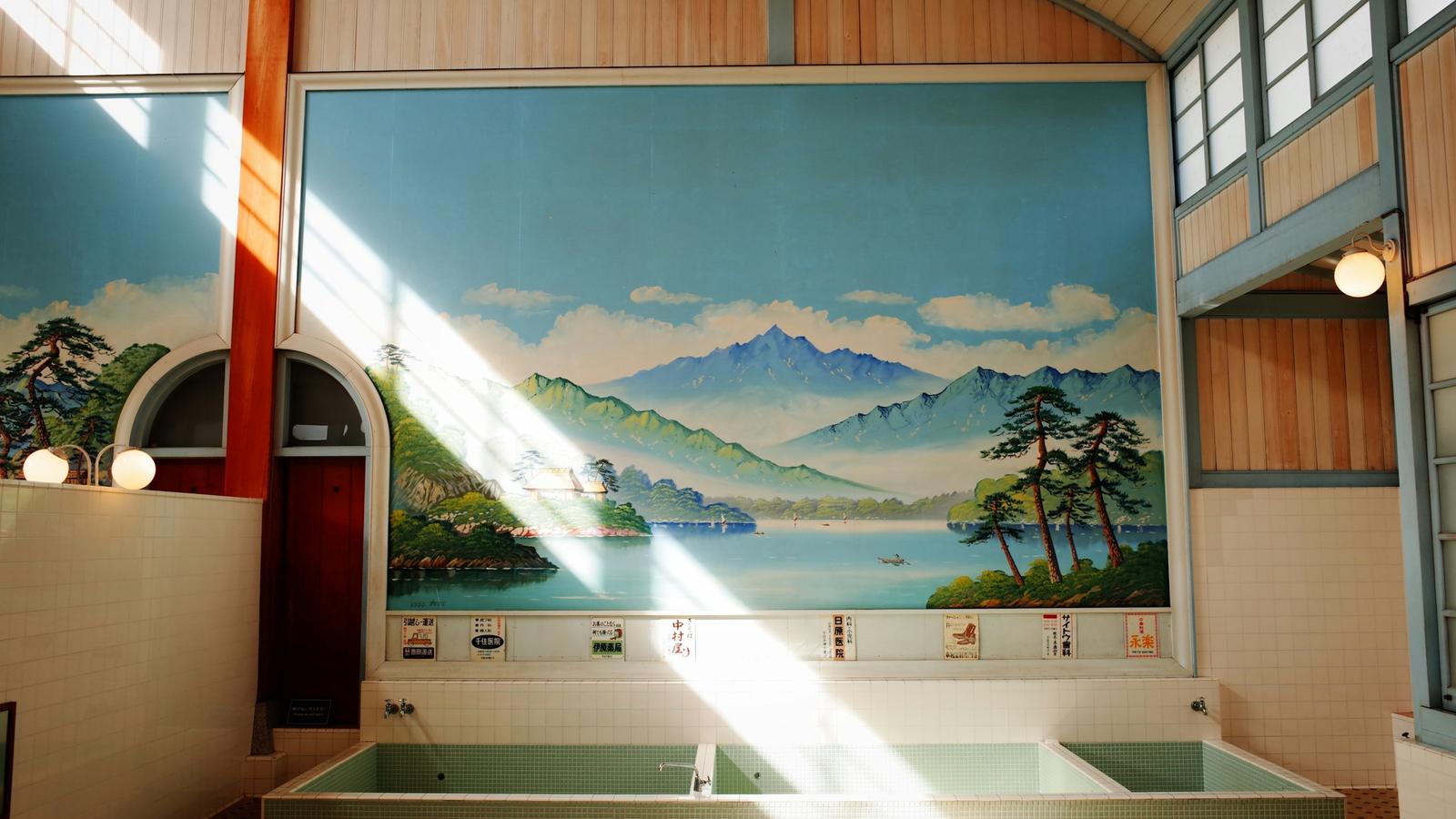
An onsen is a bath of water that Japanese law recognises as a hot spring. A sento is a neighbourhood public bath whose adult price is capped by the prefecture: ¥600 in Tokyo since August 1, 2026 and ¥550 in Kyoto since April 1, 2025. A super sento is a larger bathhouse that sets its own prices, and a sauna is a hot room inside any of these, often for an extra fee. Shiatsu is a pressure treatment that, in Japan, only physicians and holders of a national licence may practise as a business.
This guide explains how the four kinds of bath differ, walks through a sento visit in the order Tokyo's and Kyoto's bathhouse associations describe it, names baths in both cities that publish their prices and hours, and shows where hotels offer shiatsu. We read every price, hour and rule on the operator's own website, or a government or association page, on October 15, 2026. For hot spring towns, see our guide to onsen culture; for tattoos, tattoo friendly onsen in Japan.
Key points
- Sento prices are capped by each prefectural governor: ¥600 for anyone 12 and over in Tokyo, ¥550 in Kyoto.
- Super sento and spa complexes are not capped. Spa LaQua at Tokyo Dome City starts at ¥3,500, towels and loungewear included.
- A sento can also be an onsen. Daikoku-yu near Tokyo Skytree uses well water recognised as a hot spring and charges the sento price.
- Both bathhouse associations put rinsing with hot water first, and ask you to dry off before returning to the changing room.
- Shiatsu is offered at the Imperial Hotel, Tokyo, and on the spa menu at Aman Kyoto. The health ministry explains how to check a practitioner's licence.
FOUR KINDS OF JAPANESE BATH
Onsen
The Ministry of the Environment sets out the Hot Springs Act definition: water, steam or gas from the ground that is at least 25°C at the source, or carries enough of any one of 19 listed substances. The word describes the water, so an onsen can be inside a ryokan, a hotel, a day spa or a neighbourhood bath.
Sento
The Public Bath Act covers any facility where the public bathes in hot water, sea water or spring water. Within it, the Tokyo Sento Association explains, sento are general public baths, there for the everyday health of local residents. The Kyoto City Tourism Association notes that most are not hot springs; they heat ordinary water, which the Kyoto bathhouse association says is disinfected and filtered.
Because sento count as daily infrastructure, each governor caps the price for adults, for children aged six to eleven, and for younger children. Tokyo announced its current figures on July 21, 2026: ¥600, ¥200 and ¥100 from August 1. Kyoto set ¥550, ¥200 and ¥100 from April 1, 2025. A sento on a residential lane and a renovated one near a fashion district show the same number.
Super sento and spa complexes
Large bathhouses with many pools, restaurants and rest areas are public baths too, and the Tokyo association counts health centres and saunas among them. Shizuoka Prefecture's explanation of the system states that super sento sit outside the cap, so each operator sets its own price.
Sauna
A sauna is a hot room, dry or steam, with a cold bath nearby. The Tokyo association notes that many sento charge for it separately.
HOW A SENTO VISIT RUNS
The Tokyo Sento Association and the Kyoto Prefectural Cooperative of Public Bath-house Operators each publish a step by step guide. They agree on almost everything.
At the entrance
Shoes go into a numbered locker and the key comes with you. You pay at the bandai, the raised seat between the two changing rooms in older sento, or at a front desk. Kyoto's association says its member baths do not take cards or electronic money, and Daikoku-yu in Tokyo is cash only too. Towels and soap are sold at the counter. The two entrances are marked by colour or by 男 for men and 女 for women.
In the changing room
Everything comes off, underwear included. The locker key goes around your wrist and long hair is tied up. Only a small towel, soap and the key go into the bathing room.
In the bathing room
First comes kakeyu: pour hot water over yourself from a bucket, three or four times by Kyoto's count. Both guides then describe getting into the bath slowly, without a splash, and washing after you have warmed up; the Tokyo association adds that washing before the first soak is better still, and that is the habit we suggest. Kyoto puts the water at a little over 40°C. Tokyo suggests five to ten minutes in a hot bath and about twenty in a cooler one, water to drink beforehand, and a word to the people around you before adding cold water.
Showers are used sitting down, so they do not spray a neighbour. When you finish, rinse the stool and bucket and return them.
Leaving the bath
Wipe yourself down with the small towel before stepping into the changing room, soles of the feet included. The Kyoto association calls walking to your locker dripping wet poor manners.
The rules regulars notice
Kyoto's list of six things not to do:
- Bathing after drinking alcohol.
- Jumping or swimming in the bath.
- Putting your towel in the water. Fold it on the edge or on your head.
- Letting long hair touch the water.
- Standing at the shower, or splashing others.
- Taking more than one washing space or locker.
Tokyo adds leaving a shower running. Two more points: in Tokyo, since January 1, 2022, children aged seven and over use the bath for their own sex; and Kyoto's guide warns anyone with a heart condition away from the denki-buro, the electric bath marked 電気風呂.
SAUNA IN A JAPANESE BATHHOUSE
Saunas are now one of the main reasons people visit a sento. Three things are worth knowing before buying a ticket.
The sauna often costs extra. At Daikoku-yu it is ¥370 on weekdays and ¥400 at weekends on the side with the open-air bath, and ¥300 or ¥330 on the other. At Shimizu-yu the sauna course with entry is ¥1,180.
Some sento limit the visit. Daikoku-yu allows one hour and thirty minutes for bathing, or two hours with the sauna.
The two sides may differ. Daikoku-yu runs a mugwort steam sauna at 50 to 60°C on one side and a far infrared sauna at 95°C on both, and swaps its open-air and carbonated baths between the men's and women's sides on odd and even days.
The courtesy is the bath's: rinse before going in, rinse off the sweat before the cold bath, and keep both clean. Spa LaQua's house rules ask guests not to bathe after alcohol, after taking medicine or straight after exercise. Anyone pregnant or with a heart or blood pressure condition should ask their doctor before a sauna or a very hot bath.
WHERE TO BATHE IN TOKYO AND KYOTO
Most sento have no website. These baths publish their prices, hours and rules on their own sites.
Shimizu-yu in Minami-Aoyama
Shimizu-yu is two minutes from exit A4 of Omotesando station. It uses softened water throughout, with jet baths, a carbonated bath, a fine bubble bath, two saunas and a cold bath. Entry is ¥600, or ¥910 with towels. It opens 12:00 to 24:00 on weekdays and 12:00 to 23:00 at weekends and on holidays, and closes on Fridays. Its rules refuse entry to anyone with tattoos, henna included. The site does not say whether prices include tax.
Daikoku-yu at Oshiage
Daikoku-yu, founded in 1949, is six minutes from exit B2 of Oshiage station, and Tokyo Skytree is visible from its open-air bath. Its well water was analysed and recognised as an onsen, so this is a hot spring at ¥600. Rental towels are ¥130. Its English page says tattoos are fine and payment is cash only. It opens from 15:00 on weekdays, 14:00 on Saturdays and 13:00 on Sundays and holidays, to 10:00 the next morning, and closes on Tuesdays.
Kosugi-yu at Koenji
Kosugi-yu opened in 1933 and keeps its original building, five minutes from the north exit of Koenji station. Entry is ¥600. It opens 14:00 to 25:30 on weekdays and from 8:00 at weekends and on holidays, and closes on Thursdays. It publishes no tattoo rule, so we ask.
Spa LaQua at Tokyo Dome City
Spa LaQua is a natural hot spring bathhouse with saunas, treatment salons and restaurants. Adults aged 18 and over pay from ¥3,500, tax included, depending on the day, with towels and loungewear. Entry after 19:00 is ¥1,000 less; staying between 1:00 and 6:00 adds ¥2,500. It opens 11:00 to 9:00 the next morning, admits no children under six, and needs no reservation. Its rules refuse anyone with tattoos or body art, stickers and paint included.
Sauna no Umeyu in Kyoto
Sauna no Umeyu sits by the Takase river under a neon sign, about fifteen minutes on foot from Kyoto station. Its operator took it over in 2015, welcomes first-time bathers and publishes illustrated bathing rules. There are deep, jet, electric and herbal baths, a dry sauna and a cold bath. Adults pay ¥550, and the site lists no separate sauna charge. It opens 6:00 to 26:00, closes on Thursdays, and takes cash and PayPay. It publishes no tattoo rule.
Finding others in Kyoto
The Kyoto bathhouse association's site lists over a hundred member sento, searchable by sauna, open-air bath, rental towels and morning opening. A morning bath before temple visits is one of the city's quiet pleasures.
| Bath | Adult entry | Sauna | Closed | Tattoos |
|---|---|---|---|---|
| Shimizu-yu, Tokyo | ¥600 | Course with entry ¥1,180 | Fridays | Not admitted |
| Daikoku-yu, Tokyo | ¥600 | ¥300 to ¥400 extra | Tuesdays | Accepted |
| Kosugi-yu, Tokyo | ¥600 | Not stated | Thursdays | Not stated |
| Spa LaQua, Tokyo | From ¥3,500 | In the bath area | Set annually | Not admitted |
| Sauna no Umeyu, Kyoto | ¥550 | No separate charge listed | Thursdays | Not stated |
WHAT SHIATSU IS AND WHO MAY PRACTISE IT
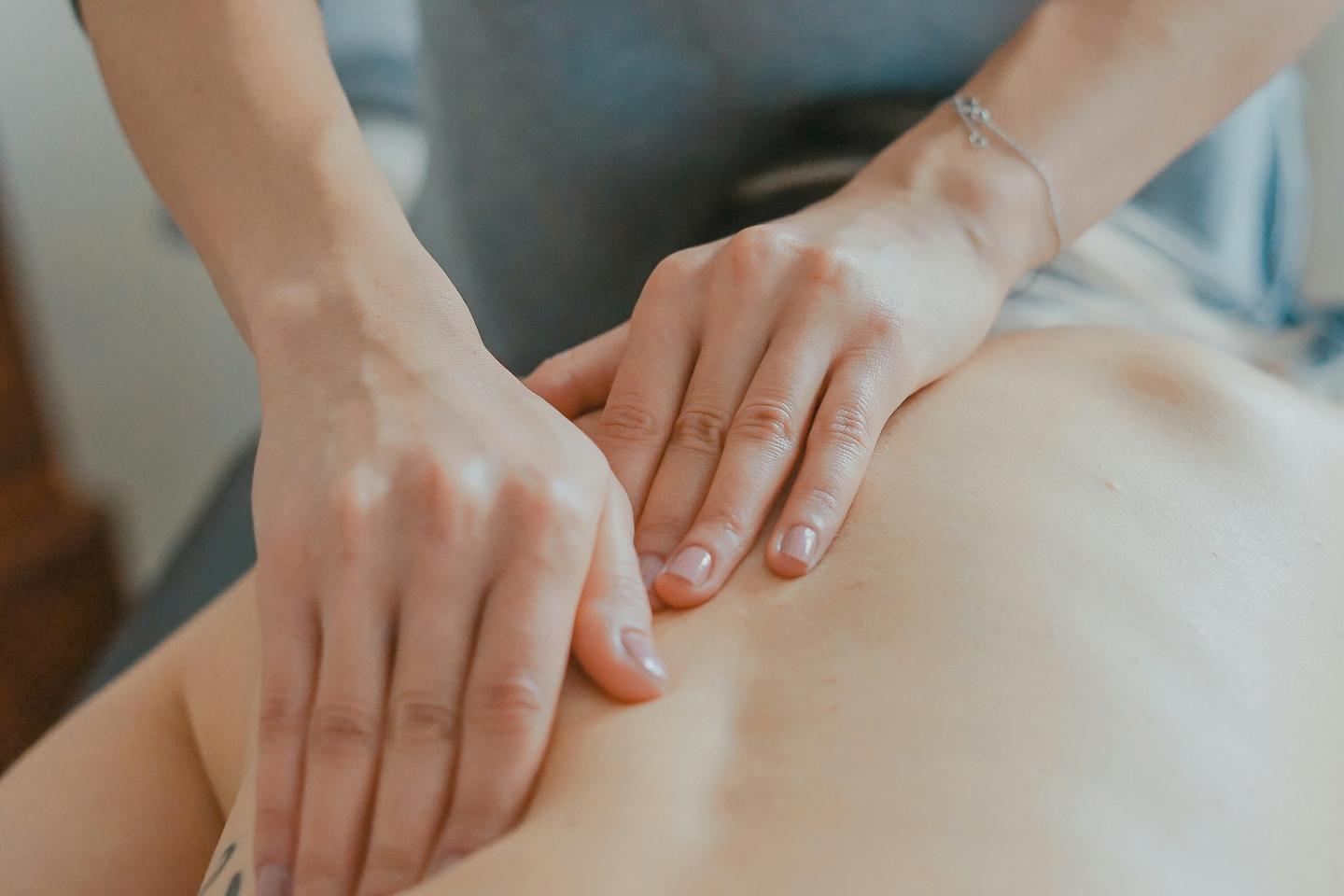
Shiatsu means finger pressure: the practitioner works through the body with the hands, usually without oil. Aman Kyoto's menu notes its shiatsu uses no oil, and the Imperial Hotel's finger pressure treatment is given over clothing.
Anma, massage and shiatsu share one national licence. Kyoto Prefecture states that, apart from physicians, only licence holders may practise them as a business. The Ministry of Health, Labour and Welfare notes that many seitai, relaxation and foot massage shops have no national licence behind them, and suggests three checks: the licence on the sign outside, a registration notice and licence details on display inside, and the practitioner's licence card, issued since April 2016. None of this tells you whether a treatment will suit you, and we do not claim any health outcome. Anyone pregnant, injured or managing a condition should tell the practitioner first.
SHIATSU IN HOTELS IN TOKYO AND KYOTO
A hotel is the simplest setting for a first treatment. Fuller menus are in our guide to hotel spas in Tokyo and Kyoto.
Imperial Hotel, Tokyo
The hotel describes its Namikoshi Shiatsu Salon as founded by Tokujiro Namikoshi, who coined the word shiatsu, with private rooms, open 11:00 to 19:00; prices are not on the hotel's page. Its in-room body care massage, based on finger pressure and given over clothing, is ¥10,800 for 60 minutes and ¥21,600 for 120. Tax and service are not stated.
Aman Kyoto
Aman Kyoto's spa menu lists shiatsu in 60, 90 and 120 minute sessions, beside acupuncture and moxibustion. The spa opens 10:00 to 22:00, last booking 20:00. Prices include 16% service and 10% tax, but the shiatsu price is not printed, so we ask. The menu says many treatments can be adapted for pregnancy or injury.
The Westin Miyako Kyoto
SPA Kacho lists shiatsu and moxibustion among its treatments, open 11:00 to 20:00, with advance booking recommended. It notes that pregnant guests may not be able to receive treatment.
HOTEL THE MITSUI KYOTO
Its HIKARI Body Therapy, the hotel says, uses shiatsu and yuragi, a gentle rocking, within its Signature Treatment at ¥35,000 for 60 minutes. The spa opens 10:00 to 22:00.
HOW STAYGO PLANS IT
Most guests want one evening at a neighbourhood sento, one long soak with a view, and a treatment after a day of walking. We plan those around your itinerary: a sento near your hotel that is open when you are free, baths whose tattoo rules suit your party, and shiatsu on the day it will be most welcome. We choose each hotel and check its spa and bath rules before we propose it, ask what is not published, and pass your requests to the spa or salon. Nothing is promised until it is confirmed, and you can reach us throughout the trip.
You pay each hotel, spa and bath directly at its own price; we take no markup or commission. Our Signature planning fee is USD 3,500 for your group, for 7 to 14 days, and larger trips are Bespoke. See also our wellness week in Japan.
SOURCES AND HOW WE CHECKED
All read on October 15, 2026. Where a page did not publish something, we say so and do not assume it.
- Ministry of the Environment: onsen definition
- Tokyo Sento Association, Q&A: public bath law, fee setting, saunas, mixed bathing age
- Tokyo Sento Association, how to bathe: steps and soaking times
- Bunkyo City: Tokyo fee cap from August 1, 2026
- Kyoto Prefecture: Kyoto fee cap from April 1, 2025
- Shizuoka Prefecture: super sento outside the cap
- Kyoto bathhouse association: steps, six rules, bath types
- Kyoto City Tourism Association: sento and hot springs
- Shimizu-yu: prices, hours, rules
- Daikoku-yu: prices, hours, saunas, tattoo policy
- Kosugi-yu: prices, hours, access
- Spa LaQua: fees, hours, house rules
- Sauna no Umeyu: prices, hours, baths
- Ministry of Health, Labour and Welfare: licence checks
- Kyoto Prefecture, unlicensed practice: who may practise
- Imperial Hotel, Tokyo and in-room massage: salon and prices
- Aman Kyoto spa menu: shiatsu sessions and terms
- The Westin Miyako Kyoto: treatments and hours
- HOTEL THE MITSUI KYOTO: treatments and prices
QUESTIONS ANSWERED
What is the difference between an onsen and a sento?
Onsen describes the water, defined by temperature or minerals under the Hot Springs Act. A sento is a neighbourhood public bath with a price capped by the prefecture, and most heat ordinary water. Some, such as Daikoku-yu in Tokyo, use hot spring water at the sento price.
How much does a sento cost in Tokyo and Kyoto?
Adults pay ¥600 in Tokyo from August 1, 2026 and ¥550 in Kyoto. Children six to eleven pay ¥200. Saunas and towels are often extra, and many sento take cash only.
Do I wash before getting in the bath?
Rinse with hot water from a bucket first; both associations put that first. Washing with soap before the first soak is the better habit, according to the Tokyo association. Keep the towel and long hair out of the water.
Is shiatsu in Japan done by licensed practitioners?
As a business, only physicians and holders of the national anma, massage and shiatsu licence may perform it. Many relaxation shops hold no such licence. Check the sign, the licence on display and the practitioner's licence card.
Can I visit a sento with tattoos?
It depends on the bath. Daikoku-yu accepts tattoos; Shimizu-yu and Spa LaQua do not. See our guide to tattoo friendly onsen.
A BATH AND A QUIET HOUR IN EVERY CITY
Tell us your dates and how you like to unwind. We will suggest the sento, spa baths and shiatsu that fit your days, with published rules and prices for each.
Begin planning →