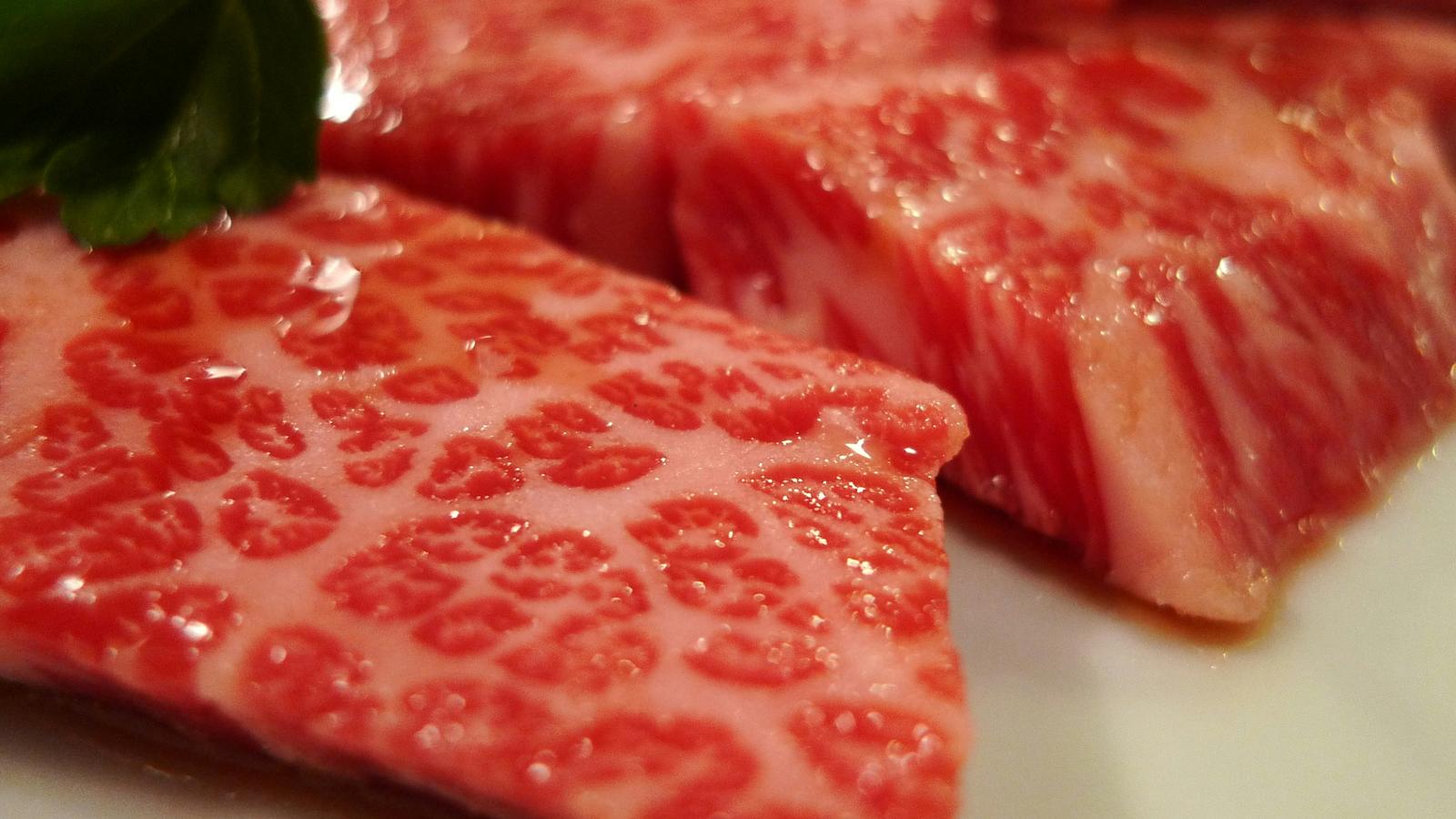
Halal fine dining in Japan exists, and the clearest examples publish exactly what they do. In Kyoto, Honke Tankuma's main restaurant lists a halal kaiseki at ¥33,000 and states it is certified by the Kyoto Council for Sharia and Halal Affairs. In Kobe and Shinjuku, Teppanyaki Steak Misono serves halal Kobe beef and halal wagyu, and says plainly on its own site that it is not a certified halal restaurant. Japan has no single national halal authority, so the useful question for every table is who certified what: the meat, the course, or the whole restaurant.
This article explains the difference between halal-certified and Muslim-friendly kitchens, where pork and alcohol hide in Japanese cooking, the halal wagyu and halal kaiseki we could confirm on the restaurants' own pages, the prayer rooms listed by the airport operators, and the questions we put to a kitchen in writing before we arrange a table. We checked every fact on official sites on October 14, 2026, and the sources are listed at the end. What level of assurance you need is your decision; our part is to find out exactly what each kitchen does and tell you. How reservations themselves work is covered in how to get a reservation at Japan's best restaurants.
Key points
- JNTO's own guidance says there is no central agency for halal accreditation in Japan, and that alcohol is served in the majority of Japanese restaurants.
- Honke Tankuma's main restaurant in Kyoto lists a Halal Kaiseki at ¥33,000 and a Halal Special Kaiseki at ¥44,000 with halal wagyu, both tax included plus a 15% service charge, both marked as certified by the Kyoto Council for Sharia and Halal Affairs, and both to be booked two days ahead.
- Misono serves halal Kobe beef in Kobe and halal wagyu in Kobe and Shinjuku. Its site states it is not a certified halal restaurant, serves alcohol and has one kitchen, and that halal guests are shown the meat certificate before the vacuum pack is opened.
- Mirin, cooking sake and some miso contain alcohol, according to JNTO. Kaiseki stocks, desserts and fryer oil are the other places we ask about.
- Narita lists six prayer rooms across its three terminals, Haneda lists them in Terminals 2 and 3, and Kansai lists them in Terminal 1 with gender-separated rooms and ablution spaces.
WHAT HALAL CERTIFIED AND MUSLIM FRIENDLY MEAN IN JAPAN
Japan's national tourism organisation, JNTO, is direct about the starting point. Its page for Muslim travellers says there is no central agency for halal accreditation, that even restaurants describing themselves as halal-friendly may not prepare food in a separate halal-only kitchen, and that alcohol is served in the majority of Japanese restaurants. Certification here is issued by several independent bodies, each with its own standard and its own overseas recognitions.
The Kyoto City Tourism Association, which runs the city's official visitor site, publishes the most precise set of definitions we have found. Its Muslim travel pages sort restaurants into four groups, and the wording is worth reading closely because the same words are used loosely elsewhere.
| Category | What the Kyoto City Tourism Association says it means |
|---|---|
| Halal | Restaurants and coffee houses serving only halal food. If alcohol is served, the whole facility is certified and alcohol is strictly separated from food. |
| Muslim Friendly | Restaurants offering special halal menus with halal logos. Their regular menus may use non-halal meat and alcoholic flavouring. |
| Muslim Welcome | No pork, pork-related items or alcoholic flavouring anywhere on the premises, and no separate halal menu. |
| Pork Free | No pork and no meat. Alcoholic flavouring may be used. |
The same page names the Kyoto Muslim Association and the Kyoto Council for Sharia and Halal Affairs as the bodies that supervise and certify the listed hotels and restaurants. Outside Kyoto, the names change. The NPO Japan Halal Association, based in Osaka, states on its own site that it is approved or recognised by JAKIM (Malaysia), MUIS (Singapore), BPJPH (Indonesia), HAK (Turkey), GAC (the Gulf countries) and MOIAT (UAE). If a particular recognition matters to you, for example JAKIM, that is the question to ask about any certificate on a restaurant wall.
In practice there are three levels. A certified course or restaurant, where a named body has inspected the ingredients and the preparation. A restaurant using certified meat and seasonings in a shared kitchen, which tells you how it separates them. And a pork-free or alcohol-free kitchen with no certification at all. Each can be the right choice for a different guest. We describe which one a table is, in the restaurant's own words, and you decide.
WHERE PORK AND ALCOHOL HIDE IN JAPANESE COOKING
A Japanese menu can look entirely free of pork and alcohol and still use both. These are the places we look, and the reason a written question to the kitchen matters more than a menu translation.
Mirin and cooking sake
JNTO notes that cooking sake and mirin, a sweetened rice wine, are used in many Japanese dishes. They are in glazes, simmered dishes, dipping sauces and the tare brushed onto grilled fish and eel. In kaiseki they can appear in almost every course. A kitchen preparing a halal course has to replace them, and the halal kaiseki menus we found say so in plain terms: all ingredients halal, no alcohol and no pork.
Miso and soy sauce
JNTO also notes that alcohol can be found in some kinds of miso unless it is additive-free and labelled mutenka. Soy sauce is fermented: Japan's Ministry of Agriculture, Forestry and Fisheries describes how the mash is fermented and matured for around half a year with the help of yeast and lactic acid bacteria. Some guests are content with ordinary soy sauce and some ask for a halal-certified one. Misono's halal page, for instance, states that every seasoning a halal guest eats is halal.
Stocks and animal fat
Dashi is usually kelp and dried bonito, though stocks for ramen and some meat dishes are made from pork bones, and a broth can be shared across courses. Fat is the other carrier: garlic rice on a teppan is often fried in the fat of the meat just cooked. Desserts set with gelatine need a question about its source. None of this shows on a printed menu.
Shared fryers and griddles
Tempura and katsu oil is often used for everything that is fried. On a teppanyaki counter the same steel plate cooks every guest's meat. Misono's page is a useful model of how a restaurant can answer this honestly: it offers a halal-only plate placed on top of the regular griddle, with halal-only utensils and tableware, or its traditional style on the regular griddle cleaned before use. Guests choose one style per group when booking.
HALAL WAGYU IN TOKYO AND KOBE
Halal wagyu means beef from Japanese cattle slaughtered according to Islamic rules and sold with a halal slaughter certificate. It is scarce, and the restaurants that serve it source it in limited quantities. Several Tokyo restaurants are described elsewhere as halal-certified wagyu specialists; on October 14, 2026, we could not find a page on their own sites naming the certifying body, so we have left them out here, and we confirm their status in writing case by case.
Teppanyaki Steak Misono in Kobe and Shinjuku
Misono, a teppanyaki house founded in Kobe in 1945, publishes one of the most transparent halal pages we have read. In its own words, the restaurant is not a certified halal restaurant, serves alcoholic drinks, and has a single kitchen that also cooks for guests who do not need halal food. It removed its pork dish (prosciutto) at the Kobe main store in September 2017 and at the Shinjuku store in 2025. Halal beef is kept vacuum-packed in a dedicated freezer, and halal guests are asked to check the certificate on the meat before the pack is opened. The page also states that the restaurant employs a halal manager who completed training delivered by the Japan Halal Association.
For halal Kobe beef, Misono requires two documents with the same individual identification number: a halal slaughter certificate, and the Kobe Beef certificate issued by the Kobe beef association. Every cow in Japan carries such a number from birth, tracked by the National Livestock Breeding Center, so the two papers can be matched to one animal.
| Course | Where | Price, tax included |
|---|---|---|
| Halal Kobe beef fillet course, A4, 150g | Kobe main store only | ¥41,800 |
| Halal Kobe beef sirloin course, A4, 150g | Kobe and Shinjuku | ¥38,500 |
| Halal wagyu sirloin course, A4, 150g | Kobe and Shinjuku | ¥22,000 |
| Halal seafood course with lobster | Kobe main store only | ¥22,000 |
A 10% service charge is added after 17:00. Halal courses are requested at least three days ahead, and halal Kobe beef depends on stock, so a date can be refused. The courses open with scallop, which can be left out on request. The seafood course uses halal beef tallow and butter in some seasonings; vegetable oil can be requested. A same-day cancellation is charged in full. We send the request in Japanese with the griddle style chosen for your group, and we ask for the stock position before we confirm the date.
Ryotei Kinsui at Hotel Chinzanso Tokyo
For a Tokyo kaiseki with halal beef, Hotel Chinzanso's Japanese restaurant Kinsui offers a halal-friendly course named The Akebono at ¥28,000. The hotel's page says it uses premium halal-certified Japanese beef and halal-certified flour for the tempura, and includes sushi of conger eel and vegetables and seasonal wagashi. It also states clearly that the course is cooked in the same kitchen and with the same utensils as the regular menus, and that the restaurants are not halal-certified. Bookings need at least seven days' notice and are confirmed only once the halal meat is secured.
HALAL KAISEKI IN KYOTO
Kyoto is the easiest city in Japan for a certified halal kaiseki, largely because a long-established kaiseki house chose to build one.
Honke Tankuma main restaurant
On its own menu page, the main restaurant lists three halal courses alongside its usual kaiseki, all priced tax included with a 15% service charge added.
| Course | What the menu states | Price, tax included |
|---|---|---|
| Halal Kaiseki, 10 dishes | Certified by the Kyoto Council for Sharia and Halal Affairs. All ingredients halal, no alcohol or pork. Tempura of halal chicken and vegetables. Book two days ahead. | ¥33,000 |
| Halal Special Kaiseki, 11 dishes | Certified by the same council. The grilled course is charcoal-grilled halal wagyu. Book two days ahead. | ¥44,000 |
| Halal wagyu and halal chicken course, 9 dishes | Charcoal-grilled halal wagyu and halal chicken tempura. All ingredients halal, no alcohol or pork. Same-day requests accepted. | ¥33,000 |
| Halal vegetable kaiseki, 11 dishes | Vegetables only, with a vegetable stock. No alcohol. Book two days ahead. | ¥22,000 |
The restaurant takes bookings up to three months ahead, from one guest. Because the certification statement is printed against specific courses, we ask for the named halal course and confirm in Japanese that it is the one being prepared.
The rest of the official Kyoto list
The Kyoto City Tourism Association's restaurant list includes Honke Tankuma Honten under Muslim Friendly, together with two wagyu restaurants, Halal A5 Wagyu Yakiniku Sudaku Kyoto and Kobe Beef Gion Sudaku Teppan. By the site's own definition, Muslim Friendly means a special halal menu sits alongside a regular menu that may contain non-halal meat and alcoholic flavouring. We could not find the Sudaku restaurants' own sites to read their terms, so we confirm those directly before suggesting them. For the wider shape of a Kyoto stay, see our Kyoto guide.
HOTELS AND RYOKAN THAT PUBLISH THEIR PROVISIONS
A hotel's own page is the only place we take a Muslim-friendly claim from, and the useful pages say what is in the room and what is not.
Hotel Chinzanso Tokyo. Prayer mats and qibla compasses are placed in the room before arrival at no charge, in any number, if requested at booking. The page describes in-room provision; it does not describe a dedicated prayer room. In-room amenities include a halal-certified organic skin care range, and the hotel's other restaurants and in-room dining can be adapted on request.
Risshisha's ryokan in Kyoto. This group of townhouse inns publishes a halal page for eight properties. It lends prayer clothes and mats free of charge, provides a qibla compass in most properties and a ceiling qibla marker in the prayer space at SEN Omiya Gojo, which it says is the only property with a dedicated prayer space. Dinner is delivered from a partner restaurant using halal wagyu from halal-certified facilities, with utensils and tableware kept for Muslim guests. No certifying body is named on the page.
For a traditional ryokan with kaiseki in the room, we write to the property first with the specific questions below, because most ryokan kitchens build every course on dashi, mirin and soy sauce. How we choose a ryokan more generally is in how to choose a ryokan.
PRAYER ROOMS AT AIRPORTS AND STATIONS
JNTO notes that most major airports, tourist hotspots and Muslim-friendly hotels increasingly offer places to pray, and that prayer rooms and mosques are mostly in the larger cities. These are the locations the operators themselves list.
| Place | Locations as listed | Notes from the operator |
|---|---|---|
| Narita Airport | Terminal 1 Central Building 2F after security (international) and 3F before security. Terminal 2 Main Building 1F after security (international) and 1F before security. Terminal 3 Main Building 2F before security and 3F after security (international). | Six rooms in total. Hours and equipment are not stated on the page. |
| Haneda Airport | Terminal 2 international departure lobby 3F, general area, two rooms, and the international airside area, two rooms. Terminal 3 departure lobby 3F, general area, two rooms. None in Terminal 1. | Rooms include facilities for washing before prayer. |
| Kansai International Airport | Terminal 1, 3F, and the international gate area in the Main Building and North Wing. | Prayer rooms and ablution spaces are separated by gender and open to all visitors. |
| Tokyo Station | Inside the JR East travel service centre near the Marunouchi North Exit. | 10:00 to 17:00, open all year. A quiet space for about two people with an ablution facility. Staff unlock the door via the intercom. |
JNTO's Tokyo pages also list Tokyo Camii in Shibuya, open 10:00 to 18:00 with space for 500 or more, and a prayer room on the 5th floor of Shibuya PARCO with separate areas for men and women. When we plan a day, we place prayer times against these locations and leave the gaps in the schedule. Facilities change, so we check the operator's page again before you travel.
WHAT WE ASK A KITCHEN BEFORE WE ARRANGE A TABLE
We write to the restaurant in Japanese, in advance, with the questions that match the level you have told us you need. The answers come back in writing and we pass them to you in full, before anything is confirmed.
- Is the restaurant, the course, or only the meat certified, and by which body, as named on the certificate?
- If certification from a particular authority matters to you, is that body recognised by it?
- Are mirin, cooking sake, miso and soy sauce replaced in this course, and with what?
- Which stock is used for each course, and is it shared with the regular menu?
- Is the fryer oil, griddle or grill used only for this course on the night?
- Are knives, boards, pans and tableware kept separate for halal guests?
- Does any dessert or sauce use gelatine, lard or other animal fat, and from what source?
- Is alcohol served to other guests in the same room, and can drinks be left off your table?
- Can you see the meat's certificate at the table?
- How many days' notice does the kitchen need, and what is the cancellation charge?
Telling us where you stand, once, lets us shortlist only the tables that fit, and keep the same standard across every meal of the trip, including breakfasts and the day you travel. The cost side of a trip planned this way is set out in what a bespoke Japan trip costs.
SOURCES AND HOW WE CHECKED
We read each restaurant's, hotel's and operator's own page on October 14, 2026, along with JNTO's guidance and the city tourism associations' Muslim travel pages. We did not contact the restaurants for this article. Where a restaurant is described as certified elsewhere and its own page does not name the certifier, we left it out. Prices, menus and certification change; we confirm them in Japanese when we arrange the table.
- JNTO, Muslim travelers: no central accreditation agency, alcohol in most restaurants, mirin, cooking sake and miso, prayer spaces
- Kyoto City Tourism Association, Muslim friendly restaurants: the four categories, the certifying bodies, the restaurants listed
- Honke Tankuma, menu and English site: halal courses, prices, service charge, certifier, notice
- Teppanyaki Steak Misono, halal Kobe beef and Japanese page: courses, prices, kitchen statements, certificates, booking terms
- Hotel Chinzanso Tokyo, Muslim-friendly services: The Akebono course, kitchen statement, notice, prayer mats
- Risshisha, halal information: ryokan provisions and prayer space
- NPO Japan Halal Association: overseas approvals
- Ministry of Agriculture, Forestry and Fisheries, how soy sauce is made: fermentation with yeast
- Narita Airport, prayer rooms: six locations
- Haneda Airport, prayer rooms: locations by terminal
- Kansai International Airport, prayer room: locations and gender separation
- Chiyoda City Tourism Association, Tokyo Station prayer room: hours, capacity, intercom
- JNTO, Tokyo spots with prayer facilities: Tokyo Camii and Shibuya PARCO
QUESTIONS GUESTS ASK
Is there halal fine dining in Japan?
Yes. In Kyoto, Honke Tankuma's main restaurant lists a Halal Kaiseki at ¥33,000 and a Halal Special Kaiseki with halal wagyu at ¥44,000, both marked as certified by the Kyoto Council for Sharia and Halal Affairs. In Kobe and Tokyo, Misono serves halal Kobe beef and halal wagyu on the teppan, from a kitchen it states is not halal-certified.
Where can I eat halal wagyu in Tokyo?
Misono's Shinjuku store serves a halal Kobe beef sirloin course at ¥38,500 and a halal wagyu sirloin course at ¥22,000, tax included, with a halal-only griddle available. Hotel Chinzanso's Kinsui offers a halal-friendly kaiseki with halal-certified Japanese beef at ¥28,000, cooked in a shared kitchen. We confirm the details of any other halal wagyu restaurant in writing before suggesting it.
What is the difference between halal certified and Muslim friendly?
A certified course or restaurant has been checked by a named halal body. Muslim friendly usually means pork is removed and halal options are offered, often from a shared kitchen that also uses alcohol. Kyoto's official tourism site publishes exact definitions for Halal, Muslim Friendly, Muslim Welcome and Pork Free.
Do Japanese restaurants use alcohol in cooking?
Very often. JNTO notes that cooking sake and mirin are used in many Japanese dishes, and that some miso contains alcohol unless it is additive-free. A halal course replaces these, which is why we ask the kitchen in writing what it uses.
Are there prayer rooms at Japanese airports?
Yes. Narita lists six prayer rooms across its three terminals, Haneda lists rooms in Terminals 2 and 3, and Kansai lists rooms in Terminal 1 with gender-separated rooms and ablution spaces. Tokyo Station has a prayer room in the JR East travel service centre, open 10:00 to 17:00.
TELL US HOW YOU EAT AND WE WILL FIND THE TABLES
Send us your dates, the cities you have in mind and the level of halal assurance you need. We will come back with a shortlist of restaurants and hotels, each with its kitchen's own answers in writing, and we make the arrangements in your name.
Begin planning →