There are two reservation systems in Tokyo. The first is visible: apps, booking platforms, hotel concierge desks, and the occasional English-language phone call. The second operates entirely below the surface. It is driven by relationships, repeat visits, and introductions. Tokyo's most celebrated restaurants live almost exclusively in the second system.
Understanding why this is the case, and what it means for how you plan a trip, changes what you can realistically book.
Key points
- Tokyo's most celebrated restaurants are booked almost entirely through relationships, repeat visits and introductions, not through apps or booking platforms.
- Seats go roughly in this order: regulars, guests arriving through introductions, hotel concierge relationships, and then the general public. Familiarity and trust are the filter, not money.
- A hotel concierge is reliable for certain restaurants, not for the most exclusive.
- Many kaiseki restaurants that are functionally impossible at dinner offer a lunch course at roughly half the price, with far less competition for seats. Lunch first and dinner on the next trip is a normal pattern.
WHY THE BEST TABLES DON'T APPEAR ONLINE
A kaiseki counter with eight seats opens its reservation book once a month for dates six weeks out. Within the first hour, most of those dates are filled by returning guests who have dined there before. The remainder go to guests introduced by someone the restaurant already knows. By the time a booking platform or travel site gains any access, if it does at all, there is often nothing left to give.
Deliberate exclusion is not what is happening. A restaurant serving eight guests per evening, open five nights a week, has 40 covers to give. With most seats going to returning guests, small scale and high demand leave very little of that for strangers, even well-intentioned ones.
The most decorated restaurants in Tokyo operate this way. Ishikawa in Kagurazaka, three-star for over a decade, is known to allocate the majority of its table to regulars and to guests arriving through trusted intermediaries. Kohaku, also in Kagurazaka, follows a similar model. Kikunoi Akasaka, the Tokyo outpost of Kyoto's Kikunoi, is marginally more accessible but still functions primarily through prior relationship.
WHO GETS THE SEATS FIRST
The hierarchy is roughly as follows. Regulars, meaning guests who have dined at the restaurant more than once and who the staff recognize, are contacted first or given early access when the booking window opens. Below them are guests arriving through introductions: someone the restaurant trusts has vouched for the new guest, which carries its own form of accountability. Below that are hotel concierge relationships at properties the restaurant respects. Below that, in the narrow remaining space, is the general public.
Money is not the filter: most of these restaurants cost the same regardless of who you are. Familiarity and trust are. A restaurant that serves 2,500 dinners per year has built its reputation on the quality and consistency of those evenings. An unknown guest carries unknown risk.
"Affording the meal is rarely the question. What the restaurant wants to know is who you are, and whether anyone it trusts can vouch for you."
THE THREE WAYS IN
The hotel concierge route works, but with caveats. A concierge at Aman Tokyo, The Peninsula, or Park Hyatt can call restaurants that have a standing arrangement to accept a small number of hotel-referred guests. This works reliably for a subset of restaurants. For Ishikawa or Kanda, where the chef-owner runs a tight operation and manages every guest interaction personally, hotel referrals are not a reliable path in.
A local specialist who has dined at a restaurant repeatedly, who communicates in Japanese, and whose name is known to the kitchen has a fundamentally different kind of access. When that specialist makes a booking request, the restaurant is not evaluating an unknown foreigner. They are accepting a booking from someone they already have a relationship with.
LUNCH AS THE ENTRY POINT
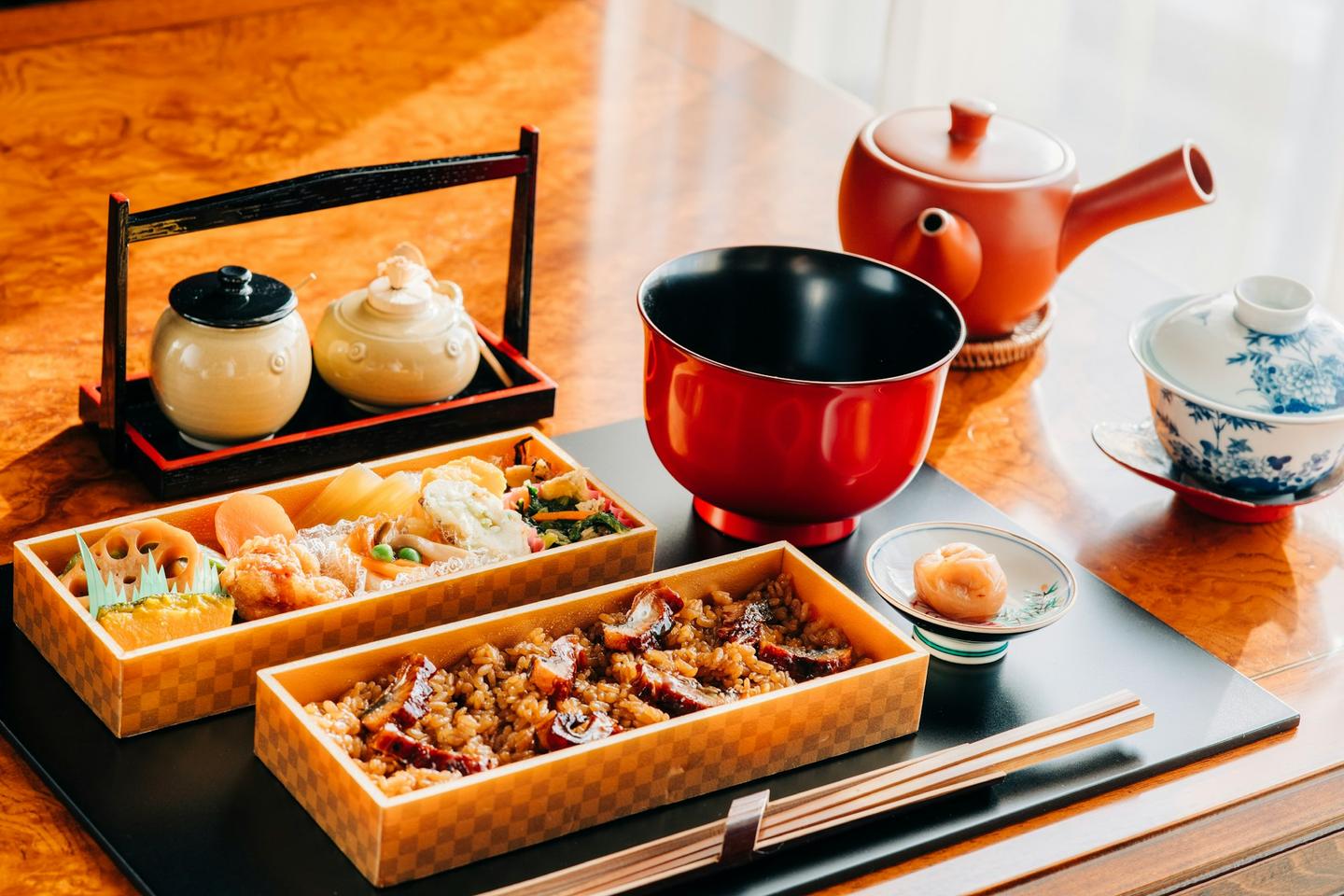
One of the most underused strategies in Tokyo dining is lunch. Many kaiseki restaurants that are functionally impossible at dinner offer a lunch course at roughly half the price, with substantially less competition for seats. The kitchen is the same and the ingredients are often identical. The meal is shorter; it is not a lesser version of the restaurant.
For a first-time guest trying to access a restaurant they've never visited before, lunch is often the most rational path. It establishes the guest in the restaurant's records. On a return visit, or on a future trip, that history makes the next dinner booking far more realistic.
This is not a workaround. It is how many of Tokyo's most devoted regulars began. The sequence, lunch first and dinner on the next trip, is a normal pattern for guests who take Japanese dining seriously.
WHAT STAYGO DOES
STAYGO's restaurant access is built on repeated arrangements over several years, direct communication with owners and head chefs, and a track record of guests who behave well, show up, and engage seriously with what's in front of them. When STAYGO asks a restaurant for a table, it comes with context: who the guest is, what they've eaten before, what dietary requirements exist, and what kind of experience they're looking for.
This changes the nature of the request. Instead of an anonymous booking, the restaurant is being asked to take a specific person, known to STAYGO and vouched for by STAYGO. That is the same mechanism that drives the system from the top down.
Not every restaurant is accessible for every date. But the range a specialist relationship can reach is wider than what any platform, app, or cold inquiry will open.
QUESTIONS, ANSWERED
Why can't I find Tokyo's best restaurants on booking sites?
Tokyo's top kaiseki and sushi counter restaurants often have fewer than 12 seats and open their reservation books only 1–2 months in advance. The available slots go first to established regulars and then to guests introduced by known contacts, so there are few or no seats left when online booking platforms receive access, if they receive any at all.
How far in advance do top Tokyo restaurants take reservations?
Most top-tier Tokyo restaurants open reservations 1–2 months before the dining date. However, regulars and returning guests may receive priority booking before the general window opens. On peak dates such as weekends and holiday periods, seats allocated to new guests fill within hours of the booking window opening.
Can a hotel concierge get reservations at Tokyo's best restaurants?
Concierges at leading Tokyo hotels such as Aman, The Peninsula and Park Hyatt maintain ongoing relationships with certain restaurants and can access seats that aren't available to the general public. However, concierge access varies significantly by property and by restaurant. The most exclusive establishments (Ishikawa, Kohaku, Kanda) are not reliably accessible through hotel channels alone.
Is lunch easier to book than dinner at Tokyo's top restaurants?
Yes, in most cases. Many kaiseki and omakase counters offer a lunch service at a lower price point that is far less competitive than dinner. Lunch at a three-star restaurant is often the most accessible version of an otherwise near-impossible reservation, and for many dishes the kitchen and ingredients are identical to the evening service.
What does STAYGO do to secure tables at Tokyo restaurants?
STAYGO holds ongoing relationships with Tokyo restaurants, built over years of repeated arrangements and direct communication with owners and chefs. When STAYGO asks a restaurant for a table, it comes with known context: who the guest is, their dietary requirements, and their history. This changes what is accessible compared to a cold booking request from an unknown party.
THE RIGHT TABLE IS PART OF THE TRIP
STAYGO handles restaurant access in Tokyo and across Japan: from three-star kaiseki to the counters that never appear online.
Begin planning →