Japan is one of the easiest countries in the world to travel well on your own, and the parts that need planning are specific: ryokan, which are priced and run for two, accommodation taxes that are charged per guest, and the most sought-after counters and private experiences, which you cannot simply walk into. Some top ryokan charge one guest the rate for two; Gora Kadan in Hakone, for example, states that it has no single rate. A growing number sell plans written for one guest, and the private craft experiences we use take bookings from a single person.
This guide covers what changes when you travel alone at the top end in Japan, with the rules and prices we read on the official websites of the ryokan, hosts, cities and the national tourism organisation on October 14, 2026. The sources are listed at the end.
Key points
- At many ryokan the room is priced for two. Gora Kadan's own FAQ says there is no rate for one guest, and a guest staying alone pays the rate for two.
- Some ryokan sell plans for one. Hoshino Resorts' KAI sells a plan for a first solo stay at a hot spring ryokan, with dinner and breakfast, until November 30, 2026, booked at least five days ahead.
- Accommodation taxes are charged per guest. In Kyoto, a guest alone in a room costing ¥100,000 or more a night, before meals and tax, pays ¥10,000 a night in tax.
- Private craft experiences can be booked for one. A swordsmith's forge, a kintsugi workshop and an incense ceremony all take private bookings from a single guest, with English support.
- You do not need to tip. The national tourism organisation says tipping is not common in restaurants, taxis or hotels.
WHAT CHANGES WHEN YOU TRAVEL ALONE
Most of a luxury trip to Japan works exactly the same for one person as for two. Trains run to the minute, cities are calm late into the evening, and the country's best restaurants are counters, where a single seat is entirely normal. Three things are different, and all three are worth planning before you book anything.
| Area | What happens | Example we checked |
|---|---|---|
| Ryokan | Rooms and dinner are often priced for two; some refuse or surcharge one guest, some sell plans for one | Gora Kadan charges a guest alone the rate for two; KAI sells a plan for one guest until November 30, 2026 |
| Accommodation tax | Charged per guest per night, in bands by the room charge | Kyoto: ¥10,000 a night at ¥100,000 or more; Hakone bathing tax ¥150 per night |
| Hotels | Usually priced per room, so one guest pays the room | Aman Tokyo adds 15% service and 10% tax to the room charge |
| Private experiences | Priced per person, with the lowest rate usually for a larger group | Kintsugi from ¥33,000 per person, private from one guest |
| Tipping | Not expected | Not common in restaurants, taxis or hotels |
RYOKAN THAT WELCOME ONE GUEST
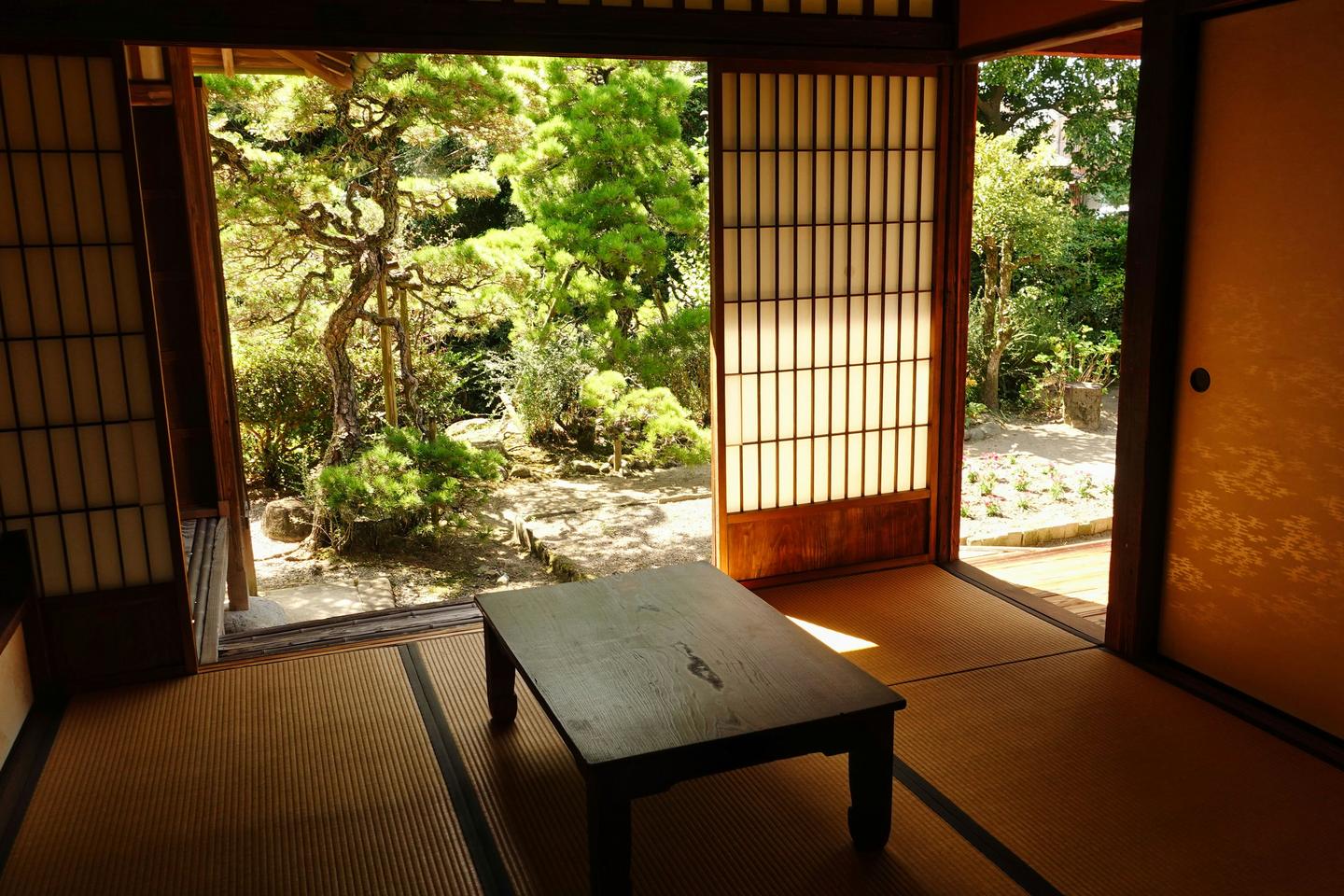
A ryokan is the experience most solo travellers want and the one most likely to be awkward. Rooms are tatami suites for two or more, dinner is a kaiseki course served in the room or a private dining room, and the price is per person on the assumption that two people share. When one guest takes the room, the ryokan either has a rate for that, charges for two, or declines.
Rates for two
Gora Kadan, the former imperial villa in Hakone, is clear on its own FAQ: there is no rate for a single guest, and a guest staying alone is charged the rate for two people. This is common at ryokan where every room has its own bath and dinner is cooked for each room. The night then costs what it costs a couple, and the question becomes whether one or two nights of it are worth that to you.
Plans for one
Hoshino Resorts' KAI, its brand of hot spring ryokan, sells a plan written for a first stay alone. On the KAI Akiu page it runs from December 1, 2025 to November 30, 2026, is for adults, must be booked at least five days ahead, and includes dinner, breakfast, a welcome tea and a drinks pairing for one. The price changes by date and is shown only in the booking screen. Plans like this are where a ryokan has decided it wants single guests, and they are the first we look for.
How we choose a ryokan for one
- A private bath in the room. Shared baths are separated by sex and are fine alone; a room with its own open-air bath lets you bathe at any hour without thinking about it.
- Dinner in a private room or at a counter. Where a ryokan serves dinner at a counter, a guest alone often enjoys it more than a long course in a large tatami room.
- One or two nights, placed well. Two nights in a ryokan between city hotels is the usual shape; the first evening is the ceremony, the second is the rest.
- The written rate for one. We ask for the price for one guest in writing before we hold anything, so the bill matches the quote.
How the different kinds of ryokan compare, and what you get at each level, is in how to choose a ryokan; bathing etiquette is in the onsen guide.
THE TAX THAT RISES WHEN YOU ARE ALONE
Japan's local accommodation taxes are charged per guest per night. In most places they are modest. In Kyoto, from March 1, 2026, they are large enough to change a budget, and they work against a guest staying alone in an expensive room.
| Room charge per guest per night | Tax |
|---|---|
| Under ¥6,000 | ¥200 |
| ¥6,000 to under ¥20,000 | ¥400 |
| ¥20,000 to under ¥50,000 | ¥1,000 |
| ¥50,000 to under ¥100,000 | ¥4,000 |
| ¥100,000 or more | ¥10,000 |
The charge the band is based on is the room only, with the service charge included and meals and consumption tax left out. The city divides the room charge by the number of guests, so a guest staying alone pays on the whole room. Kyoto City's own example is a twin room at ¥20,000 a night: ¥1,000 in tax for one guest alone, ¥400 each for two. At the top of the market the gap widens: a single guest in a room of ¥100,000 or more a night, including service, pays ¥10,000 a night in tax, ¥40,000 over four nights in Kyoto. Elsewhere it is lighter: Hakone's bathing tax is ¥150 per person per night, and Tokyo's accommodation tax is ¥200 per person per night on rooms of ¥15,000 or more, becoming 3% of the room charge from April 1, 2027. Which Kyoto neighbourhood to base yourself in is a separate question, covered in where to stay in Kyoto.
DINING ALONE AT THE COUNTER
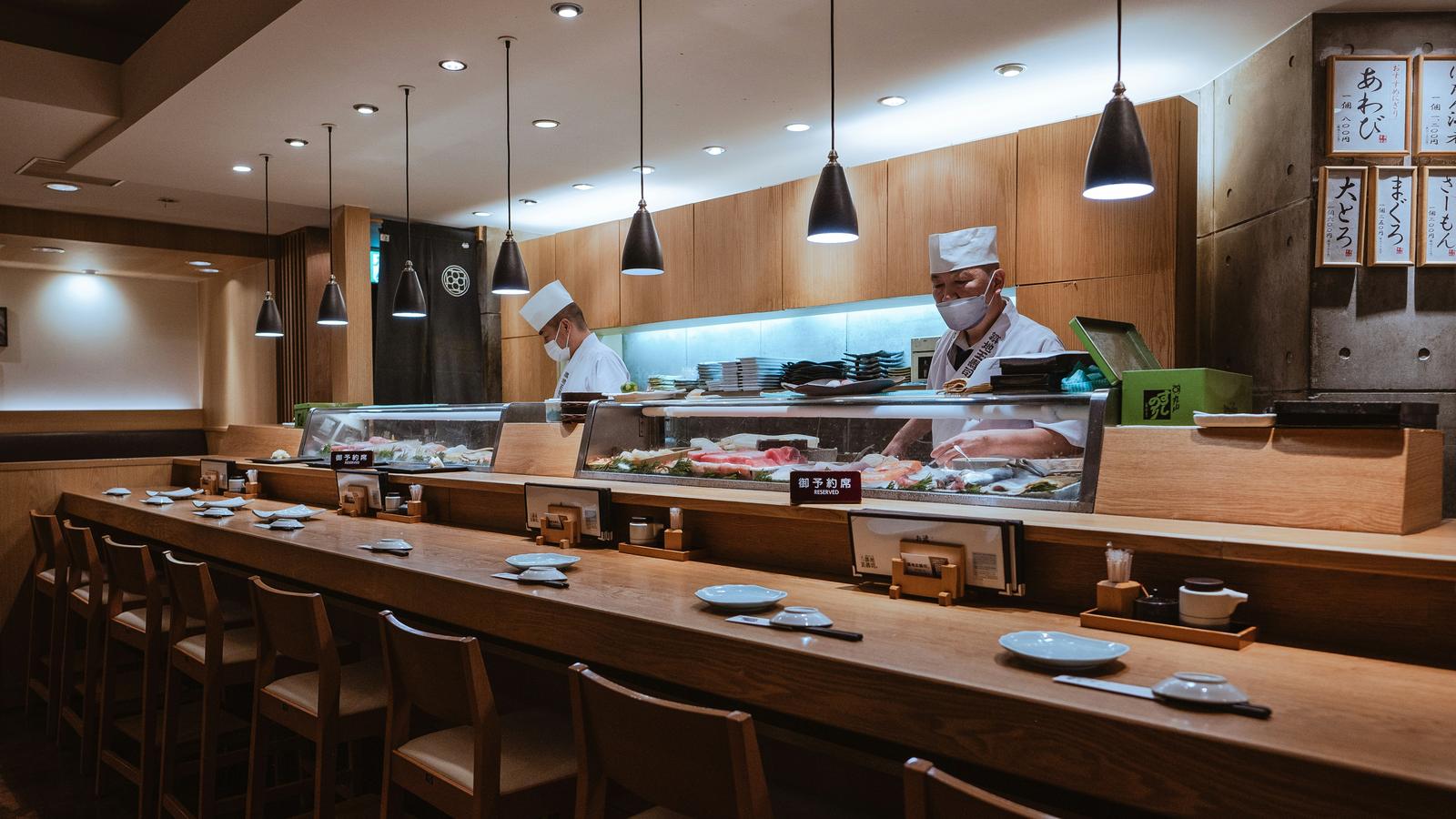
This is where travelling alone is an advantage. Sushi, tempura, kappo and yakitori are served at counters, and the chef cooks for the people in front of them. A guest on their own talks to the chef, watches the preparation and is served at exactly the right moment; a single seat is also easier to find than two together on a busy night.
The difficulty is access. The most sought-after counters in Tokyo take bookings through a hotel concierge, a member's introduction or a booking platform, often months ahead, and each sets its own rules on party size, cancellation and deposits. We check each counter's own terms for one guest before we put it in your plan, and arrange it in your name. How Tokyo's reservations work, and why the best tables are rarely found online, is in how Tokyo reservations actually work.
Hotel and ryokan restaurants
The most reliable dinners for one are often in the hotel. Hoshinoya Tokyo's sushi counter, Otemon, serves a course at ¥30,000 per person before tax and a 10% service charge, booked by 20:00 the day before, and does not adjust its menu for allergies or dietary needs. In Hakone, Gora Kadan's kaiseki restaurant and its sushi counter take guests who are not staying, which lets you have its dinner and sleep in a hotel priced for one.
Lunch is the easy meal
Many counters serve a shorter lunch at a lower price. For a guest alone, a long lunch at a great counter and a light dinner is often the better shape for the day, and lunch seats are usually easier to secure.
PRIVATE EXPERIENCES BOOKED FOR ONE
A private experience is where a solo trip gains most. With no one else to consider, you can choose the morning, the length and the subject entirely for yourself. The craft experiences we use take private bookings from a single guest, with an English-speaking guide included.
| Experience | Length | Group | Published price |
|---|---|---|---|
| A morning at a swordsmith's forge, Saitama | 3 hours | Private, 1 to 15 | From ¥93,506 per person |
| Kintsugi workshop, Kyoto | 2 hours | Private, 1 to 8 | From ¥33,000 per person |
| Incense ceremony, Kyoto | 2 hours | Private, 1 to 8 | From ¥33,600 per person |
The prices are shown as "from" because the rate per person is lowest for a larger group; for one guest we confirm the exact price when we ask for your date. The details are on our pages for a morning at a swordsmith's forge and a kintsugi workshop. A private guide is also more useful alone than in a group: you set the pace, ask every question and change the plan at lunch. How guides are priced is in what a private guide in Japan costs.
GETTING AROUND ON YOUR OWN
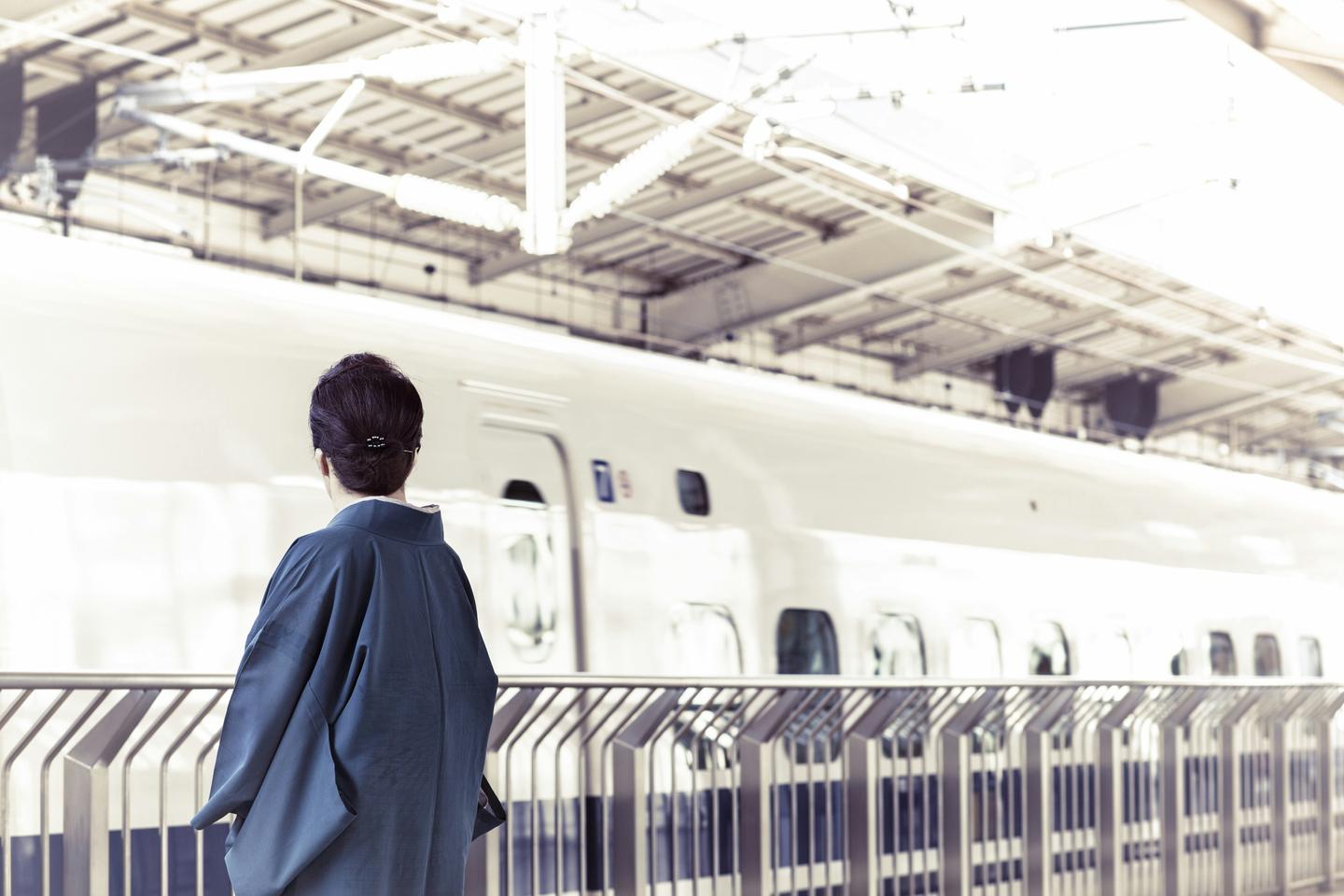
Japan's trains are the simplest part of travelling alone. The days that need thought are the ones with luggage: an airport arrival after a long flight, a change of hotel, a ryokan in the hills. We arrange a car on those days, send the large cases ahead between hotels so that you travel between cities with a light bag, and leave the rest of the days on the train. What a car with a driver costs, by the hour and for airport transfers, is in what a private driver in Japan costs.
Tipping
The national tourism organisation says it is not common to tip in bars, cafes, restaurants, taxis or hotels in Japan. A private guide used to visitors from abroad may accept a tip as thanks, but it is not expected; if you give one, it goes discreetly in an envelope.
Staying in touch
Most solo guests want one point of contact during the trip, for a late train, a change of plan or a question about dinner. With STAYGO, you message us through the STAYGO app or WhatsApp, during hours agreed with you before you leave.
A SHAPE FOR TEN DAYS ALONE
Every trip is built around the person, but this is the shape we most often start from for a first solo journey at this level.
- Tokyo, four nights. A hotel with its own good restaurant, two great counters booked ahead, one morning with a craftsman or a guide.
- A ryokan, one or two nights. Hakone or another hot spring town, chosen for a private bath and a dinner that suits one, at the rate for one in writing.
- Kyoto, three or four nights. A hotel in a quiet district, early mornings at the temples, one private workshop in the middle of the day.
- Cars on the luggage days only, and the cases sent ahead between hotels.
Our journey page for solo travel in Japan has three more shapes, for eight to eleven days.
A CHECKLIST BEFORE YOU BOOK
- For every ryokan, the rate for one guest in writing, or the confirmation that one guest pays for two.
- The accommodation tax in each city, worked out on the room charge for one.
- For each counter restaurant, its own terms for one guest, and the cancellation rule.
- For each private experience, the price for one, which is above the "from" figure.
- The days with luggage, and a car for each of them.
- One person to message during the trip, with agreed hours.
HOW STAYGO PLANS A SOLO JOURNEY
We plan the whole journey around one person: the rooms where arriving alone is easy, the counters that welcome a single guest, the experiences worth having on your own and the days that need a car. We ask every ryokan and host for the rate for one, arrange each stay in your name, and you pay each of them directly at their own rates, with no commission or markup from us. Our Signature plan is USD 3,500 for a trip of 7 to 14 days, the same for one traveller as for a group.
SOURCES AND HOW WE CHECKED
We read each property's, host's and authority's own website on October 14, 2026. We did not contact them. Prices change by date and are shown as published; for one guest, the experience prices are higher than the "from" figures. We did not use figures from booking sites, press coverage or blogs.
- Gora Kadan, FAQ: no rate for one guest, restaurants open to guests who are not staying
- KAI Akiu, plan for a first solo stay: period, inclusions, booking deadline
- Kyoto City, accommodation tax questions for operators: how the charge is divided between guests in one room, with the city's example
- Kyoto City, accommodation tax: rates from March 1, 2026 and the charge they are based on
- Hakone Town, bathing tax: ¥150 per person per night
- Tokyo Metropolitan Government, accommodation tax: current rates and the 2027 change
- Aman Tokyo, terms and conditions: service charge and tax
- Hoshinoya Tokyo, dining: Otemon price, booking deadline and dietary policy
- Swordsmith: price, length and group size
- Kintsugi workshop: price, length and group size
- Incense ceremony: price, length and group size
- Japan National Tourism Organization, tipping: tipping in restaurants, taxis, hotels and for guides
QUESTIONS SOLO TRAVELLERS ASK
Do ryokan in Japan accept solo travellers?
Many do, on different terms. Some charge one guest the rate for two, as Gora Kadan's FAQ states. Some sell plans written for one guest, such as Hoshino Resorts' KAI, whose plan for a first solo stay runs until November 30, 2026. A few decline single guests. We confirm the rate for one in writing before we arrange the stay.
Is there a single supplement in Japan?
Hotels in Japan usually price the room, so one guest pays the room rate. Ryokan usually price per person on the basis of two sharing, and either charge a guest alone more per person or charge the full rate for two. Accommodation taxes are per guest, and in Kyoto a guest alone in a room of ¥100,000 or more a night pays ¥10,000 a night in tax.
Is it normal to eat alone at restaurants in Japan?
Yes. Sushi, tempura, kappo and yakitori are served at counters, where a single seat is entirely normal. The most sought-after counters need booking ahead and set their own rules for party size, which we check for each one.
Can private experiences in Japan be booked for one person?
Yes. The private craft experiences we use, a swordsmith's forge, a kintsugi workshop and an incense ceremony, take bookings from one guest with an English-speaking guide. The published prices are "from" figures, and the price for one is higher.
Do I need to tip in Japan?
No. The national tourism organisation says tipping is not common in bars, cafes, restaurants, taxis or hotels. A private guide may accept a tip as thanks, but it is not expected.
A JOURNEY PLANNED AROUND ONE PERSON
Tell us your dates, the pace you like and what you would like to learn or eat. We will come back with the rooms, counters and mornings we would plan around, and the rate for one at each of them.
Begin planning →