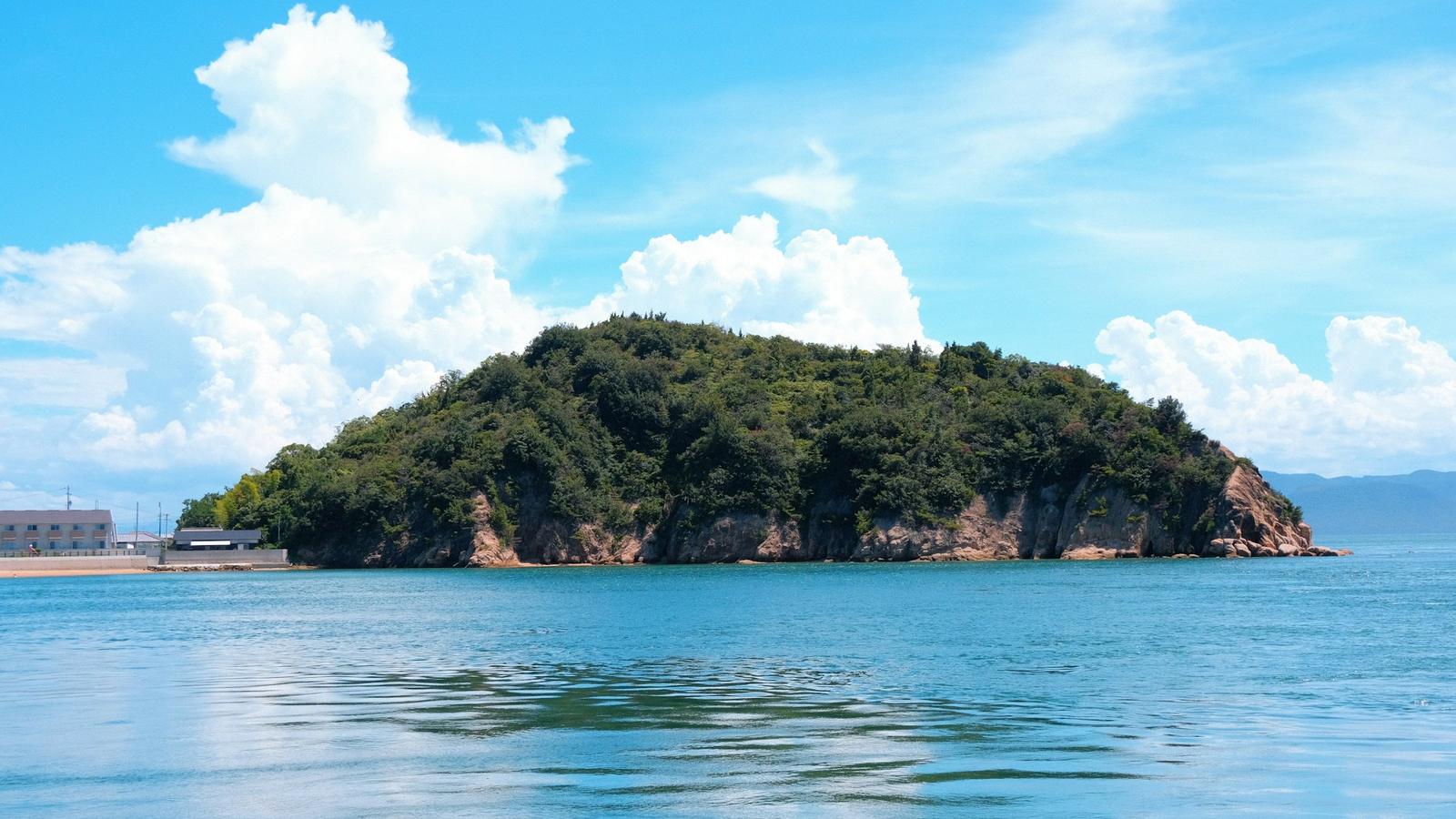
Naoshima is the name most people know. It appears in architecture magazines, on luxury travel lists, and in the itineraries of design-conscious travelers who have been to Japan more than once. What fewer people know is that Naoshima is one point in a wider constellation of islands across the Seto Inland Sea, and that the neighboring islands of Teshima and Inujima hold work that far fewer visitors have seen.
This is a guide to the full trail: what each island offers, how to move between them, and why the best time to visit is not during the Triennale.
Key points
- Naoshima is one point in a wider group of islands across the Seto Inland Sea, and the neighbouring islands of Teshima and Inujima hold work that far fewer visitors have seen.
- The Setouchi Triennale was held most recently in 2025 and is next in 2028. In Triennale years, ferry queues at Uno Port extend for hours and accommodation books out months in advance. 2026 and 2027 are the quiet years.
- Ferries from Uno Port reach Naoshima in about 20 minutes, but departures are not frequent. A boat chartered from Uno Port moves between the islands on your schedule.
- Benesse House on Naoshima books well in advance. If you want more than a day trip, book it before anything else in the itinerary.
THE THREE ISLANDS
Naoshima is the anchor of the Seto Inland Sea art world. The Chichu Art Museum, designed by Tadao Ando and built entirely underground, contains a small, permanent collection: five paintings by Claude Monet, three works by James Turrell, and one by Walter De Maria. The building is as much the work as the art within it; the relationship between the concrete forms and natural light is the primary experience.
The Benesse House complex combines hotel accommodation with a permanent contemporary art collection displayed throughout the building and its grounds. Lee Ufan Museum, also by Ando, holds a focused collection of the Korean-Japanese artist's minimalist work. The Art House Project in Honmura village repurposes traditional Japanese houses as site-specific art installations.
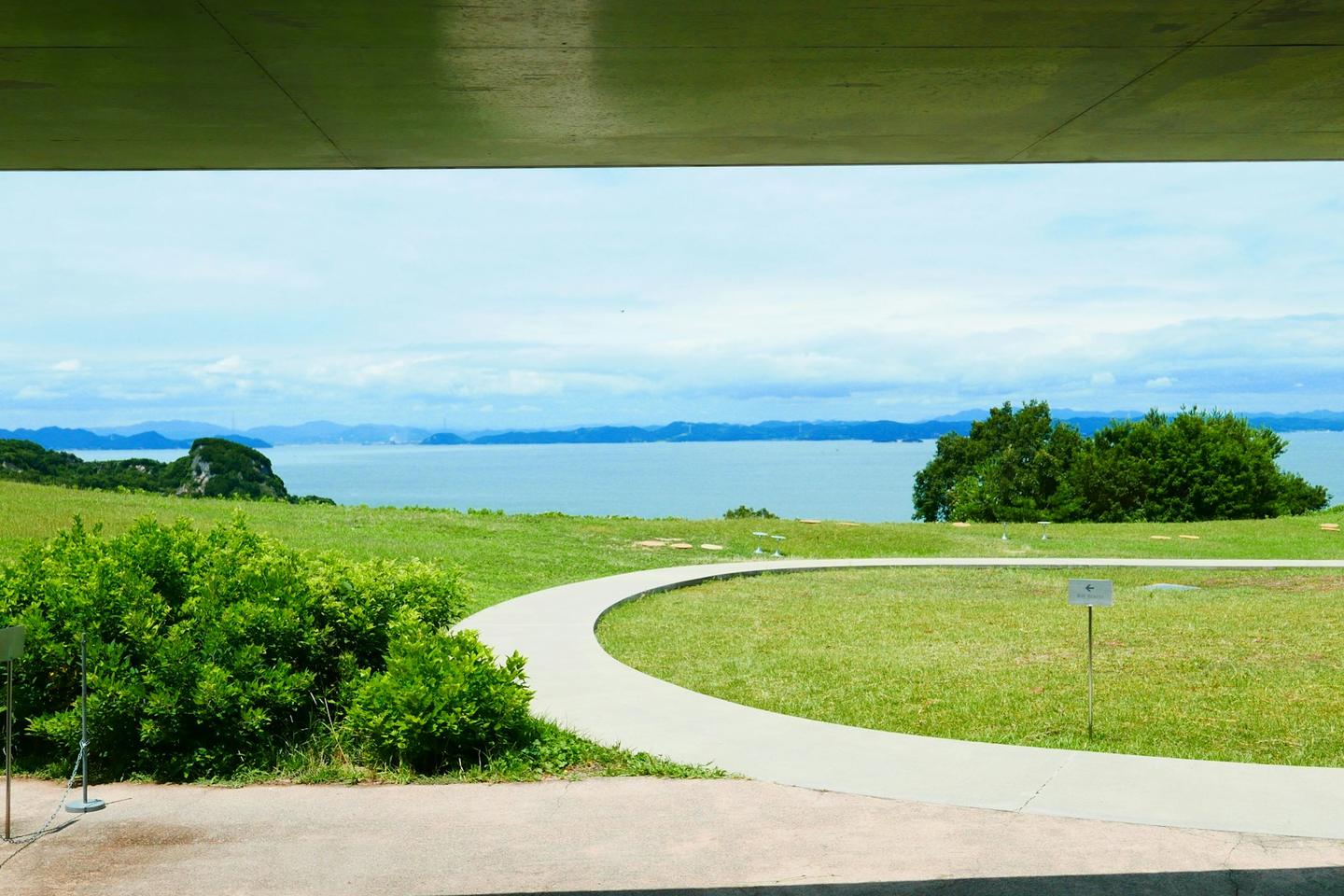
Teshima is a small agricultural island with terraced rice fields and views across the inland sea. Its defining work is the Teshima Museum, a single-room concrete shell designed by architect Ryue Nishizawa (co-founder of SANAA) that houses one installation by artist Rei Naito. The work, titled Matrix, involves water droplets emerging from the floor, moving slowly across the surface in response to air currents, combining and separating. Two oval openings in the roof and wall frame the surrounding landscape.
Visitor numbers are strictly limited and the space is experienced in near-silence. Nothing separates the work from the weather outside, so what you see depends on the hour you arrive.
Inujima is the smallest and least visited of the three main art islands. The Seirensho Art Museum was created by transforming the ruins of a copper smelting facility that operated from 1909 to 1919. Architect Hiroshi Sambuichi designed the museum to use the heat and airflow of the existing chimney stacks as a natural climate control system. Artist Yukinori Yanagi created a permanent installation that incorporates fragments of the poet Yukio Mishima's demolished house.
A ruined copper smelter, a passive cooling system and a work built from Mishima's demolished house share one building. Inujima rewards a slow visit, and most itineraries do not leave room for one.
THE TRIENNALE QUESTION
The Setouchi Triennale is held every three years: most recently in 2025, next in 2028. During Triennale years, Naoshima and Teshima experience significant visitor surges. Ferry queues at Uno Port extend for hours. Accommodation books out months in advance. The quiet that brings people to these islands is the first thing a Triennale year removes.
Off-years, 2026 and 2027, are the quiet ones. The permanent collections at Chichu, Teshima Museum and Seirensho stay open, the ferries run to their normal timetable, and Benesse House accommodation is available.
"The Teshima Museum on a quiet Tuesday in October, with three other visitors, is a different experience from the same space during the Triennale. The work hasn't changed. Everything else has."
MOVING BETWEEN ISLANDS
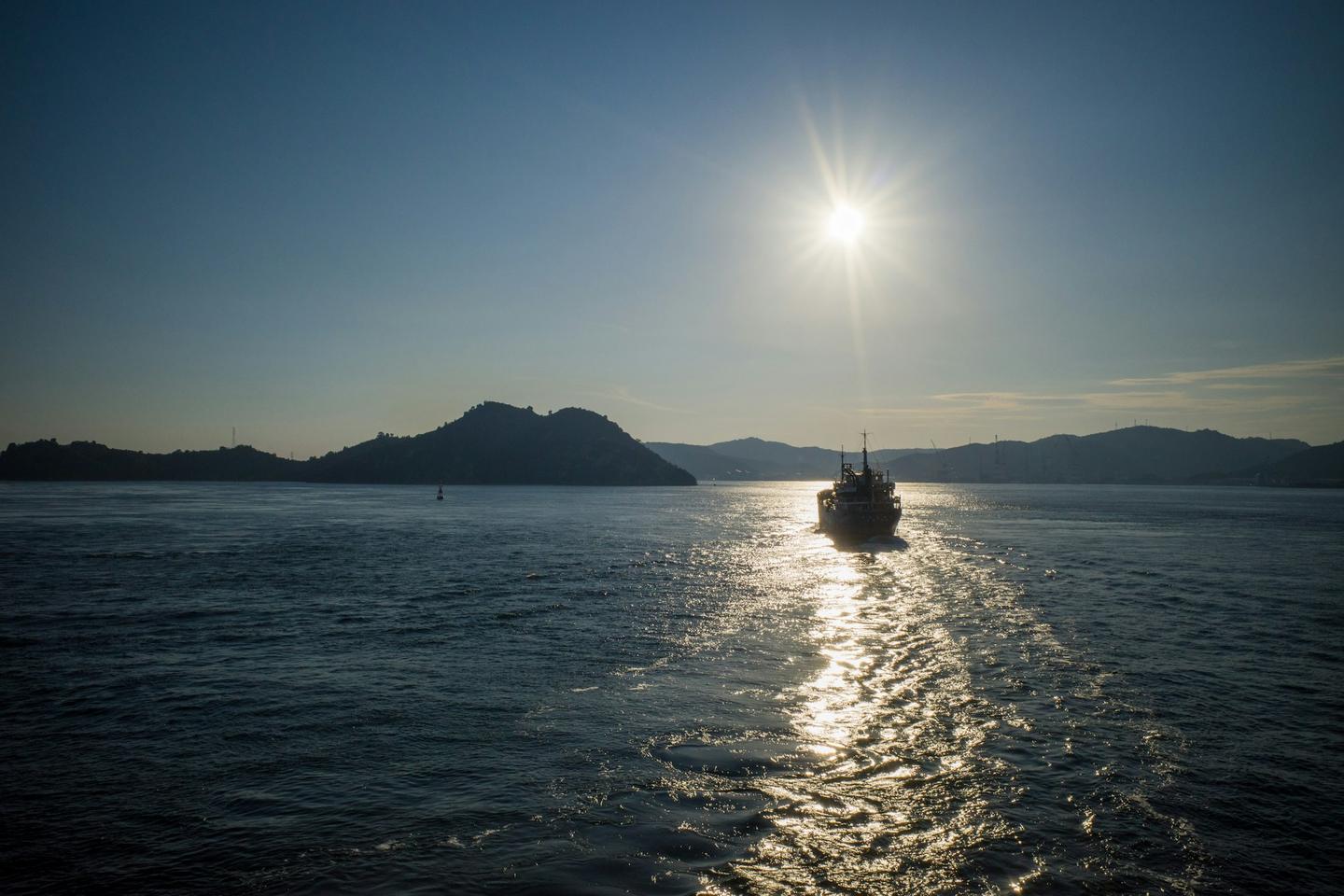
The public ferry network connects Uno Port to Naoshima (approximately 20 minutes), Teshima, and Inujima (via Teshima). The schedules are manageable but not frequent. Missing a departure usually means a long wait for the next.
Private boat charter from Uno Port removes that constraint. A chartered vessel moves between the islands on your schedule, so you can stay an extra hour on Teshima or leave Inujima early without losing the rest of the day. For groups of four or more, the cost is usually repaid in time.
Accommodation on Naoshima at Benesse House, the only hotel inside the Benesse Art Site, books well in advance. If you want more than a day trip, book it before anything else in the itinerary.
HOW STAYGO APPROACHES THE ISLANDS
STAYGO secures the room at Benesse House, arranges the private boat, and plans the three islands in an order that gives each one the hours it needs. Ferry windows, timed museum entry and the shortage of rooms are settled months before you travel, which is when the work has to be done.
For guests combining the Seto Inland Sea with time in Kyoto or Osaka, the geography is more convenient than it appears: Okayama is about 45 minutes from Shin-Osaka by Shinkansen, making the islands a natural addition to any western Japan itinerary.
SOURCES AND HOW WE CHECKED
The collection, dates and travel times on this page come from desk research. We read the pages listed below on October 5, 2026, and did not contact the museums, the festival or the ferry and rail operators. Travel times are typical and vary by departure. Figures we could not trace to a source have been taken out of this page.
- Benesse Art Site Naoshima, Chichu Art Museum: five paintings by Monet, three works by Turrell, one by De Maria
- Benesse Art Site Naoshima, Inujima Seirensho Art Museum: the copper refinery built in 1909 and closed about ten years later
- Benesse Art Site Naoshima, access: Uno to Naoshima by ferry about 20 minutes, Okayama to Uno by JR Uno Line about 50 minutes
- Setouchi Triennale official site (Japanese): the 2025 edition and the dates set for 2028
- Ekitan timetable, Tokyo to Okayama by Nozomi (Japanese): about 3 hours 10 to 17 minutes
- Ekitan timetable, Shin-Osaka to Okayama by Nozomi (Japanese): about 44 to 48 minutes
QUESTIONS, ANSWERED
How do I get to the Seto Inland Sea art islands from Tokyo?
The most practical route from Tokyo is Shinkansen to Okayama (about 3 hours 15 minutes on Nozomi), then JR Uno Line to Uno Station (about 50 minutes), then ferry to Naoshima (approximately 20 minutes) or Teshima. The ferry network connects all three main art islands. Private boat charter from Uno Port is available for groups who want to move between islands without being constrained by the public ferry schedule.
What is the Setouchi Triennale and when is it held?
The Setouchi Triennale is an international art festival held across the islands of the Seto Inland Sea every three years. It was held in 2025 and will next be held in 2028. During Triennale years, visitor numbers to Naoshima and Teshima increase significantly, ferry schedules become congested, and accommodation is difficult to book. Off-years, including 2026 and 2027, offer a quieter, more contemplative experience of the permanent installations.
Is Naoshima worth visiting outside of the Triennale?
Yes, arguably more so. The permanent collection at Chichu Art Museum (Monet, Turrell, De Maria), the Benesse House complex, and the Art House Project in Honmura village are all open year-round. Outside Triennale years, Naoshima returns to a scale that allows genuine contemplation. Chichu in particular, a museum built entirely underground by Tadao Ando, is best experienced with minimal other visitors.
What is the Teshima Museum?
The Teshima Museum is a shell-like concrete structure designed by architect Ryue Nishizawa housing a single installation by artist Rei Naito. The work, Matrix, involves water droplets emerging from the floor, moving and combining in response to air currents. There are no walls, only two oval openings that frame the surrounding landscape and sky. Visitor numbers are strictly limited; the space is experienced in silence. It is widely regarded as one of the most profound architectural and artistic experiences in Japan.
Can I visit multiple Seto Inland Sea art islands in one day?
It is possible to visit two islands in one day on the public ferry network, but the experience is rushed. Each island, particularly Teshima with the Teshima Museum and Inujima with the Seirensho Art Museum, requires time to absorb properly. A minimum of two days for the three main islands (Naoshima, Teshima, Inujima) is recommended. Private boat charter removes the ferry schedule constraint and allows a more considered pace.
THREE ISLANDS, PLANNED AS ONE TRIP
STAYGO arranges the Benesse House room, the boat between islands and the timed museum entries, and fits them to the days you have.
Begin planning →