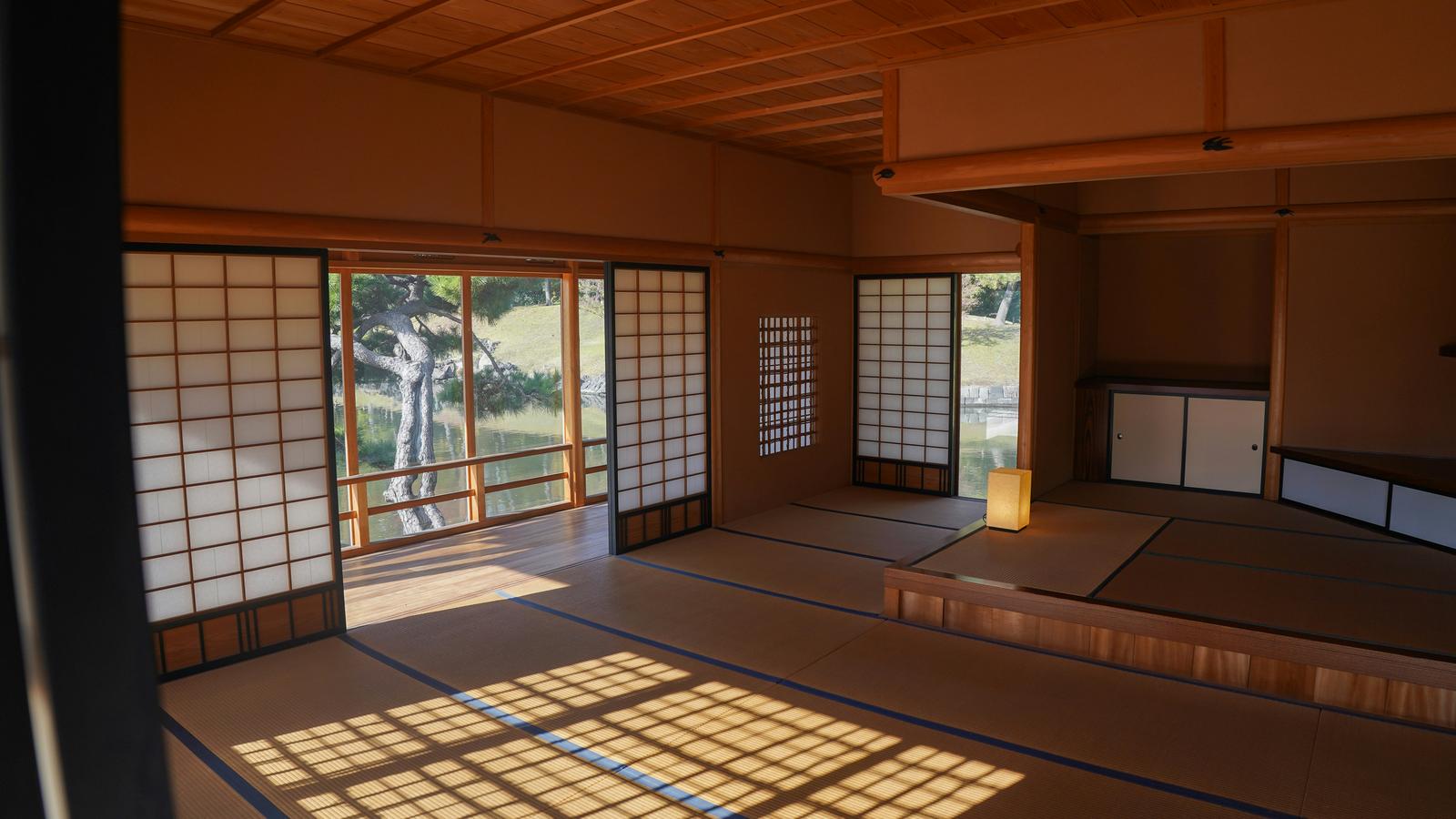
Travellers from Mexico have become one of Japan's fastest-growing markets. JNTO, the Japan National Tourism Organization, counted 200,400 visitors from Mexico in 2025, up 32.0% on the year before, and 173,500 from January to September 2026, up 25.8%. JETRO reports that Mexico led every market in growth against 2019 for three years running, from 2023 to 2025. JNTO's office in Mexico City adds that the stays are getting longer, and that the travellers with the most to spend choose ryokan, fine dining, the traditional arts, wellness and shopping.
A long flight and a long stay ask for a different shape from a ten-day tour. This article sets out how we pace two or three weeks for guests flying from Mexico City: the arrival at Narita, the fifteen-hour time difference, the first quiet days, and where the second and third weeks can go. We read JNTO's statistics and its Mexico office's release, JETRO's report, airline and aviation sources, hotel and shrine pages, and Mexican and Japanese press, and contacted none of them; the sources are listed at the end. For the length of the journey itself, see 14 Days vs 21 Days in Japan: Is the Extra Week Worth It? →.
Key points
- Narita is the only Japanese airport with direct flights to Mexico; in 2024, 73.5% of visitors from Mexico entered Japan there.
- Since Mexico ended daylight saving time in 2022, Japan is fifteen hours ahead of Mexico City all year.
- The body adjusts by about one hour a day after flying east, so the first days in Japan are best kept light.
- The Golden Route of Tokyo, Hakone and Kyoto fills the first week well; Hiroshima, Miyajima and the Seto Inland Sea suit the second.
- Three weeks leave room for 2027's rising regions: Lonely Planet chose Okinawa and Tohoku, and searches for Hyogo on Expedia nearly doubled.
THE FLIGHT INTO NARITA
JETRO notes that Narita is the only airport in Japan with direct flights to Mexico, served by Aeroméxico and ANA with one flight a day each. In 2024, 73.5% of visitors from Mexico entered Japan at Narita, 15.4% at Haneda and 6.6% at Kansai. ANA has flown between Mexico City and Narita nonstop every day since 2017. Aeroméxico's flight to Tokyo has at times included a stop on the way: from August 31 to December 30, 2026, its schedule shows a technical stop at Puerto Vallarta, leaving Mexico City at 22:35 and reaching Narita at 06:30 two days later. We confirm the routing for 2027 dates before the flights are chosen.
Narita sits outside the city. HOSHINOYA Tokyo, in Otemachi, gives about 60 minutes from Narita by taxi. A driver waiting at arrivals, with the luggage sent ahead to the hotel, makes the first morning in Japan a quiet one.
FIFTEEN HOURS AHEAD
Mexico ended daylight saving time on October 30, 2022, keeping it only in Baja California and some border municipalities in Coahuila, Tamaulipas and Nuevo León. Mexico City is therefore six hours behind UTC all year and Japan nine hours ahead, a difference of fifteen hours in every season. Breakfast in Kyoto is dinner the evening before in Mexico City.
The CDC's Yellow Book gives the rule of thumb: after flying east, the body adjusts by about one hour a day, and daylight at the destination helps it along. Over fifteen hours, that is a long adjustment, and the first three or four days rarely feel normal. We keep them light: a garden in the morning, a long lunch, an early night, and nothing that needs a 7:00 start. How much free time to leave, and where, is set out in How Much Free Time Should a Japan Itinerary Include? →.
THE FIRST WEEK
JNTO's office in Mexico notes that most visitors from Mexico still follow the Golden Route of Tokyo, Kyoto and Osaka. On a long journey this is a good first week. Tokyo holds the jet-lagged days well, with gardens, museums and the tables of Ginza. Hakone gives the first ryokan and the first hot spring bath: Gora Kadan stands on the grounds of a former villa of the Kan'in-no-miya imperial family. Kyoto then deserves four or five nights, enough for the temples in the early hours and a day trip to Nara.
Fewer hotel changes make a long journey feel longer. Two nights is the shortest stay that leaves a full day, and three settle a place; the reasoning is in How Many Hotel Changes Are Too Many in Japan? →.
THE SECOND WEEK ON THE INLAND SEA
JNTO's office in Mexico reports that travel agencies there are asking more and more for regions beyond the Golden Route. On a study trip for Mexican agents in January 2025, through Hiroshima, Okayama and Osaka, Miyajima was praised as Japanese culture you can see with your own eyes, and the Peace Memorial Park as important to the history of Japan and of humanity. The same report notes that high-value travellers add Naoshima.
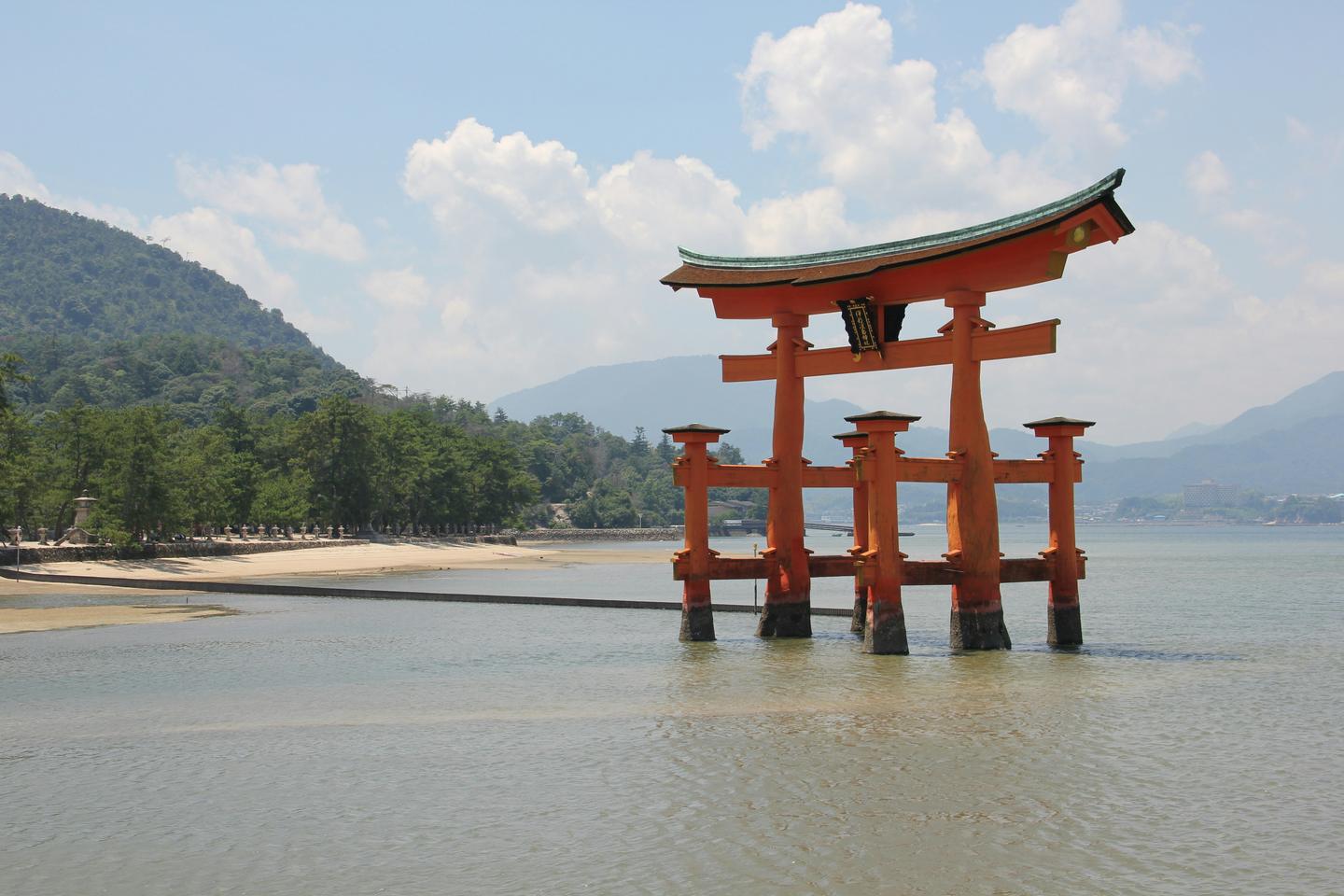
Itsukushima Shrine, on Miyajima, has been a World Heritage Site since 1996, and its great torii stands in the sea. A night on the island lets you see it after the day visitors leave. From there the Seto Inland Sea opens: the art islands of Naoshima and Teshima, and the quiet coast of Setoda. See Hiroshima & Miyajima: Beyond the Atomic Bomb Narrative → and Beyond Naoshima: Seto Inland Sea Art Islands →.
THE THIRD WEEK AND 2027
The third week is where a journey from Mexico can reach the regions that are rising for 2027. Lonely Planet's list of the best places to go in 2027, published on September 22, 2026, includes two from Japan: Okinawa, for its subtropical island culture, and Tohoku, for the Michinoku Coastal Trail. Expedia's Unpack '27 report found that searches for Hyogo rose 95% on the year, the second-largest rise in the world; Hyogo holds Himeji Castle and the hot spring towns of Arima and Kinosaki.
Each of these suits a different family. Okinawa gives a warm close after the cities. Tohoku suits walkers and those returning for a second time. Hyogo sits between Kyoto and Hiroshima and fits naturally into the second week. Kyushu, with its hot springs and its own food, is another strong choice; see Kyushu: Where to Go After Tokyo and Kyoto → and Tohoku: Japan's Quieter North →.
WHAT DRAWS THE JOURNEY
JNTO's Mexico office describes what its wealthiest travellers come for: ryokan, high-end dining, the traditional arts, luxury shopping, wellness and, for some, skiing, with a growing number travelling along the coast on luxury cruise ships. Many come as families, often three generations together, and the evening matters: lunch often comes at 13:30 or 14:00 on weekdays, and dinner later. Japanese restaurants keep earlier hours, so the table needs planning; see Late Dinners in Japan: Where the Evening Runs Long → and Japan With Three Generations →.
A SHAPE FOR THREE WEEKS
A draft we might begin with for twenty nights: Tokyo for four, Hakone for two, Kyoto for five, Miyajima for two, Naoshima or Setoda for three, and Tokyo again for four, close to Narita for the flight home. That is six stays and five travel days, with most stays of three nights or more. A family drawn to the sea might exchange the last Tokyo nights for Okinawa; a couple returning to Japan might give the third week to Tohoku.
Within Signature, our planning for journeys of 7 to 21 days for one group, we draw the stays and the travel days first, then the tables and the experiences. Hotels, ryokan, drivers and restaurants are arranged by us and settled with each of them in the simplest way available, usually on your hotel bill or on the day. Journeys of 22 days or more, and groups of seven or more, are planned as Bespoke.
SOURCES AND HOW WE CHECKED
We read the pages below on November 5, 2026. Flight schedules change by season; we confirm them for your dates. We did not contact any airline, hotel or other body.
- JNTO, Visitor arrivals, December 2025 estimate (Japanese): 200,400 from Mexico in 2025, +32.0%
- JNTO, Visitor arrivals, September 2026 estimate (Japanese): 173,500 from January to September 2026, +25.8%
- JETRO, Area report on Mexico, February 16, 2026 (Japanese): growth against 2019, direct flights, airports of entry
- JNTO Mexico, Record of Mexican visitors in 2025 (Spanish): longer stays, what high-income travellers seek
- Kanko Keizai Shimbun, interview with JNTO's Mexico office, September 2, 2025 (Japanese): Golden Route, regions, Miyajima, Naoshima, meal times
- Forbes México, January 23, 2026 (Spanish): the 2025 record and longer stays
- Mexico News Daily, January 26, 2026: ANA's daily nonstop since 2017
- Aeroroutes, Aeroméxico Mexico City to Tokyo, September to December 2026: stop at Puerto Vallarta, times
- Expansión, end of daylight saving time, October 30, 2022 (Spanish): where it remains
- CDC Yellow Book, Jet lag: about one hour a day eastward, daylight
- HOSHINOYA Tokyo, Access: about 60 minutes from Narita by taxi
- Gora Kadan, official site: former villa of the Kan'in-no-miya family
- Itsukushima Shrine, official site: World Heritage since 1996
- JNTO, Lonely Planet Best in Travel 2027 (Japanese): Okinawa and Tohoku
- Travel Voice, Expedia Unpack '27, October 19, 2026 (Japanese): Hyogo searches +95%
QUESTIONS TRAVELLERS ASK
Are there direct flights from Mexico to Japan?
Yes, between Mexico City and Narita, the only Japanese airport with direct flights to Mexico. ANA flies nonstop daily. Aeroméxico also flies daily, but its Tokyo flight has at times stopped on the way, so we confirm the routing for your dates.
What is the time difference between Mexico City and Japan?
Fifteen hours, all year. Mexico ended daylight saving time in 2022 outside a few border areas, so Japan is always fifteen hours ahead of Mexico City.
How long does jet lag last after flying from Mexico to Japan?
The CDC's rule of thumb is about one hour of adjustment per day after flying east. Over fifteen hours, the first three or four days are best kept light, with daylight outdoors.
Is three weeks too long for Japan?
Not for a journey from Mexico. A third week allows fewer hotel changes and time for regions beyond the Golden Route, such as Miyajima and the Seto Inland Sea, Kyushu, Okinawa or Tohoku.
Where should the first week go?
Most visitors from Mexico begin with Tokyo, Hakone and Kyoto. On a long journey that works well, as long as the first days in Tokyo stay light while the body adjusts.
ASK US ABOUT A LONG JOURNEY
Send us your dates, who is travelling and what draws you to Japan. We will draw the stays, the travel days and the quiet days side by side, with the reasons, before anything is arranged.
Begin planning →We reply within 24 hours, in writing
Some of the restaurants and bars we arrange seat guests only by introduction or membership. We ask on your behalf; the table and the evening are the house's decision. We do not publish their names.