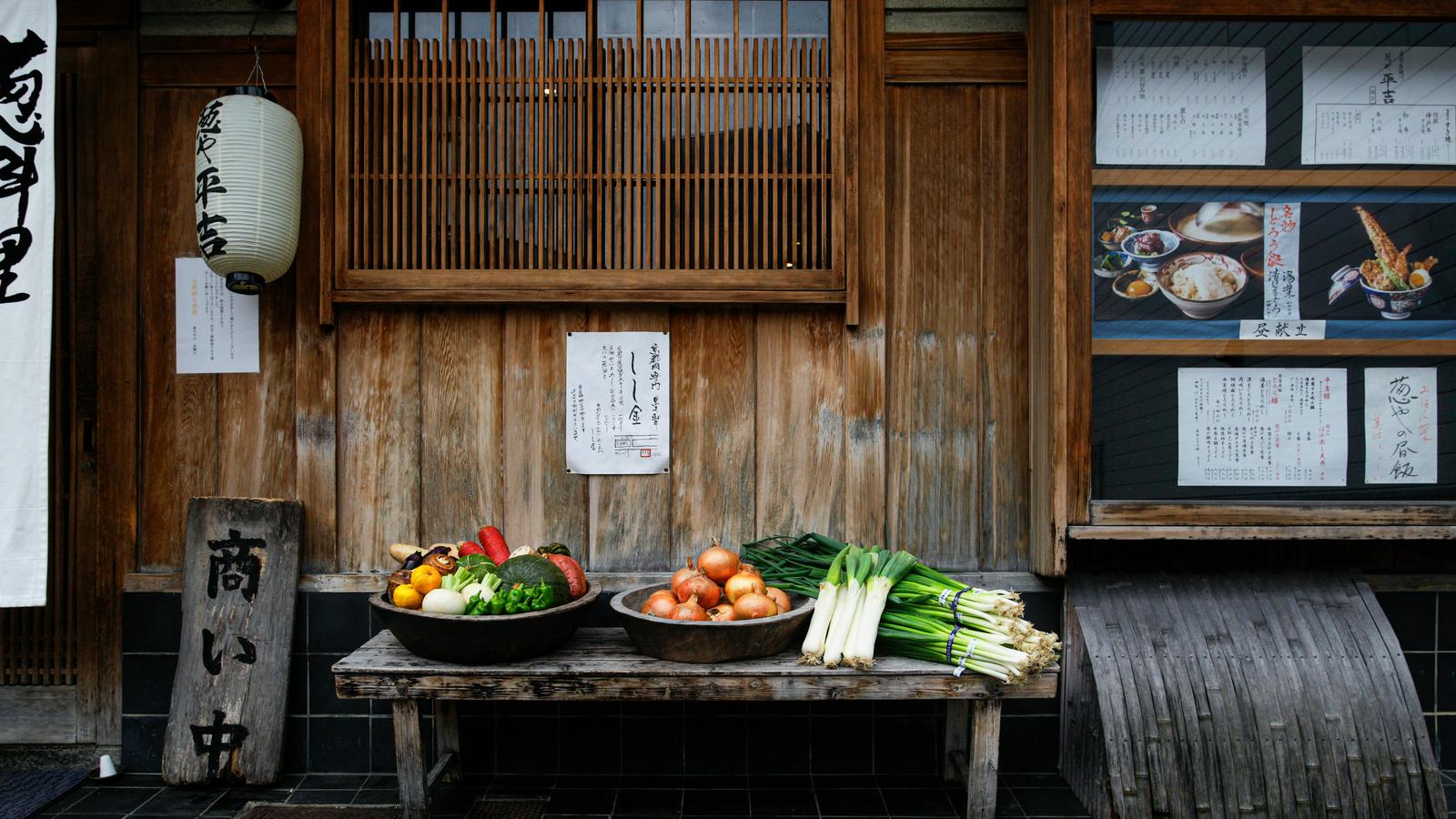
Vegetarian kaiseki in Japan is very possible, and the one thing to plan around is dashi. The stock behind most Japanese soups, simmered dishes and sauces is usually made with katsuobushi, dried bonito, so a dish of vegetables alone can still contain fish. The two reliable routes are a shojin ryori restaurant, where the Buddhist temple tradition keeps the kitchen free of meat and fish, or a regular kaiseki kitchen that has been told in writing, days ahead, to build the meal on kombu and dried shiitake instead.
This article explains why dashi matters, what shojin ryori is, five temple and dedicated vegetarian restaurants in Kyoto and Tokyo with their published prices and rules, how ryokan handle vegetarian dinners, and exactly what to ask about, with the Japanese words. We read every price, opening day and booking rule on the venue's own website on October 14, 2026, and the background figures come from the Japan Tourism Agency. The sources are listed at the end. For how reservations themselves work at Japan's harder tables, see how to get a reservation at Japan's best restaurants.
Key points
- Most Japanese cooking starts from dashi, and the everyday version is made with dried bonito flakes. Saying "no meat, no fish" does not always cover it. Name the dashi.
- Shojin ryori is the Zen Buddhist temple cuisine. Tenryu-ji in Kyoto describes it as reaching Japan with Zen teaching in the thirteenth century and as cooking "while depriving no animals of life".
- In Kyoto, Shigetsu at Tenryu-ji serves lunch only, 11:00 to 14:00, from ¥3,800 plus the ¥500 garden fee, and asks for bookings at least three days ahead. In Tokyo, Sougo in Roppongi serves a shojin kaiseki dinner at ¥18,700 and states that vegan guests can eat there with confidence.
- Ryokan can usually adapt dinner when told early. Gora Kadan in Hakone asks for meal preferences by 18:00 on the day before arrival and states the menu cannot be changed on the day.
- Ask about bonito, fish sauce, egg, dairy, honey, the alcohol in mirin and sake, and, for some Buddhist and Jain diets, garlic, onion and other pungent vegetables.
WHY DASHI IS THE HIDDEN PROBLEM
Dashi is the clear stock that sits underneath Japanese cooking. It goes into miso soup and clear soups, into the liquid that vegetables and tofu are simmered in, into the dipping sauce for tempura and noodles, into the custard of chawanmushi and into many dressings. In most kitchens it is made by steeping kombu, a kelp, and then adding katsuobushi, dried and smoked bonito shaved into flakes. Some cooks use niboshi, dried sardines, for a stronger stock.
This is why vegetarian travellers in Japan are sometimes served a plate that looks entirely vegetable and is not. A simmered turnip, a bowl of grilled aubergine in broth, a sesame tofu with its sauce: each may carry bonito in the liquid. A kitchen that has been told only "no meat, no fish" may honestly believe the dish complies, because there is no visible fish in it.
The fix is simple, and Japanese cooking already has it. A stock made from kombu alone, or from kombu and dried shiitake mushrooms, is a classic of its own and is the base of temple cooking. A good kitchen given notice can rebuild a whole menu on it. What matters is saying so in plain terms, early, and in Japanese.
Why the government wrote a guide about it
The Japan Tourism Agency published a guide for restaurants and food businesses on serving vegetarian and vegan guests, dated April 2020. Using Euromonitor data, it puts the number of vegetarians and vegans across 100 major countries and regions at about 630 million in 2018. Among the twenty countries and regions sending the most visitors to Japan, it gives India the highest share at 28%, followed by Taiwan at 14%. The guide sets out the main types of diet, from lacto-ovo vegetarian to vegan, and notes that vegans also avoid honey, gelatin and other animal-derived ingredients. It also describes the oriental vegan and oriental vegetarian diets common in Taiwan, which on Buddhist grounds also exclude the five pungent vegetables: garlic, Chinese chives, rakkyo shallots, green onions and asatsuki chives. That list is worth knowing if you keep such a diet, because a Japanese kitchen will not assume it.
WHAT SHOJIN RYORI IS
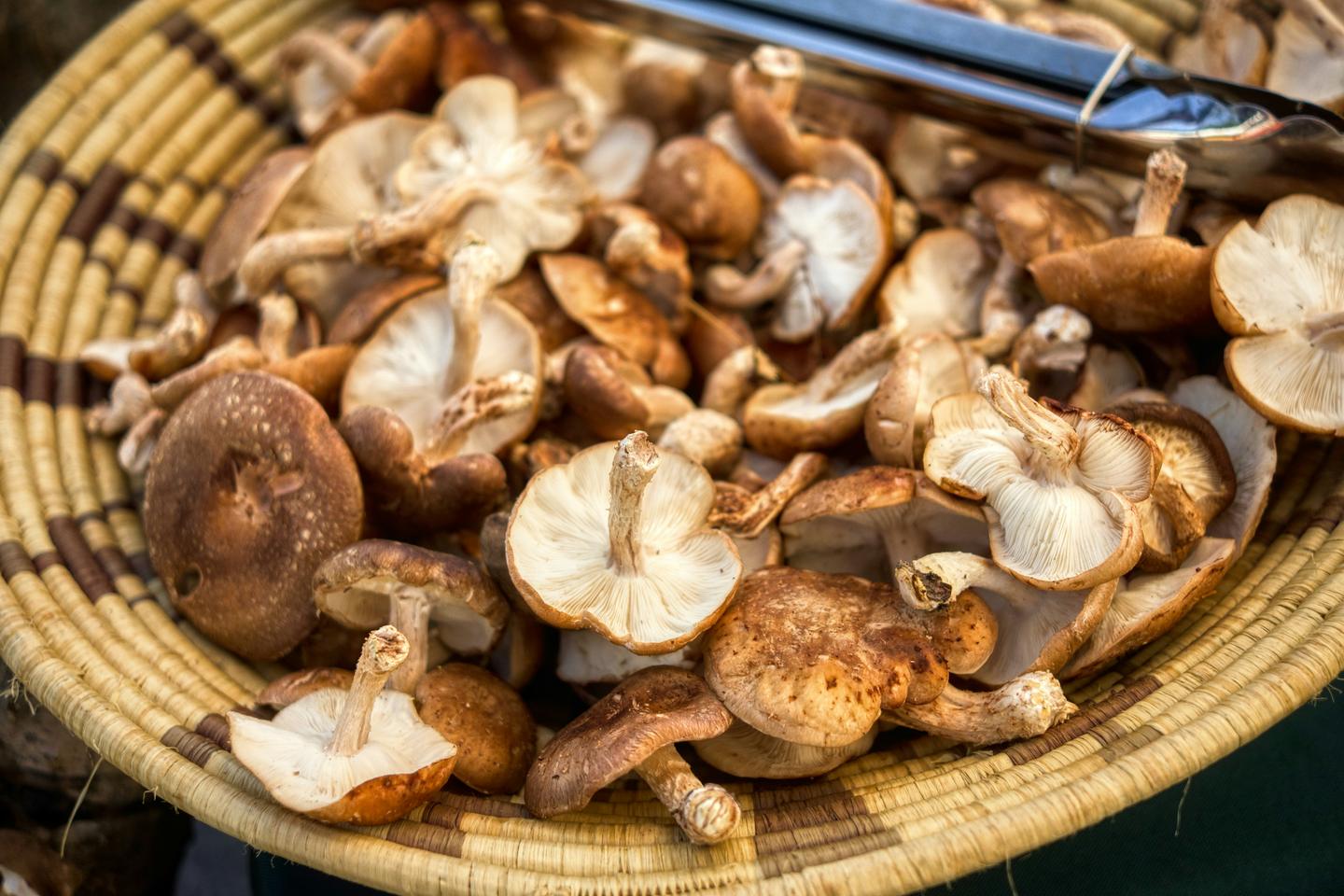
Shojin ryori is the cooking of Zen Buddhist temples. Tenryu-ji, the World Heritage temple in Arashiyama, explains on its own site that it has its origins in Chinese Zen and came to Japan with Zen teaching in the thirteenth century, that cooking and eating are regarded in Zen as forms of practice, and that the cuisine makes "satisfying, nourishing meals from fresh seasonal vegetables, herbs, and wild plants while depriving no animals of life."
Izusen, which has served temple cooking in the grounds of Daitoku-ji since 1963, describes shojin ryori on its own site as food prepared, following the Buddha's teaching, from grains, beans and vegetables with no meat or seafood, using restrained seasoning so the ingredients speak, and using every part of each ingredient. Its own style is teppatsu ryori, served in lacquer bowls shaped after the iron bowl a monk carried to receive alms.
A related style is fucha ryori. Bon, in Tokyo, describes it as temple cooking passed down for about 300 years, since the Chinese Zen master Ingen founded Manpuku-ji at Uji in Kyoto, and recommends it to vegetarian guests.
A shojin meal in a temple restaurant is usually a set: rice, a soup and a number of side dishes, arranged by season. Expect sesame tofu, yuba (the skin lifted from heated soy milk), simmered and dressed vegetables, mountain greens and pickles. It works well as a lunch between temple visits. For a first trip to Kyoto, our Kyoto guide shows how a temple lunch fits into a day.
Shojin is not automatically vegan
The temple tradition excludes meat and fish. Each restaurant still sets its own rules on egg, dairy, honey, alcohol in seasoning and the pungent vegetables, and the official pages we read for Shigetsu, Ajiro and Izusen do not state a position on those points. If you are vegan or avoid garlic and onion, that has to be confirmed in writing for each booking. The table below says where a venue states it plainly.
VEGETARIAN KAISEKI IN KYOTO AND TOKYO
These are five restaurants whose own websites we read on October 14, 2026. Each publishes its prices and rules. We have not listed places whose current details we could not confirm on an official page.
| Restaurant | What it serves and when | Published prices | Rules that matter |
|---|---|---|---|
| Shigetsu, Tenryu-ji, Arashiyama, Kyoto | Temple restaurant inside the Tenryu-ji grounds. Lunch only, 11:00 to 14:00. Closed Thursdays. | Yuki ¥3,800, Tsuki ¥6,500, Hana ¥9,000, plus the ¥500 garden admission. No service charge. | Yuki at least 2 days ahead. Tsuki and Hana for 2 or more guests, at least 3 days ahead. A booking stands only once Shigetsu confirms it. Cancellation: 50% the day before, 100% on the day. |
| Ajiro, beside Myoshin-ji, Kyoto | Shojin restaurant that has cooked for the head temple of Myoshin-ji for half a century. Open 11:00 to 19:00, closed Wednesdays. | Engataka bento ¥4,840 (lunch only), Zenmi course ¥8,470, Myoho course with freshly lifted yuba ¥12,100. Tax and service included. | Reservation only, taken directly by the restaurant. Menu changes with the season. |
| Izusen Daiji-in, Daitoku-ji, Kyoto | Teppatsu ryori in the sub-temple Daiji-in, open since 1963. 11:00 to 16:00 (last order). Open every day except December 28 to 31. | Ayame ¥4,500, Yuri ¥5,500, Botan ¥6,500. | Groups of 6 or more must reserve. Seats up to 160 at once. |
| Sougo, Roppongi, Tokyo | Shojin cooking in modern kaiseki form. Lunch 11:30 to 15:00, dinner 17:30 to 23:00 (last entry 21:30). Closed Sundays and public holidays. | Dinner: Hasu ¥18,700 (aperitif, nine dishes, two desserts), Zen ¥15,400. Lunch kaiseki ¥13,200. 10% service charge added. | States vegan guests can eat with confidence. Allergies and dietary restrictions at least 2 days ahead. Course cancellation: 50% the day before, 100% on the day. |
| Bon, Ryusen, Tokyo | Fucha ryori, the temple cooking of the Obaku school. 12:00 to 15:00 (last order 12:30) and 18:00 to 21:00 (last order 18:30). Closed Wednesdays and Thursdays, at New Year and for a summer break. | Courses ¥6,000, ¥8,000 and ¥10,000. Weekday lunch ¥5,000. Tax and service extra. | Reservation required. A cancellation fee applies on the day. |
How to choose between them
For a temple setting in Kyoto. Shigetsu sits inside one of the city's great gardens, so the meal and the visit are one morning. It seats up to 250 and the Hana set at ¥9,000 is the fullest. Izusen at Daitoku-ji suits a day among the Zen sub-temples of northern Kyoto. Ajiro, at the gate of Myoshin-ji, is open until 19:00, and its Myoho course is built around yuba lifted at the table.
For a dinner that feels like fine dining. Sougo in Roppongi is the clearest choice in Tokyo. It serves shojin as a kaiseki course with counter seats, tables and private rooms, changes the menu about every three weeks, and is the one venue in this list that states on its own page that vegan guests are catered for. Bon serves a longer, older style of temple feast in a quiet part of the city's northeast.
A note on Sougo's history with the government guide. The Japan Tourism Agency's 2020 guide used Sougo as a case study. At that time the restaurant served a fully plant-based shojin kaiseki made with a shojin stock and no bonito, alongside a separate vegetable kaiseki that included bonito dashi, egg and dairy, and its kitchen and utensils were not separated. Menus have changed since 2020. The lesson holds: even at a vegetarian restaurant, name the menu you want and ask about shared equipment if it matters to you.
WHEN A REGULAR KAISEKI KITCHEN ADAPTS
Many of Japan's best kaiseki and kappo restaurants will prepare a vegetarian course when they have notice, and some will go further and cook vegan. Many will not, or will only remove the fish courses and keep the bonito stock, so it is worth knowing which kind of kitchen you are dealing with before the evening.
A kitchen that adapts well usually does three things. It makes a separate stock from kombu, or kombu and dried shiitake, for your courses. It replaces the sashimi and grilled fish courses with vegetable dishes of the same weight in the meal, such as a seasonal vegetable grilled over charcoal, a sesame tofu, or a yuba dish. And it checks its own seasonings, because soy-based sauces, ponzu and tare are often made in advance with bonito.
Notice is the deciding factor. A kaiseki menu is planned and its ingredients bought days ahead, and a separate stock takes time. The venues in this article that publish a rule ask for two days, three days, or the day before by a fixed hour. We work to the longest of those as a minimum and pass dietary needs on when each table is arranged.
There are also kitchens where adaptation is not offered. Sushi counters are the clearest case, since the meal is built on fish from the first piece to the last. For a vegetarian traveller the better evening is usually a counter or private room whose chef works with vegetables by preference.
VEGETARIAN DINNERS AT A RYOKAN
At a ryokan, dinner is part of the stay, served in your room or a private dining room, and the menu is usually a multi-course kaiseki planned for the season and often for the month. Most fine ryokan can prepare a vegetarian version, provided they hear in good time.
Gora Kadan in Hakone is a useful example because its official site sets the rules out clearly. Its dinner is a kaiseki course that changes every month, which it describes as made mainly from seafood and vegetables with some meat dishes. It asks guests to give notice of preferences so it can prepare for allergies and for vegetarian, gluten-free or seafood choices. It asks for meal preferences and allergies at least a day in advance, and by 18:00 on the day before arrival. It states that the menu cannot be changed on the day, and that the last dinner reservation is 19:00.
Three points apply at most ryokan. First, the vegetarian request belongs with the room booking, since dinner is planned against the reservation. Second, breakfast counts too: a Japanese breakfast often includes grilled fish, miso soup made with dashi, and egg, so say what you eat in the morning as well. Third, a ryokan in a rural area may have one kitchen cooking one menu for everyone, and a separate vegan stock and set of dishes is a real request for it. For choosing the inn itself, see how to choose a ryokan.
WHAT TO ASK AND THE WORDS TO USE
The most useful thing you can do is be exact about your own diet. "Vegetarian" means different things in different countries, and a Japanese kitchen will do its best with what it is told. The checklist below covers the ingredients that most often surprise vegetarian and vegan travellers in Japan, with the Japanese term a kitchen will recognise. Tell us which lines apply to you and we write them into every request.
| Ask about | Japanese | Where it hides |
|---|---|---|
| Bonito stock | 鰹節、かつお出汁 (katsuobushi, katsuo dashi) | Soups, simmered vegetables, tempura and noodle sauces, chawanmushi, dressings, ponzu. |
| Other fish stocks | 煮干し (niboshi), 魚介の出汁 | Miso soup and home-style stocks. |
| Fish sauce | 魚醤 (gyosho) | Some regional cooking and some sauces. |
| Egg | 卵 (tamago) | Chawanmushi, tamagoyaki, tempura batter, some noodles and sweets. |
| Dairy | 乳製品 (nyuseihin) | Desserts, and modern kaiseki that borrows from French cooking. |
| Honey and gelatin | はちみつ、ゼラチン | Sweets and jellies. The Japan Tourism Agency guide lists both among the ingredients vegans avoid. |
| Alcohol in seasoning | みりん、料理酒 (mirin, ryorishu) | Mirin and sake are standard in simmering liquids and glazes. Mention it if you avoid alcohol completely. |
| The five pungent vegetables | 五葷 (gokun): にんにく、ニラ、らっきょう、ねぎ、あさつき | Garlic, Chinese chives, rakkyo, green onion and asatsuki, as the Japan Tourism Agency lists them. Green onion is a common garnish. |
| Root vegetables | 根菜 (konsai) | Some Jain guests avoid onion, garlic, potato, carrot and ginger. Name each one, since a kitchen will not infer it. |
| Shared equipment | 調理器具の共用 | If you need dishes cooked in pans and oil never used for meat or fish, say so. Not every kitchen can promise it. |
The sentence that does most of the work
If you remember one line, it is this: 肉・魚介類・鰹節などの魚の出汁を使わず、昆布と椎茸の出汁でお願いします. It asks for no meat, no seafood and no fish-based stock such as bonito, and for kombu and shiitake stock instead. For a vegan guest we add egg, dairy and honey; for an oriental vegetarian or Jain guest we add the pungent vegetables and any roots, by name. We send this in writing with each request and ask the restaurant to confirm it, so the answer is on record before you arrive.
Points of etiquette
Japanese kitchens take a dietary request seriously when it is clear and early, and a request made at the table on the night can put the chef in a difficult position, since the ingredients for an alternative may not exist. A late change at a restaurant with a cancellation policy can also carry a fee. If you are flexible on some points, such as a trace of alcohol in seasoning, saying so lets the kitchen cook more freely for you. More on dining manners is in our Japan etiquette guide.
HOW WE ARRANGE IT
We arrange every restaurant and ryokan in your name, and when we do, we write to each one in Japanese with your dietary needs set out line by line, using the checklist above. We ask each kitchen to confirm in writing what it will change, and if it cannot meet a need, we say so and suggest another table. We also time each request against the venue's own rule, such as Shigetsu's three days or Gora Kadan's 18:00 on the day before arrival.
In practice we build a trip for a vegetarian traveller around one temple lunch in Kyoto, one dedicated shojin dinner, and kaiseki and ryokan dinners at kitchens that have agreed in writing to cook for you. You pay the restaurants and hotels directly; we add no markups and take no commissions.
SOURCES AND HOW WE CHECKED
We read each restaurant's and ryokan's own website on October 14, 2026, and took prices, hours, closing days and booking rules from those pages exactly as published. We read the Japan Tourism Agency's guide for the definitions and figures. We did not contact the restaurants. Prices and rules change, and we confirm them when we arrange each one. Where an official page did not state whether a meal is vegan or free of garlic and onion, we have not said that it is.
- Tenryu-ji, Shigetsu: description of shojin ryori, hours, Thursday closing, set prices, garden fee, booking lead times, capacity
- Tenryu-ji, Shigetsu reservation form: confirmation by the restaurant, cancellation fees, sets for two or more
- Ajiro, menu and Ajiro, about the restaurant: prices, hours, Wednesday closing, reservation only, link with Myoshin-ji
- Izusen, Daiji-in and Izusen, philosophy: opening year, hours, closing days, prices, booking rule, description of teppatsu ryori
- Sougo, menu, access and cancellation policy: vegan statement, prices, hours, closing days, notice for dietary needs, cancellation fees
- Bon, hours and booking and Bon, menu: fucha ryori, prices, hours, closing days, cancellation fee
- Gora Kadan, meals: vegetarian requests, notice by 18:00 the day before arrival, no changes on the day, last dinner reservation
- Japan Tourism Agency, vegetarian and vegan guide for food businesses (April 2020, Japanese): diet types, the five pungent vegetables, population figures, the Sougo case study
QUESTIONS GUESTS ASK
Is it hard to eat vegetarian at fine restaurants in Japan?
It is very manageable with notice. The main risk is dashi made with bonito, which appears in dishes that look entirely vegetable. Temple restaurants serving shojin ryori avoid meat and fish by tradition, and many kaiseki kitchens will cook a vegetarian course if they are told in writing several days ahead.
Is shojin ryori vegan?
Shojin ryori excludes meat and fish, and is often close to vegan. Each restaurant sets its own rules on egg, dairy, honey and seasonings, and most temple restaurant pages do not state them. Sougo in Tokyo states on its own page that vegan guests are catered for; elsewhere, confirm veganism for each booking.
Can a ryokan serve a vegetarian or vegan kaiseki dinner?
Most fine ryokan can, when told early. Gora Kadan in Hakone, for example, asks for meal preferences by 18:00 on the day before arrival and states that the menu cannot be changed on the day. Mention breakfast as well, since a Japanese breakfast usually includes fish and dashi.
How far ahead should vegetarian needs be given to a restaurant in Japan?
At least two to three days ahead, and ideally when the table is booked. Shigetsu at Tenryu-ji asks for bookings at least three days ahead for its fuller sets, and Sougo asks for dietary restrictions at least two days ahead. We pass dietary needs on in Japanese when we arrange each table.
Can a Japanese kitchen cook without garlic and onion?
Many can, if asked by name. The Japan Tourism Agency lists the five pungent vegetables that oriental vegetarians avoid as garlic, Chinese chives, rakkyo, green onion and asatsuki. Green onion is a common garnish in Japan, so name it explicitly, and add any root vegetables you avoid.
PLAN A JAPAN TRIP AROUND THE WAY YOU EAT
Send us your dates and a line on your diet, as exactly as you can put it. We will come back with an outline of the trip, the temple lunches, shojin dinners and ryokan we would arrange, and how we will set out your needs to each kitchen in Japanese.
Begin planning →