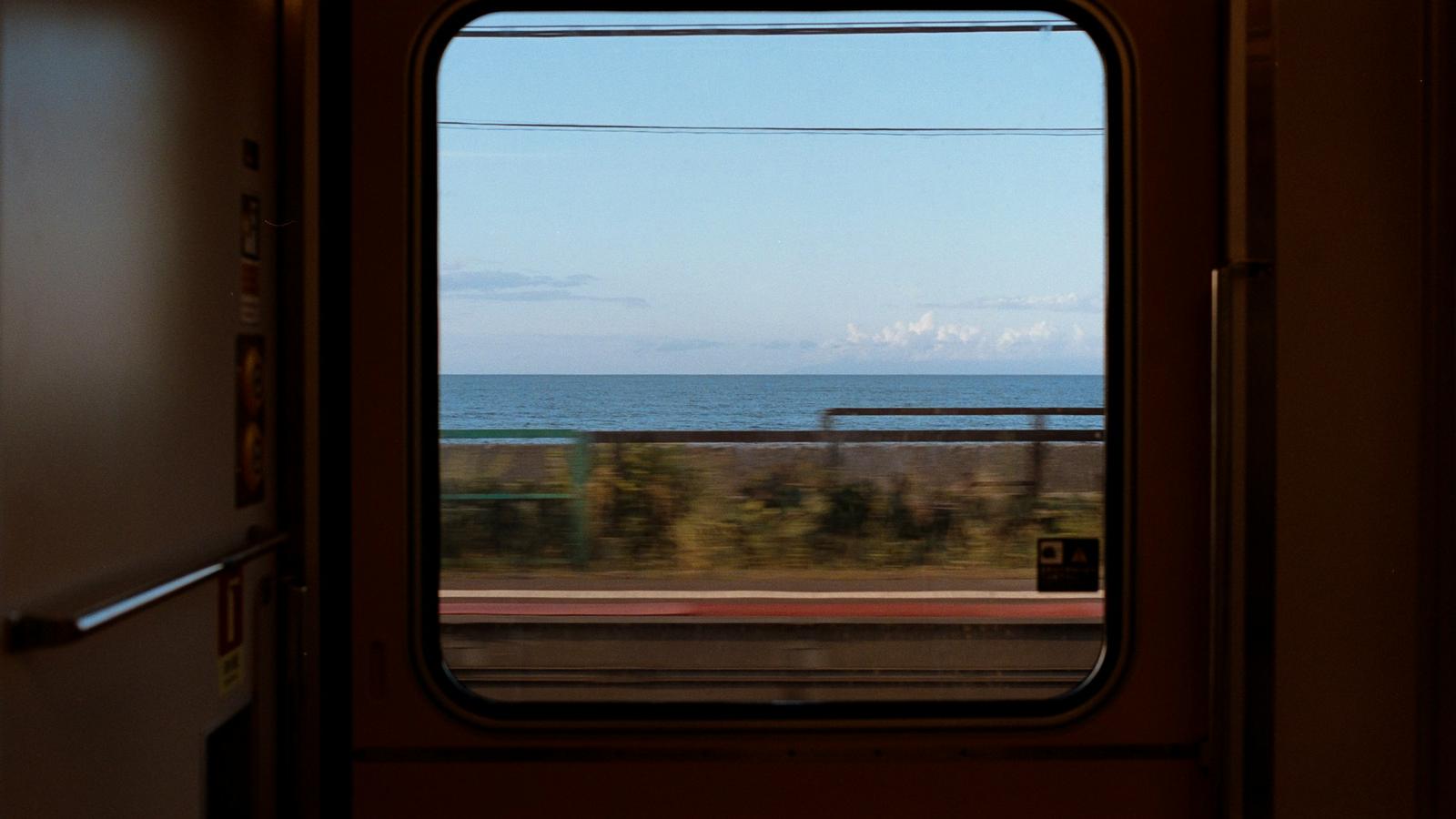
Japan runs three sleeper trains that work as hotels on rails, and almost no one books them without help. The Train Suite Shiki-Shima, the Twilight Express Mizukaze, and the Seven Stars in Kyushu carry guests for one to three nights, with kaiseki cooking on board and some of the finest scenery in Asia passing the window. Seats are not sold in the ordinary sense. On popular dates they are allocated by lottery, through a system that is competitive, run in Japanese, and only partly documented in English.
This guide covers all three trains, how the lottery actually works, and what improves your odds.
Key points
- Japan has three luxury sleeper trains: Shiki-Shima (JR East), Mizukaze (JR West) and the Seven Stars (JR Kyushu), on journeys of one to three nights.
- Each journey is sold as a tour by its JR company. Applications are taken in seasonal blocks months ahead, and lots are drawn when applications exceed the seats.
- Cherry blossom and autumn foliage departures are the hardest to win; late January to February and July to early August are less contested.
- As a published example, JR West lists Mizukaze fares for October and November 2026 departures from ¥415,000 to ¥1,490,000 per person, with two sharing a suite.
THE THREE GREAT LUXURY SLEEPER TRAINS
Japan's luxury train era began in 2013 with the Seven Stars in Kyushu, and the category has stayed small ever since. Each of the three trains is run by a different regional JR company, on a different route, with its own design and its own kitchen. They share one thing: demand far exceeds supply on every departure.
The three are not interchangeable. They cross different parts of Japan, run on different schedules, and suit different travelers. Choosing between them is where an application strategy starts.
Operated by JR East and launched in 2017, Shiki-Shima is the most exclusive of the three. It departs from Ueno Station in Tokyo on journeys of one to three nights through eastern Japan, the longest reaching Hokkaido. Designed by Ken Okuyama, the ten-car train carries only 34 guests in 17 suites. The observation cars and dining car are among the most photographed interior spaces in contemporary Japanese design.
Launched in 2017 by JR West, Mizukaze runs between Kyoto and Shimonoseki in a single night, in either direction, along the San'in coast or by way of Lake Biwa and the Seto Inland Sea, and also on a two-night loop from Kyoto. The name means "water wind," and the stretches along rugged cliffs above the Sea of Japan earn it. Each departure takes up to 34 guests, in suites up to the top category, The Suite. Mizukaze spends more of its route beside open water than either of the other two.
The original, and still the benchmark. Seven Stars launched in October 2013 and marked the beginning of Japan's modern luxury train era. Designed by Eiji Mitooka, the train runs one-night and three-night journeys around Kyushu from Hakata Station in Fukuoka. Its seven cars hold ten suites. Seven Stars set the template the other two followed: regional cooking from the places the train passes through, and interiors detailed like a hotel rather than a train.
PRICING AND WHAT IS INCLUDED
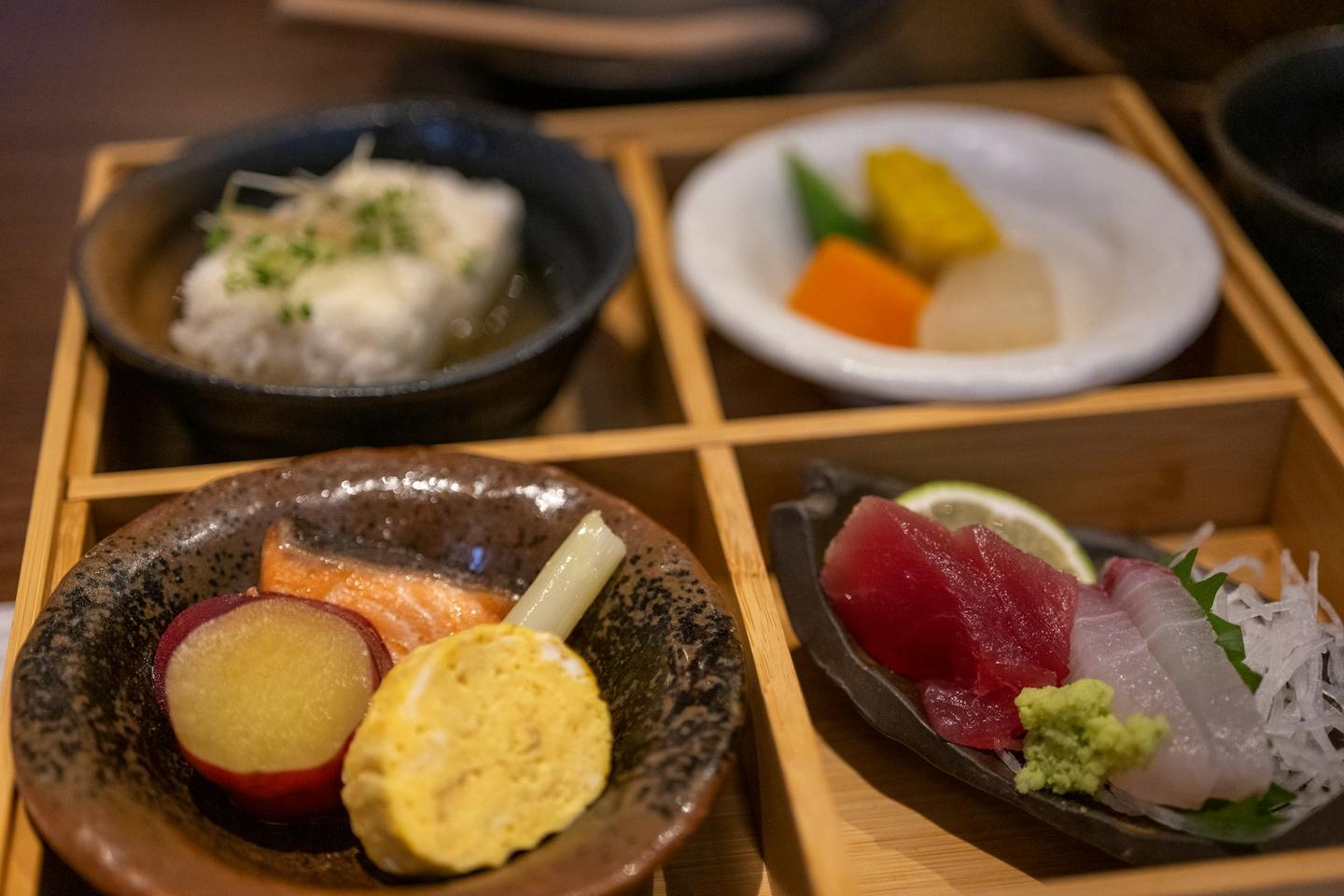
All three fares are all-inclusive: your suite, all meals (kaiseki dinners, breakfasts, afternoon tea), non-alcoholic drinks, guided excursions at select stops, and on-board entertainment. Premium sake, wine, and spirits are usually charged separately, though pairings can be added.
The price range within each train reflects suite category, not service standard. Every guest gets the same dining, the same service ratio, and the same excursions, whichever suite they occupy. What the money buys is space, the direction the windows face, and features such as a private observation bath or a dedicated butler. As published examples, JR West lists Mizukaze fares for October and November 2026 departures from ¥415,000 to ¥1,490,000 per person, and JR Kyushu lists the Seven Stars, for departures from September 2026, at ¥700,000 to ¥950,000 per person for one night and ¥1,350,000 to ¥1,850,000 for three nights, in both cases with two sharing a suite.
"Days of kaiseki cooking, service and landscape, with beds at the end of each one. That it all happens on rails is almost the least of it."
| Train | Route | Journeys |
|---|---|---|
| Shiki-Shima | From Ueno through eastern Japan, the longest to Hokkaido | 1 to 3 nights |
| Mizukaze | Between Kyoto and Shimonoseki, or a loop from Kyoto | 1 or 2 nights |
| Seven Stars | From Hakata around Kyushu | 1 or 3 nights |
THE LOTTERY BOOKING SYSTEM
None of the three trains is sold the way a hotel room or a flight is. Each journey is sold as a tour by its JR company, and some departures also through major travel agencies. Applications are taken in seasonal blocks, months ahead: for Mizukaze departures in October and November 2026, JR West took applications from April 2 to May 29, 2026. Applicants choose a preferred departure date and suite category and apply online (Mizukaze also accepts applications by post). When applications exceed the seats, the operator draws lots, and the results follow a few weeks after applications close; unsuccessful applicants may apply again for later departures.
The win rates are not published, but industry estimates suggest that Shiki-Shima, the most limited in capacity and the most covered by media, has the lowest odds, particularly for its longest departures during cherry blossom and autumn foliage season. Mizukaze and Seven Stars have broader departure schedules and slightly higher success rates in less competitive windows, but popular dates remain heavily oversubscribed.
There is no legitimate secondary market. Successful lottery tickets are non-transferable. Black market approaches exist but carry real fraud risk. The correct strategy is to apply correctly, across multiple rounds, with a fallback plan.
"The lottery is not random in the way a coin flip is random. It rewards applicants who understand the system: which rounds to apply in, which suite categories are less competitive, which departure months offer the best odds."
BEST SEASONS TO APPLY
Cherry blossom season, roughly late March through mid-April depending on the year, is the most competitive application window across all three trains. Autumn foliage season, typically mid-October through mid-November, is the second most competitive. These are the two windows everyone wants, and applications arrive from inside Japan as well as from abroad.
For applicants with itinerary flexibility, late January through February and July through early August represent meaningfully less competitive windows. Winter on Shiki-Shima's Tohoku route is an experience that serious train travelers frequently rate above the cherry blossom departures: snow on the ground, heated observation cars, and far fewer applicants for the same seats. Mizukaze runs the same Sea of Japan coast in winter, and it looks nothing like it does in summer.
The strategic approach for most clients: identify two or three acceptable travel windows rather than one fixed date, apply in the earliest round for each, and re-apply in subsequent rounds if unsuccessful. Flexibility in suite category also helps: the most expensive and most entry-level suites are often more competitive than mid-tier options where demand is more dispersed.
WHAT THE EXPERIENCE IS ACTUALLY LIKE
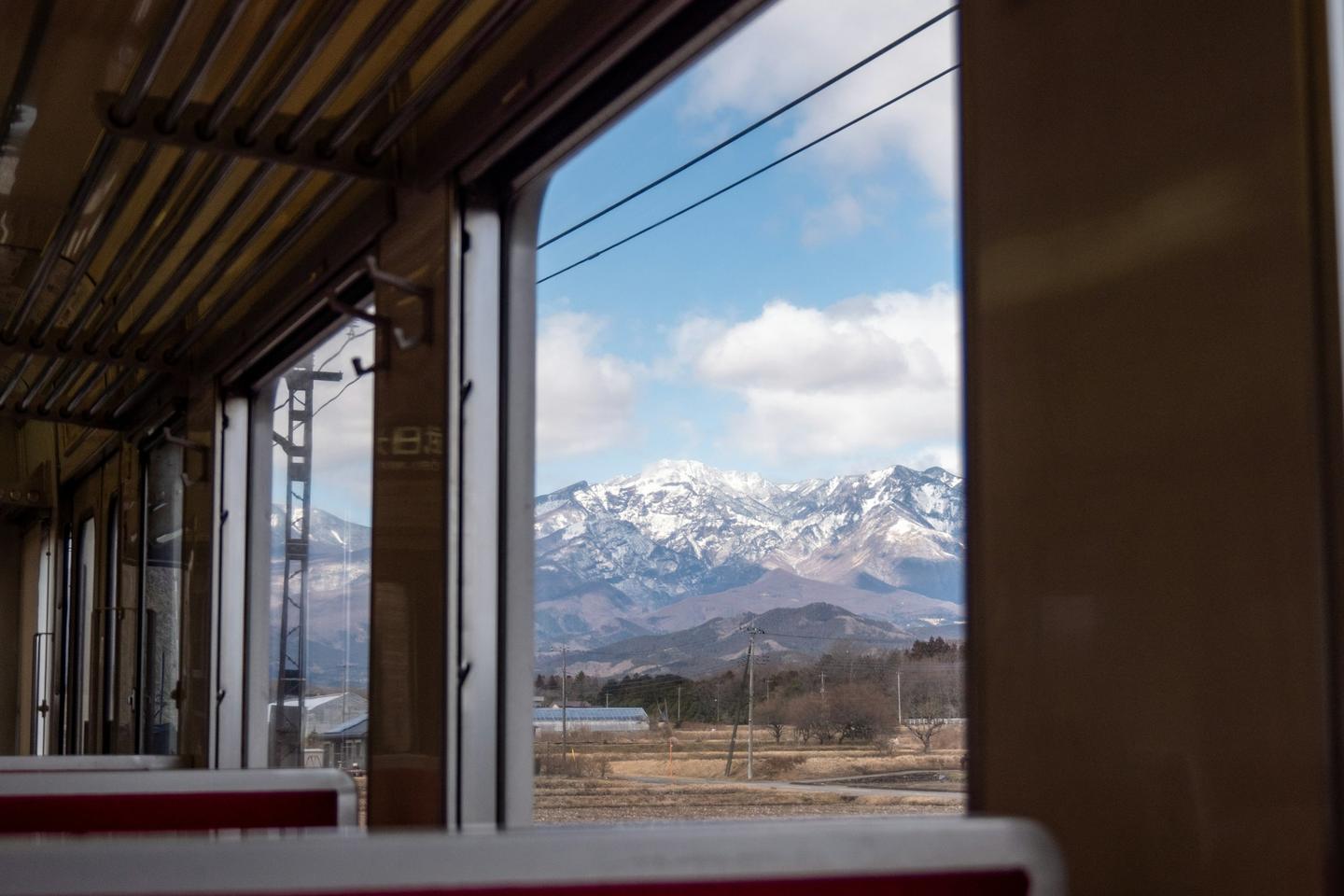
The dining is the core of all three journeys. Each train works with regional producers and local chefs to create kaiseki-style menus that change with the route and the season. On Shiki-Shima, the dining car is a formal space where courses arrive timed to landmarks and scenic moments. The train slows deliberately at certain stretches to extend the view during meal service. On Seven Stars, chefs from restaurants across Kyushu come aboard to cook.
The stops are part of the journey rather than breaks in it. Seven Stars journeys stop at places such as the onsen town of Yufuin and the porcelain town of Arita. Shiki-Shima stops at craft towns and countryside across eastern Japan. Mizukaze builds in time at towns along the San'in coast and the Seto Inland Sea.
The interiors reward sitting still. Shiki-Shima's observation car at the rear, a glass space facing backward over the receding track, frames the landscape as it falls away. Seven Stars' suites use Kyushu lacquerwork, washi paper, and locally sourced timber in combinations that feel considered rather than decorated.
PLANNING AROUND THE TRAIN
Planning for a luxury train starts months before you travel. Watch the application opening dates for all three trains, apply across multiple rounds, and choose the suite category and departure timing with current demand in mind.
The planning extends past the application to the journey itself. A train sits inside a longer Japan itinerary, and the days either side of a one-way Mizukaze journey need their own planning: a night in Kyoto before boarding, the onward trip from Shimonoseki after it, private transport at both ends. Those are the parts that decide whether the train is the high point of the trip or a logistical problem in the middle of it.
If the lottery is unsuccessful across all rounds, there are alternatives that do not mean starting over. Gran Class, Japan's equivalent of first class on select Tohoku and Hokkaido shinkansen routes, offers a different but genuinely premium rail experience. Private charter options exist for certain routes. And in some cases, the itinerary benefits from the redirection: a luxury ryokan sequence in the San'in region that Mizukaze would have passed through in the night.
SOURCES AND HOW WE CHECKED
The journeys, fares and application periods on this page come from the operators' own announcements, which we read on October 5, 2026. We did not contact the operators. Fares and courses change with each sales period.
- JR West, Twilight Express Mizukaze sales for October and November 2026 departures (PDF, Japanese): courses, fares per person, up to 34 guests per departure, application period and lottery
- JR Kyushu, Seven Stars in Kyushu courses for September 2026 to February 2027 (PDF, Japanese): one-night and three-night courses, fares per person, application period and lottery
- JR East, Train Suite Shiki-Shima applications for July to September 2026 departures (Japanese): the three-night course through Hokkaido and Tohoku, the one-night course, application period and lottery
- JR East, Train Suite Shiki-Shima applications for December 2026 to March 2027 departures (Japanese): the two-night and one-night winter courses
QUESTIONS, ANSWERED
How do you book a ticket on the Train Suite Shiki-Shima?
Shiki-Shima tickets are allocated by lottery through JR East's online application system, which takes applications in seasonal blocks several months before departure. Applicants submit their preferred dates and suite category. Win rates are very low, particularly for the longest departures and premium suites. Multiple application rounds exist, and watching every window and applying in more than one round improves your chances.
How much does the Twilight Express Mizukaze cost?
For departures in October and November 2026, JR West lists Mizukaze fares from ¥415,000 to ¥1,490,000 per person with two sharing a suite, depending on suite category and journey length. This includes meals on board and the stops along the way.
Which season is easiest to win the luxury train lottery?
Winter (December–February) and midsummer (July–August) are generally the least competitive application windows across all three trains. Cherry blossom departures in late March and April, and autumn foliage departures in October and November, are the hardest to win and should be applied for in the earliest possible round.
What happens if you don't win the luxury train lottery?
Unsuccessful applicants can apply again in subsequent rounds closer to departure. If all rounds are unsuccessful, alternatives include Gran Class shinkansen on select routes, private charter options, or repositioning the itinerary around a different train or departure window.
THE LOTTERY REWARDS PEOPLE WHO APPLY MORE THAN ONCE
Tell us your dates and what you have in mind. We will tell you what is realistically open to you, and what is not.
Start planning →