Most high-net-worth families who travel extensively have been to Europe several times over. Many have done Southeast Asia and the Maldives. Japan tends to come later, and the hesitation is usually some version of the same list: it looks complicated, the food might be a problem, the grandparents worry about how much walking is involved, the teenagers say they are not interested. Each of those has a practical answer, and most of the answers are about pacing rather than about Japan.
Japan is, in practical terms, one of the easiest countries in the world to travel through with a multi-generational group. It is obsessively safe. The shinkansen runs on schedule. Convenience stores are open at 3am and sell things children actually want to eat. What is difficult is not the logistics. It is deciding how fast to move, which rooms to book, and in what order to do things, for a group whose members want different things from the same week.
Key points
- Ghibli Museum tickets for the following month go on sale at 10 a.m. Japan time on the 10th of each month and are not sold at the door, so the dates have to be fixed at least two months ahead.
- With grandparents, keep to no more than two significant activities a day, a rest period back at the hotel in the afternoon, and a private vehicle for the major transfers.
- For a family ryokan, the critical requirement is a private indoor and outdoor bath attached to the room, with a main tatami room and a connecting anteroom large enough for the children's futons.
- For a first trip with several generations: three nights in Tokyo, three in Kyoto and two in Hakone. The most common mistake is over-scheduling Tokyo.
FOR YOUNG CHILDREN: WHAT HOLDS THEIR ATTENTION
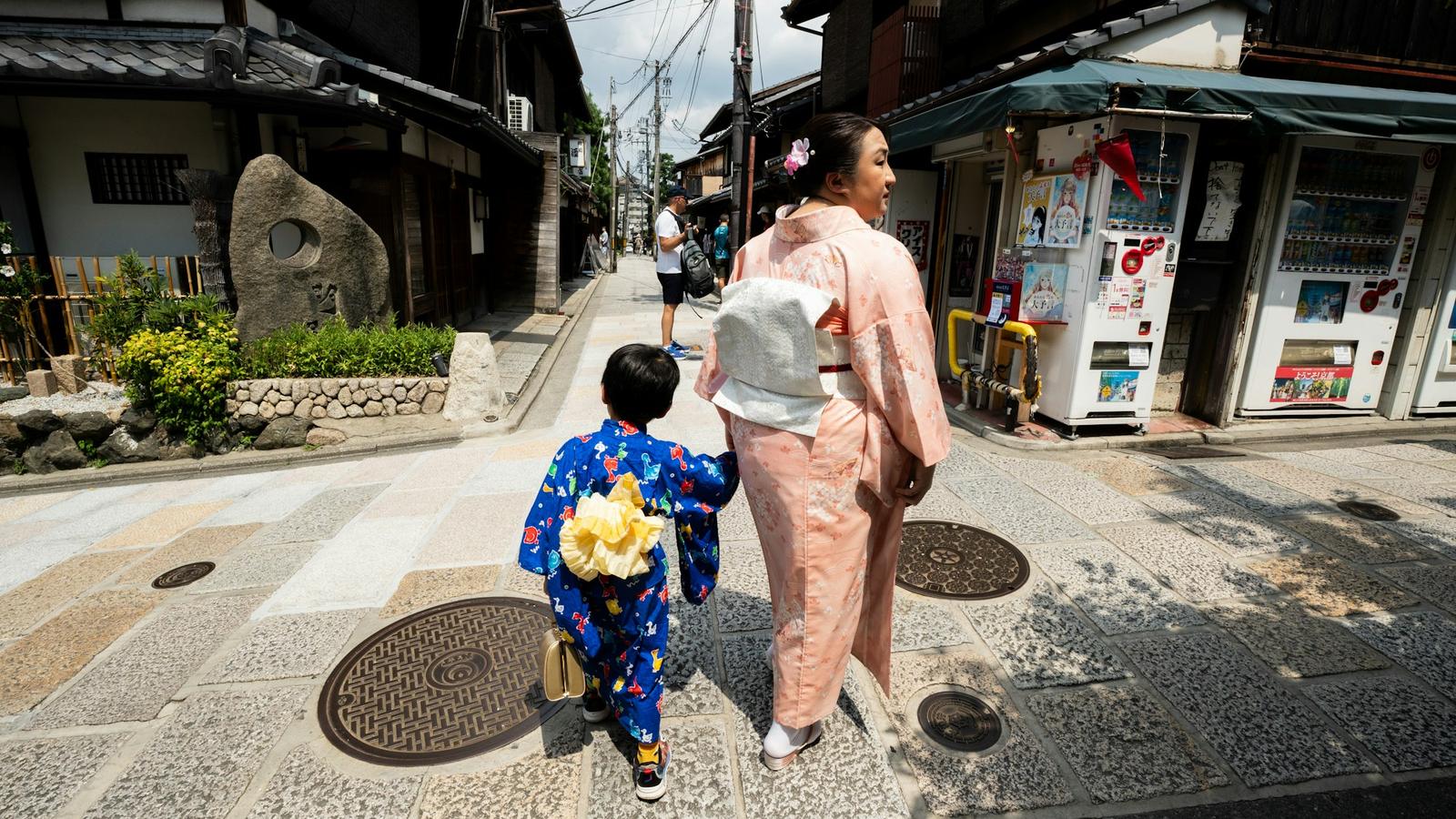
Children under ten often have a better time in Japan than their parents expect. The sounds, the vending machines, the deer in Nara that walk up and take crackers out of small hands, the train systems that look like toys: all of it holds them in a way European museums rarely do. The one rule is not to run the cultural itinerary you would run without them.
The Ghibli Museum in Mitaka (Tokyo) is the single most requested family experience STAYGO arranges. Tickets for the following month go on sale on the 10th of each month and popular dates go quickly, so the dates have to be fixed at least two months ahead. teamLab Borderless in Tokyo works at every age, Nara's deer park needs no explanation, and in Kyoto the Fushimi Inari torii walk keeps children moving who would be finished with a temple in twenty minutes.
teamLab Borderless is a digital art museum where the projections move through the rooms and react to the people standing in them. Children run through it instinctively. Teenagers photograph it. Adults stand still and watch their grandchildren disappear into walls of light. Very few places in Japan, or anywhere, hold four generations in the same room at the same time. Book tickets online weeks in advance; same-day availability is rare.
FOR TEENAGERS: BE SPECIFIC
Teenagers who are told they are going to Japan for 'temples and gardens' will pack their phones and manage their own experience. Teenagers who are told they will spend a morning learning to forge a knife in a traditional workshop, or attend a sumo morning practice session in Tokyo, or spend an afternoon in Akihabara with a budget and a specific mission, will be engaged from the first conversation about the trip.
The most requested teen experience STAYGO arranges is the samurai session in Kyoto: private instruction in the dojo of a sword school, in full armor. The knife-making workshop in Sakai, outside Osaka, takes three hours, and the teenager comes home with the knife. Akihabara is worth half a day if someone has told them what to look for; as a general wander it is not.
Several Kyoto sword schools offer private sessions for visitors: usually two hours in a traditional dojo, learning grip, stance and cutting technique from a licensed practitioner. Full armor fitting is included. Adults and teenagers from around 14 can take part. STAYGO uses the schools where the instruction is real, which shows in the room itself: wood floors, training swords, and an instructor who treats the session as instruction rather than as a photograph.
FOR GRANDPARENTS: ACCESS IS FINE, PACE IS NOT
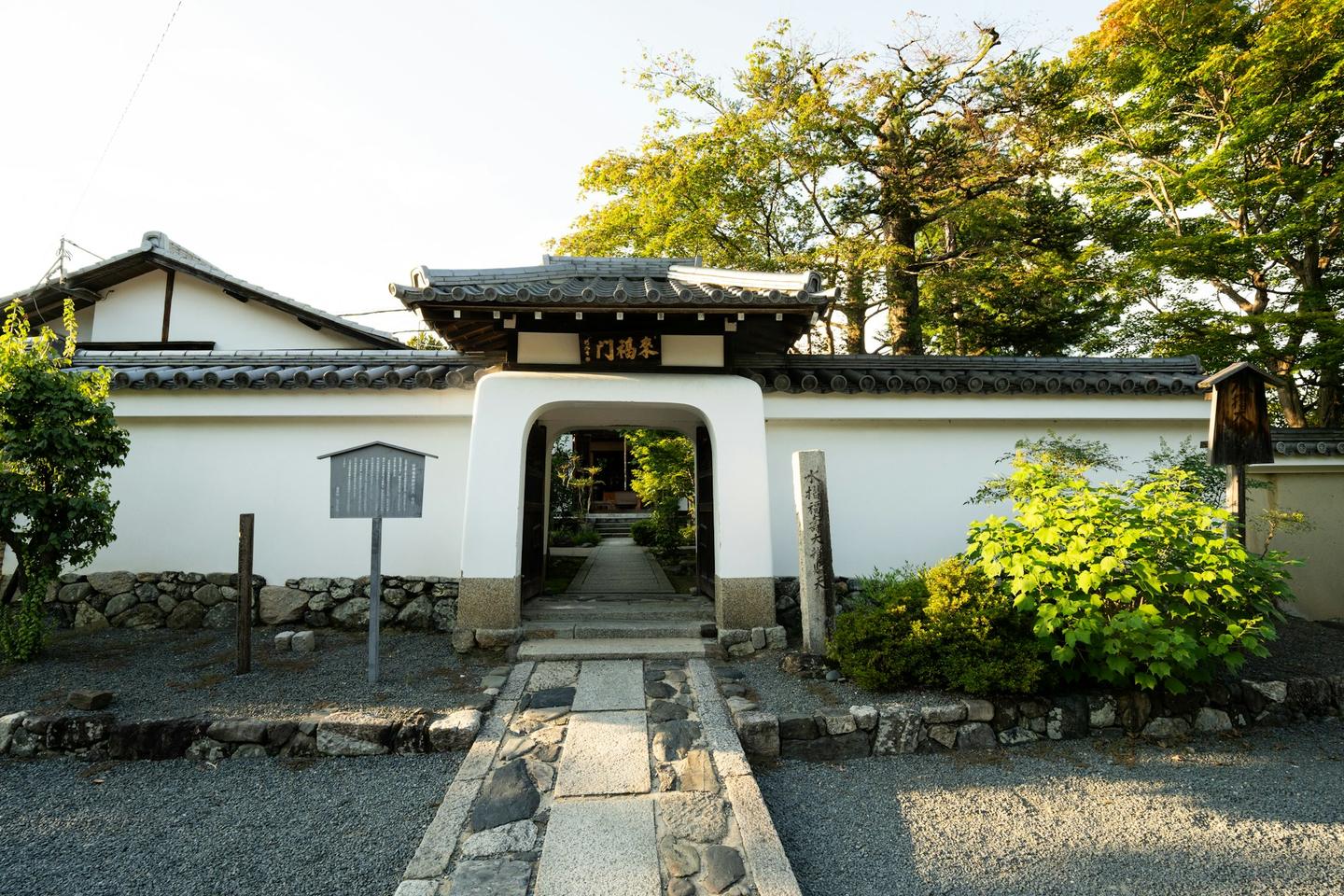
Japan is more accessible than most grandparents expect before they arrive. The shinkansen has wide, reclining seats with generous legroom. Elevators are standard at every major train station. The surfaces at most major temples and gardens are paved and level. What is not accessible is the pace that a family without grandparents might set.
STAYGO's standard recommendation for multi-generational groups: no more than two significant activities a day, a rest period in the afternoon, and a private vehicle for the major transfers rather than working out trains and station exits. The rest period means back to the hotel with shoes off, not a coffee stop between sights.
"The afternoon rest is not a concession to grandparents. It is what allows everyone to enjoy dinner, and to be present the next morning."
CHOOSING A RYOKAN FOR FAMILIES
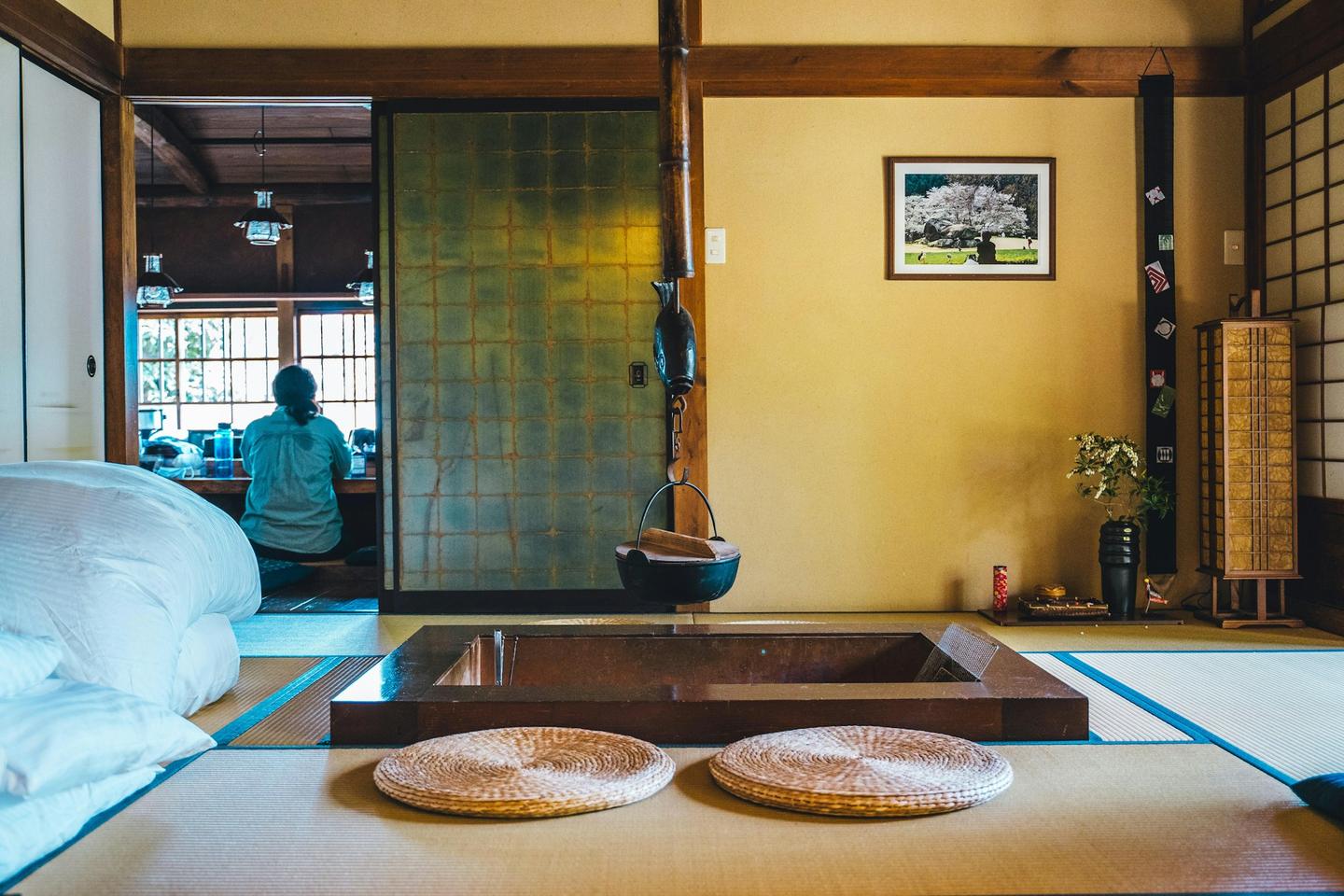
The critical requirement for family ryokan selection is a private bath, not a shared onsen. Children who have never bathed communally, grandparents who are self-conscious about it, and families who would rather bathe together than separately all need a private indoor and outdoor bath attached to the room.
Room configuration matters as much as the bath. The room you want is a main tatami room with a connecting anteroom, large enough to lay out futons for the children while the adults keep some privacy. Kaiseki can usually be adapted for children at any decent ryokan if it is arranged in advance. STAYGO settles the bath, the room and the children's menu with the ryokan before a family stay is confirmed.
THE RECOMMENDED SEQUENCE: TOKYO → KYOTO → HAKONE
For a first Japan trip with a multi-generational family: three nights in Tokyo, three nights in Kyoto, two nights in Hakone. Tokyo takes the jet lag, and it is where the loud, bright things are. The shinkansen ride to Kyoto counts as one of the activities. Kyoto is slower, and it carries the cultural weight of the trip. Hakone is the ryokan, the Mount Fuji views, and two days of doing very little before the flight home.
The most common mistake in family Japan planning is over-scheduling Tokyo. Two major activities per day, one dedicated afternoon at a park or department store basement, and one evening at a good restaurant is the correct rhythm.
"The depachika, the basement food floors of Tokyo's department stores, are the single most universally appealing Japan experience. Every age group finds something. Budget an afternoon."
SOURCES AND HOW WE CHECKED
The Ghibli Museum ticket rules on this page come from desk research. We read the museum's own ticket page on October 5, 2026, and did not contact the museum.
- Ghibli Museum, Mitaka: ticket information: when tickets for each month go on sale, advance sales only, and timed entry
QUESTIONS, ANSWERED
Is Japan a good destination for young children?
Japan is one of the best countries in the world for traveling with young children. It is extremely safe, clean, and child-oriented. The infrastructure makes logistics manageable: shinkansen, elevators at stations, vending machines, convenience stores open 24 hours. Children are welcomed in nearly every restaurant and most ryokan. The challenges are jetlag and the amount of cultural content that young children will not engage with, so STAYGO builds itineraries that alternate between things children want to do and real rest.
Which ryokan is best for families with children?
The essential criterion for family ryokan selection is a private indoor and outdoor bath, not shared facilities. Children who are nervous in new environments, or families traveling with grandparents, need the option of bathing privately. Beyond this, look for ryokan that offer Japanese-style rooms large enough for a family (typically a main room plus connecting anteroom), and kaiseki menus that can be adapted for children. STAYGO pre-selects and negotiates with ryokan on behalf of family clients to confirm these conditions before anything is arranged.
How do you handle Japan travel with grandparents?
Japan is more accessible than most grandparents expect. Shinkansen have wide seats and ample legroom. Most major temples and gardens are flat or have paved pathways. The key is pace: STAYGO recommends no more than two major sights per day for groups including grandparents, and builds in genuine rest afternoons. Private vehicle transfers eliminate the energy cost of public transport navigation. The challenge is heat in July and August, so STAYGO recommends spring or autumn travel for multi-generational groups.
How far in advance do you need to book the Ghibli Museum?
The Ghibli Museum in Mitaka, Tokyo, sells tickets only in advance, first come first served, from 10 a.m. Japan time on the 10th of each month for visits the following month. No tickets are sold at the museum, and popular dates go quickly. STAYGO handles Ghibli Museum ticket acquisition as part of the Tokyo planning process for family clients, which requires knowing the dates months in advance.
PLAN YOUR FAMILY JAPAN TRIP WITH STAYGO
STAYGO designs multi-generational Japan itineraries: Ghibli Museum tickets, private samurai workshops, ryokan with family rooms and private baths, and pacing that four generations can all keep.
Start planning →