In 2025 more Americans visited Japan than ever before: 3,306,800 arrivals, 21.4% more than the year before, according to the Japan National Tourism Organization. Most of them followed the same line across the map. They landed in Tokyo, took the Shinkansen to Kyoto, perhaps spent a night in Osaka, and flew home.
That line is a fine first journey, and it leaves most of the country untouched. This article sets out what the official figures say about how Americans travel in Japan, what the most demanding of them are looking for, and the three regions we see as the natural next step for 2027: Hyogo, Tohoku and Okinawa. We read government statistics, the national tourism strategy, travel trade press and the official pages of castles, temples and tourism offices, and contacted none of them; the sources are listed at the end. For the difference between a first and a second trip, see Japan First Trip vs Second Trip: Routes, Days and Ryokan →.
Key points
- 3,306,800 Americans visited Japan in 2025, up 21.4% on 2024.
- Among US leisure travelers surveyed by the Japan Tourism Agency in 2025, 69.6% were on their first trip, and the average stay was 10.7 nights.
- 92% of them visited Tokyo and about half visited Kyoto or Osaka; Hyogo drew 4.8%, Okinawa 3.4%, and no Tohoku prefecture reached 1%.
- Expedia named Hyogo the world's second rising destination for 2027, with searches up 95%; Lonely Planet chose Okinawa and Tohoku for Best in Travel 2027.
- The rebuilt main hall of Shuri Castle in Naha opens to visitors on November 23, 2026.
ASK US ABOUT YOUR 2027 JOURNEY →
WHAT THE NUMBERS SAY
Japan received 42,683,600 international visitors in 2025, a record. Arrivals from the United States grew faster than the total.
The Japan Tourism Agency's Inbound Consumption Survey adds the detail. In its confirmed figures for 2025, 69.6% of American visitors traveling for leisure were in Japan for the first time and 14.7% for the second. They stayed 10.7 nights on average. About a quarter traveled alone, a little more than a quarter as couples, and about a quarter with family.
Where they went is just as clear. Tokyo was visited by 92.1% of them, Kyoto by 51.2% and Osaka by 49.9%, with Chiba, home to Narita Airport, at 50.3%. Then the figures fall away quickly: Kanagawa, home to Hakone and Kamakura, 17.1%; Nara 13.8%; Hiroshima 9.2%; Hyogo 4.8%; Okinawa 3.4%. In Tohoku, the six prefectures of the north, none reached one percent. Iwate, home to Hiraizumi, was 0.2%, and Yamagata, home to Dewa Sanzan, 0.3%.
WHAT THE MOST DEMANDING TRAVELERS LOOK FOR
The national tourism organization has a written strategy for the American market. It treats the top tenth of households by disposable income, those with US$200,000 a year or more, as a separate target, and it proposes to show them the regions through wellness: food, hot springs and nature, together with traditional culture and the chance to see how people live.
The booking data points the same way. In its Unpack '27 report, as covered by the trade paper Travel Voice, Expedia found that US bookings for Japan rose 20% over the previous year and that the average nightly room rate paid by Americans was 1.5 times the overall average. Americans are spending more on each night, and they are ready to go further for it.
In our experience the finest version of Japan is rarely the busiest. It is a castle in the first hour after opening, a hot spring bath in a room of your own, a temple hall reached before the tour groups, and a dinner served at an inn whose family has kept it for generations. Each of the three regions below offers that in its own way.
HYOGO: A CASTLE AND TWO HOT SPRINGS
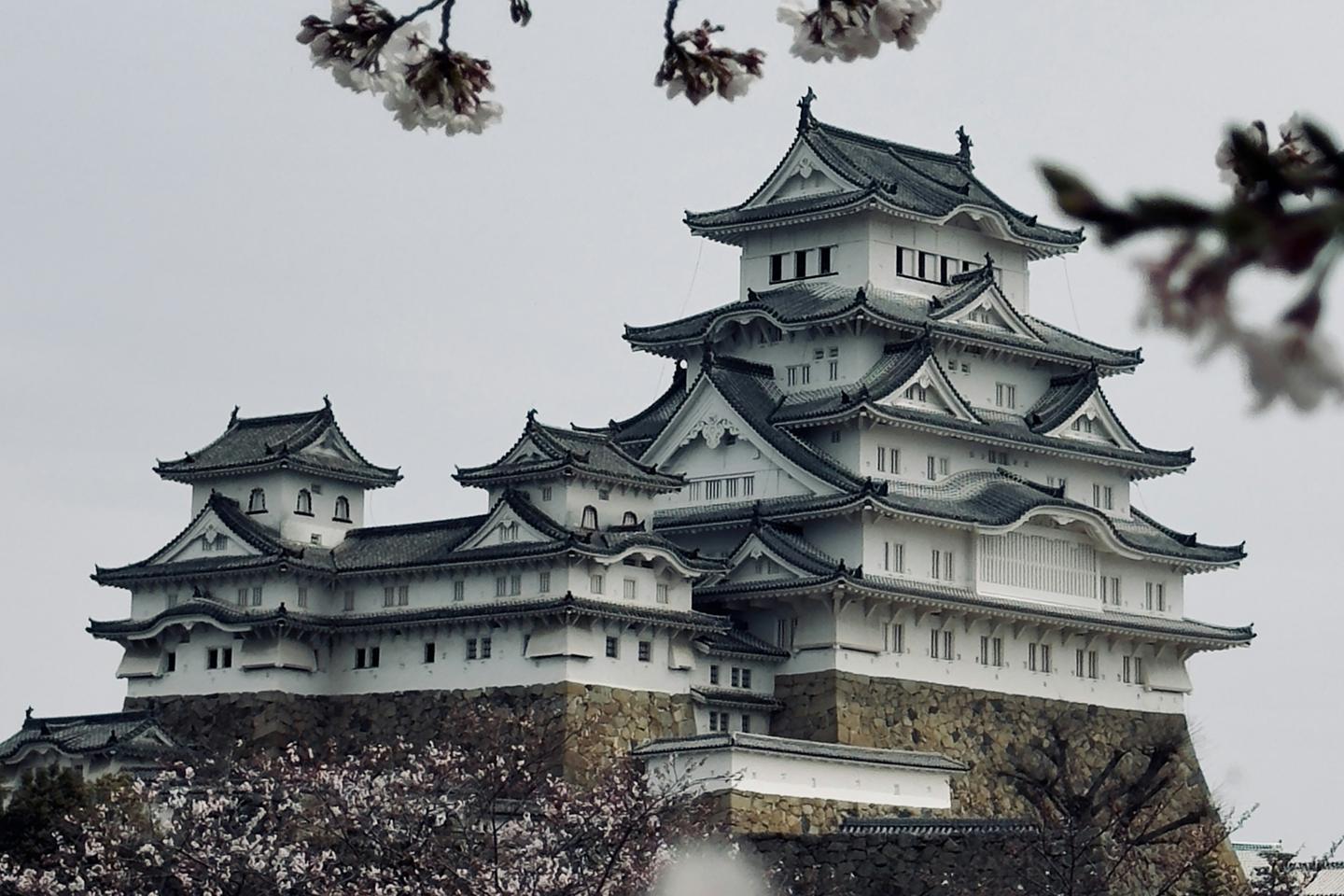
Hyogo lies just west of Osaka, and in Expedia's ranking of rising destinations for 2027 it came second in the world, with searches for flights and stays up 95% between September 2025 and July 2026. It holds three of Japan's great sights within easy reach of one another.
Himeji Castle became, with Horyu-ji in Nara, one of Japan's first two World Heritage Sites in December 1993, and it is a National Treasure. Since March 1, 2026, adults from outside Himeji pay ¥2,500 to enter. Arima Onsen, behind Kobe, is about an hour from Kyoto, Osaka and Himeji, and Kinosaki Onsen, on the Sea of Japan coast, is a town of seven public bathhouses visited in a cotton yukata. We set out a three-day route in Three Days in Hyogo: Himeji, Arima and Kinosaki →.
TOHOKU: THE NORTH FEW AMERICANS HAVE SEEN
Lonely Planet's Best in Travel 2027, published on September 22, 2026, chose the Tohoku region, highlighting the Michinoku Coastal Trail along the Pacific from Aomori to Fukushima. For a traveler who has already seen Kyoto, Tohoku offers something rarer still: places of the first rank with almost no visitors from home.
Hiraizumi, about two hours and ten minutes from Tokyo to Ichinoseki by Shinkansen and then eight minutes by local train, was inscribed as a World Heritage Site in 2011. Its Konjikido, the Golden Hall of Chuson-ji, was raised in 1124 and is covered in gold leaf inside and out. Across the mountains, Mount Haguro's cedar avenue leads to a five-story pagoda that is a National Treasure. Both lie on the route the poet Matsuo Basho walked in The Narrow Road to the Deep North. We follow it in Tohoku for the Second Trip: Hiraizumi and Dewa Sanzan →.
OKINAWA: THE ISLANDS TO END ON
Lonely Planet also chose Okinawa for 2027, for its clear water, subtropical forest and Ryukyuan culture. For Americans, Okinawa makes sense at the end of a mainland journey: Haneda to Naha takes about two hours and twenty minutes, and the islands give the rest days that a city-heavy itinerary lacks.
2027 is a good year to go. The Ryukyu Kingdom, unified in 1429, ruled from Shuri for about 450 years until 1879. Shuri Castle's main hall, lost to fire in 2019, has been rebuilt, and opens to visitors on November 23, 2026. Seeing the interior needs a timed ticket, and for visits from January 2027 these go on sale two months ahead. We explain how Okinawa fits after Tokyo and Kyoto in Adding Okinawa to a Mainland Japan Trip →.
HOW A 2027 JOURNEY TAKES SHAPE
The average American leisure stay of about ten nights suits Tokyo and Kyoto with one region added. Hyogo fits most easily, between Kyoto and the flight home from Osaka. Tohoku suits travelers who already know Kyoto, and it pairs well with Tokyo at either end. Okinawa belongs at the close of a journey of two weeks or more, when three or four nights of sea and quiet are worth a flight.
The season decides much of the rest. Hiraizumi's chrysanthemum festival at Chuson-ji runs from October 20 to November 15, and Kinosaki is at its best in the cold months. Okinawa is warm all year, but its typhoons cluster from July to October. Two articles help with the rest of the year's plans: New Luxury Hotels in Japan for 2026 and 2027 → and How Many Days in Japan? →.
WHERE STAYGO COMES IN
Within Signature, our planning for journeys of 7 to 21 days, we draw the route first and show where a region such as Hyogo, Tohoku or Okinawa fits, with the reasons and the travel days side by side. We then arrange the hotels and ryokan, the cars and drivers, the timed tickets and the guides, and each is settled with the provider in the simplest way available, usually on your hotel bill or on the day.
Some of the most rewarding requests, such as a quiet hour at a temple or a table at an inn's counter, depend on the house. We ask on your behalf and tell you plainly what has been confirmed.
SOURCES AND HOW WE CHECKED
We read the pages below on November 5, 2026. Travel times are rounded. We did not contact any hotel, ryokan, temple, airline or other body.
- Travel Voice, International arrivals in Japan in 2025 (JNTO figures): 42,683,600 in total; United States 3,306,800, up 21.4%
- Japan Tourism Agency, Inbound Consumption Survey, 2025 confirmed tables (Japanese): US leisure travelers, first visits 69.6%, 10.7 nights, prefecture visit rates
- JNTO, US market marketing strategy (Japanese): income segments, wellness, food, onsen, nature and traditional culture
- Travel Voice, Expedia Unpack '27 (Japanese): Hyogo second, searches up 95%; US bookings up 20%; US room rate 1.5 times the average
- JNTO, Lonely Planet Best in Travel 2027 (Japanese): Okinawa and Tohoku chosen, list published September 22, 2026
- Japan Travel, Okinawa and Tohoku on Lonely Planet's list: Michinoku Coastal Trail
- Himeji City, Himeji Castle (Japanese): National Treasure, World Heritage in December 1993 with Horyu-ji
- Kumamoto Nichinichi Shimbun (Kyodo), Himeji Castle fees (Japanese): ¥2,500 for adults from outside the city from March 1, 2026
- Arima Onsen Tourism Association: about one hour from Kyoto, Osaka and Himeji
- Visit Kinosaki: seven public bathhouses
- Hiraizumi Tourism Association, Access: Tokyo to Ichinoseki 2 hours 10 minutes, Ichinoseki to Hiraizumi 8 minutes
- Chuson-ji, Konjikido (Japanese): raised in 1124, gold leaf inside and out
- Hiraizumi Tourism Association, Events: Chuson-ji chrysanthemum festival, October 20 to November 15
- Shuri Castle Park, tickets (Japanese): main hall open from November 23, 2026; timed interior tickets on sale two months ahead
- Shuri Castle Park, The Ryukyu Kingdom (Japanese): unified in 1429, about 450 years, until 1879
- Visit Okinawa Japan, Domestic flights: Haneda to Naha about 2 hours 20 minutes
- Japan Meteorological Agency, typhoon normals (Japanese): typhoons approaching Okinawa, by month
QUESTIONS TRAVELLERS ASK
Where do most American travelers go in Japan?
Tokyo above all. In the Japan Tourism Agency's 2025 survey, 92.1% of US leisure travelers visited Tokyo, 51.2% Kyoto and 49.9% Osaka. Beyond those and Chiba, home to Narita Airport, no prefecture was visited by more than one in five.
How long do Americans usually stay in Japan?
US leisure travelers stayed 10.7 nights on average in 2025. That suits Tokyo and Kyoto with one more region, such as Hyogo.
Which part of Japan is rising for 2027?
Expedia named Hyogo the world's second rising destination for 2027, with searches up 95%. Lonely Planet chose Okinawa and Tohoku for its Best in Travel 2027 list.
Is Okinawa worth adding to a Japan trip?
On a journey of two weeks or more, often yes. Haneda to Naha is about two hours and twenty minutes, and three or four nights by the sea balance the cities. The typhoon months, July to October, need care.
When does Shuri Castle reopen?
The rebuilt main hall opens to visitors on November 23, 2026. Seeing the interior needs a timed ticket; for visits from January 2027, tickets go on sale two months ahead.
ASK US ABOUT YOUR 2027 JOURNEY
Send us your dates and the places you already have in mind. We will show where Hyogo, Tohoku or Okinawa would fit, with the travel days and the reasons, so that you can choose.
Begin planning →We reply within 24 hours, in writing
Some of the restaurants and bars we arrange seat guests only by introduction or membership. We ask on your behalf; the table and the evening are the house's decision. We do not publish their names.