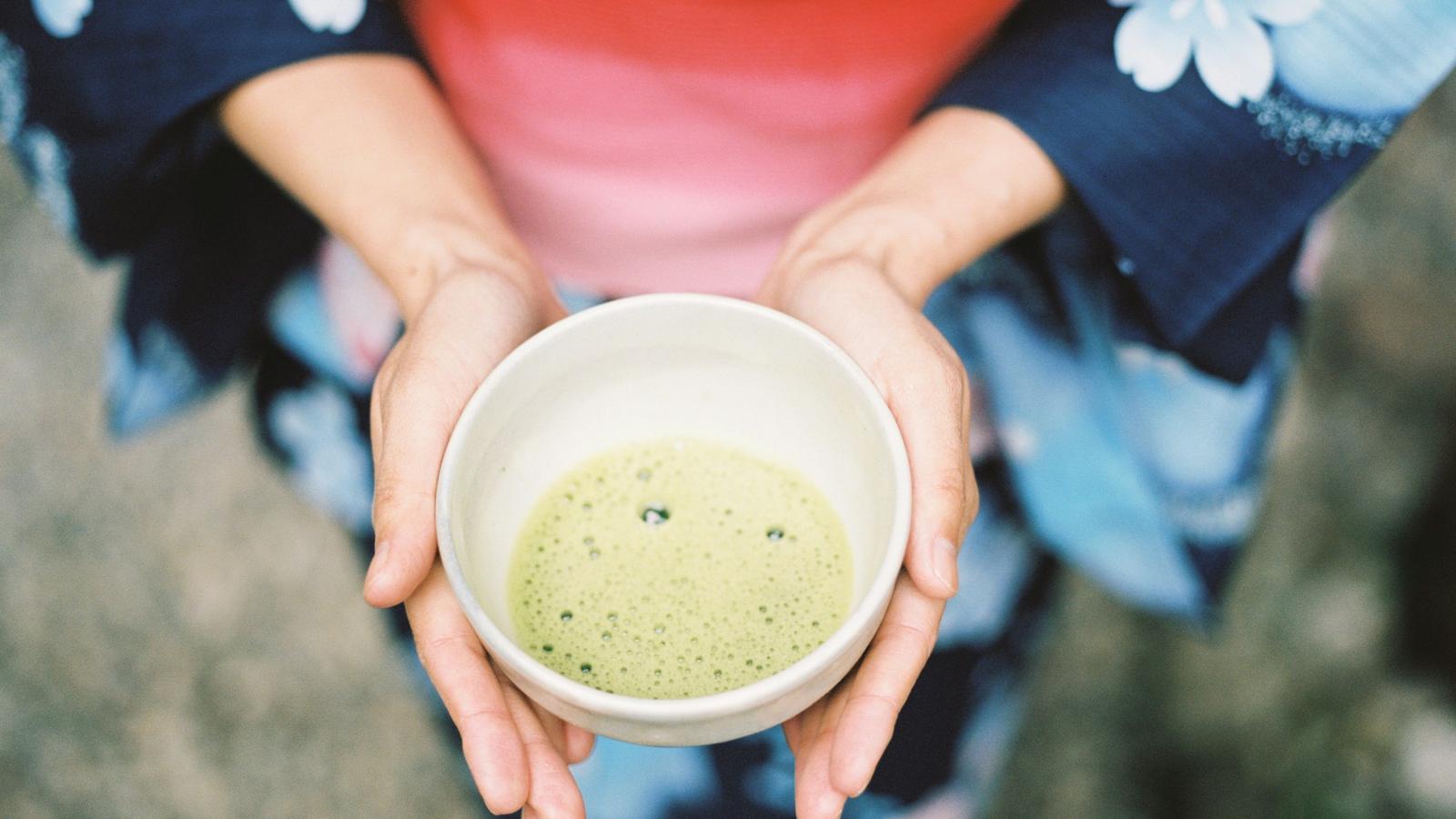
Omotenashi became internationally familiar after the 2013 Tokyo Olympic bid presentation, where it was described as the defining quality of Japanese hospitality. Travel writing has repeated the word ever since, usually as shorthand for "Japanese people are very polite," which is not what the word means.
This article describes what omotenashi looks like in practice: what a guest actually experiences, and which parts of Japanese travel are built around it.
Key points
- Omotenashi describes care offered without expectation of reward, and above all care that anticipates what a guest needs before they express it.
- The ryokan, with its nakai, is where it is practiced most completely; high-level kaiseki and omakase restaurants are the dining equivalent.
- It is largely non-verbal, so guests who speak no Japanese still experience it.
CARE THAT ARRIVES BEFORE THE REQUEST
Omotenashi (おもてなし) describes care that is offered without expectation of reward. More distinctively, it is care that anticipates what a guest needs before they have expressed it. The host reads the situation and responds not to what is said, but to what is not said.
This anticipatory quality is the core of the concept. A server who refills your water glass before it is empty is performing service. A server who notices, before you have finished the meal, that you have been sitting in a draft and quietly adjusts the air conditioning without asking, and without drawing attention to the adjustment, is doing something closer to omotenashi.
The difference is the elimination of the request. In transactional hospitality, the guest identifies a need, communicates it, and the service is performed. In omotenashi, the need is identified by the host and addressed before it becomes a request. The guest is not required to manage their own experience.
"The highest form of Japanese hospitality is invisible. The guest's needs are met before they arise. There is no performance of effort, only the quiet result of it."
THE RYOKAN AND THE NAKAI
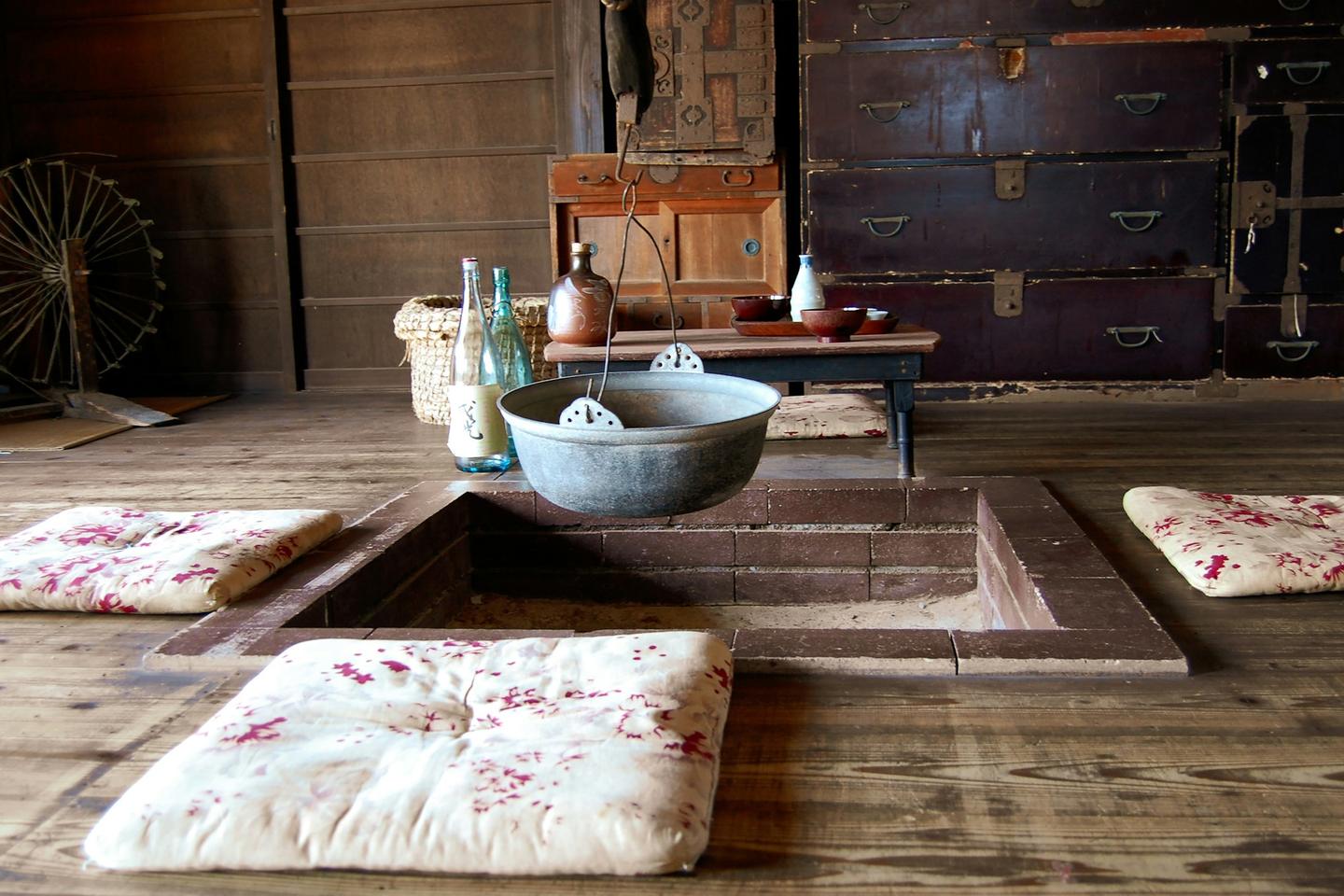
The traditional ryokan is where omotenashi is practiced most completely. The nakai, the room attendant assigned to a specific guest or room, manages the stay from arrival through departure without the guest needing to ask for anything.
You arrive and are shown to your room: a seasonal arrangement of flowers, a scroll chosen for the time of year, the temperature already adjusted. While you are at the onsen, the futon is laid out. When you return from dinner, the room is reset. Dinner, bath, sleep, breakfast: each transition is timed to your rhythm rather than a fixed schedule. At no point are you asked what you need, because the nakai has already worked it out.
This requires observation. The pace the guest sets, what they eat and leave, how long they spend in different parts of the room: the nakai reads all of it and constructs a picture of what serves them. It is empathy expressed as logistics.
Japan's most admired ryokans are known for this quality above almost any other feature: Beniya Mukayu in Yamashiro Onsen, Gora Kadan in Hakone, Asaba in Shuzenji.
IN THE DINING ROOM: KAISEKI AND OMAKASE
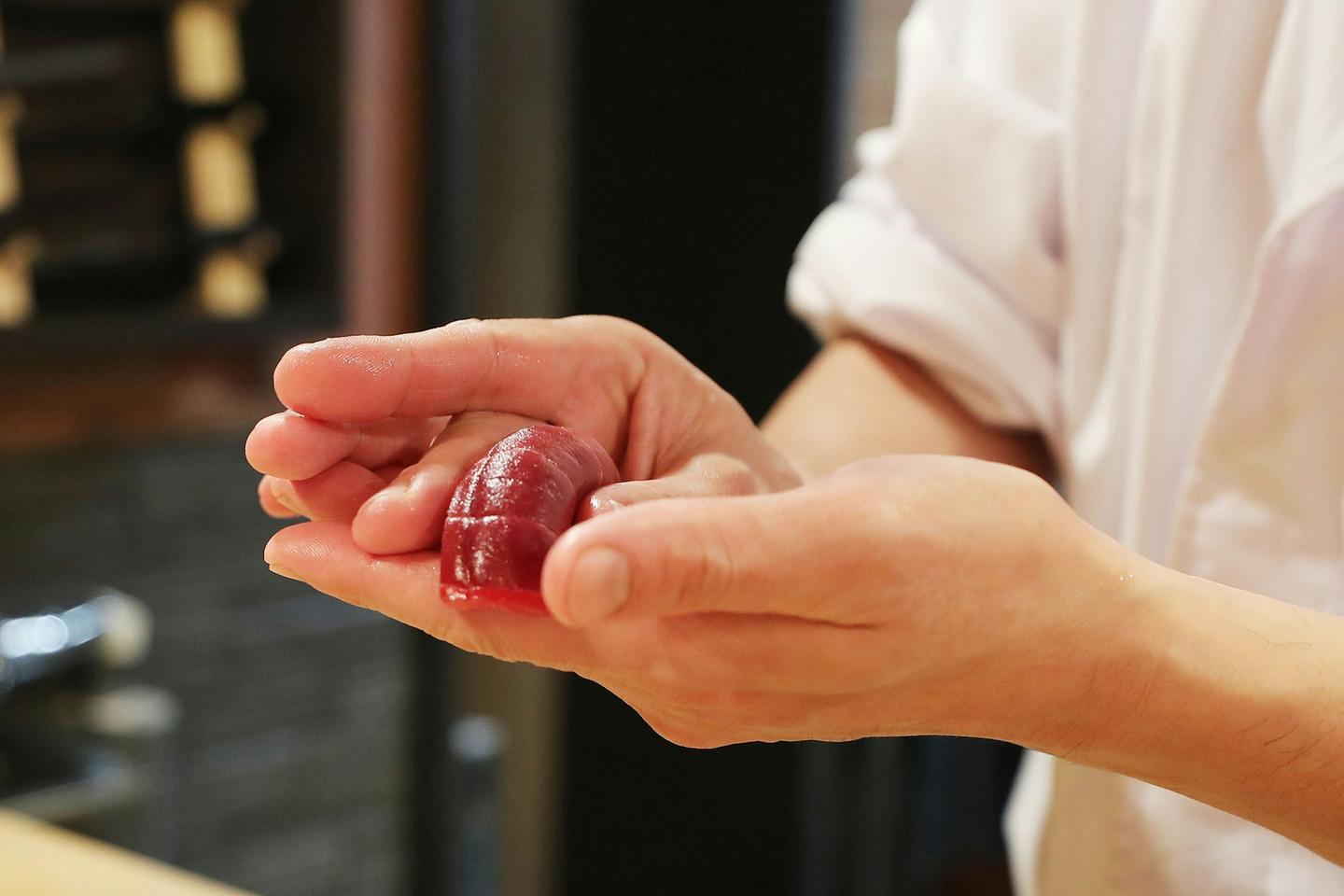
The high-end restaurant is the other context in which omotenashi is most deliberately practiced. In a kaiseki meal the chef determines everything: what is served, in what order, at what temperature, with what presentation. The guest is removed from the role of decision-maker and placed entirely in the care of the kitchen.
The guest's only role is to receive what is offered and to be present. This sounds passive; it is actually the most demanding kind of attention. The meal carries decades of accumulated technique, a working knowledge of what is in season and where it came from, and the chef's judgment of what is worth eating right now.
The service in a kaiseki room is managed as carefully as the cooking: how dishes are placed and removed, how much is explained and how much is left alone, how the room reads when a guest wants more time and when they are ready for the next course.
WHAT HAPPENS IF YOU DO NOT SPEAK JAPANESE
Visitors who speak no Japanese consistently report that the quality of service is obvious anyway. That is because omotenashi is largely non-verbal, expressed through action, environment, and attention rather than words.
A nakai who shares no language with a guest still reads the situation: the pace at which they eat, the way they hold their cup, what they look at and return to, the small physical signals of comfort or discomfort. The response is a quiet adjustment rather than a question, and it asks for no acknowledgement.
This is also why experiences built on omotenashi can be easier for foreign visitors than experiences that depend on verbal fluency. The tea ceremony, the kaiseki meal, the ryokan stay: none of them ask you to navigate. Someone else has already done it.
HOW IT DIFFERS FROM WESTERN LUXURY SERVICE
Western luxury hospitality is generally demonstrative. It announces its own quality: the uniforms, the explicit acknowledgement, the confirmation that the guest is receiving something special. You are greeted by name, walked to your table with ceremony, told what the chef has selected for you. These are performances of care, and they are meant to be seen.
Japanese omotenashi tends to be invisible when it is working well. There is no performance of effort, only the result: the guest's glass is full, the room is at the right temperature, the next course appears at the right moment. None of it is pointed out, because pointing it out would spoil it.
The difference is sometimes put this way: Western luxury makes you feel important, and Japanese hospitality makes you feel entirely at ease.
QUESTIONS, ANSWERED
What does omotenashi mean?
Omotenashi (おもてなし) is a Japanese concept of hospitality that goes beyond service delivery. It describes care that is offered without expectation of reward and, most distinctively, care that anticipates what a guest needs before they express it. Unlike transactional service, omotenashi involves reading the situation and responding to what is not said as much as what is said. The term has no precise English equivalent; it is sometimes translated as 'wholehearted hospitality' or 'selfless service.'
Where is the best place to experience omotenashi in Japan?
The traditional ryokan is the clearest setting for omotenashi. A dedicated nakai (room attendant) manages the guest experience from arrival through departure: preparing the room in stages, timing meals around the guest's rhythm, and attending to details the guest has not requested but clearly needs. High-level kaiseki and omakase restaurants are the dining equivalent: the chef and service team manage the entire experience without requiring the guest to make decisions.
Is omotenashi only found in traditional Japanese settings?
No. The spirit of omotenashi runs through ordinary Japanese service too: the precision of convenience store staff, the attentiveness of department store sales assistants. Its most concentrated and deliberate expression, however, is found in traditional settings: the ryokan, the kaiseki restaurant, the tea house. These are settings where the guest is the sole focus and the room has been prepared in advance.
How is Japanese hospitality different from Western luxury service?
Western luxury service tends to be demonstrative: grand gestures, conspicuous attention, and explicit confirmation that the guest is receiving something special. Japanese omotenashi tends to be invisible when it is working. The guest's needs are met before they arise, nothing has to be asked for, and there is no performance of effort. The difference is sometimes described as Western luxury making you feel important versus Japanese omotenashi making you feel entirely at ease.
Do I need to speak Japanese to experience true omotenashi?
No. Omotenashi is largely non-verbal. It is expressed through action, environment, and attentiveness rather than language. In a traditional ryokan or high-level restaurant, the staff read the guest's situation through observation: pacing, body language, what has been touched or left untouched. The language barrier changes the texture of some interactions but does not prevent the core experience of being genuinely attended to.
PLAN A RYOKAN STAY
STAYGO arranges ryokan stays, kaiseki dinners, and cultural experiences for guests visiting Japan for the first or second time.
Begin planning →