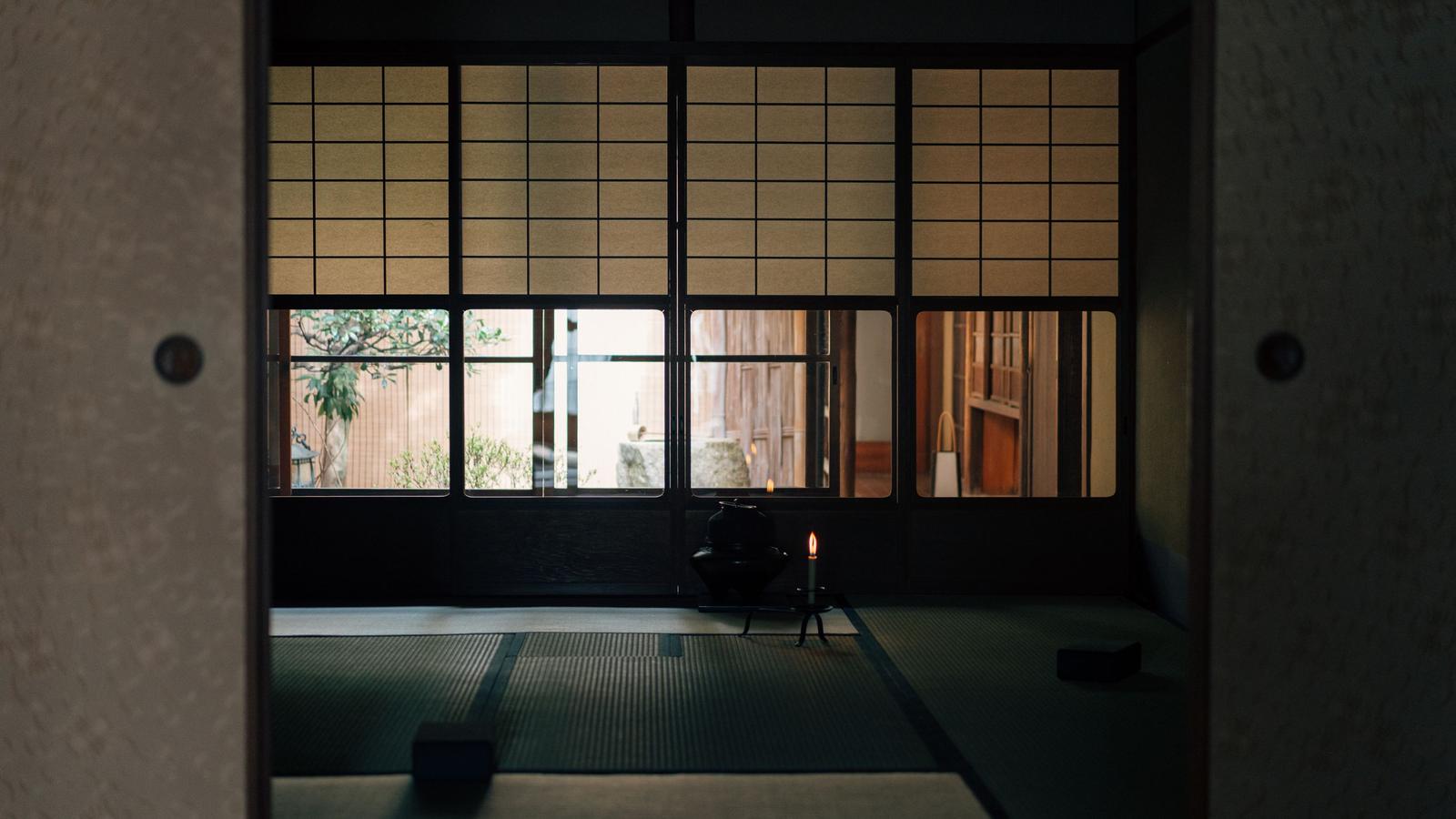
Most first journeys to Japan from India follow the same line: Tokyo, Mount Fuji, Kyoto, sometimes Osaka. It is a fine line, and it is also where almost everyone else is standing. A few hours beyond it, by train or by car, Japan becomes quieter and more personal. A tea room built for a feudal lord, a potter's yard where the kiln smoke still rises, a garden seen at opening time, a wooden theatre from 1835 where kabuki returns every spring.
This guide is for families and couples from India who want those hours, whether on a first trip or a return. It covers tea in Matsue, craft in Bizen, the gardens of Adachi and Ritsurin, sumo and kabuki outside Tokyo, and the quiet inns of the regions, with what can and cannot be arranged. We read the official pages of each place, Japan's national tourism organisation, the prefectures, the Japan Sumo Association, a Kyodo News report and the travel trade press on November 2, 2026, and did not contact any of them; the sources are listed at the end. For the experiences inside Tokyo and Kyoto that run on introductions, see Private Japan: Not Bookable Online →.
Key points
- In Matsue, the tea room Meimei-an was built in 1779 for the lord known as Fumai and looks down on Matsue Castle. Visitors drink matcha with local sweets in a tatami room above a dry garden.
- The Adachi Museum of Art in Shimane says its garden has been ranked number one in Japan for 23 consecutive years. Ritsurin Garden in Takamatsu covers about 75 hectares and opens from 7:00, depending on the season.
- Kanamaru-za in Kotohira, built in 1835, is the oldest surviving kabuki theatre in Japan and an Important Cultural Property. Kabuki returns there every April.
- Grand sumo leaves Tokyo three times in 2027: Osaka from March 14 to 28, Nagoya from July 11 to 25 and Fukuoka from November 14 to 28.
- In Michelin's 2026 Key selection, three of the seven Three Key hotels in Japan are ryokan or resorts outside the big cities: Gora Kadan in Hakone, Asaba in Shuzenji and Amanemu in Ise-Shima.
Ask us about a quieter Japan →
THE JAPAN THE USUAL ROUTE PASSES BY
Tokyo and Kyoto hold more than any traveller can see, and they also hold the crowds. Beyond them, the scale changes. In a regional city, the tea master, the potter and the innkeeper are often the same people who have been there for decades, and a family of six arriving with a guide is something they notice and prepare for.
For travellers from India this tends to suit the way families like to travel. Grandparents set the pace, children need room to move, and meals need care for vegetarian or Jain kitchens. A slower region, two or three nights in one inn and a car waiting outside make all of that easier than a new hotel every night on the busiest route in the country.
A BOWL OF TEA IN MATSUE
Matsue, on the Sea of Japan in Shimane, is a castle town shaped by tea. Its seventh lord, Harusato Matsudaira, known by his tea name Fumai, pulled the domain back from bankruptcy and then used its recovered wealth to promote the tea ceremony. The city's tourism office credits him with the culture that still runs through its sweet shops and tea rooms.
His tea room, Meimei-an, was built in 1779 and sits on a hill above Matsue Castle, about ten minutes on foot through the old samurai quarter. Japan's national tourism organisation describes the visit simply: matcha and local sweets in a tatami room above a dry landscape garden, open to anyone who wants a quiet moment. It also notes that Matsue's sweets are held in the same regard as those of Kyoto and Kanazawa. From Shin-Osaka, the route is about an hour on the Sanyo Shinkansen to Okayama, then about 2 hours 40 minutes on the Yakumo limited express to Matsue.
A public tea room is the easy part. A private gathering, where a teacher prepares tea for your family alone and explains each movement, depends on the teacher. We ask in advance, in writing, and we also ask the confectioner what goes into each sweet, which matters to Jain and vegetarian guests.
CRAFTSMEN AND THE KILNS OF BIZEN
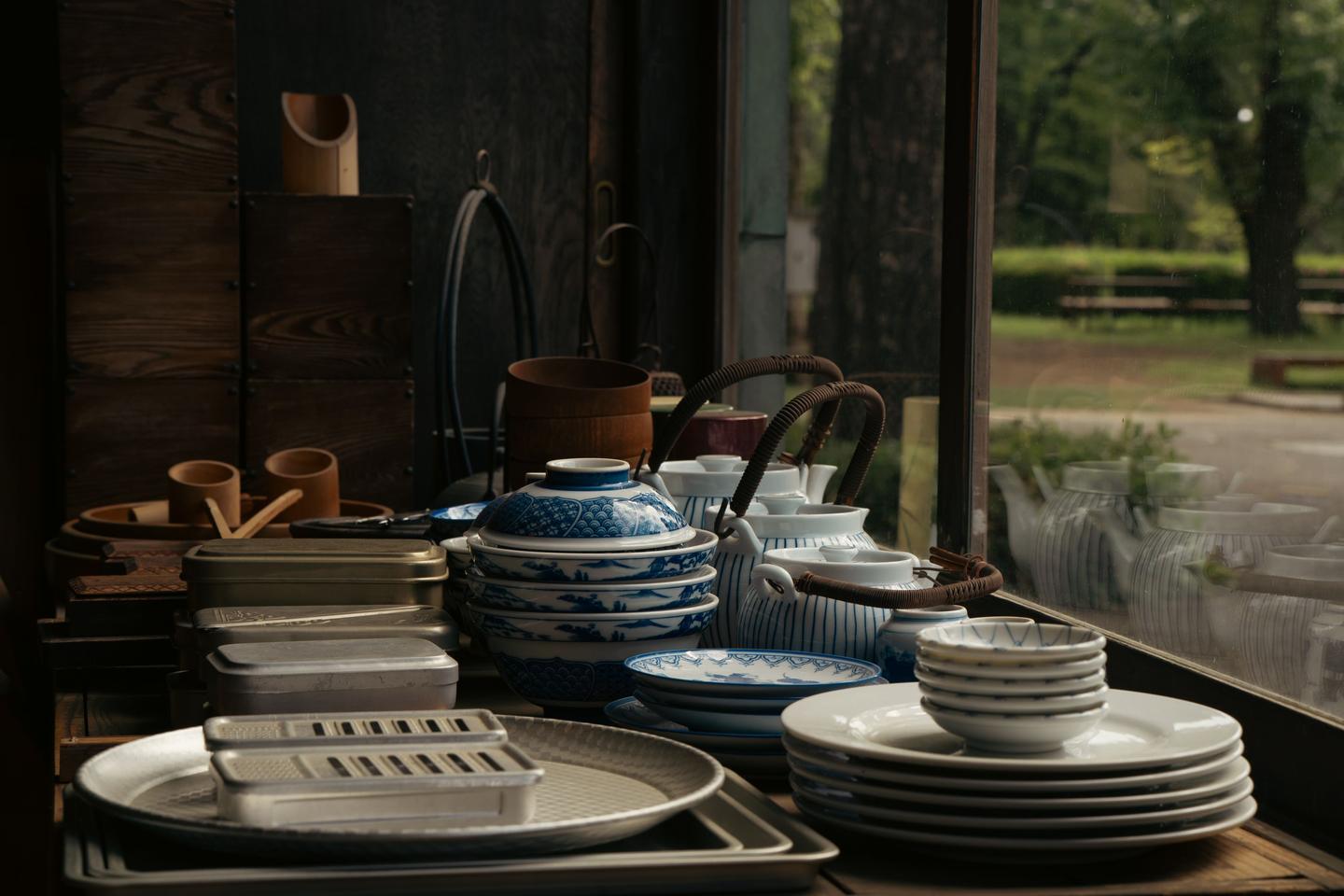
Bizen ware, from the town of Imbe in Okayama, is one of the plainest and oldest of Japan's ceramics. Okayama Prefecture traces its roots to the Kofun period. It uses no glaze and no painting; its colour and markings come from the clay and from firing at 1,200 to 1,300 degrees in wood-burning kilns. It was designated a traditional craft of Japan in 1982, and in 2017 it became part of the Japan Heritage story of the Six Ancient Kilns.
Imbe is about 40 minutes by train from Okayama Station, and most of the potteries are within walking distance of Imbe Station, so a family can move between workshops on foot. Visitors can tour workshops and buy from the potters. Each October, on the third Sunday and the Saturday before it, the town holds its Bizen pottery festival.
Time with a working potter, at the wheel or beside a kiln that is cooling, is something each potter decides. We ask the potters in advance, explain who is coming, children included, and tell you plainly what they agreed to. Anything bought in Imbe can be sent on to your next hotel, so nobody carries clay through three cities.
TEMPLE AND GARDEN HOURS
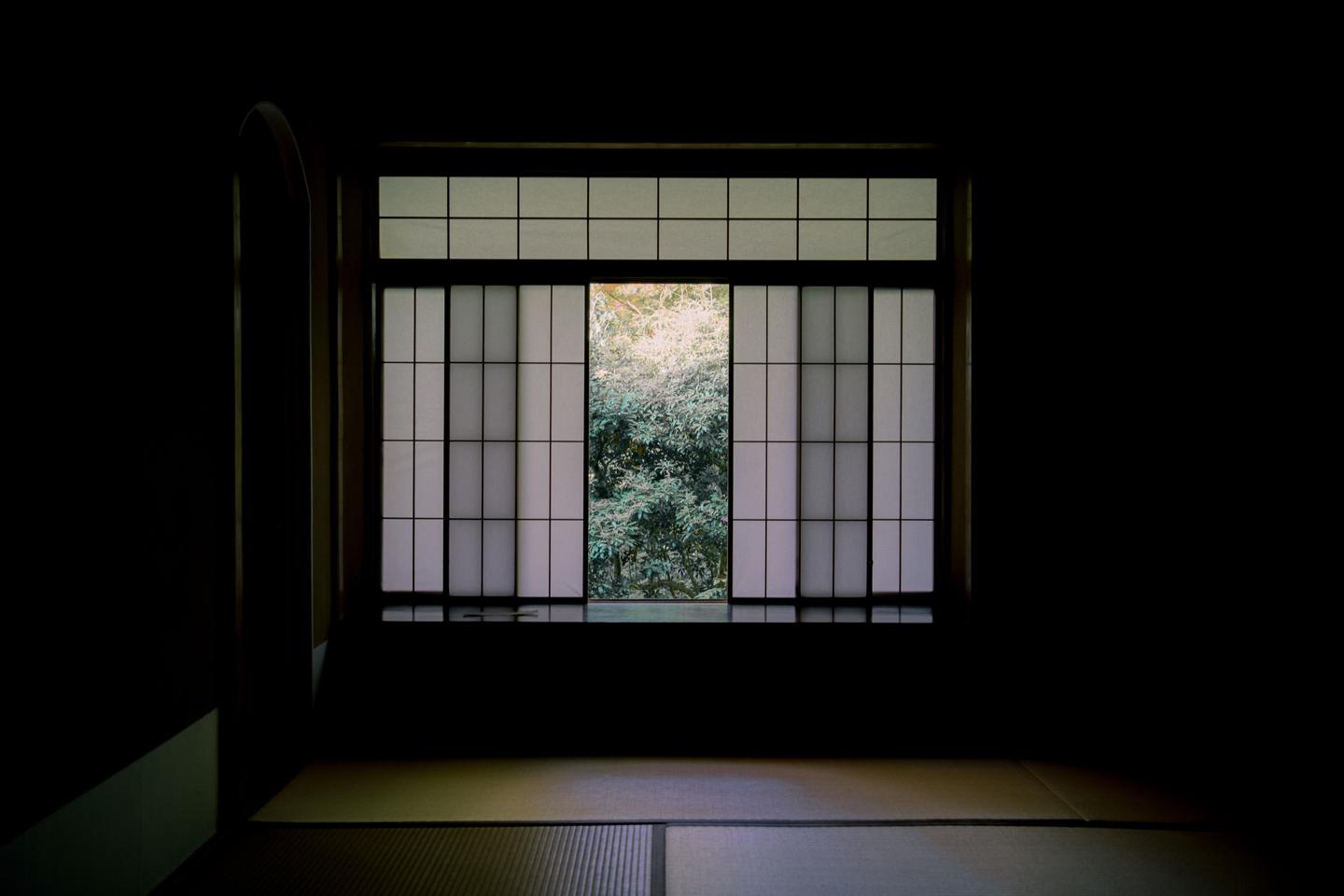
The Adachi Museum of Art, in Yasugi near Matsue, is known for a garden that its own site says has been ranked number one in Japan for 23 consecutive years, and it is listed with three stars in the Michelin Green Guide Japan. Much of the garden is seen from inside the museum, framed by its windows, which makes it easy for older guests and children alike. It opens at 9:00 and closes at 17:30 from April to September and at 17:00 from October to March. Adult admission is ¥2,500, and the museum runs a free shuttle bus. It also has a tea room, Juraku-an.
Across the Inland Sea in Takamatsu, Ritsurin Garden is a feudal lord's garden of about 75 hectares, with six ponds and thirteen hills set against Mount Shiun, and some four hundred years of history. The Ministry of Land lists its hours as 7:00 to 17:00, varying by season, and admission at ¥500 for adults. In the Kikugetsu-tei tea house overlooking the south pond, matcha with a sweet costs ¥800, served from 9:00 to 16:30.
The quiet hour is the first one. A garden that opens at 7:00 belongs to walkers and gardeners until the tour coaches arrive, and a family that is up early with jet lag can have it nearly to themselves. Openings outside the published hours, at any temple or garden, are decided by the place itself. We do not promise them; when one is announced or agreed, we tell you.
SUMO, KABUKI AND THE PERFORMING ARTS
Grand sumo holds six tournaments a year, and three of them leave Tokyo. In 2027 the Japan Sumo Association lists Osaka at EDION Arena Osaka from March 14 to 28, with tickets on sale from February 6, Nagoya at IG Arena from July 11 to 25, and Fukuoka at the Fukuoka Kokusai Center from November 14 to 28, with tickets from September 18. Each lasts fifteen days. A box near the ring, or seats higher up for a family that wants to come and go, makes a long afternoon easy for children. The seats, prices and manners are in Grand Sumo Tournaments 2026–27: Dates, Tickets and Seats →.
In Kotohira, on Shikoku, Kanamaru-za was built in 1835 and is the oldest surviving kabuki theatre in Japan, designated an Important Cultural Property. Kabuki returns every spring. In 2026, Kyodo News reported the run from April 10 to 26 in two parts, with Nakamura Jakuemon and Onoe Shoroku, and noted how close the audience sits to the stage. Tickets for the spring run are sought after, and we watch for the announcement and apply as soon as sales open.
QUIET RYOKAN AWAY FROM THE CITIES
In September 2026 the Michelin Guide published its 2026 Key selection for hotels: 145 in Japan, seven of them with Three Keys, the travel trade paper Travel Voice reported. Three of those seven lie outside the big cities: Gora Kadan in Hakone, Asaba in Shuzenji on the Izu peninsula, and Amanemu in Ise-Shima.
Asaba shows what a regional inn can hold. Its Noh stage, Gekkeiden, was moved to the inn from Tokyo late in the Meiji era, and for about forty years the inn has hosted seasonal performances of Noh, Kyogen and dance by leading performers. An evening of Noh across the water, with dinner afterwards in your own room, is the kind of private culture that only an inn of this kind can offer.
For a family from India, the practical questions come first. Many inns serve dinner in the room, which suits grandparents and young children, and rooms with their own bath spare anyone the shared baths. Japan's national tourism organisation advises vegetarian travellers to say no meat, seafood or animal products, including dashi stock, and notes that temple cooking, shojin ryori, avoids strong flavours such as garlic and onion. A kitchen that is told early can plan a full vegetarian or Jain dinner; one that hears at check-in cannot. More on the inns themselves is in Japan's Finest Ryokans: A Guide for Discerning Indian Travelers →.
PRIVACY AND THE VALUE OF THE REAL THING
Privacy in the regions comes from scale. A tea room with eight mats, a pottery town with one station, a garden at seven in the morning: none of them needs to be closed for you to have them almost to yourselves. For families who are recognised at home, that matters as much as any suite.
The same small scale means the hosts are real people with their own calendars. A potter fires the kiln when the work is ready; a tea teacher teaches students; a theatre opens when the actors come. What we offer is to ask well and early, in Japanese, with a clear picture of who is coming, and to tell you honestly what was agreed. We do not claim special access, and we do not name introductions.
A DAY IN SHIMANE
The car is waiting after breakfast. At the museum the garden fills the window like a painting, and the children count the pines while their grandparents sit. Lunch is vegetarian, planned weeks ago. In the afternoon the tea room above the castle is quiet; a bowl of matcha, a small sweet shaped for the season, and a view of the moat. By evening you are back at the inn, dinner is served in the room, and nobody has had to explain anything twice.
WHERE STAYGO COMES IN
We design the route and arrange each part of it: the inns and rooms, the car and driver, the tea, the potters, the garden hours, the sumo and kabuki seats when they go on sale, and an interpreter where one is needed. We tell every kitchen about vegetarian and Jain meals before you arrive. Everything is arranged in your names, and you pay the inns, restaurants, drivers and hosts directly at their own prices, with no commission or markup from us. Our fee is separate: Signature is USD 3,500 for your group, for a journey of 7 to 14 days, and Bespoke is priced after a first conversation for longer or more complex journeys.
SOURCES AND HOW WE CHECKED
We read the pages below on November 2, 2026: the places' own pages for hours, prices and history; the prefectures, a national ministry and the tourism organisations for the regions; the Japan Sumo Association for tournament dates; Kyodo News and Travel Voice for the kabuki run and the Michelin selection. We did not contact any of the places named.
- Adachi Museum of Art, official site: the garden ranking, Michelin Green Guide, hours, admission, shuttle, Juraku-an
- Japan National Tourism Organization, tea ceremony culture in Matsue: Meimei-an in 1779, the setting, Matsue sweets, the route from Shin-Osaka
- Visit Matsue, Lord Fumai (Matsue tourism): Harusato Matsudaira and his promotion of tea
- Okayama Prefecture tourism, Bizen ware: origins, firing, 1982 and 2017 designations, Imbe Station, the October festival
- Ministry of Land, Infrastructure, Transport and Tourism, Shikoku scenery: Ritsurin Garden: size, history, hours, admission, Kikugetsu-tei
- Kagawa Prefectural Museum, theatre exhibition (Japanese): Kanamaru-za in 1835, the oldest surviving theatre, Important Cultural Property
- Kyodo News, Konpira kabuki opens, April 10, 2026 (Japanese): the 2026 run, parts, performers
- Japan Sumo Association, Grand Tournament Schedule: 2027 dates, venues and sale dates
- Travel Voice, Michelin Key hotel selection 2026 in Japan: 145 hotels, seven Three Keys and their names
- Asaba, official site (Japanese): the Gekkeiden Noh stage and the seasonal performances
- Japan National Tourism Organization, vegetarian guide: dashi, shojin ryori, how to explain a diet
QUESTIONS TRAVELLERS ASK
What private experiences are there in Japan beyond Tokyo and Kyoto?
Among the quieter ones: tea at Meimei-an in Matsue, built for Lord Fumai in 1779; the Bizen kilns in Imbe, Okayama; the gardens of the Adachi Museum of Art and Ritsurin in Takamatsu; kabuki at Kanamaru-za in Kotohira each spring; sumo in Osaka, Nagoya and Fukuoka; and an evening at a regional ryokan such as Asaba in Shuzenji.
Can a private tea ceremony be arranged outside Kyoto?
Public tea rooms such as Meimei-an in Matsue and Kikugetsu-tei in Ritsurin Garden serve matcha to any visitor. A private gathering for one family depends on a teacher agreeing to host it, so it is asked for in advance and confirmed in writing.
When are the sumo tournaments outside Tokyo in 2027?
The Japan Sumo Association lists Osaka from March 14 to 28, Nagoya from July 11 to 25 and Fukuoka from November 14 to 28, 2027. Tickets for Osaka go on sale on February 6, 2027 and for Fukuoka on September 18, 2027.
Is the Adachi Museum garden suitable for elderly family members?
Yes. Much of the garden is viewed from inside the museum through its windows, so there is little walking on uneven ground. It opens at 9:00 and closes at 17:30 from April to September and at 17:00 from October to March, and adult admission is ¥2,500.
Can ryokan in the regions serve vegetarian or Jain meals?
Many can when they are told well in advance. Japan's national tourism organisation advises vegetarian travellers to rule out meat, seafood and animal products, including dashi stock, and to explain the diet clearly, since vegetarian alone may not be understood the same way.
Your journey through Japan, thoughtfully arranged
Explore bespoke travel with STAYGO. Tell us who is travelling, when, and what each of you eats, and we will come back in writing with what can be arranged.
Begin planning →We reply within 24 hours, in writing
Some of the restaurants, bars and private places we arrange take guests only by introduction or membership. We do not publish their names.