STAYGO Blog
Japan travel insights
Practical guides on planning, booking, and experiencing Japan, written from Tokyo.
Latest
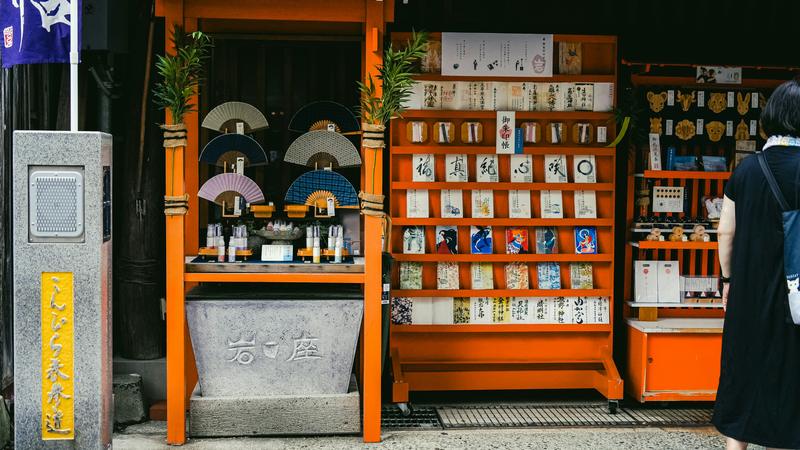
Omamori: Japanese Shrine Charms and What Each One Is For
What an omamori is, charms for love, money, birth, exams and travel, the Tokyo and Kyoto shrines known for each, the days some are given, and how to return one.
11 min read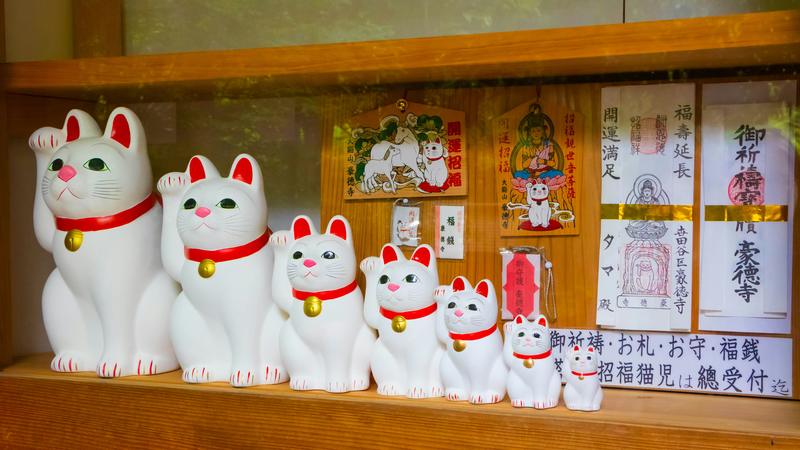
Japanese Lucky Charms: Maneki Neko, Kadomatsu and Wind Chimes
The maneki neko, kadomatsu, kagami mochi, hamaya, kumade and furin wind chime: what each Japanese lucky charm means, when it appears and where it is made.
12 min read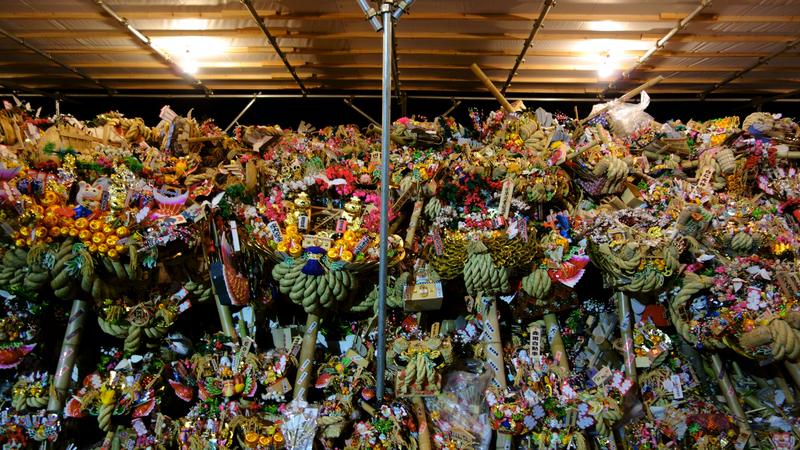
Tori no Ichi 2026: Tokyo's Kumade Rake Fair and Its Dates
Tori no Ichi falls on November 7 and 19 in 2026. The dates and hours at Asakusa, Shinjuku and Fuchū, what the kumade rake means, and how one is bought.
12 min read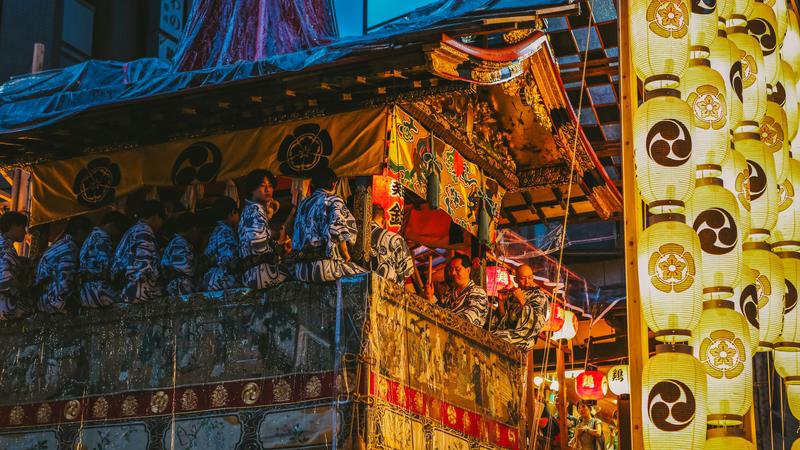
Japanese Festival Calendar: Holidays and Customs by Month
Japan's festivals and seasonal customs month by month, from Setsubun and cherry blossom to Gion Matsuri, Obon and Shichi-Go-San, with the 2026 and 2027 dates.
14 min read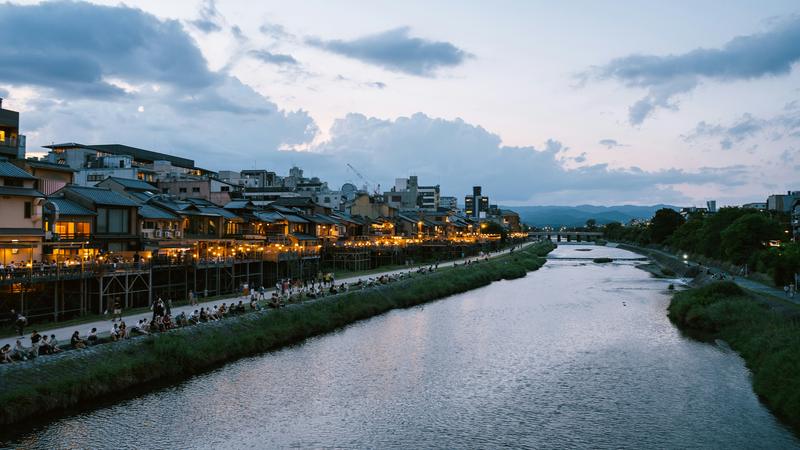
Best Time for a Honeymoon in Japan: Month by Month (2027)
The best time for a honeymoon in Japan, month by month: Tokyo and Kyoto averages, the rainy season, typhoons, the region for each month and 2027 holidays.
16 min read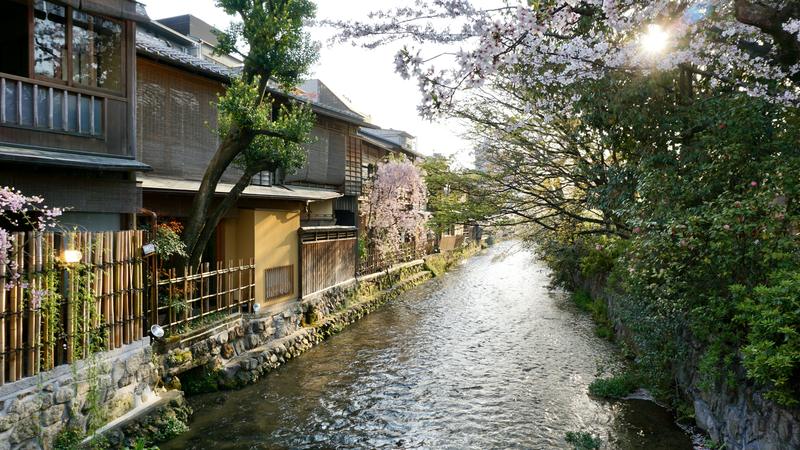
Japan Honeymoon Cost: A Ten-Day Budget for Two (2027)
What a luxury Japan honeymoon costs for two: hotel and ryokan rates for January and April 2027, kaiseki dinners, trains, and the taxes added on top.
17 min read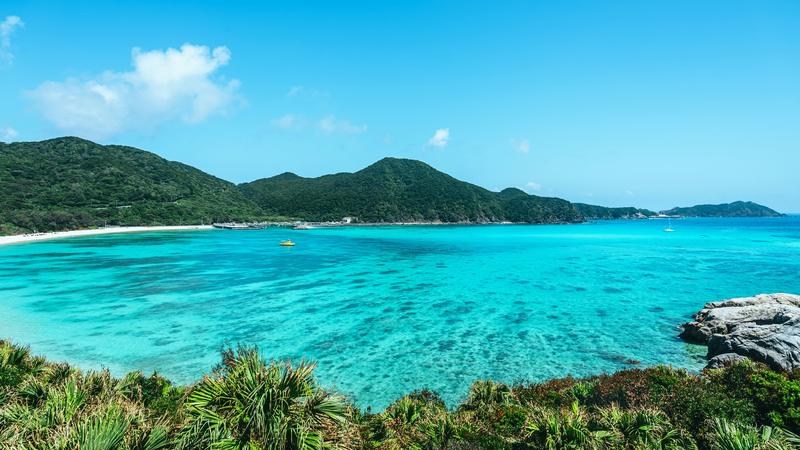
Okinawa Honeymoon: Islands, Resorts and When to Go (2026)
Planning an Okinawa honeymoon: which island suits you, resorts with private pools, the months for the sea, and how to add Okinawa to Tokyo and Kyoto.
22 min read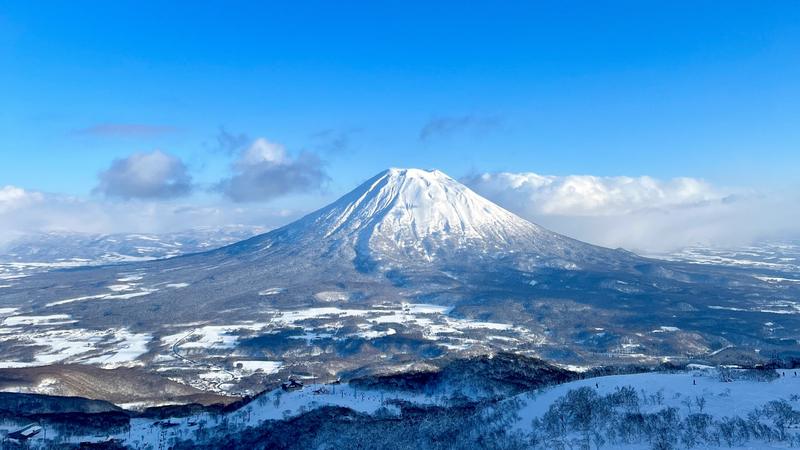
Hokkaido Honeymoon: Summer or Winter, and Where to Stay (2027)
A Hokkaido honeymoon in summer or winter: Sapporo and Tokyo averages, lavender and drift ice dates, five ryokan with private onsen, flights and 2026 taxes.
16 min read
Planning
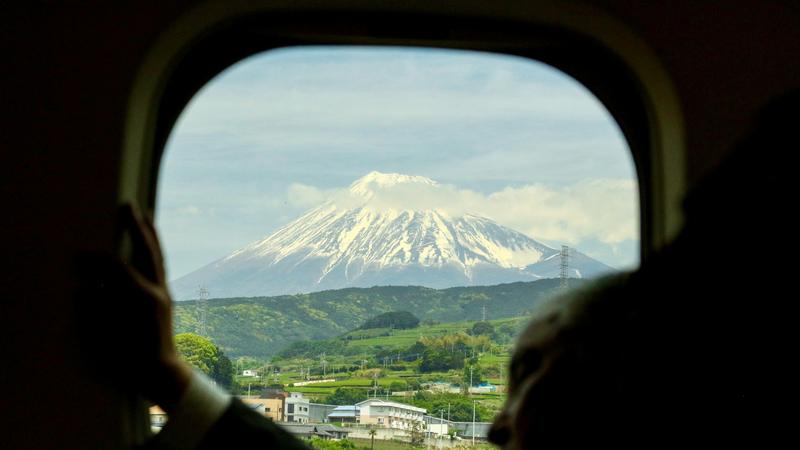
How Many Days in Japan? 5, 7, 10 and 14 Day Plans (2026)
How many days to spend in Japan: 10 days suits most first trips. Where to stay and for how many nights on 5, 7, 10 and 14 day plans, with official train times.
16 min read
Is a Japan Travel Planner Worth It? Cost vs Value
When a Japan travel planner is worth the fee and when it is not: what the money buys, how to test it against your own trip, and how STAYGO's flat Signature fee works.
7 min read
How Much Does a Private Guide in Japan Cost per Day?
Published rates put a full day with a licensed English-speaking guide in Japan at roughly ¥32,000 to ¥54,000. What the rate includes, what is extra, and what a driver adds.
5 min read
Japan Trip Planning Services Compared
Five ways to plan a Japan trip compared: doing it yourself, online travel agencies, travel advisors, inbound tour operators (DMCs) and a private concierge. How each is paid and what it suits.
6 min read
How to Choose a Luxury Japan Travel Specialist
Twelve questions to ask a luxury Japan travel specialist before you pay a deposit: how they are paid, whose name the bookings are in, where they are based, and what happens when plans change.
5 min read
What a Bespoke Japan Trip Actually Costs
Where the money goes on a two-week trip, what raises the total most, and why the planning fee sits separately from what you pay providers.
7 min read
What an AI Agent Can and Cannot Book in Japan
Agents book the published layer well. Almost everything people travel to Japan for sits in the layer that was never published.
7 min read
What a Japan Travel Concierge Actually Does
Design, arrangement and support during the trip, how it differs from a tour operator, and when you should not hire one.
8 min read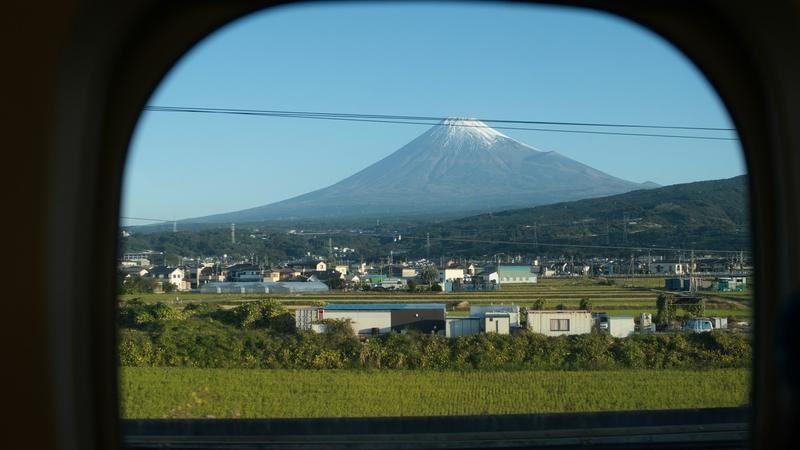
A 14-Day Luxury Japan Itinerary, and the Logic Behind It
Four bases across fourteen nights, why the ryokan belongs in the middle, and the logistics that decide how the fortnight feels.
9 min read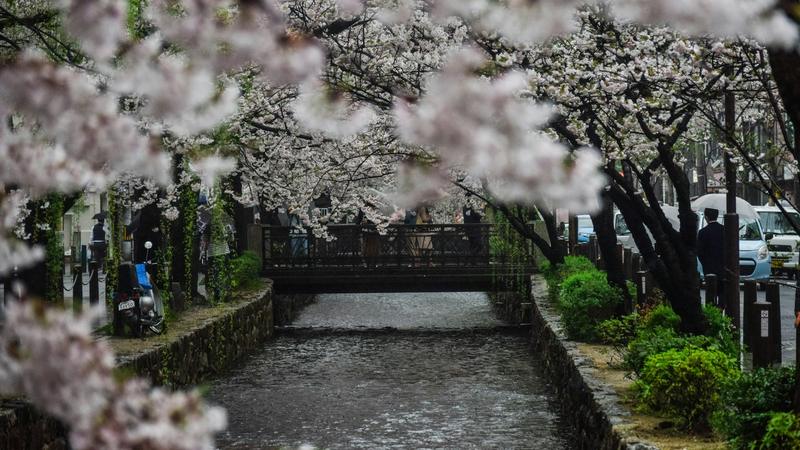
How Far in Advance to Plan a Luxury Japan Trip
Four booking windows, the order to book in, and what to do when you are already late for the week you wanted.
7 min read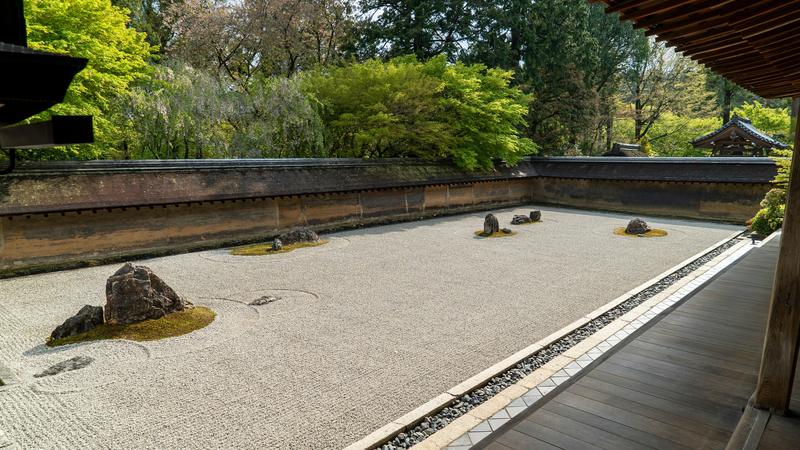
Is a Private Guide Worth It in Japan?
Which days are better with a guide, which are worse, and what separates one worth booking from one who holds the qualification.
7 min read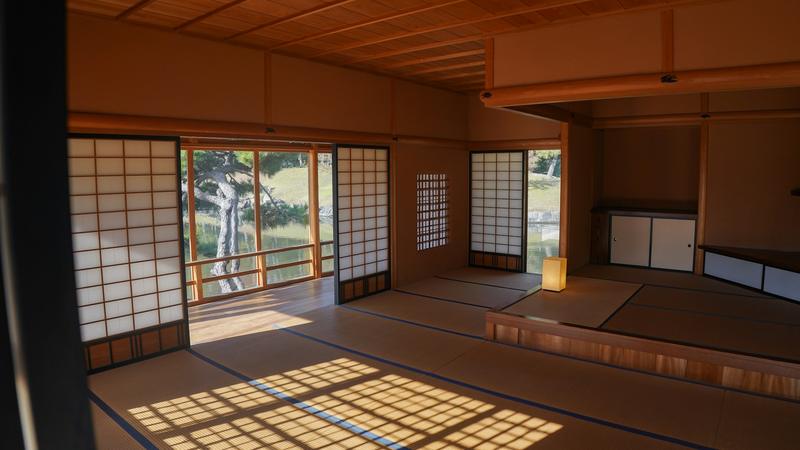
What to Book First When Planning a Japan Trip
Japan has a hierarchy of scarcity. A timeline showing what fills up when, and how far ahead STAYGO starts moving.
7 min read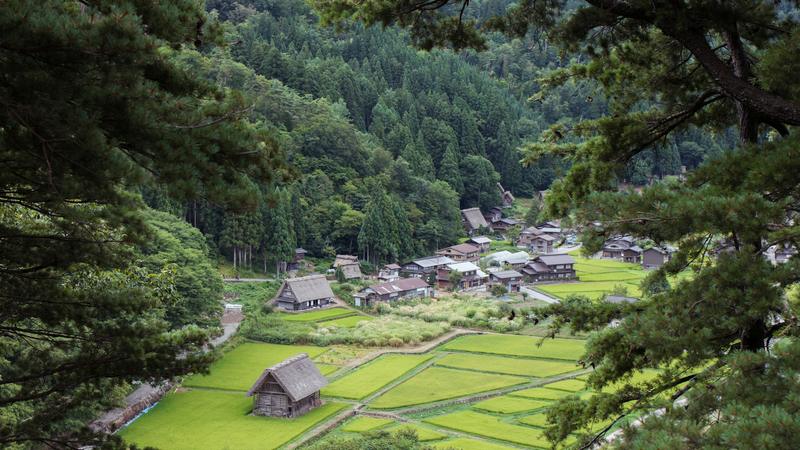
Japan for the First Time vs the Second Time: What Changes
Why the golden route is right for first-timers, what shifts on the second trip, and how STAYGO unlocks access that wasn't available before.
8 min read
Japan in 7 Days vs 14 Days: What's Actually Possible
An honest comparison of what each duration allows, and how to travel well regardless of how long you have.
8 min read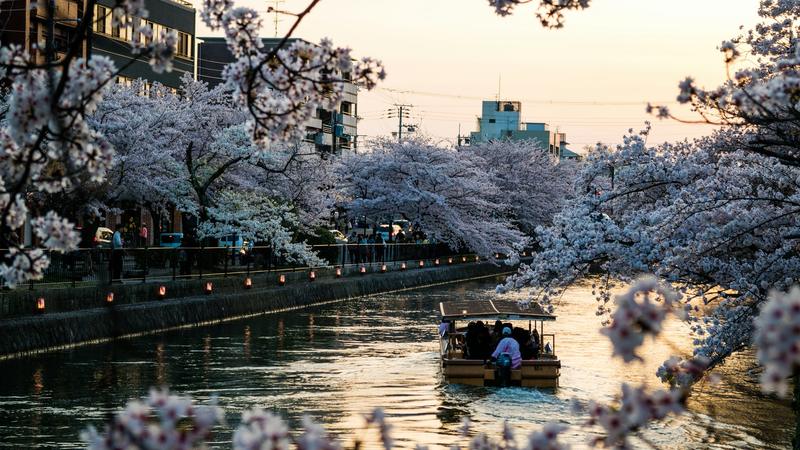
Cherry Blossom vs Autumn Leaves: Which Season Is Right for You?
What each season actually delivers, who each one is right for, and what to book first depending on when you go.
7 min read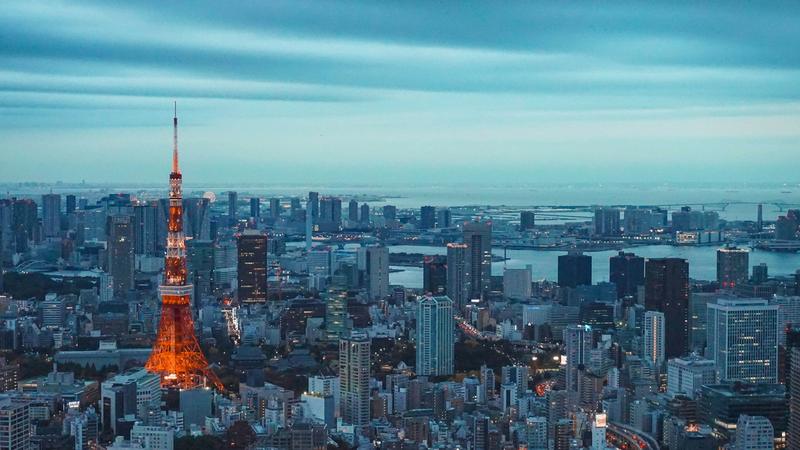
Why Japan Is the World's Best Luxury Travel Value Right Now
The yen is at historic weakness. For US, Australian, and Middle Eastern travelers, Japan's finest experiences now cost less than they ever have.
7 min read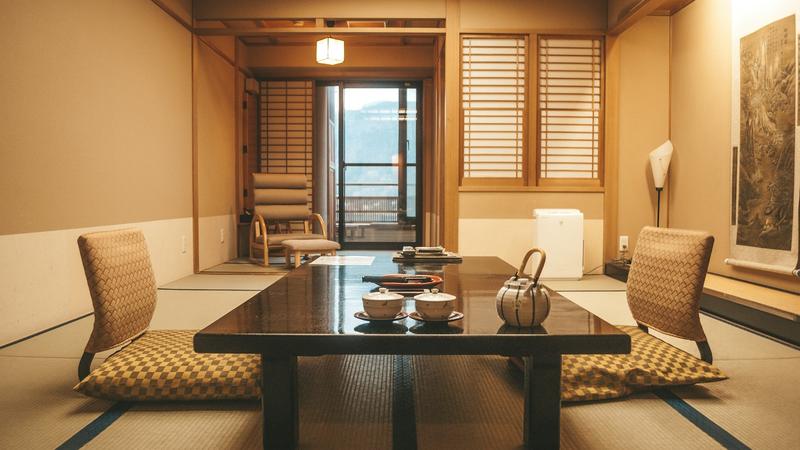
Japan Luxury Hotels Are Filling Fast: Here's What to Do About It
Rates have risen sharply and peak seasons are near-impossible to book last-minute. A practical booking timeline and why to contact STAYGO earlier than you think.
6 min read
First Time in Japan: The Luxury Traveller's Complete Guide
Entry, etiquette, currency, transport, dress codes, and the language barrier: everything a first-time luxury traveller needs to know before arriving.
10 min read
The Best Time to Visit Japan: A Season-by-Season Guide
Spring sakura, summer festivals, autumn foliage, winter onsen: what each season actually delivers and the booking timeline each one requires.
9 min read
The Executive's Japan: How to Combine Business and Rest in One Trip
Private car hire, Hakone day trips, early-morning Tokyo, and the 72-hour framework: how to make a business trip to Tokyo genuinely worth taking.
7 min read
Golden Week in Japan: How to Navigate Japan's Busiest Travel Period
Late April to early May is Japan's single most congested period. How to book around it, how to work within it, and the places that remain quiet even then.
7 min read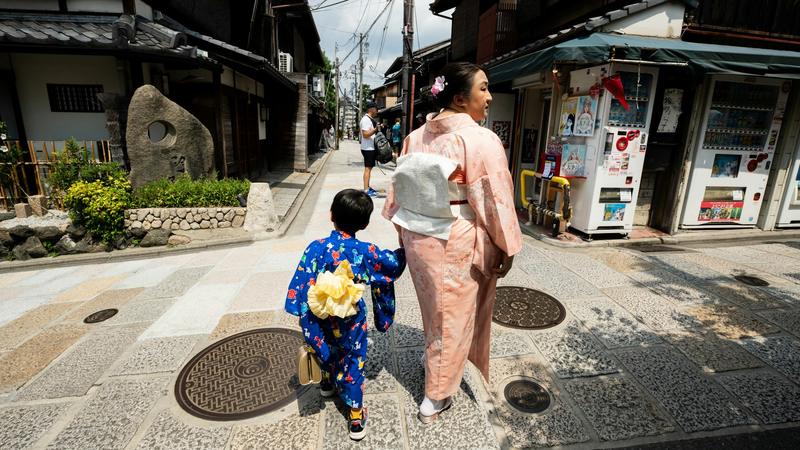
Luxury Family Travel in Japan: From Ghibli to Ryokan Without Compromise
Japan works well for family travel, if planned properly. Ghibli Museum, teamLab, private Nara deer encounters, and ryokan with child-appropriate kaiseki.
9 min read
Destinations
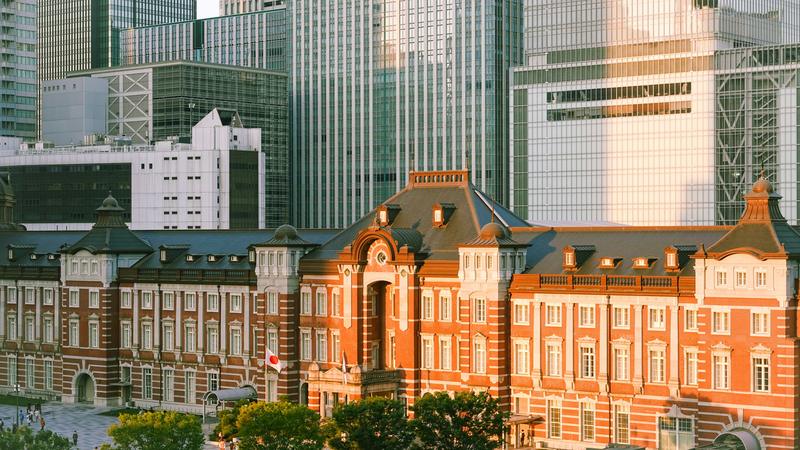
Where to Stay in Tokyo: The Best Areas (2026)
Where to stay in Tokyo, area by area: who each district suits, times to Haneda and Tokyo Station, the luxury hotels we ask about, and the 2027 tax change.
15 min read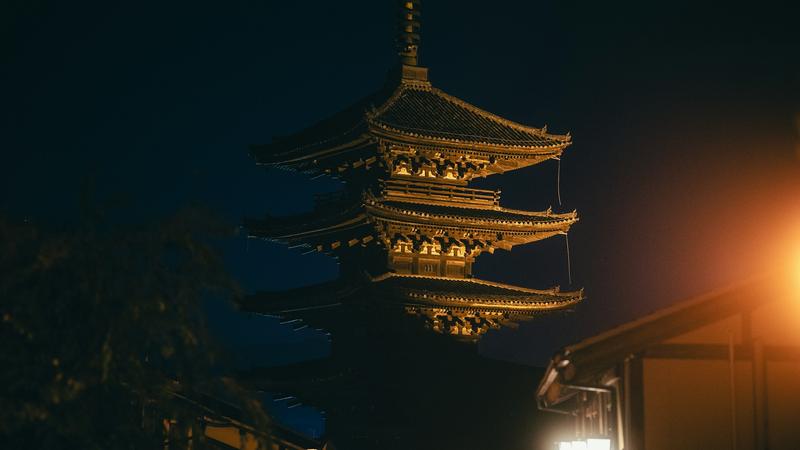
Kyoto in 2026: What's Changed and What Still Requires an Introduction
What the tourism surge has closed to casual visitors, what remains accessible, and how to experience the Kyoto most travelers miss.
8 min read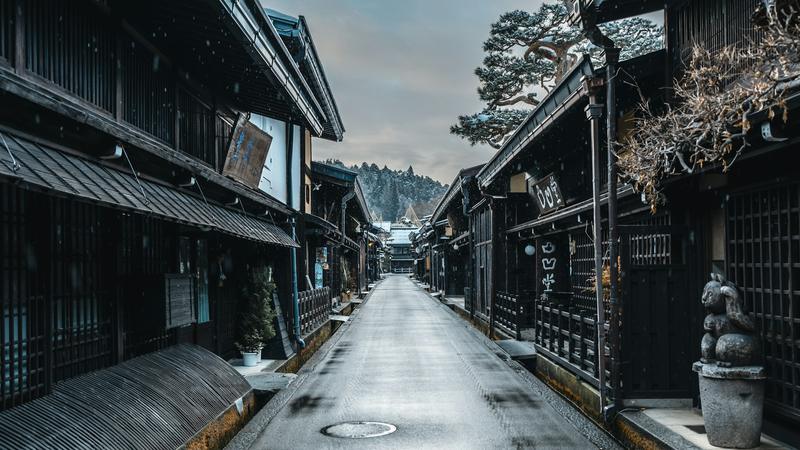
How to Avoid the Crowds in Japan: Where the Elite Are Going in 2026
Tokyo and Kyoto are at peak saturation. Where UHNW travelers are going instead, and why privacy has become the defining luxury of Japan travel.
8 min read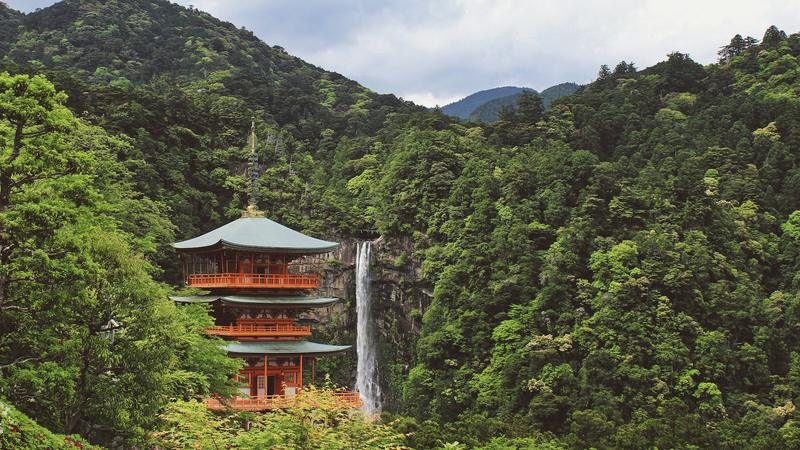
Beyond Tokyo and Kyoto: Japan's Next Luxury Destinations for 2026
Nikko, Okinawa, Noto Peninsula, the Sanin Coast, and the Seto Inland Sea: why Japan's next luxury destinations are drawing visitors who have already done Tokyo and Kyoto.
9 min read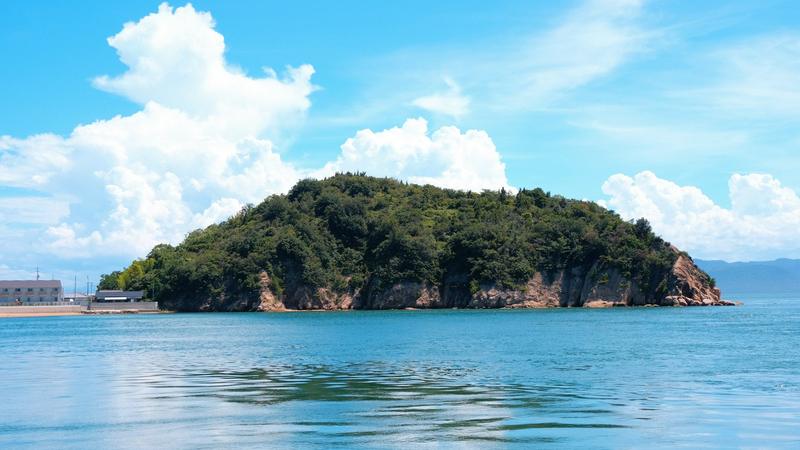
Beyond Naoshima: A Quiet Architecture & Art Trail Through the Seto Inland Sea
Teshima Museum, Inujima Seirensho, and Naoshima's Chichu: three islands forming one of the world's most remarkable art trails. And why off-Triennale years are the best time to visit.
9 min read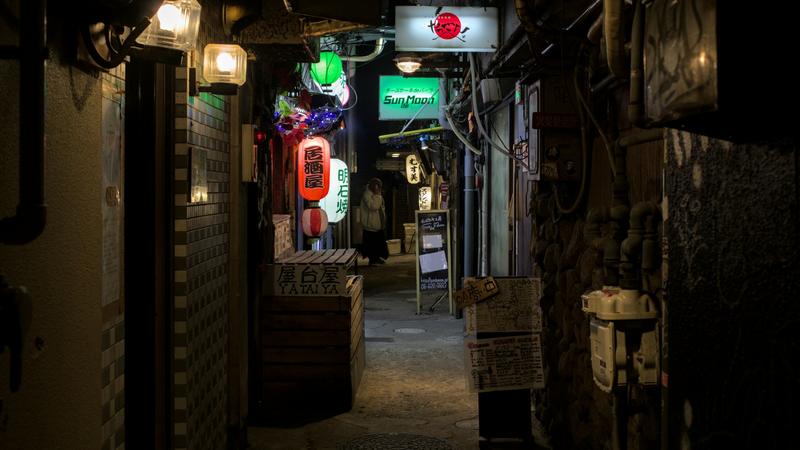
Osaka Beyond Dotonbori: Where the City Actually Eats
Dotonbori is just the start. Osaka's finest dining, the Minami bar scene after midnight, and how a single day of serious eating resets everything you thought you knew about Japanese food.
8 min read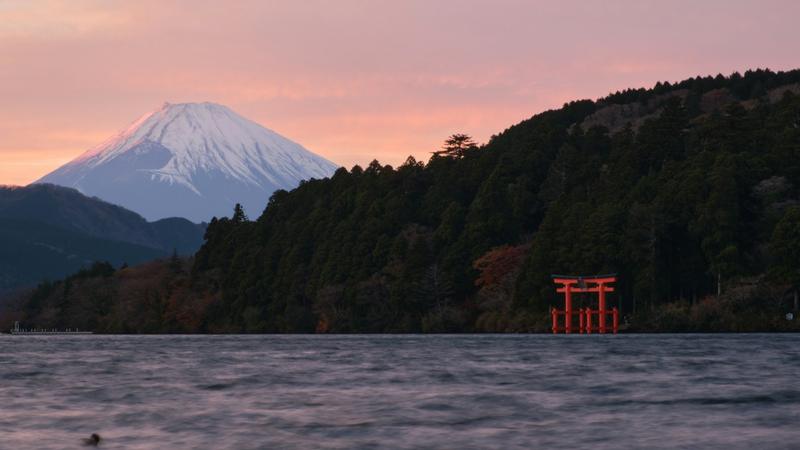
Hakone Done Properly: What to Do When the Weather Clears
Mount Fuji is visible from Hakone roughly one day in three. What to do when it isn't, and why the best Hakone stays have nothing to do with the view.
7 min read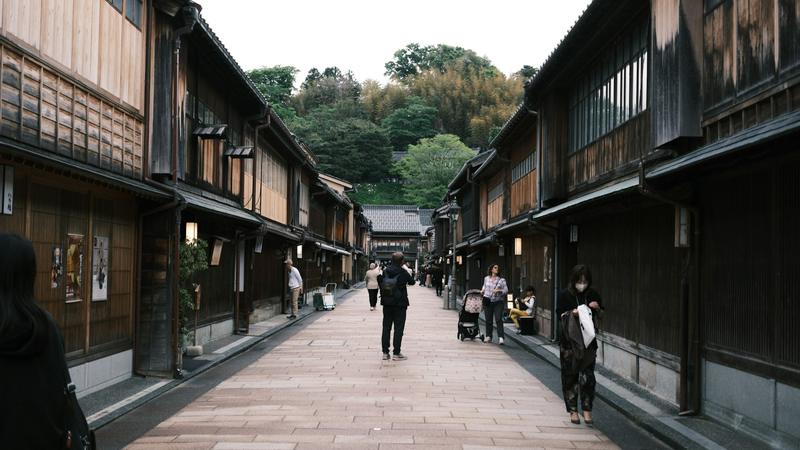
Kanazawa: The New Golden Route Stop That Rewards Slow Travel
The shinkansen reached Kanazawa in 2015 and the city deserves more than a day trip. Kenroku-en without the crowds, Higashi Chaya at dusk, and the finest gold leaf lacquerware in Japan.
8 min read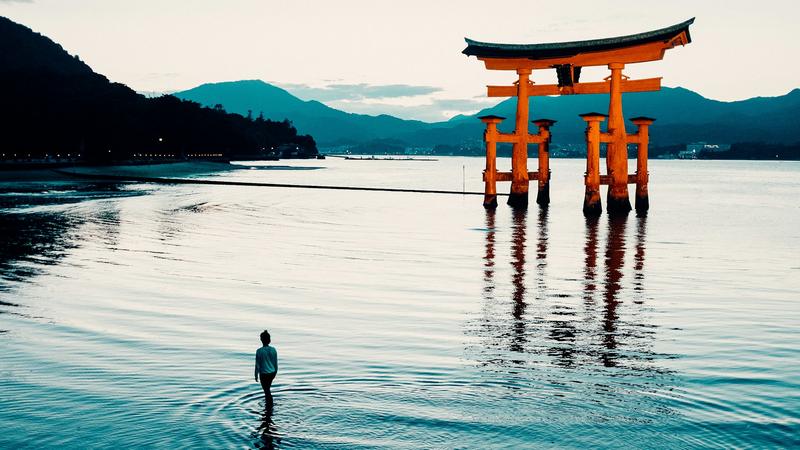
Hiroshima and Miyajima: What Most Tours Miss
Most tours spend three hours in Hiroshima and move on. The city rewards a night's stay, and Miyajima at low tide, before the day-trip boats arrive, is among the most serene places in Japan.
7 min read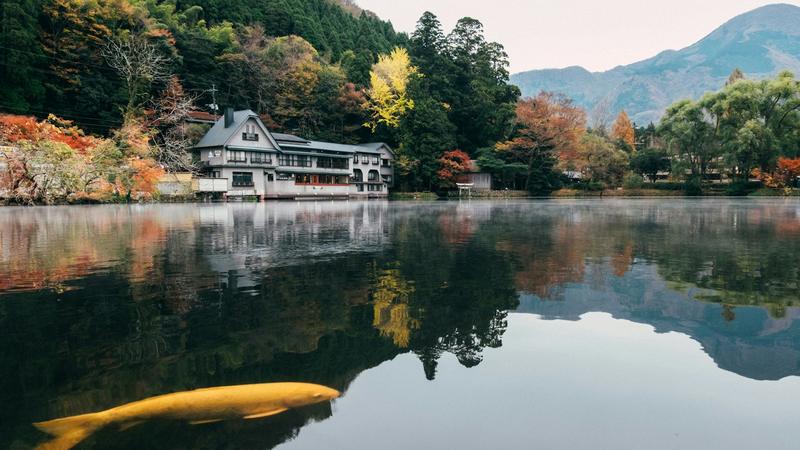
Kyushu: Japan's Southern Island for Onsen, Food, and Quiet Prestige
Beppu's ancient hot springs, Kagoshima's black pork and active volcano views, and Yufuin's understated ryokan culture: Kyushu offers a complete Japan experience far from the tourist mainstream.
9 min read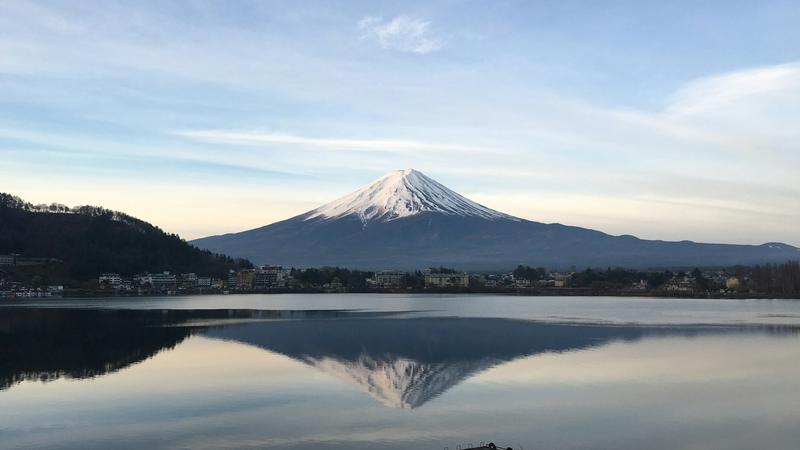
Mount Fuji Done Right: Beyond the Climb
The Fuji climb is a conveyor belt in summer. The best Fuji experiences, dawn views from Hakone, Kawaguchiko at 5am, private helicopter passes, don't require lacing up boots.
7 min read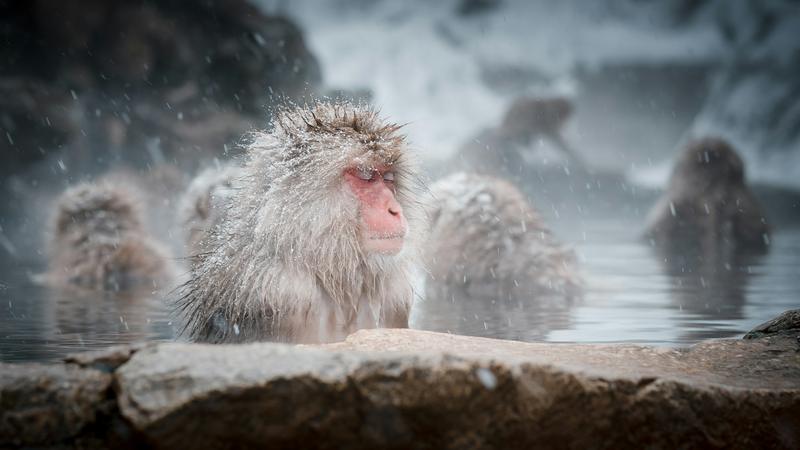
Japan in Winter: Snow Monkeys, Powder Snow, and Empty Temples
December through February is Japan at its most photogenic and least crowded. Ginzan Onsen under snow, Niseko off-piste, and why Kyoto's temples in winter are fundamentally different from any other season.
8 min read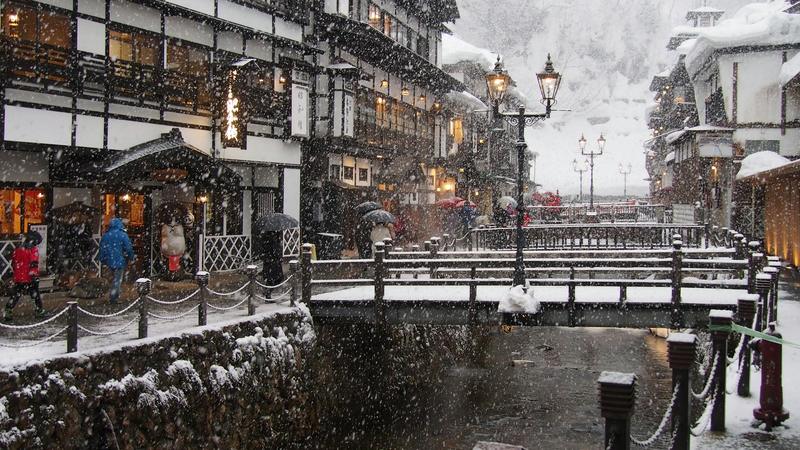
Tohoku: Japan's Most Underrated Region
Tohoku sits north of Tokyo, two hours by shinkansen, and receives a fraction of the visitors that descend on Kyoto. Ginzan Onsen in snow, empty temples, and a food culture that rivals anywhere in Japan.
9 min read
Experiences
Best Time for a Honeymoon in Japan: Month by Month (2027)
The best time for a honeymoon in Japan, month by month: Tokyo and Kyoto averages, the rainy season, typhoons, the region for each month and 2027 holidays.
16 min readJapan Honeymoon Cost: A Ten-Day Budget for Two (2027)
What a luxury Japan honeymoon costs for two: hotel and ryokan rates for January and April 2027, kaiseki dinners, trains, and the taxes added on top.
17 min readOkinawa Honeymoon: Islands, Resorts and When to Go (2026)
Planning an Okinawa honeymoon: which island suits you, resorts with private pools, the months for the sea, and how to add Okinawa to Tokyo and Kyoto.
22 min readHokkaido Honeymoon: Summer or Winter, and Where to Stay (2027)
A Hokkaido honeymoon in summer or winter: Sapporo and Tokyo averages, lavender and drift ice dates, five ryokan with private onsen, flights and 2026 taxes.
16 min read
Proposal Ideas in Japan: Where and How to Propose (2026)
Proposal ideas in Japan, by the rules: Tokyo and Kyoto hotel proposal plans with 2026 prices, and what temples, gardens and rooftops allow for photos and drones.
12 min read
Anniversary Trip to Japan: How to Plan It (2026)
How to plan an anniversary trip to Japan: the season, a ryokan room with its own open-air bath, what hotels offer for a celebration, and 7 to 14 day routes.
12 min read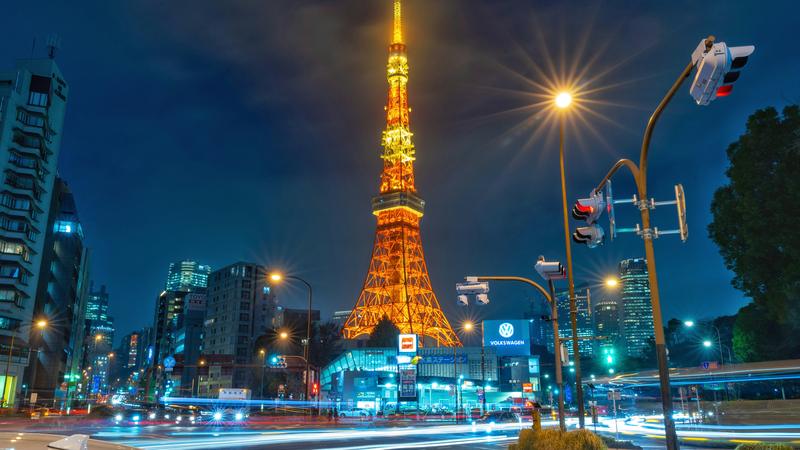
Romantic Things to Do in Tokyo for Couples (2026)
Romantic things to do in Tokyo for couples, by season and hour: night views from the towers, autumn 2026 garden night openings, the river and the bay by boat, and a bar above the city.
14 min read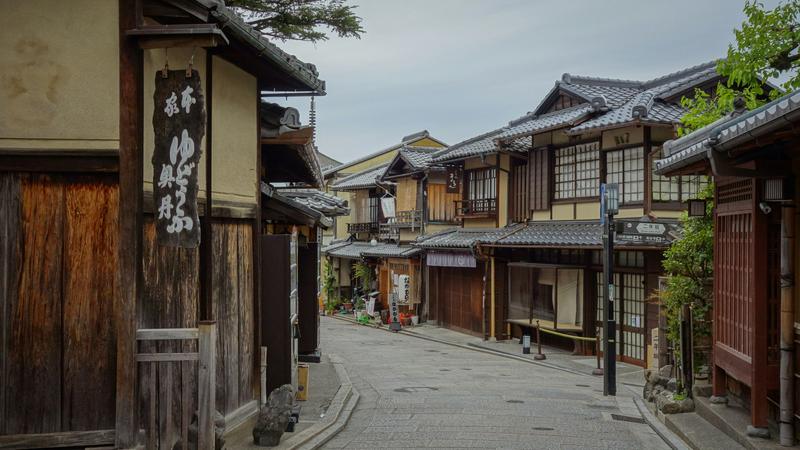
Where to Stay in Kyoto: The Best Areas for a First Visit
Which Kyoto area to choose for a first luxury stay, who each one suits, how long it takes to reach, and the hotels and ryokan we would ask about.
15 min read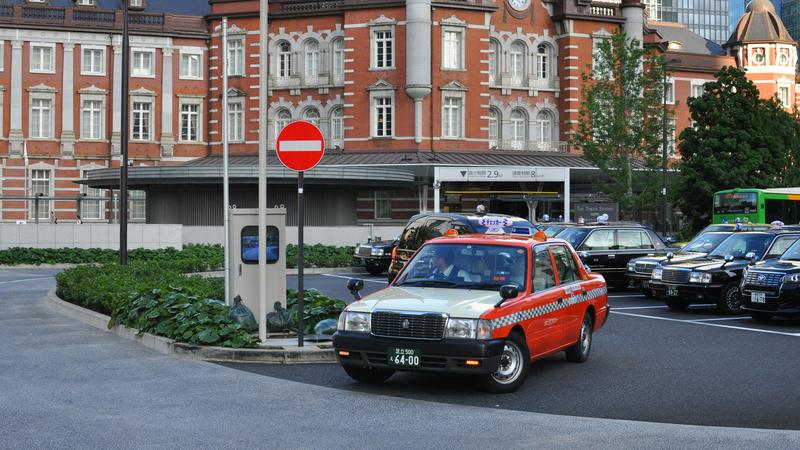
Private Driver in Japan Cost: Tokyo, Airport and Day Trip Rates
Published rates for a car and driver in Tokyo, from Narita and Haneda, and to Hakone, Fuji and Nikko, with the extras that change the bill.
15 min read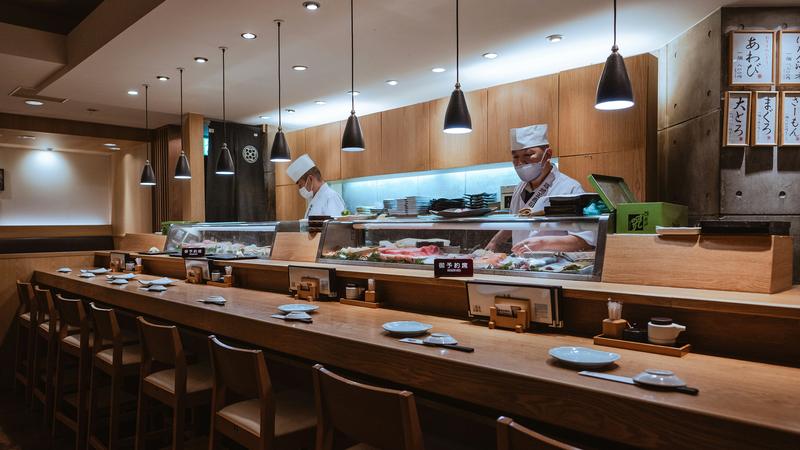
Solo Luxury Travel in Japan: Ryokan, Dining and Costs for One
Ryokan rates for one guest, the per-guest Kyoto tax, counter dining and private experiences booked for one, checked on the official pages.
12 min read
Romantic Things to Do in Kyoto for Couples (2026)
Kyoto for two by season and hour: the gorge by train and boat, dinner over the river and autumn 2026 night openings, with official fares and dates.
15 min read
Magome to Tsumago: Walking the Nakasendo Trail in 2026
The 9 km walk between two Edo-period post towns, with the 2026 luggage service, the buses and the latest start times, checked on the official pages.
12 min read
The Ultimate Luxury Japan Honeymoon Itinerary: 10 to 14 Days
A day-by-day honeymoon in Tokyo, a Hakone ryokan with its own open-air bath, Kyoto and the Seto Inland Sea, with the rooms to ask for and published rates checked in October 2026.
17 min read
Planning a Japan Honeymoon With a Specialist
How to plan a Japan honeymoon: the easiest seasons, a pace that leaves room for two, ryokan with private baths, dinners for two, and what a specialist arranges from Japan.
6 min read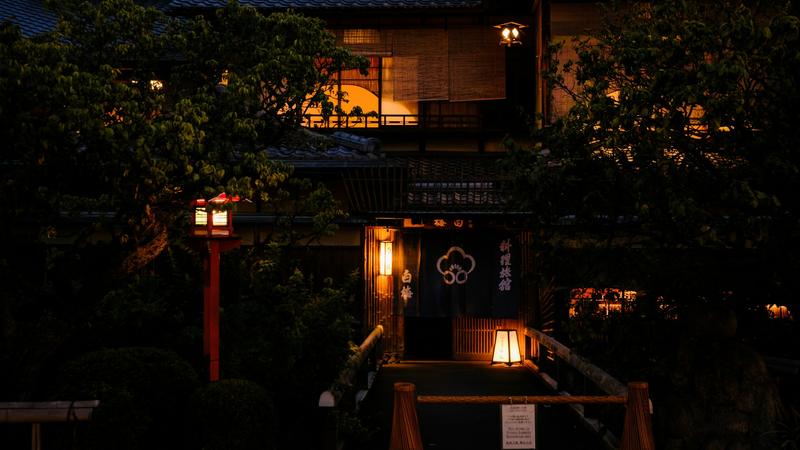
Private Japan: Experiences That Cannot Be Booked Online
There are two Japans. One is on every app and booking platform. The other, ryotei, private temples, artisan workshops, requires an introduction.
8 min read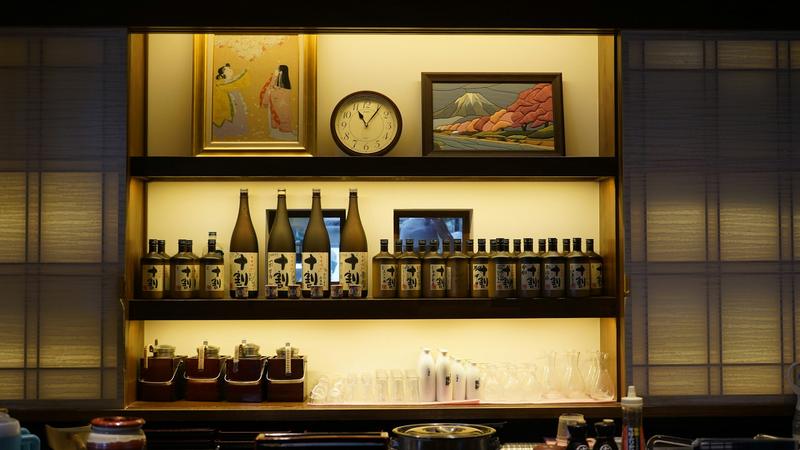
Sake, Whisky, and the Quiet World of Japan's Private Tastings
From Yamazaki and Yoichi to Akkeshi and Kanosuke, Japan's tasting world extends well beyond retail bottles. How STAYGO accesses private distillery and brewery experiences.
8 min read
The Luxury Shopping Guide to Tokyo and Kyoto
From Ginza flagship atelier appointments to Kyoto lacquerware and Arita porcelain from the kiln: what STAYGO arranges for clients who want to bring home something genuinely significant.
9 min read
Culture
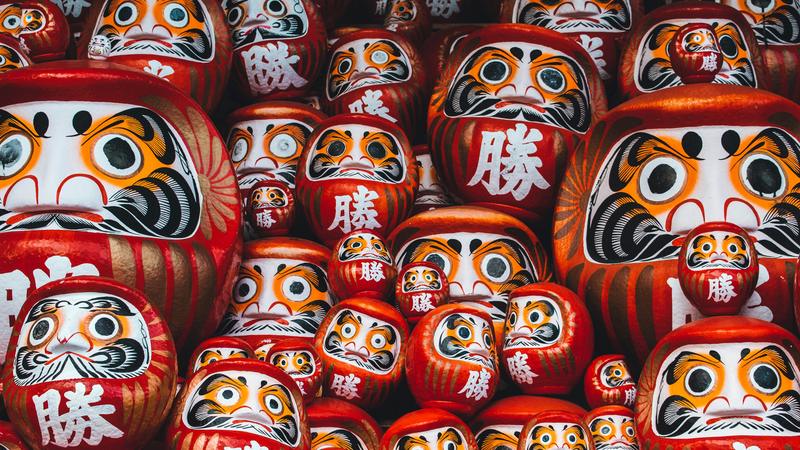
Daruma Dolls: What the Eyes Mean and Where to Buy One
What a daruma doll means, which eye to fill in first and why temples differ, what the colours say, and where to buy one: Takasaki and Japan's daruma markets.
13 min readOmamori: Japanese Shrine Charms and What Each One Is For
What an omamori is, charms for love, money, birth, exams and travel, the Tokyo and Kyoto shrines known for each, the days some are given, and how to return one.
11 min readJapanese Lucky Charms: Maneki Neko, Kadomatsu and Wind Chimes
The maneki neko, kadomatsu, kagami mochi, hamaya, kumade and furin wind chime: what each Japanese lucky charm means, when it appears and where it is made.
12 min readTori no Ichi 2026: Tokyo's Kumade Rake Fair and Its Dates
Tori no Ichi falls on November 7 and 19 in 2026. The dates and hours at Asakusa, Shinjuku and Fuchū, what the kumade rake means, and how one is bought.
12 min readJapanese Festival Calendar: Holidays and Customs by Month
Japan's festivals and seasonal customs month by month, from Setsubun and cherry blossom to Gion Matsuri, Obon and Shichi-Go-San, with the 2026 and 2027 dates.
14 min read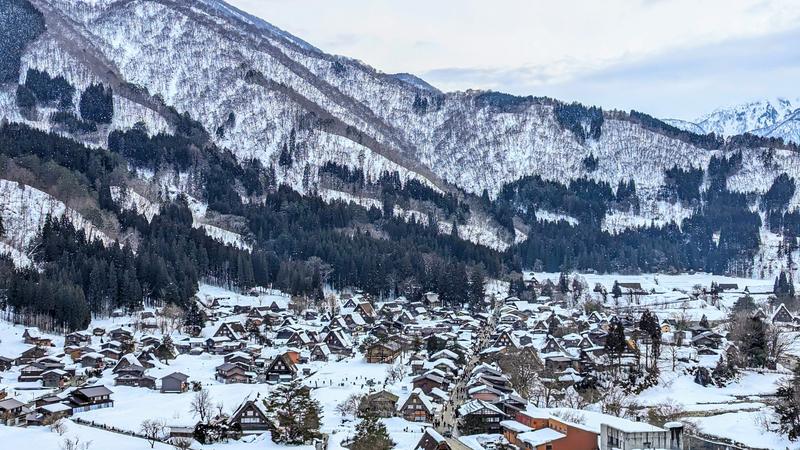
Shirakawa-go Overnight Stay in 2027: How to Book and Visit
Only overnight guests see Shirakawa-go after 17:00. How the farmhouse inns are booked, the 2027 light-up lottery, buses and the open houses, checked on official pages.
17 min read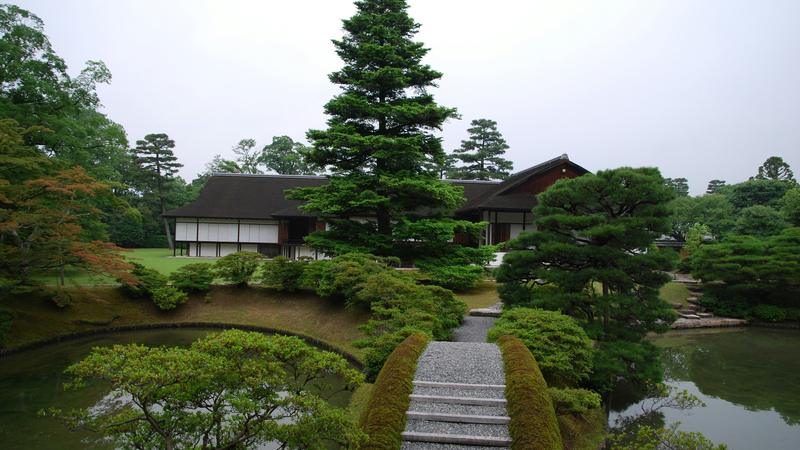
Katsura Imperial Villa Reservation and the Moss Temple
When the Katsura, Shugakuin and Sento applications open, why agents cannot apply for you, and how the Moss Temple's sutra-copying visit is booked.
16 min read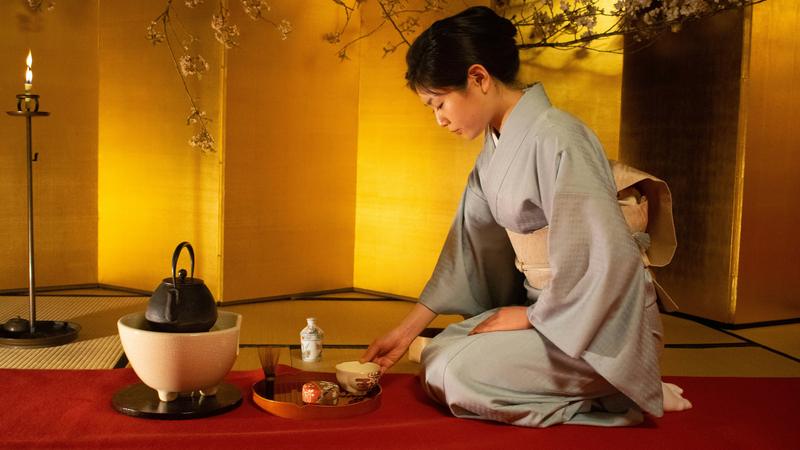
A Private Tea Ceremony in Kyoto, Step by Step
The room, the sweet, thin and thick tea, how to receive the bowl and what to wear, with the prices Kyoto's tea hosts publish for private sessions.
17 min read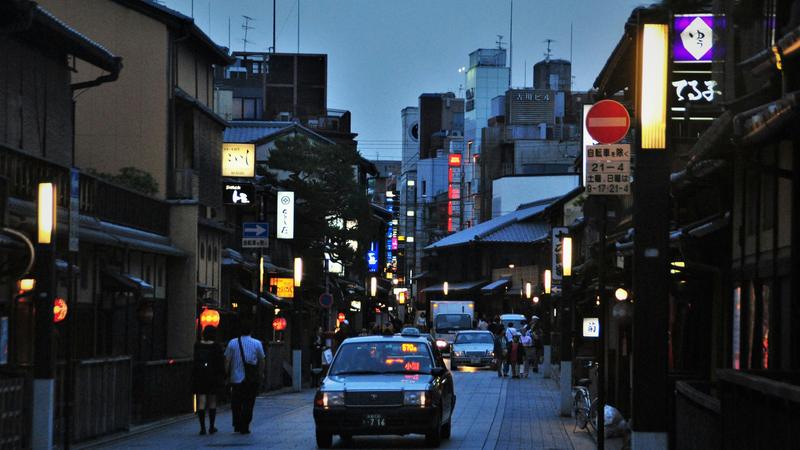
Maiko Dinner in Kyoto: Introductions, Dances and Gion Rules
The private ozashiki evening and why it needs an introduction, the five public dances with 2026 and 2027 dates and prices, and Gion's rules on photos and private alleys.
15 min read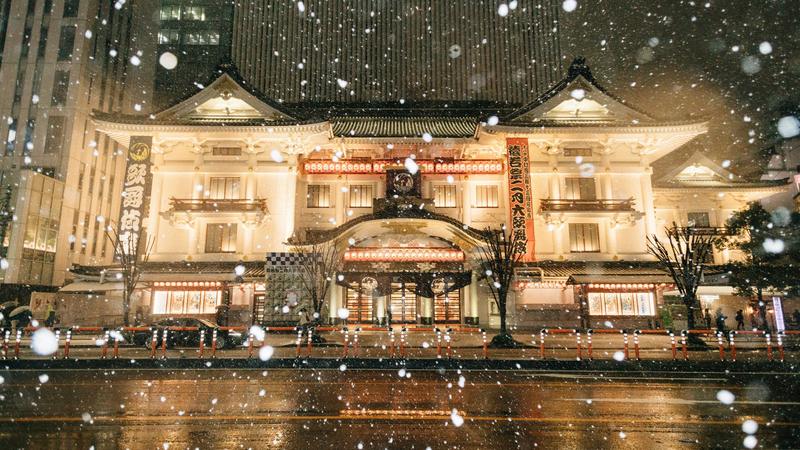
Kabuki in Tokyo: Kabukiza Tickets, Single Acts and English Guide
Kabukiza's parts and seat prices for November 2026, single-act tickets on the fourth floor, the English caption device, interval meals and the other Tokyo stages this winter.
16 min read
Jo: The Feeling That Decides What Japan Opens to You
Omotenashi describes how you are treated on the first visit. Jo decides what happens on the fourth, and it determines which doors in Japan open at all.
6 min read
What 'Omotenashi' Actually Means: And Where to Experience It
The concept goes well beyond politeness. Here's what anticipatory, invisible hospitality actually looks like: in a ryokan, at a kaiseki counter, and why it transcends language.
7 min read
Japan Etiquette for Luxury Travelers: The Rules That Matter
Shoes at ryokan, how to hand over a business card, what never to do at a kaiseki counter: the rules that are invisible until you break them, and how they shape every interaction.
8 min read
Dining
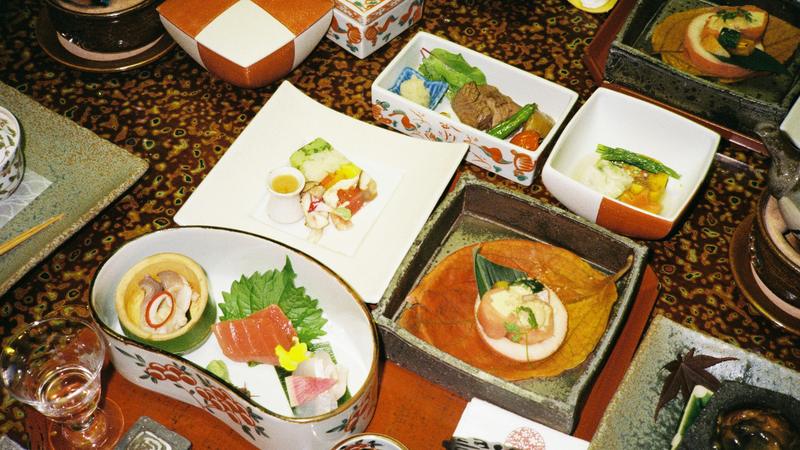
Kaiseki for First-Timers: Courses, Etiquette and Prices
The course order from sakizuke to mizugashi, the etiquette that matters, counter or private room, and the published prices and rules at Kikunoi, Hyotei and Kitcho.
17 min read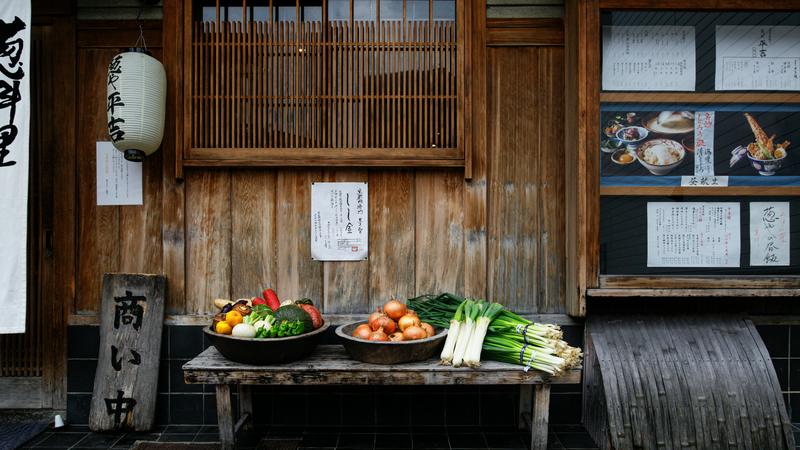
Vegetarian and Vegan Fine Dining in Japan
Bonito dashi hides in dishes that look all vegetable. Five shojin restaurants in Kyoto and Tokyo with their published prices and rules, ryokan dinners, and a checklist in Japanese.
17 min read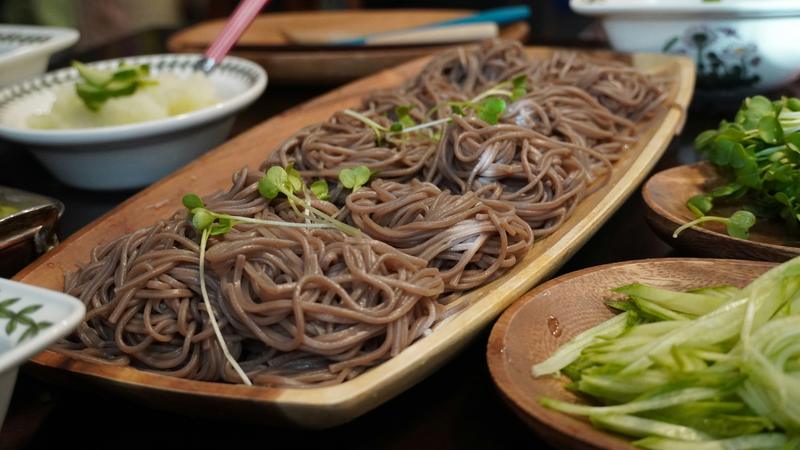
Food Allergies, Coeliac Disease and Gluten-Free Dining in Japan
The nine allergens Japan requires on packaged food since April 2026, why restaurant menus fall outside the law, where wheat and fish hide in Japanese cooking, and how ryokan handle requests.
16 min read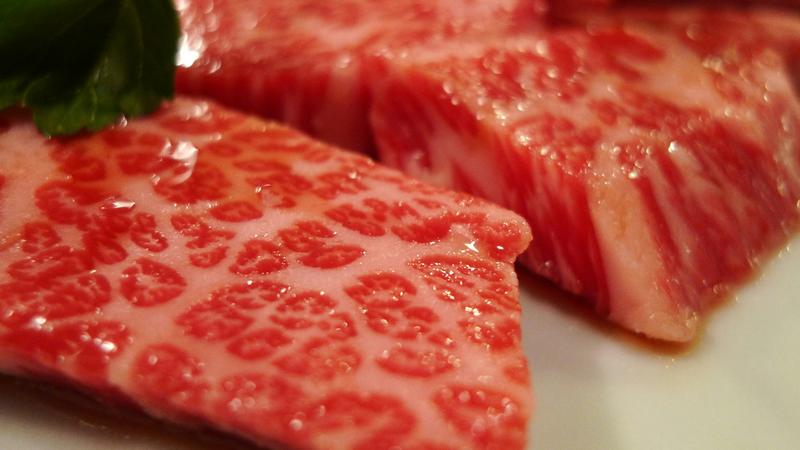
Halal Fine Dining in Japan: Halal Wagyu and Halal Kaiseki
Certified halal kaiseki in Kyoto, halal Kobe beef in Kobe and Shinjuku, where pork and alcohol hide in Japanese cooking, and the airport prayer rooms the operators list.
17 min read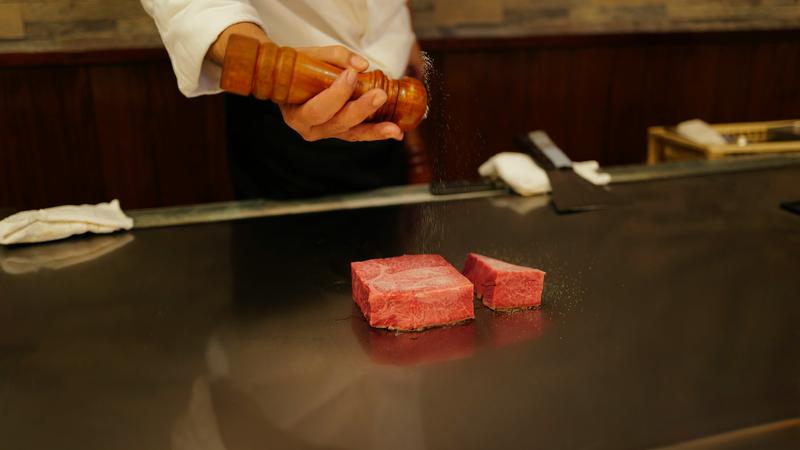
Authentic Kobe Beef: How to Check It and Where to Eat It
The rules for Kobe beef as the association and the ministry write them, how to verify it at the restaurant, how it differs from Matsusaka and Omi, and official prices at five designated restaurants.
18 min read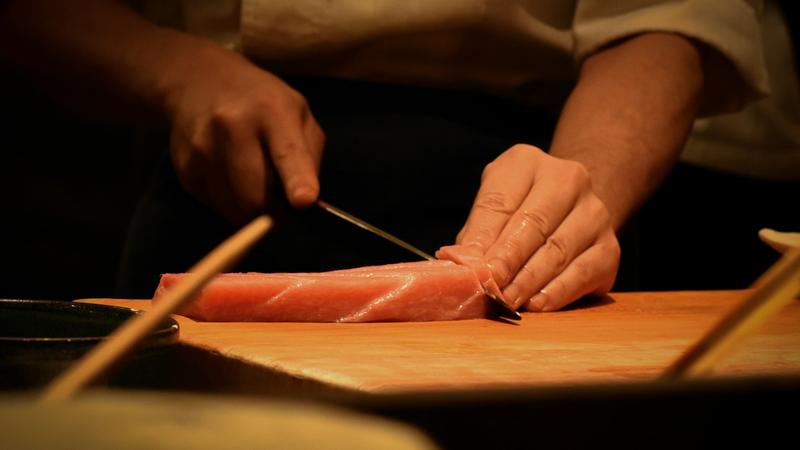
How to Get a Reservation at Japan's Best Restaurants
From apps anyone can use to counters that require an introduction: the honest guide to Japan's restaurant booking system.
6 min read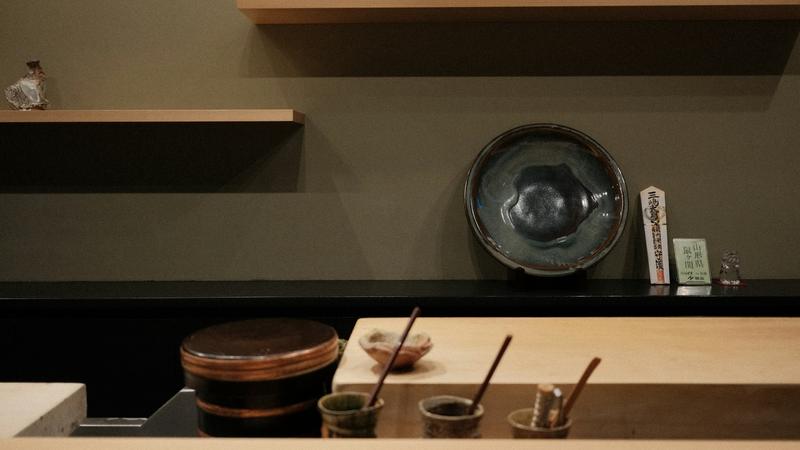
How Tokyo's Best Tables Actually Work: A Guide to Reservations You Can't Google
Tokyo's top kaiseki and sushi counters operate on referral and regular-guest priority. Here's how the system works, and how to access it.
8 min read
Wellness
A Wellness Week in Japan: 7-Day Tokyo, Hakone and Kyoto Itinerary
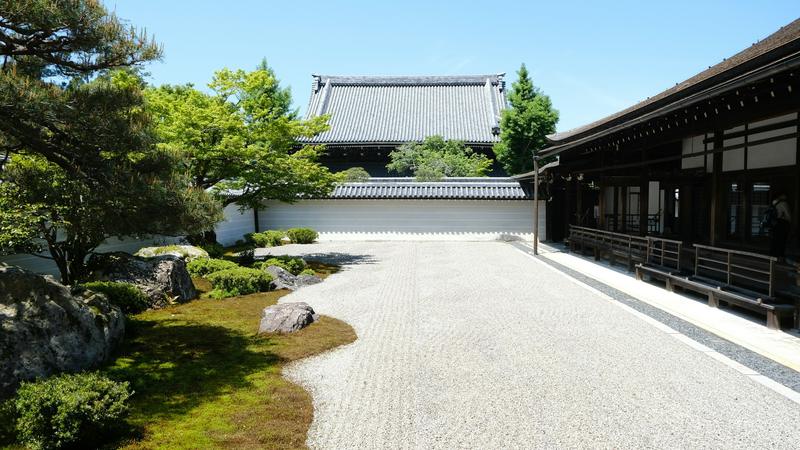
A wellness week in Japan itinerary: Tokyo gardens and spas, a Hakone room with its own onsen, Kyoto zazen and shojin lunch, with times, fees and what to reserve.
14 min read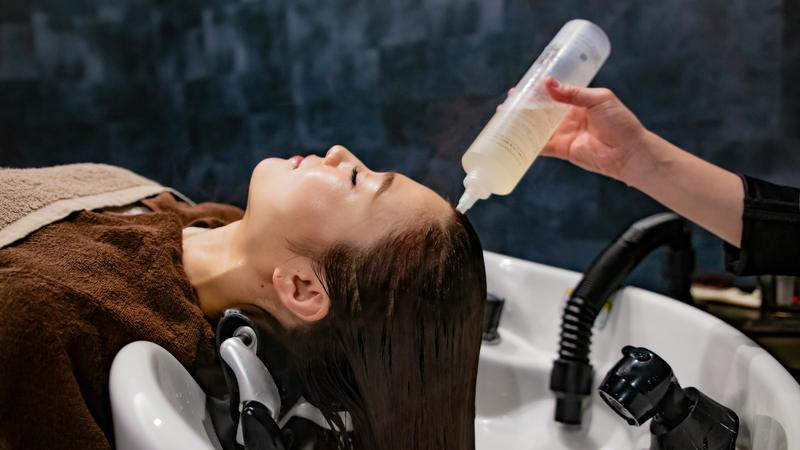
Japanese Head Spa in Tokyo: Prices, Booking and Etiquette
Japanese head spa in Tokyo: five salons and a hotel spa with English menus, prices from ¥12,000, course times, cancellation rules and first-visit etiquette.
14 min read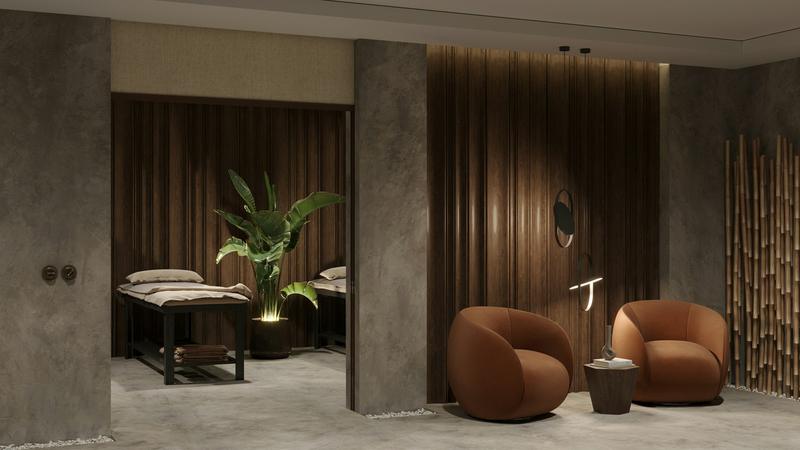
Hotel Spas in Tokyo and Kyoto for Couples: 2026 Guide
Seven Tokyo and Kyoto hotel spas with a couples' suite or room for two: who can book, prices and times, baths, pools and tattoo rules, checked October 2026.
15 min read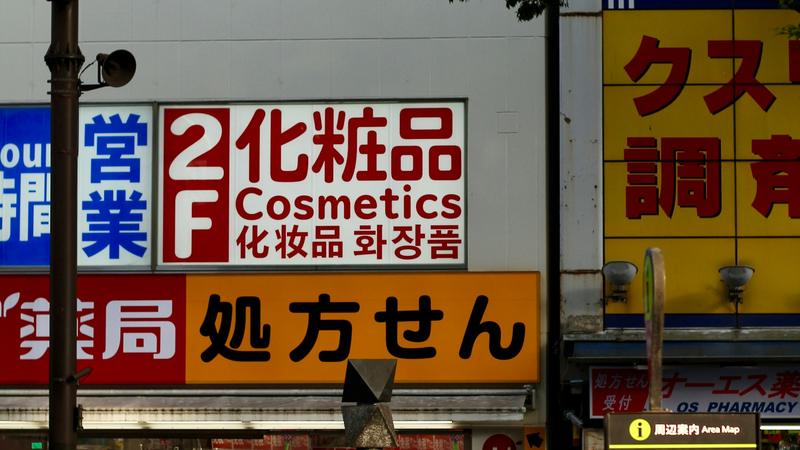
Japanese Skincare and Beauty Shopping in Tokyo
Where to buy Japanese skincare in Tokyo: Ginza flagships, department store beauty floors and @cosme TOKYO, with the November 2026 tax-free rules and liquid limits.
14 min read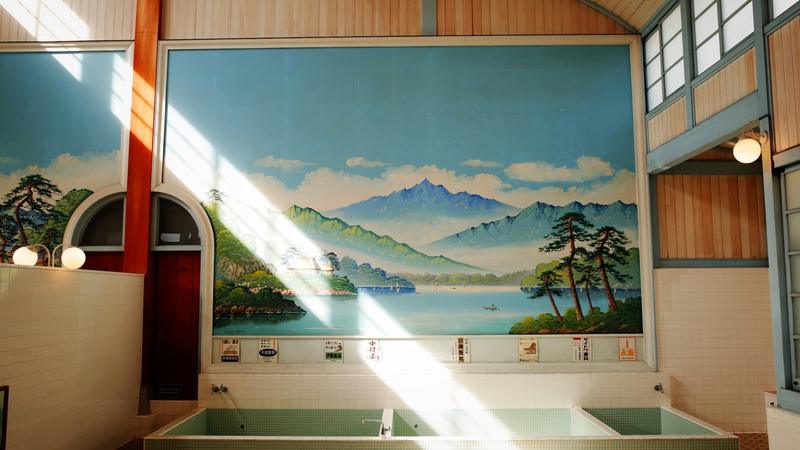
Sento, Onsen and Shiatsu in Japan: A First-Timer's Guide
How Japan's onsen, sento, super sento and sauna differ, how to bathe at a sento, where to go in Tokyo and Kyoto, and where to find licensed shiatsu in hotels.
12 min read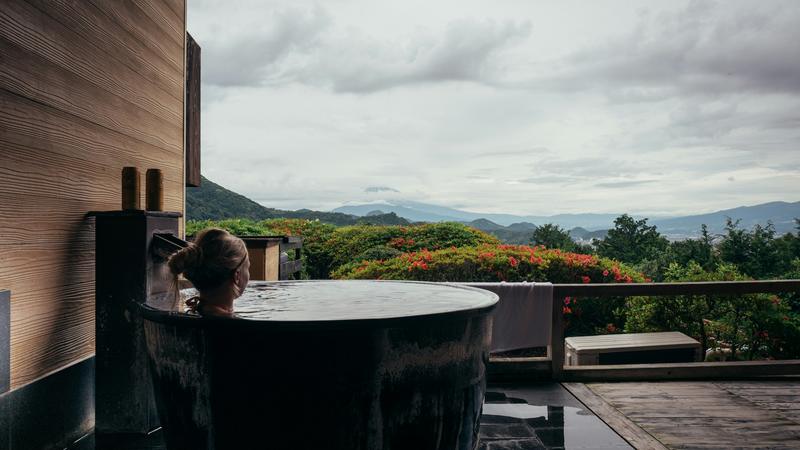
Ryokan With Private Onsen Near Tokyo: 2026 Guide
Eight ryokan within about two hours of Tokyo where the room has its own hot spring bath, area by area, with train times and published rates checked in October 2026.
17 min read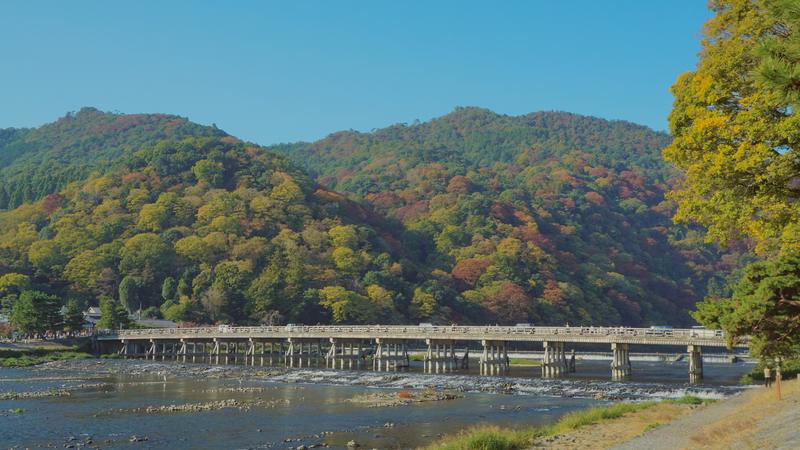
Kyoto Ryokan with Private Onsen: Where to Find Them
Where a Kyoto ryokan room comes with its own hot spring bath, from Arashiyama to Yunohana, with published rates and house rules checked on official sites in October 2026.
17 min read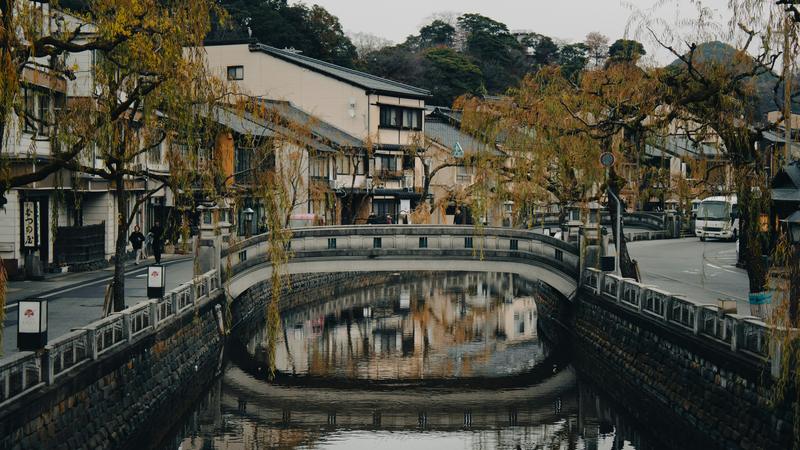
Tattoo Friendly Onsen in Japan: Where You Can Bathe
Where you can bathe in Japan with tattoos: rooms with their own bath, private baths and onsen that accept tattoos, with the official policies checked in October 2026.
17 min read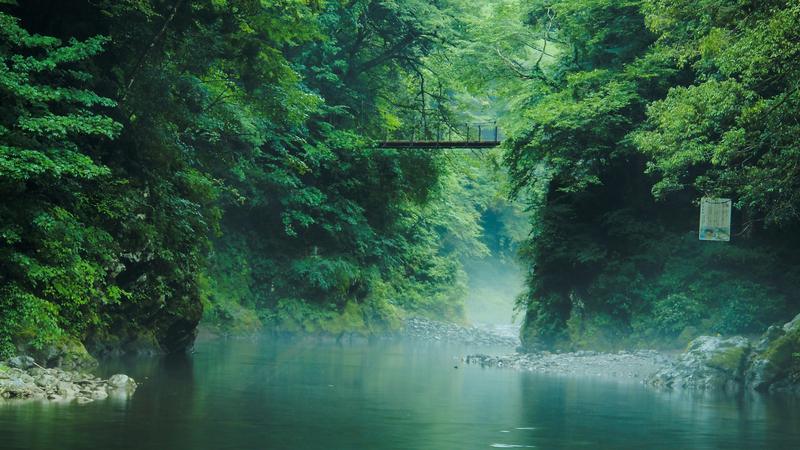
Forest Bathing Near Tokyo: Guides, Fees and Routes
Where to go forest bathing near Tokyo, from Okutama's certified guides to Akasawa's cypress forest, with published fees and lead times checked in October 2026.
17 min read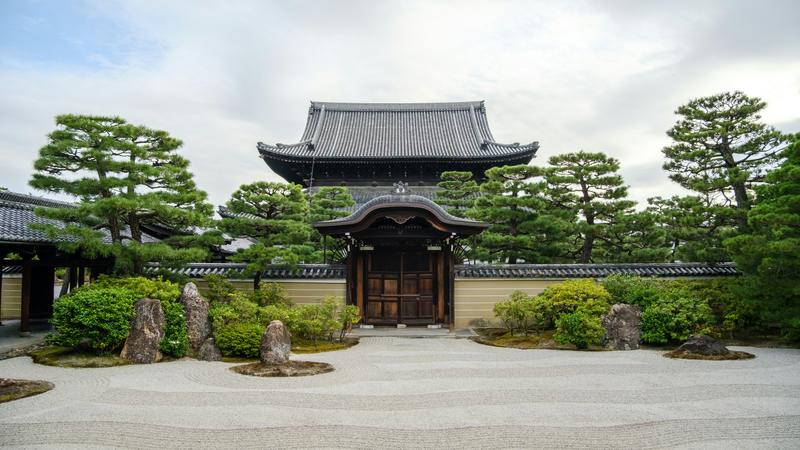
Zen Meditation in Kyoto: Where to Sit Zazen in English
Where to sit zazen in Kyoto with English instruction, from a two-hour sitting for about a dozen guests to a private session, with published fees and booking rules checked in October 2026.
17 min read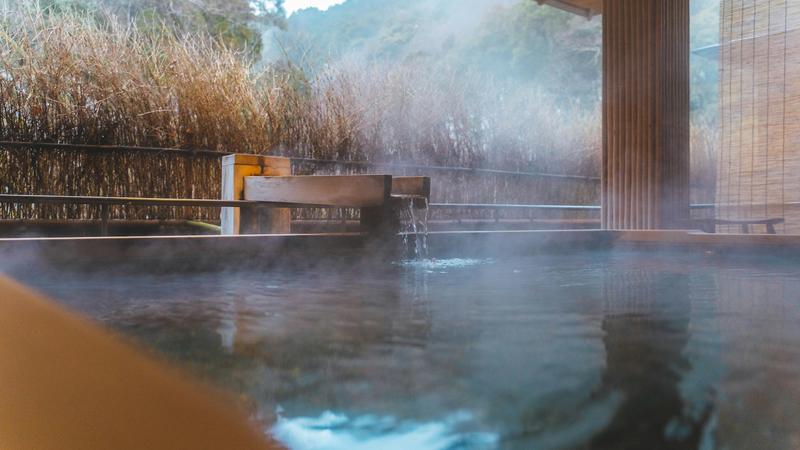
Japan's Onsen Culture: What to Know Before You Go
Types, etiquette, the best destinations for luxury travelers, and how STAYGO handles ryokan and private bath arrangements.
9 min read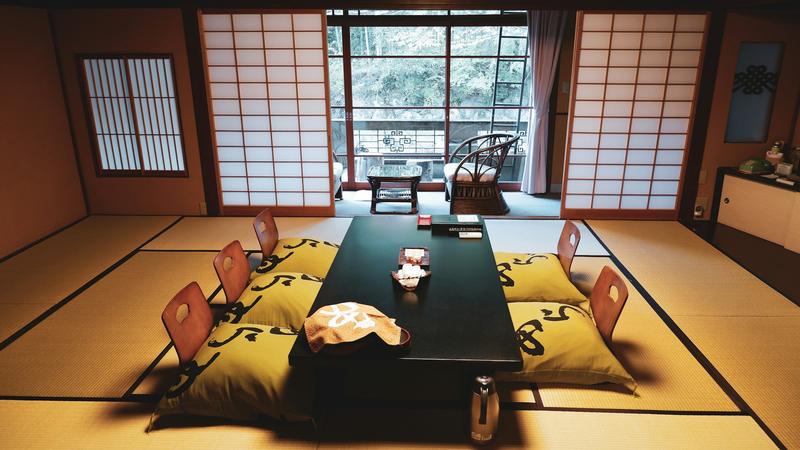
How to Choose a Ryokan: What the Listings Don't Tell You
Ryokan quality varies enormously. The calibre of kaiseki, the bath temperature, the futon thickness: what STAYGO vets before recommending any property.
9 min read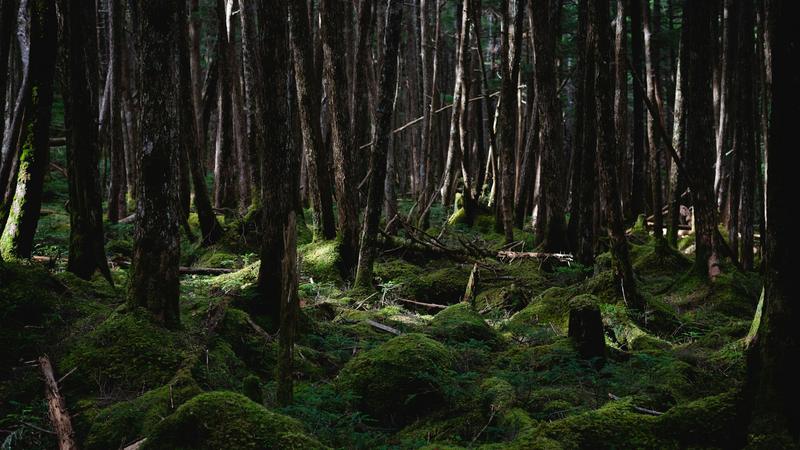
Japan's Wellness Circuit: Onsen, Forest Bathing, and Retreats Beyond the Hotel Spa
Shinrin-yoku in Yakushima's ancient cedar forest, Kusatsu's outdoor megabath, a silent retreat in Koyasan: Japan's wellness landscape extends well beyond what any hotel offers.
9 min read
Rail
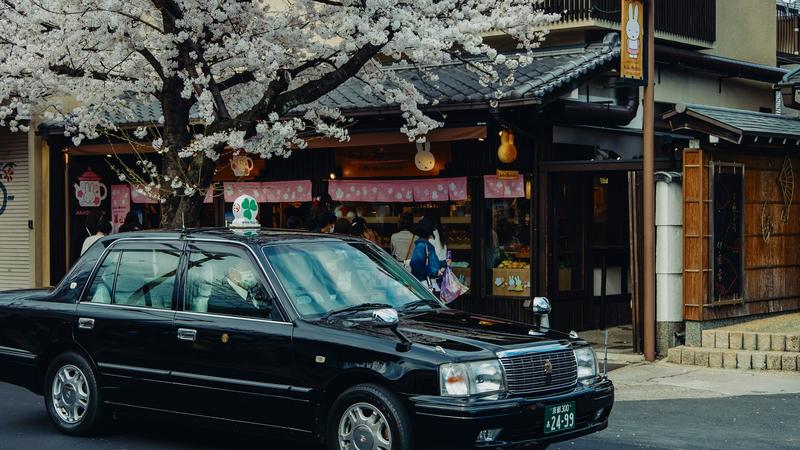
How Luxury Travelers Actually Move Around Japan
From Alphard hire cars to private helicopters over Mount Fuji: the transport options that define a high-end Japan trip.
6 min read
Japan's Luxury Trains: Mizukaze, Shiki-Shima, and Seven Stars
The Seven Stars, Twilight Express, and Shiki-Shima: Japan's fleet of luxury sleeper trains is among the finest in the world. How to book them and what to expect aboard.
8 min read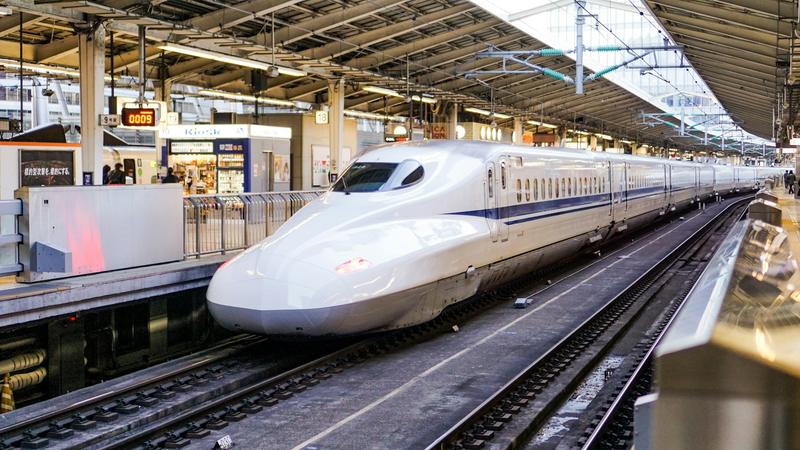
Japan's New Shinkansen Supreme Class: Private Cabins on the Bullet Train
From October 2026, the Tokaido Shinkansen introduces lockable private cabins above Green Car. Pricing, features, how to book, and who it makes sense for.
6 min read