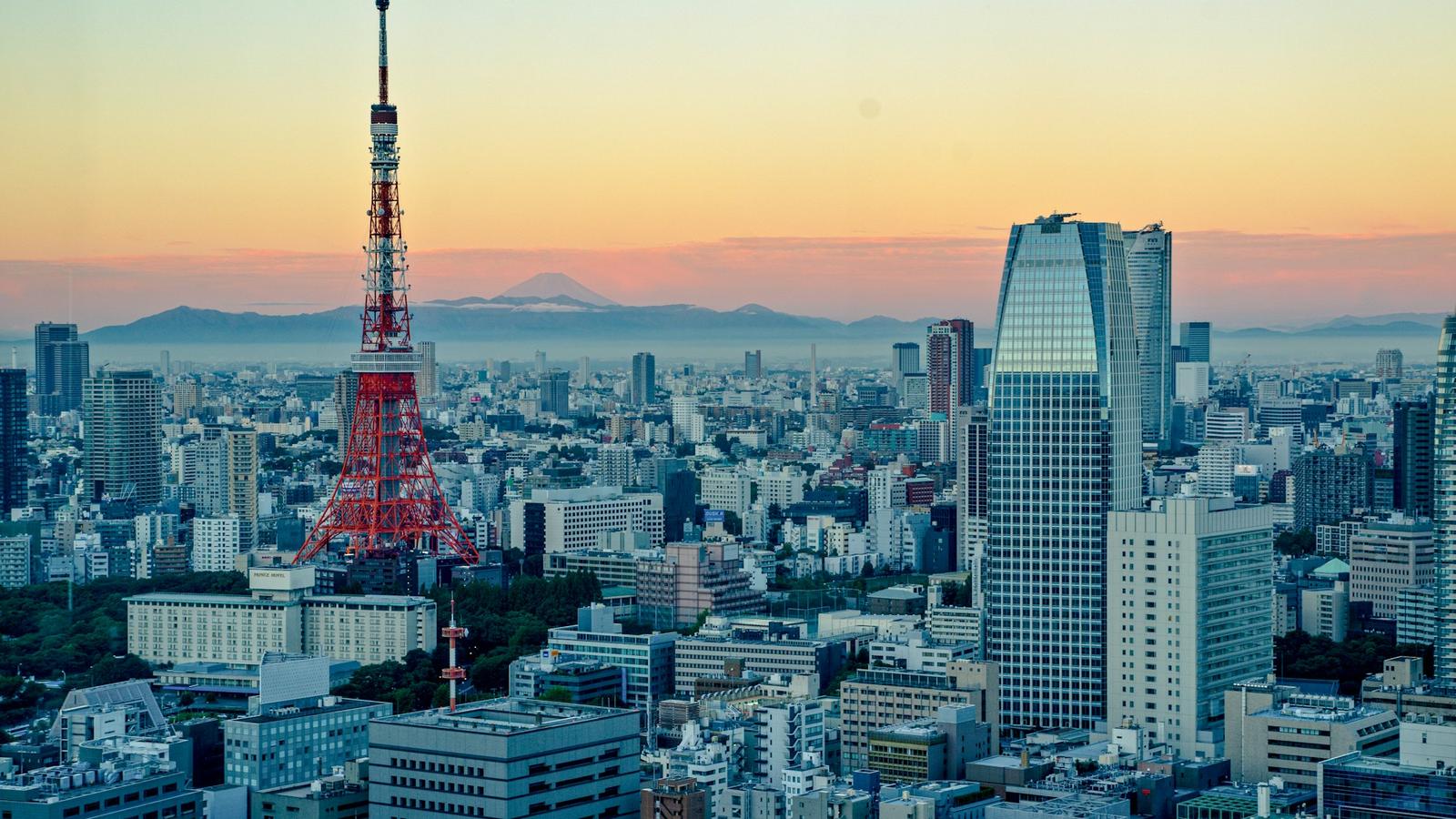
Most executives who travel to Tokyo for business leave with two consistent observations: the city is remarkably efficient, and the personal time on the trip was not used well. The meetings run on schedule, the transportation works, the hotel is excellent, but the hours between commitments are filled with convenience food and hotel bars rather than with the Japan that surrounded them.
This is a fixable problem. It needs planning in advance, which is what a good business trip needs anyway.
Key points
- The single change that makes the most difference on a Tokyo business trip is a private car and a driver who knows the traffic, speaks enough English to manage the day, and waits outside each meeting.
- For a free day, Hakone is about 90 minutes from central Tokyo by car. The ryokan lunch needs to be reserved before the trip, not from the hotel lobby on Friday afternoon.
- Tokyo is typically 13–14 hours ahead of New York and 8–9 hours ahead of London, so the hours between 4 and 6 AM can go to a market, a shrine or a garden before the crowds.
- Restaurants at this level need 4–6 weeks of notice, sometimes more. A trip whose dates are fixed six weeks ahead has a different set of options from one arranged the week before departure.
THE BLEISURE OPPORTUNITY IN JAPAN
Japan rewards the executive traveler in ways that most business destinations do not. The logistics are predictable: trains run on time, meetings start on schedule, taxis are clean and metered. Because so little goes wrong, the free hours in a Tokyo trip stay usable in a way they rarely do elsewhere.
The typical Tokyo business trip involves 2–4 days of meetings concentrated in a small number of districts. The geography is compact. A meeting in Marunouchi and a dinner in Ginza are 10 minutes apart. If the same dinner is at a kaiseki counter in Kagurazaka, it is 20 minutes. The gap between business Tokyo and cultural Tokyo is rarely a question of distance. It is a question of who booked what, and when.
THE TOKYO EFFICIENCY STACK
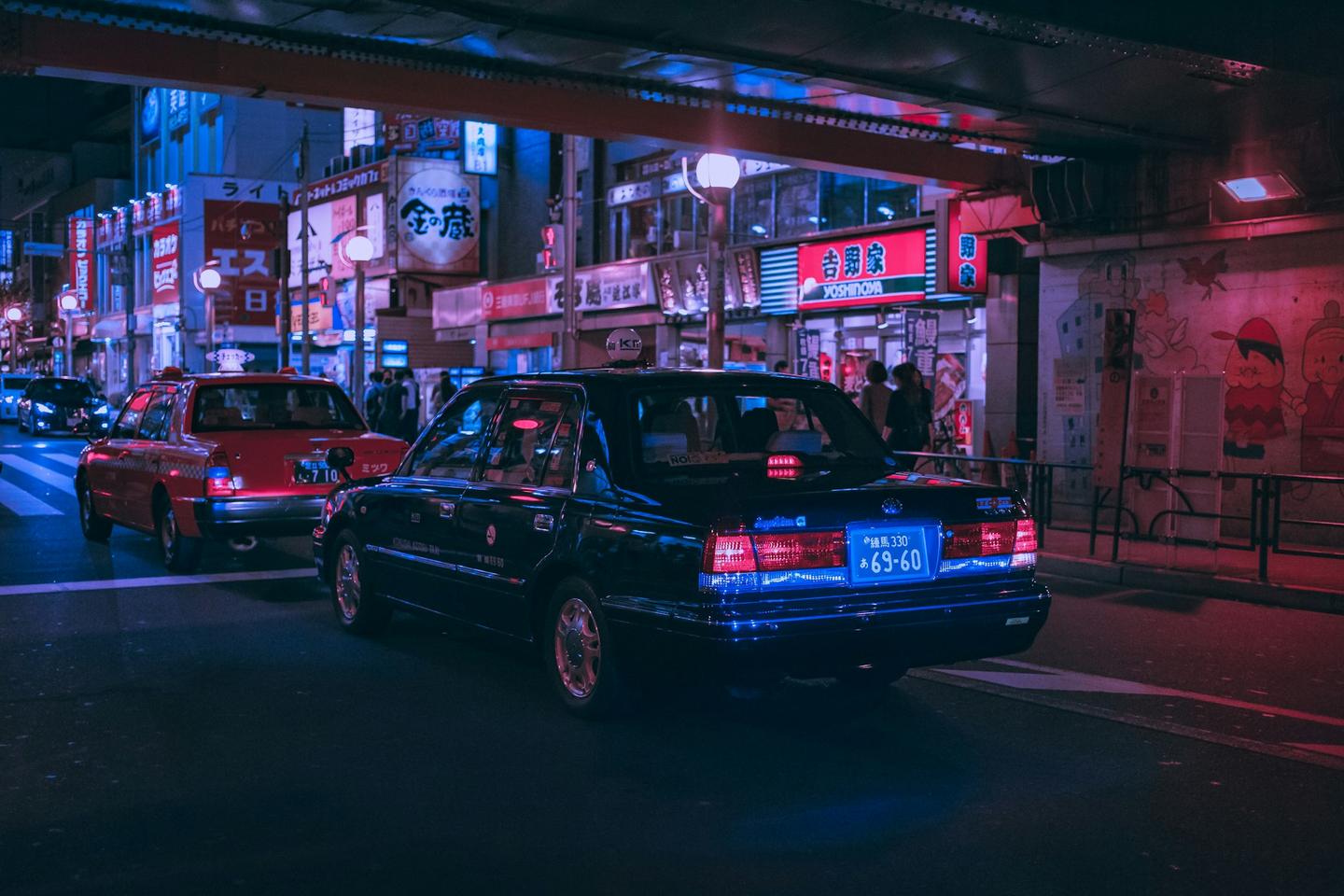
The single change that makes the most difference for an executive in Tokyo is a private car and driver, and the reason is practical rather than symbolic. A driver who knows Tokyo traffic, speaks enough English to manage the day, and waits outside each meeting removes every small navigation decision from a schedule that already demands your full attention.
An Alphard or Lexus LM seats four comfortably and is quiet enough to work in between locations. You can take a call, read through a document, or say nothing at all, which on a packed day is often the only rest available.
The same vehicle that handles morning meetings can, without changing any logistics, deliver a guest to a kaiseki dinner at 7 PM and collect them at 9:30. One driver who already knows the shape of the day saves explaining it three more times.
HAKONE: THE EXECUTIVE DAY TRIP
For executives with a free day in Tokyo, usually a Saturday when meetings pause, Hakone is the strongest option within reach of the city. The drive from central Tokyo takes approximately 90 minutes. The return drive is the same. In between, there is enough time for a ryokan lunch with private onsen, a walk through the volcanic landscape of Owakudani, and clear-day views of Mount Fuji across the lake.
For those who want to maximize time in Hakone and minimize transit, helicopter transfer is available. The flight from the Tokyo heliport takes approximately 20–25 minutes, and you land in the mountains instead of emerging from an expressway tunnel.
The key is that Hakone requires advance booking. The ryokan lunch, at properties like Gora Kadan or Fujiya Hotel, needs to be reserved before the trip. Arranging this from a hotel lobby on Friday afternoon is rarely successful.
USING JET LAG AS AN ASSET
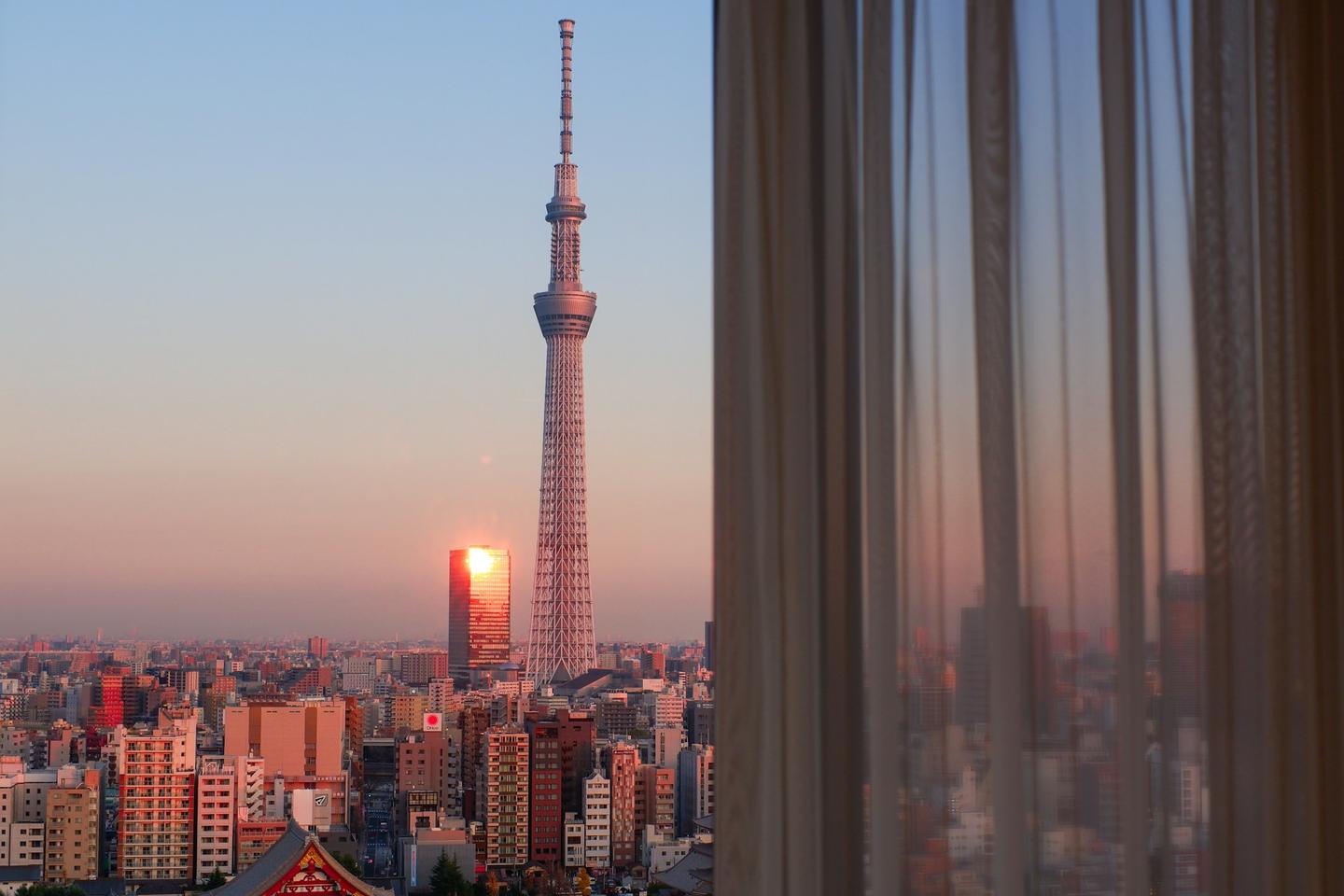
Tokyo is typically 13–14 hours ahead of New York and 8–9 hours ahead of London. Western travelers arriving at the start of a business trip often find themselves wide awake between 4 and 6 AM. In most cities that is an irritation. In Tokyo it is one of the most useful hours of the day.
Using those hours deliberately, rather than scrolling through email in a dark room, is the recommendation that comes back most often from executives who have been to Japan several times. Tokyo is quieter before seven, and easier to see.
THE 72-HOUR FRAMEWORK
For executives extending a business trip by two or three days, the 72-hour Tokyo framework is a useful structure. The goal is not to see everything, but to have three or four experiences that are worth the trip. A structured approach looks like this: one high-level restaurant experience (kaiseki or omakase counter), one cultural experience (private tea ceremony or museum visit), one day-trip (Hakone or Nikko), and one unstructured afternoon in a neighborhood that rewards walking, such as Yanaka, Shimokitazawa, or Koenji.
The critical variable is lead time. Restaurant reservations at the caliber this kind of trip warrants require 4–6 weeks of advance notice, sometimes more. A business trip that solidifies its dates 6 weeks ahead and immediately engages a specialist has access to a fundamentally different set of options than one that is arranged the week before departure.
"The business trip to Tokyo is worth taking seriously as a leisure opportunity. Everything needed for a good personal trip is already there. It just needs the same advance planning the meetings themselves received."
QUESTIONS, ANSWERED
Can I combine a business trip to Tokyo with leisure travel?
Yes. Tokyo is well-suited to bleisure travel. Japan's business culture is efficient by international standards, and meetings in Tokyo are typically concentrated in Marunouchi, Shinjuku, or Minato. A private car and driver removes the cognitive load of navigation, meaning the time between meetings can be genuinely restful. Adding 2–4 leisure days to a Tokyo business trip is common for executives who plan ahead.
How does private car hire in Tokyo work for business travelers?
Private car hire in Tokyo typically involves an Alphard or Lexus LM with a professional driver who speaks enough English to navigate appointments and make adjustments in real time. The vehicle is available for the full day, meaning it waits between meetings. This removes the unpredictability of taxis or public transport during a busy schedule and allows discreet, comfortable movement between locations.
Can I do a day trip to Hakone from Tokyo during a business trip?
Yes. Hakone is approximately 90 minutes from central Tokyo by private car. A full day in Hakone can include ryokan lunch, a private onsen session, and views of Mount Fuji on clear days. For executives with a free Saturday or Sunday in Tokyo, Hakone is the most efficient high-value escape. Helicopter transfer is also available for those who want to maximise time in Hakone and minimise travel.
How do I make the most of jet lag in Japan?
Japan's time zone, typically 13–14 hours ahead of New York and 8–9 hours ahead of London, means Western travelers often wake naturally between 4 and 6 AM. This window is one of the most valuable in Japanese travel: Tsukiji outer market opens at 5 AM, temple gardens and shrine precincts are empty before 7 AM, and a high-quality breakfast at a traditional ryokan or hotel restaurant is available from early morning. Using jet lag as a feature rather than fighting it as a bug is one of the most consistent pieces of advice for executives visiting Japan.
What does STAYGO offer for business travelers to Japan?
STAYGO builds the leisure component of a business trip around the executive's existing schedule: private car and driver coordination, restaurant tables timed around meetings, onsen or cultural experiences in gaps, and day-trip logistics for free days. The goal is a trip where the business calendar is handled efficiently and the personal time is genuinely restorative, not rushed tourism.
THE OTHER HALF OF YOUR TOKYO TRIP
STAYGO arranges the personal side of a Tokyo business trip, including car hire, restaurant tables, and Hakone day logistics, around the schedule you already have.
Begin planning →