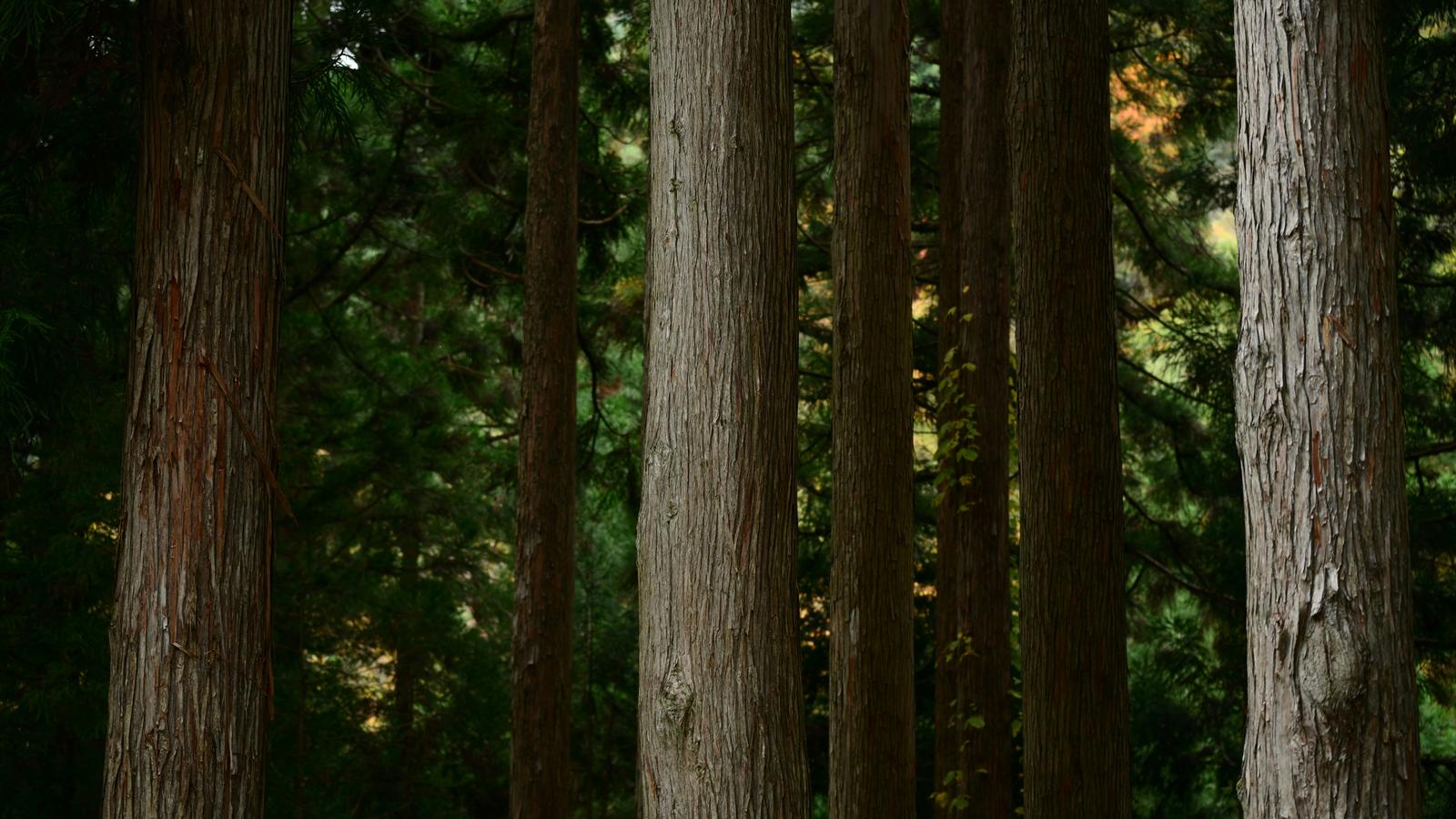
In the north of Japan, in Yamagata, three mountains have been walked as one pilgrimage for centuries. The Dewa Sanzan, Haguro, Gassan and Yudono, stand for the present, the past and the future, and to cross all three is to be born again. The guides are yamabushi, mountain ascetics in white robes who still train on these slopes, and at the foot of Mount Haguro their pilgrim lodges still take in guests for the night, with a dinner of mountain vegetables and sesame tofu.
Below is what the Dewa Sanzan are, what you see on Mount Haguro, which yamabushi trainings a visitor can join and what they cost, what a night in a pilgrim lodge is like, when to go and how to get there from Tokyo. We read Dewa Sanzan Shrine, the Agency for Cultural Affairs, Yamagata Prefecture, Tsuruoka City, UNESCO, Japan's national tourism organisation, the Haguro tourist association, the lodges and training companies, National Geographic Traveller, Shonai Airport and the local bus company on November 2, 2026, and did not contact any shrine or lodge; the sources are listed at the end. For zazen in Kyoto, see Zen Meditation in Kyoto: Where to Sit Zazen in English →.
Key points
- The Dewa Sanzan were recognised as Japan Heritage in 2016 as a journey of rebirth. Mount Haguro stands for the present, Gassan for the past and Yudono for the future.
- Mount Haguro can be visited all year, by 2,446 stone steps through cedars or, in winter, by car to the summit. Gassan was open from July 1 to September 15 in 2026, and Yudono from June 1 to November 3.
- Dewa Sanzan Shrine runs a three day training for men and women at ¥50,000 each August, in Japanese. A private three day training in English is listed at ¥620,000 with lodging and meals.
- Pilgrim lodges in Tōge charge around ¥10,000 a night with two meals, according to the Haguro tourist association. At the shrine's own lodge, Saikan, shōjin ryōri trays cost ¥2,750 and ¥3,850.
ASK US ABOUT A STAY ON MOUNT HAGURO →
THE THREE MOUNTAINS OF DEWA
Dewa Sanzan is the name for three mountains in the Shōnai region of Yamagata: Haguro, Gassan and Yudono. Dewa Sanzan Shrine explains that until the Edo period they were mountains of Shugendō, where Shinto and Buddhist worship were joined, and that the Haguro tradition of mountain asceticism has been handed down since the mountains were opened. In the Edo period ordinary people began to make the journey through all three, which the Haguro tradition calls the journey of three passes and three crossings.
The Agency for Cultural Affairs recognised the mountains as Japan Heritage in April 2016, the first listing in Yamagata, under the title of a journey of rebirth. Mount Haguro represents the present world, Gassan the past and Yudono the future. Tsuruoka City lists 31 heritage properties in the story, among them the National Treasure five storey pagoda and the shōjin ryōri of the Dewa Sanzan.
MOUNT HAGURO: THE STEPS AND THE PAGODA
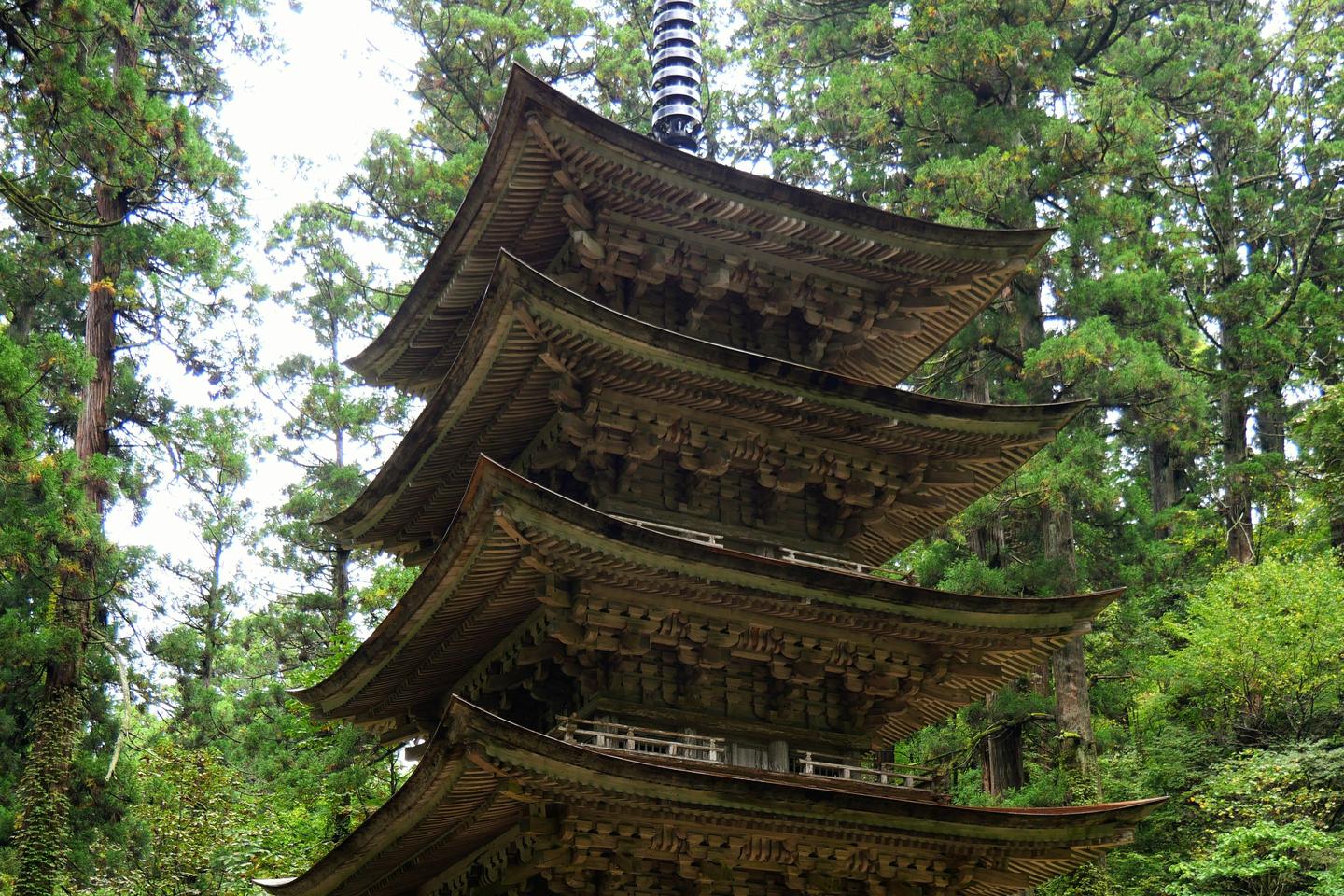
The climb begins at the Zuishinmon gate. From there 2,446 stone steps rise through an avenue of cedars to the summit, about an hour and a half on foot, according to the shrine. The Agency for Cultural Affairs puts the trees at 300 to 500 years old, with one, the grandfather cedar, more than 1,000. About ten minutes from the gate the pagoda stands alone among the trunks. The local bus company gives its height as 29.0 metres and notes that it was named a National Treasure in 1966; Japan Heritage's local council writes that the present tower is said to have been rebuilt in 1372.
At the top is the Sanjin Gōsaiden, the hall where the gods of all three mountains are worshipped together. Its thatched roof is 2.1 metres thick. A tea house on the second slope gives walkers a certificate for climbing the steps, free of charge.
YAMABUSHI TRAININGS A VISITOR CAN JOIN
Dewa Sanzan Shrine opens three of its trainings to the public, all in Japanese and all held in summer. The Rensei Shugyō Dōjō takes healthy men and women for three days across the three mountains and asks that they can walk about 15 km of mountain in six hours, bathe in cold water for purification and sit in seiza; in 2026 it ran in two sessions, August 1 to 3 and August 8 to 10, at ¥50,000. Guests with tattoos are not accepted. The autumn mountain retreat, for men, ran from August 26 to September 1 at ¥70,000, and the miko training, opened to women in 1993, from September 6 to 10 at ¥60,000. Applications for 2026 have closed, and phones and cameras are not allowed on the autumn retreat.
For guests who want English and their own dates, Yamabushido, a company based in Tōge, lists a private three day reset training at ¥620,000, available all year, with a bilingual yamabushi, lodging, transport within the programme and shōjin ryōri included; its five day group training is set for June and October 2027. Japan's national tourism organisation describes a typical three day programme as a purification at a Zen temple, a stay in a pilgrim lodge, night walks, meditation and a guided climb of Mount Haguro, led by certified Shugendō priests. National Geographic Traveller, writing in 2023, described a three day experience with another operator from £1,500 per person with meals and lodging.
A NIGHT IN A PILGRIM LODGE
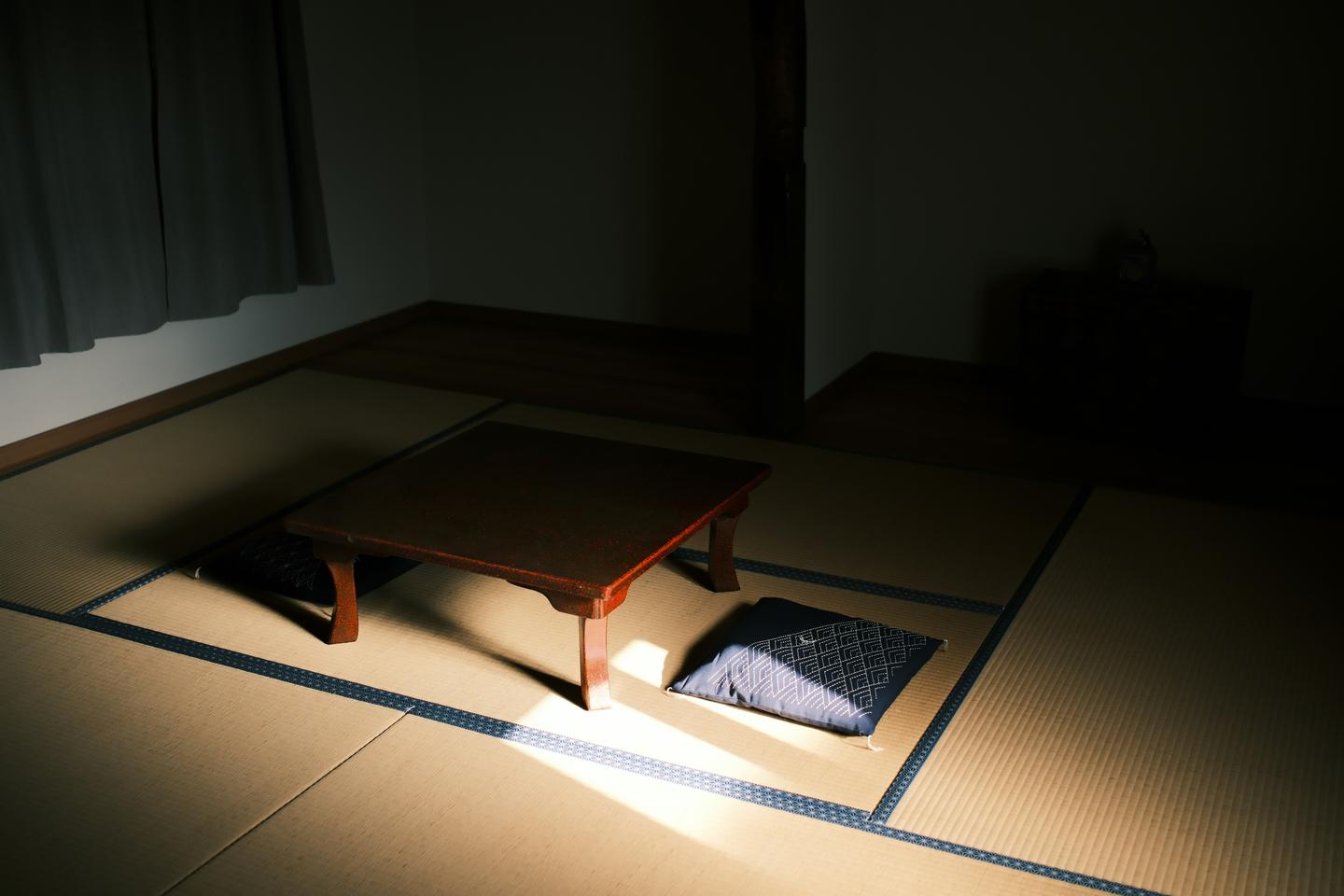
Tōge, the village at the foot of Mount Haguro, once had more than 300 pilgrim lodges, called shukubō, and yamabushi still run them today, the Agency for Cultural Affairs writes. The Haguro tourist association lists fourteen, with a night and two meals at around ¥10,000 and shōjin ryōri by advance reservation only. They differ: Daishōbō, a lodge of some four hundred years whose thirteenth master holds the highest rank of the Haguro yamabushi, takes up to 20 guests and welcomes visitors from abroad; Miyatabō takes up to 170 and has a hot spring.
Near the summit, Saikan, the shrine's own lodge, is the last of some thirty temple buildings that once stood on the mountain and a designated cultural property of Tsuruoka. It serves shōjin ryōri by reservation, seven dishes for ¥2,750 or ten for ¥3,850, with soup, rice and pickles, and asks guests to discuss a fully vegan meal in advance. A night with two meals starts at ¥13,200; most rooms are partitioned from larger halls, and few are fully private. For a fully private room, Kyukamura Shonai Haguro is a hotel on the mountain itself, close to the lodges.
THE FOOD OF THE MOUNTAINS
Shōjin ryōri here is the food of the pilgrimage. The Japan Heritage story names dishes after the landscape: sesame tofu as the island of Dewa, deep fried bamboo shoots from Gassan as its mountain huts, and simmered butterbur as the bridge over the purifying river. Tsuruoka, the city below the mountains, became Japan's first UNESCO Creative City of Gastronomy in 2014, and UNESCO's page cites the Shugendō of the Dewa Sanzan among its traditions, alongside mountain vegetables, mushrooms and rice.
WHEN TO GO
Mount Haguro is open all year. In winter the stone steps are not cleared of snow, so the climb is closed, and the shrine asks visitors to drive the cleared toll road to the summit with winter tyres. Gassan opens only in summer, from July 1 to September 15 in 2026, and Yudono from June 1 until noon on November 3. The shrine's trainings take place in August and September. Late spring and early autumn suit a walk up the steps; a snowy winter visit is quieter, by car, with the cedars under snow.
GETTING THERE
Shonai Airport's timetable shows five ANA flights a day each way between Haneda and Shonai, about an hour in the air. A connecting bus takes about 30 minutes to Tsuruoka Station for ¥1,000, and the Shonai Kotsu bus from Tsuruoka Station reaches the summit of Mount Haguro in about 53 minutes for ¥1,400, or the Zuishinmon gate in about 40. By rail, Japan's national tourism organisation gives about two hours by the Joetsu Shinkansen from Tokyo to Niigata and about 1 hour 50 minutes by the Inaho limited express on to Tsuruoka. A private car from the airport is simplest.
THREE QUIET DAYS
The plane lands in Shonai before lunch and the car takes the road across the rice fields to the mountain. In the afternoon the first steps from the Zuishinmon gate, the pagoda in the cedars, and the lodge by dusk. Dinner is a tray of mountain dishes in a tatami room, and the night is very still. After dark a yamabushi leads a short walk among the cedars. The next day is for the mountain and for silence, and the last morning for the summit hall, a slow breakfast and the drive back to the airport.
WHERE STAYGO COMES IN
For a stay on Mount Haguro we arrange the flights, the car from Shonai Airport, the lodge or hotel and the dinner, and the training or a guided climb with a yamabushi, with an interpreter wherever English is not offered. We tell each house in advance about diets and allergies, and we tell you plainly when a date is already full or a training is closed for the year. When you arrive, the room is ready and the next morning's walk is set. We arrange everything in your names, and you pay the lodges, guides, trainers and drivers directly at their own prices, with no commission or markup from us. Trips are planned on the Signature plan, for 7 to 14 days, or as Bespoke for longer or more complex journeys.
SOURCES AND HOW WE CHECKED
We read the pages below on November 2, 2026: Dewa Sanzan Shrine for its trainings, lodge, seasons and access; the Agency for Cultural Affairs, Yamagata Prefecture, Tsuruoka City and UNESCO for the heritage and the food; the tourism organisations, lodges and training companies for stays and programmes; National Geographic Traveller for a visitor's account; Shonai Airport and Shonai Kotsu for travel. We did not contact any shrine, lodge or guide.
- Dewa Sanzan Shrine, visiting (Japanese): year round worship, winter access, steps, Gassan and Yudono seasons
- Dewa Sanzan Shrine, Rensei Shugyō Dōjō (Japanese): dates, route, conditions and fee
- Dewa Sanzan Shrine, autumn mountain retreat (Japanese): dates, conditions and fee
- Dewa Sanzan Shrine, miko training for women (Japanese): dates and fee
- Dewa Sanzan Shrine, Saikan lodge (Japanese): shōjin ryōri, rooms and prices
- Agency for Cultural Affairs, Japan Heritage, a journey of rebirth (Japanese): the three mountains, the cedars, the pagoda, Tōge, the dishes
- Yamagata Prefecture, Dewa Sanzan Japan Heritage (Japanese): the first listing in Yamagata
- Tsuruoka City, Japan Heritage (Japanese): 31 heritage properties
- UNESCO Creative Cities Network, Tsuruoka: City of Gastronomy since 2014
- Dewa Sanzan Japan Heritage council (Japanese): Tōge and the pagoda
- Japan National Tourism Organization, Yamabushi Reset Training: a typical three day programme
- Japan National Tourism Organization, Yamabushi Shugyo and Training: rail times from Tokyo
- Haguro tourist association, pilgrim lodges and inns (Japanese): the fourteen lodges and typical rates
- Daishōbō pilgrim lodge (Japanese): history of the lodge
- Yamabushido, Private Reset Training: length, price and what is included
- National Geographic Traveller, a nature pilgrimage with the yamabushi, 2023: a visitor's account and price
- JTB, Kyukamura Shonai Haguro (Japanese): a hotel on Mount Haguro
- Shonai Airport, flights and access (Japanese): flights from Haneda and the bus to Tsuruoka
- Shonai Kotsu, Haguro and Gassan bus (Japanese): times, fares, the pagoda and the steps certificate
QUESTIONS TRAVELLERS ASK
Can foreign visitors join yamabushi training?
Yes. Dewa Sanzan Shrine runs public trainings each summer, in Japanese, including a three day programme for men and women at ¥50,000. For English, Yamabushido offers a private three day training all year, listed at ¥620,000 with lodging and meals.
Do I need to be very fit?
For the shrine's training, yes: it asks for good health, normal blood pressure and the strength to walk about 15 km across the mountains in six hours. A stay at a pilgrim lodge with a guided climb of Mount Haguro asks much less.
Can I visit Mount Haguro in winter?
Yes. The shrine on the summit is open all year. The stone steps are not cleared of snow, so in winter visitors drive the cleared toll road to the top with winter tyres. Gassan and Yudono close for the winter.
What is a shukubō, and how much does it cost?
A shukubō is a pilgrim lodge run by yamabushi. In Tōge, at the foot of Mount Haguro, a night with two meals costs around ¥10,000, and shōjin ryōri must be reserved in advance. Rooms are simple and often not fully private.
How do I get to Dewa Sanzan from Tokyo?
Fly from Haneda to Shonai, about an hour, then about 30 minutes by bus to Tsuruoka and about 53 minutes by bus to the summit of Mount Haguro. A private car from the airport is the simplest way.
ASK US ABOUT A STAY ON MOUNT HAGURO
Tell us when you would like to go. We will ask the lodges and the yamabushi about a quiet room and a walk at the hour that suits you, and come back with what they were able to confirm.
Begin planning →We reply within 24 hours, in writing
Some of the restaurants, bars and private places we arrange take guests only by introduction or membership. We do not publish their names.