Japan's luxury hospitality market has undergone a structural shift since 2022. What was once a destination where even premium properties could be booked three or four months out is now operating with the lead times of a European season, and in some categories, beyond. The combination of record international demand, a currency that makes Japan attractive to virtually every major market, and a limited pipeline of new luxury supply has created a booking environment that punishes complacency.
This is not a temporary condition. It reflects the new reality of Japan as a global luxury destination. Understanding the hierarchy of what fills fastest, and when to act on each category, is now a prerequisite for a well-executed Japan trip.
Key points
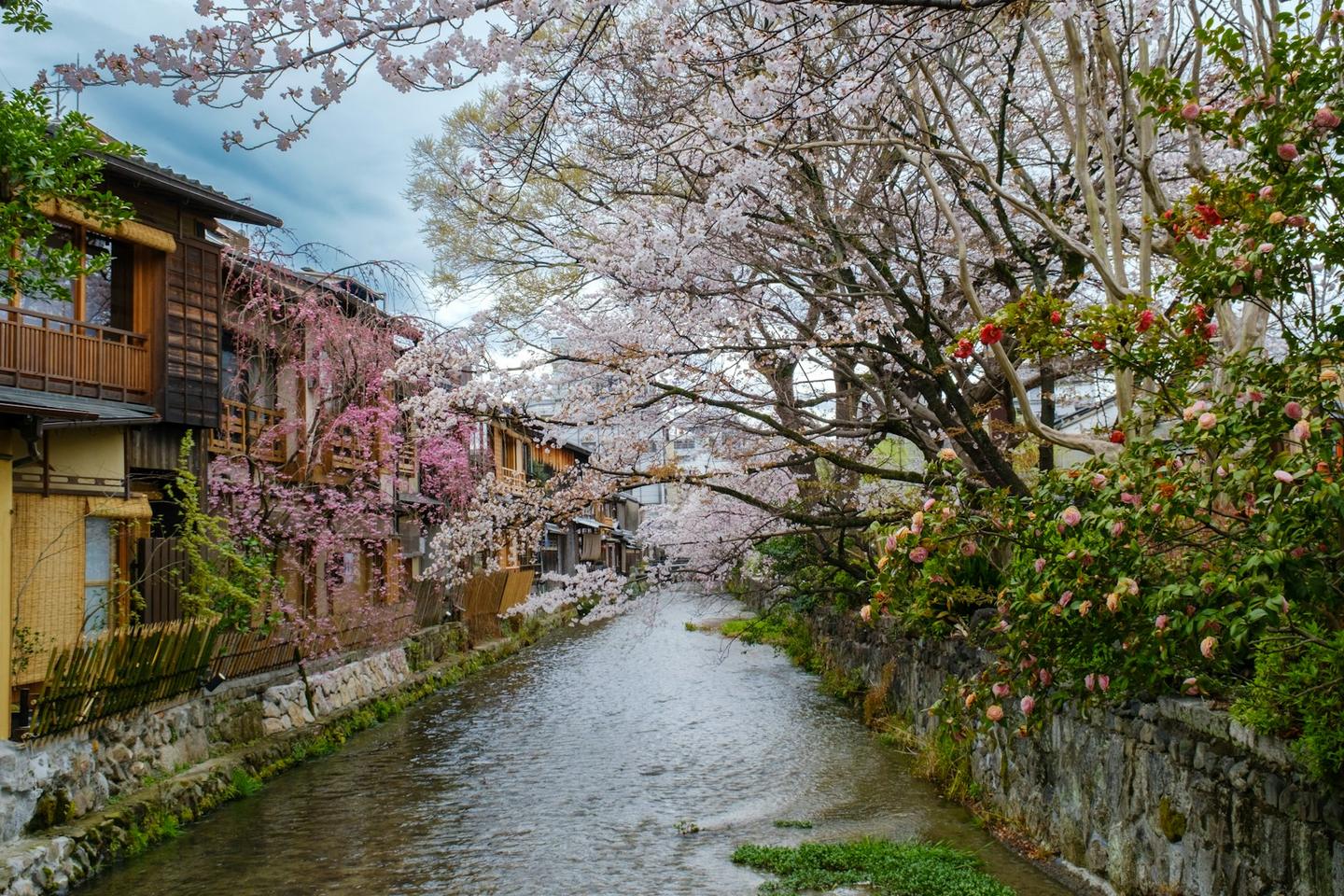
- For cherry blossom (late March to early April) and autumn foliage (mid-November), the finest ryokan in Kyoto, Hakone and Kyushu require twelve months' notice.
- Premium suites at Tokyo's top hotels need about 9 months for peak dates and 6 months for off-peak. Michelin-starred omakase counters and the better kaiseki restaurants book 3–6 months ahead.
- Gran Class seats, multi-day car hire and similar transport can usually be arranged at 3 months for off-peak travel, and private cultural experiences need 3–4 months. At six weeks out, options narrow significantly.
THE SITUATION IN 2026
Tokyo's top-tier hotel market, Aman Tokyo, The Ritz-Carlton, Palace Hotel Tokyo, Park Hyatt, Azabudai Hills, has tightened dramatically. Properties that would previously have had availability at 90 days are now running full at 6 months for desirable dates.
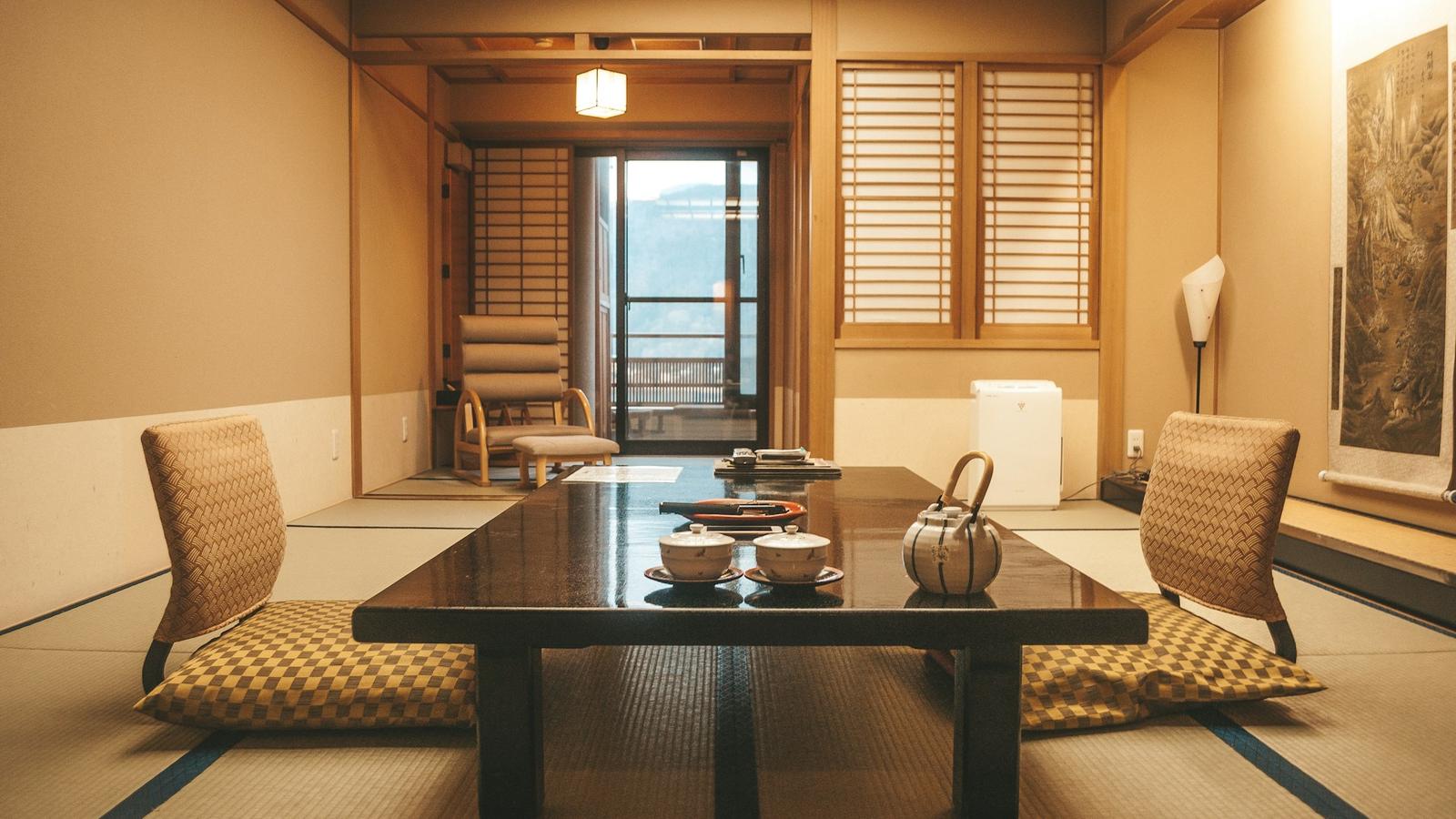
In Kyoto and Hakone, the premium ryokan tier has always operated with long lead times. This is not new. What is new is that properties once considered second-tier have now been elevated by the market and carry comparable booking difficulty. There is, effectively, no slack in the top-end accommodation market for any popular date range.
mo
mo
THE BOOKING TIMELINE
Japan has a hierarchy of scarcity. Not everything fills at the same rate. Understanding what to prioritize, and in what order, is the difference between a trip that achieves its full potential and one that settles for what's left.
For cherry blossom (late March – early April) and autumn foliage (mid-November), the finest ryokans in Kyoto, Hakone, and Kyushu require twelve months advance notice. Tawaraya, Gora Kadan, and equivalent properties fill at this lead time. Contact STAYGO now for any spring or autumn 2026 trip.
Premium suites at Aman Tokyo, The Ritz-Carlton Tokyo, and Park Hyatt Tokyo require 9 months for peak dates and 6 months for off-peak. Securing the specific room category matters. Accepting a lower room tier at a first-choice property is rarely the right decision for a trip planned at this level.
Michelin-starred omakase counters and the better kaiseki restaurants in Tokyo and Kyoto book 3–6 months in advance. The accessible tier (Tableall, Tablecheck, hotdog-style cancellation watch) is competitive but achievable at 3 months. The inaccessible tier, ryotei, chef's table experiences, invitation-only formats, requires parallel arrangement starting at 6 months.
Gran Class Shinkansen seats, private Alphard hire for multi-day journeys, helicopter charters, and boat experiences can usually be arranged at 3 months for off-peak travel. Cultural experiences, private temple access, artisan workshops, require 3–4 months lead time through the appropriate channels. At 6 weeks out, options narrow significantly.
WHAT THIS MEANS FOR YOUR TRIP
The practical implication is straightforward: the best Japan trip is not the one that is most flexible at booking time. It is the one that has committed to its key components earliest. A traveler who contacts STAYGO twelve months before their preferred cherry blossom dates has access to the full range of what Japan offers at the luxury tier. A traveler who contacts us at three months is working with significantly fewer options, not because we won't try, but because the market has already moved.
The counterintuitive reality of Japan luxury travel in 2026 is that early commitment unlocks flexibility later. When the key accommodation, restaurant, and transport elements are locked in early, adjustments are possible. When they are not, adjustments are the only thing on offer.
"The guests who have the best Japan trips are not the ones who are most spontaneous. They are the ones who planned with the longest lead time, and then enjoyed the freedom that gave them." How far ahead to start, season by season.
QUESTIONS, ANSWERED
How far in advance should I book luxury hotels in Tokyo?
For peak periods, cherry blossom (late March to early April) and autumn foliage (November), the best Tokyo hotels require 9–12 months advance booking. For off-peak travel, 6 months is the minimum for first-choice properties. Waiting until 3 months out means accepting what remains, which at the luxury tier is significantly compromised.
Why are Japan's best hotels so hard to book?
Japan's top-tier hotels, Aman Tokyo, The Ritz-Carlton Tokyo, Palace Hotel Tokyo, Azabudai Hills, have limited room counts, growing international demand driven by currency value, and limited new luxury supply (Tokyo's luxury hotel pipeline is slow). The combination creates structural scarcity at the upper end of the market.
Have luxury hotel prices in Japan increased recently?
Yes. Tokyo's top luxury hotels have seen nightly rates rise in yen terms since 2022, driven by post-pandemic demand recovery and increased international interest. In USD terms, the weak yen partially offsets this, meaning prices have risen significantly in local currency but remain relatively competitive for foreign visitors.
Which luxury hotels in Tokyo are the hardest to book?
Aman Tokyo, Park Hyatt Tokyo (particularly suites), The Ritz-Carlton Tokyo, Palace Hotel Tokyo, and the newer Azabudai Hills properties book out earliest for peak dates. Top ryokans in Hakone and Kyoto, such as Gora Kadan, Nakamuraya, and Tawaraya, often require 6–9 months lead time regardless of season.
What happens if I try to book a Japan luxury trip less than 6 months out?
Short lead-time bookings are possible but the options narrow significantly. First-choice hotels, specific ryokans, and peak-season dates become unavailable. Restaurants that require advance arrangement cannot be secured. The trip is possible, but the ceiling of what's achievable drops considerably below what a well-planned trip delivers.
START EARLIER THAN YOU THINK YOU NEED TO
STAYGO begins making arrangements the moment a client engages, not when dates are finalized. Contact us now and we'll show you what's available for your preferred timeframe.
Enquire now →