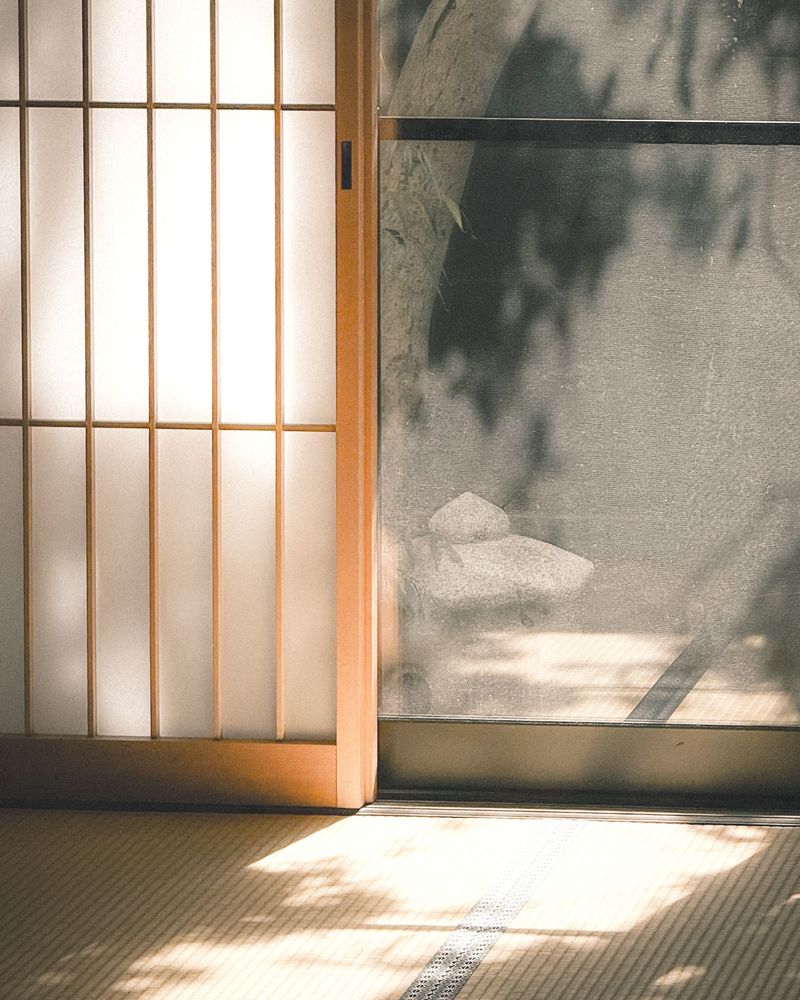
Keep a tatami room if you will use it for sleeping on futon, for guests or as a quiet room, and plan for ventilation, because tatami absorbs moisture and an empty home lets it build up. Worn mats can be turned, resurfaced or replaced by a tatami shop, while changing the room to wood flooring is building work that a condominium usually has to approve in advance because of noise to the unit below. A few freestanding mats laid on a wood floor give you a tatami corner without changing the floor at all.
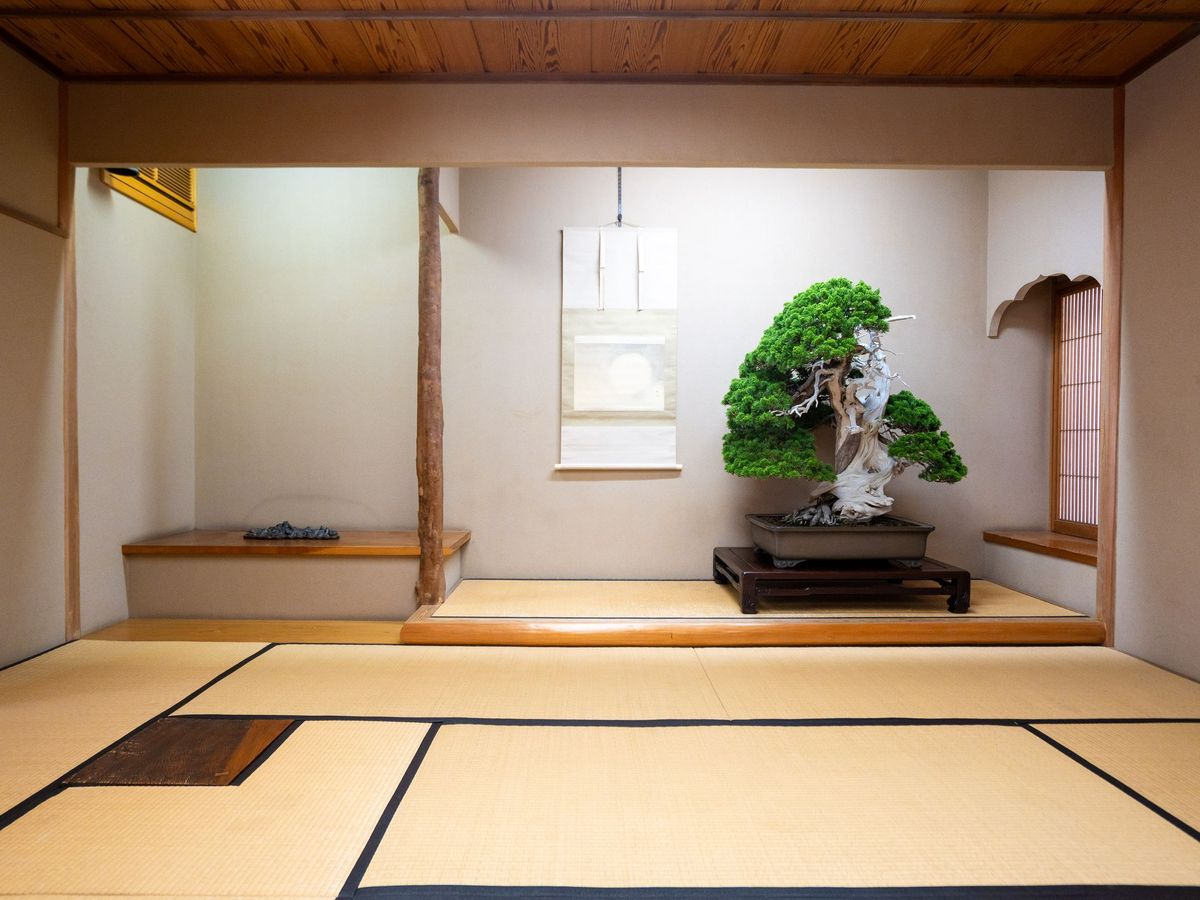
What tatami is made of
According to the All Japan Tatami Business Cooperative, a tatami mat has three parts: a thick core, a woven facing and a cloth edging. The core is traditionally rice straw, layered and compressed, with six-layer cores regarded as the higher grade. Two other cores are common today: straw with a polystyrene foam board in the middle, which is lighter and more resistant to damp, and a manufactured core of wood-fibre board and polystyrene foam.
The facing is woven from rush. The cooperative notes that long stems of even thickness and colour make the better facings. Edgeless mats are often faced with a rush that has a triangular stem. The edging protects the cut edge of the facing and is made of silk, hemp or cotton, and today also polyester.
Rush for facings is grown in Kumamoto Prefecture, whose rush facings were registered by the Ministry of Agriculture, Forestry and Fisheries as a Geographical Indication in February 2016, with production in Yatsushiro, Hikawa and Uki. When you are offered a new facing, ask where the rush was grown.
Turn, resurface or replace
A tatami shop offers three levels of renewal. Which one you need depends on the condition of the facing and of the core underneath.
Published guides from tatami shops give very different intervals for each step, so we do not quote a single schedule. Signs to look for are fading, fraying of the weave, soft or uneven spots underfoot, and gaps between mats. Ask a tatami shop to assess the mats; sending photographs first helps them suggest which option fits.
- Turning (uragaeshi): the facing is taken off and turned over to use its unworn side. It can be done only once per facing.
- Resurfacing (omotegae): a new facing and new edging go onto the existing core. This is the usual choice when the core is still sound.
- Replacing (shincho): new mats, core and all. This is needed when the core is damaged, the mats have gaps, or they no longer sit flat.
Mould and the empty home
The cooperative explains that tatami takes in moisture quickly and releases it slowly. In the rainy season and on humid days the mats absorb a lot of water vapour, and warmth then gives mould the conditions it needs. It also notes that mould on tatami is a warning that the room itself is too humid, which can harm other things in the room.
For an apartment that stays closed between visits, this is the main risk. Whoever looks after the home can open the windows on dry days, run the air conditioner's dry mode, vacuum along the weave and keep the room uncluttered so air moves. The cooperative also advises against drying laundry indoors and against pushing furniture flat against the walls.
If mould appears, the cooperative's method is to spray undiluted vinegar onto it, dry the room thoroughly, vacuum gently along the weave (a vacuum with a HEPA filter is preferred), lift what remains in the weave with a toothbrush, then wipe with disinfectant alcohol. Keep vinegar away from the edging, which can discolour, and from metal.
Furniture on tatami
Heavy furniture with legs, such as a desk or a piano, damages tatami. The cooperative advises placing a board under such pieces. For small dents, it suggests misting the spot lightly, covering it with a damp towel and pressing with an iron, then wiping it dry.
Tatami rooms work best with low, light furniture that spreads its weight: a low table, floor cushions or low chairs with wide bases, and a futon that is folded away during the day. Leave space empty. Ma, the Japanese idea of the interval between things, is what makes a tatami room feel calm, and it also lets air reach the mats.
Changing a tatami room to wood flooring
In a condominium, replacing tatami with wood flooring is usually not your decision alone. Under Article 17 of the Standard Condominium Management Bylaws published by the Ministry of Land, Infrastructure, Transport and Tourism (MLIT), an owner who plans repair or remodelling that may affect the common parts or other units must apply to the president of the management association, attach drawings, specifications and a schedule, and obtain approval in advance.
MLIT's commentary on the model bylaws (2025 revision) lists flooring work as a typical example. For work that replaces floor materials, it says the association should confirm that sound insulation is at least as good as when the building was new, and that a building may set conditions such as a minimum sound insulation rating. The check is about noise reaching the unit below.
Each building has its own bylaws and use regulations. Before you ask for quotes, ask the management company whether flooring work needs approval, which sound rating is required, and how long approval takes. The work itself is done by a contractor you engage directly. A detached house has no association approval, but the same sound and moisture questions are worth asking a licensed architect or contractor.
A tatami corner instead
If you want both a wood floor and a place to sit on tatami, freestanding mats can be laid on an existing floor. They come in different sizes and thicknesses, with or without edging. Laid loose, they involve no building work and can be lifted, aired or moved.
A corner of four to six mats is enough for a low table and cushions, or for a futon for a guest. Choose a thin mat if people will walk across its edge, and lift the mats from time to time to air both sides, since the floor underneath dries more slowly than an open room.
How STAYGO ATELIER can help
STAYGO ATELIER can choose tatami mats for a tatami corner, low furniture, futon and craft for a tatami room with a designer's eye, then arrange the purchase and shipping. You pay the shops and makers directly. We do not lay or install mats, carry out flooring work or apply to the management association.
Questions owners ask
Should I keep the tatami room in my Japanese apartment?
Keep it if you will sleep on futon, host guests or want a quiet room, and if someone can air the home while you are away. If the room will sit unused and closed, a wood floor or a smaller tatami corner may suit you better.
How often should tatami be replaced?
There is no single schedule. Tatami can be turned once, resurfaced with a new facing while the core is sound, and replaced when the core is damaged; ask a tatami shop to assess fading, fraying, soft spots and gaps.
How do I prevent mould on tatami while I am away?
Ask whoever looks after the home to open windows on dry days, run the air conditioner's dry mode, vacuum along the weave and keep furniture away from the walls. The All Japan Tatami Business Cooperative also advises against drying laundry indoors.
Can I replace tatami with wood flooring in my condo?
Often yes, but usually only with the management association's prior approval. MLIT's model bylaws list flooring work as an example that needs approval, and a building may set a sound insulation requirement, so ask the management company first.
This article is general information based on MLIT's model bylaws and commentary and on guidance from the All Japan Tatami Business Cooperative as published on the dates shown, and is not legal advice. Your building's own bylaws and use regulations apply. For a specific case, ask your building's management company, a licensed architect, or the relevant office.
Sources
- All Japan Tatami Business Cooperative, 畳の構造 (Structure of tatami, Japanese) (2026)
- All Japan Tatami Business Cooperative, 畳のお手入れ (Tatami care, Japanese) (2026)
- All Japan Tatami Business Cooperative, カビについて (About mould, Japanese) (2026)
- Ministry of Agriculture, Forestry and Fisheries, GI registration No. 9: くまもと県産い草畳表 (Kumamoto rush tatami facing, Japanese) (2016)
- MLIT, マンション標準管理規約(単棟型)コメント (Standard Condominium Management Bylaws with commentary, Japanese) (2025)
- Condominium Management Center, Standard Condominium Management Bylaws (Single Building Type), provisional English translation (2026)
- MLIT, For Foreign Building Unit Owners: Condominium Management in Japan (first edition) (2026)