Two well-known furniture regions in Japan are Hida-Takayama in Gifu, where chair-making began in 1920 on a woodworking tradition reaching back to the building of the ancient capitals, and Asahikawa in Hokkaido, where the makers' cooperative sets a standard for Hokkaido hardwoods. You can order from makers in either region for a Tokyo home: see the pieces at regional events or showrooms, check sizes against your rooms and the building's lift, and agree lead time and delivery with the maker in writing.
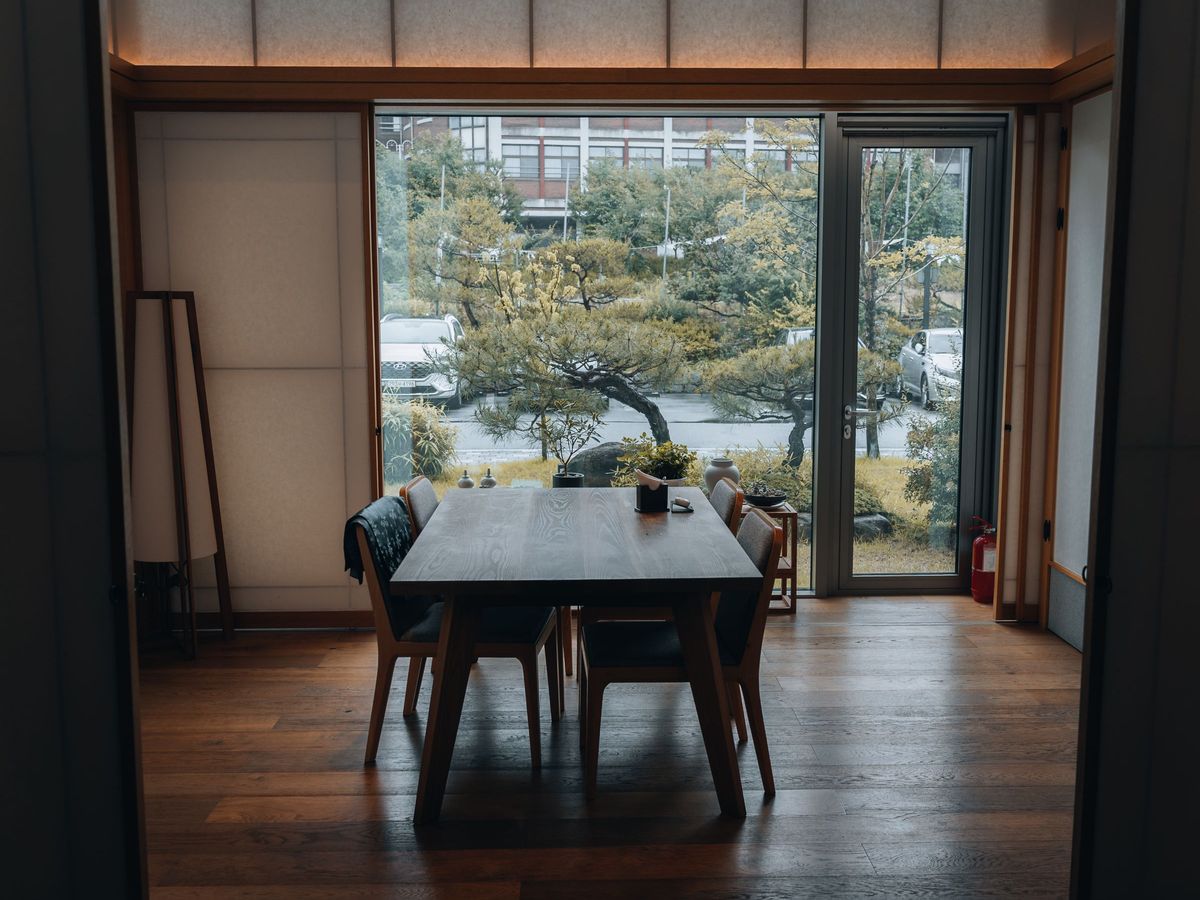
Japan's furniture regions
Furniture in Japan is made in regions where timber, skills and workshops gathered over generations. Some are known for modern chairs and tables made by groups of companies; others for chests and cabinetwork made largely by hand.
Several of the latter are designated traditional craft products by the Minister of Economy, Trade and Industry, which had designated 244 items in total as of October 2025. Two examples: Sendai tansu chests from Miyagi, designated in 2015, made with zelkova, a clear urushi lacquer finish and hand-forged iron fittings; and Osaka karaki sashimono, cabinetwork in rosewood, ebony and other imported hardwoods, designated in 1977. Hida and Asahikawa are mostly the first kind: furniture companies that design and produce in the region and sell across Japan.
Hida
Hida is the mountain area around Takayama in northern Gifu Prefecture. Its furniture makers belong to the Hida Woodworking Federation (Hida Mokko Rengokai), based in Takayama, whose website lists 24 member companies in Takayama and Hida cities. The federation uses the name Hida no kagu (Hida furniture) as a registered mark.
The federation traces the region's woodworking to the Hida no takumi, the Hida carpenters who worked on the ancient capitals at Heijo (Nara) and Heian (Kyoto). Its account of modern furniture starts in 1920, when chair-making began in the town of Takayama. Local beech had been used only for charcoal and the teeth of wooden clogs until two engineers showed it could be bent into furniture; the new company set out to make Thonet-style bentwood chairs and, according to the federation, took about two years to produce chairs it was confident in.
The federation organises the Hida furniture festival in Takayama and Hida each autumn. Check its website for dates before planning a trip.
Asahikawa
Asahikawa is a city in central Hokkaido. The Asahikawa Furniture Industry Cooperative brings together makers in Asahikawa and the surrounding towns. Its website sets out a standard for its Hokkaido timber furniture: more than 80% of the visible wood surface must be broadleaf trees felled in Hokkaido, such as birch, oak, Japanese ash (tamo), walnut, cherry and maple.
The cooperative's site also records tree planting with member makers from 1992 and a Hokkaido timber project launched in 2014. Its showroom, the Asahikawa Design Center, is at 1-35 Nagayama 2-jo 10-chome, Asahikawa; check its opening days on the cooperative's site. Asahikawa also hosts the International Furniture Design Competition Asahikawa (IFDA); entries for IFDA 2027 open on 1 July and close on 11 December 2026.
Choosing a regional piece for a Tokyo home
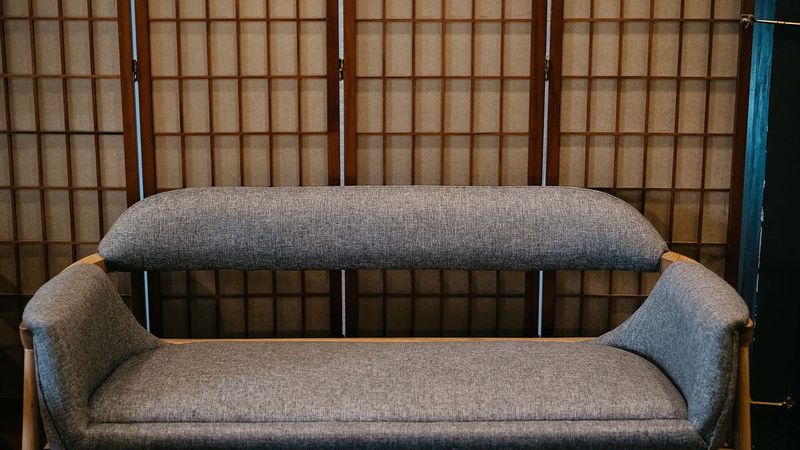
Regional furniture sits well in a Japandi home: solid hardwood, simple joinery and finishes you can see and touch. It also connects to mingei, the idea of well-made things for daily use. The practical choices matter more than the label.
Solid wood takes up and releases moisture with the seasons, and a Tokyo apartment left closed for weeks can swing between humid summers and dry, heated winters. Tell the maker how the home is used and ask what they recommend for the wood and finish, and where the piece should not stand, such as next to a window or an air conditioner outlet.
Ask each maker the same questions so you can compare.
- Which wood species, and whether it is solid wood or veneer on a board
- Which finish: oil, urethane or urushi, and how to care for it
- Exact dimensions and weight, including seat height for chairs and the table they will join
- Whether the piece arrives assembled, and whether it can be taken apart
- Whether the maker offers repairs or refinishing later, and how to arrange them from abroad
Ordering from abroad: sizes, lead times and delivery to Tokyo
Lead times depend on the maker, the piece and whether it is made to order. We could not confirm a typical figure that applies across regions, so ask each maker for a date in writing, along with what happens if the date moves.
Before you order, measure the route into your apartment: the building entrance, the lift interior and door, corridors, and the apartment's own doors and turns. Your building may ask for notice of large deliveries or a lift reservation; check its rules with the management office.
Agree in writing who carries the piece into the apartment, whether packaging is taken away, and who is present to receive it. Makers are paid directly by the owner, so keep the invoice, care notes and the maker's contact details together for the next visit.
Seeing pieces before you order
Sit in a chair before you buy a set. Regional events are the most complete way to see a range at once: the autumn Hida festival in Takayama, and Asahikawa's design week and makers' exhibitions. The Asahikawa cooperative's site lists its next Meet up furniture exhibition for 19 to 21 May 2027.
The Hida federation's website posts showroom information for each member company, and some makers list showrooms on their own websites. Confirm addresses and opening days on each maker's official site, and ask for a wood and finish sample if you cannot visit.
How STAYGO ATELIER can help
STAYGO ATELIER can choose furniture from Hida, Asahikawa and other regions with a designer's eye, compare makers' answers on wood, finish and size for you, and arrange the order and shipping. You pay makers directly; we do not visit the home or install the pieces.
Questions owners ask
What is Hida furniture?
Furniture made by companies in the Hida-Takayama area of Gifu, belonging to the Hida Woodworking Federation. Chair-making there began in 1920 with bentwood beech chairs, building on the region's older carpentry tradition.
What makes furniture Asahikawa furniture?
It is made by members of the Asahikawa Furniture Industry Cooperative in and around Asahikawa, Hokkaido. For its Hokkaido timber furniture, the cooperative requires more than 80% of the visible wood surface to be broadleaf trees felled in Hokkaido.
Where can I see Hida or Asahikawa furniture before buying?
At regional events such as the autumn Hida furniture festival in Takayama, at the Asahikawa Design Center in Asahikawa, and at showrooms that individual makers list on their own websites. Check dates and opening days on the official sites first.
Can I order furniture from Japanese regional makers for my Tokyo home while living abroad?
Yes. Confirm the dimensions, finish, lead time and delivery terms in writing, measure the route into your apartment, and check your building's rules for large deliveries.
How long does made-in-Japan furniture take to arrive?
It depends on the maker and the piece. We could not confirm a general figure, so ask each maker for a written delivery date.
Building rules on deliveries and lift use are described here as general information only. For a specific case, ask your building's management company, a licensed architect, or the relevant office.
Sources
- Hida Woodworking Federation (協同組合飛騨木工連合会), origin of Hida furniture (2026)
- Hida Woodworking Federation, Hida furniture festival (2026)
- Asahikawa Furniture Industry Cooperative (旭川家具工業協同組合) (2026)
- International Furniture Design Competition Asahikawa (IFDA) (2026)
- Miyagi Prefecture, Sendai tansu (仙台箪笥) (2026)
- Osaka Prefecture, Osaka karaki sashimono (大阪唐木指物) (2022)
- Ministry of Economy, Trade and Industry, designation of Tokyo Tebori Insho as a traditional craft product (244 items) (2025)
- Monocle, Hida furniture festival in Takayama (2017)