In Japan, design drawings for construction and the supervision of works are done by a licensed architect (kenchikushi) working through a registered architect office, and the building work by a contractor, who needs a construction business licence once a single contract reaches ¥5 million including tax for most types of work. You sign the design and supervision contract directly with the architect office and the construction contract directly with the contractor. Choosing, arranging and shipping furniture and craft is separate work that needs neither licence.
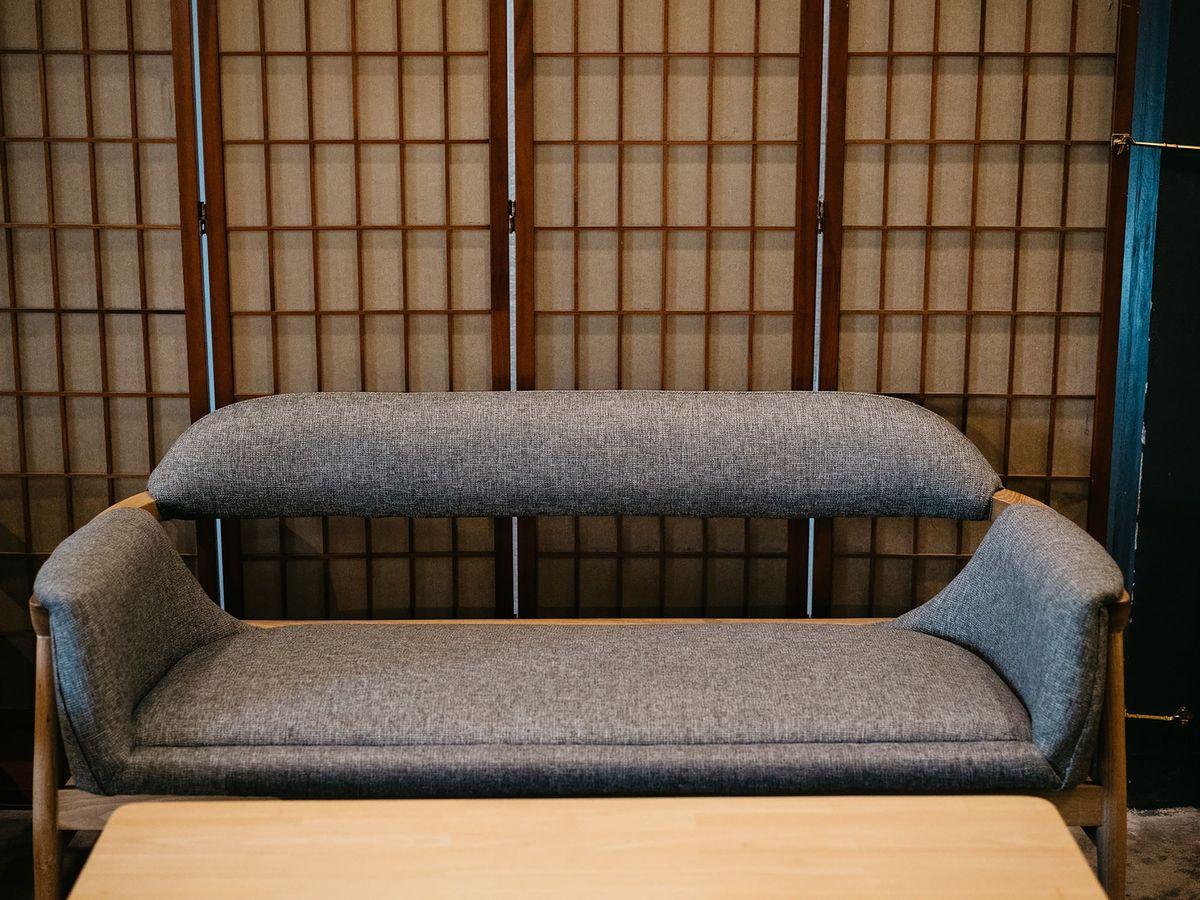
Furnishing, interior work and building work are different
It helps to sort a project into three kinds of work before you hire anyone. Furnishing means choosing and placing freestanding furniture, lighting, rugs, art and craft. Interior work means changing finishes and fittings inside the unit: flooring, built-in storage, kitchen and bathroom, wiring and pipes. Building work includes changes to the structure, the layout and the parts of the building that affect safety.
Japanese law regulates the second and third kinds through two laws. The Act on Architects and Building Engineers (kenchikushi ho) covers design and the supervision of works. The Construction Business Act covers the business of contracting construction work. Both define their scope by the work done, so the title a person uses does not decide which rules apply. If you own a condominium, your building's bylaws add a third layer: work that may affect the common parts or other units needs the management association's approval first.
Licensed architects (kenchikushi)
Japan has three grades of licensed architect: first-class (ikkyu kenchikushi), licensed by the Minister of Land, Infrastructure, Transport and Tourism; second-class, licensed by a prefectural governor; and wooden-structure architects, also licensed by a governor (Article 2). The law defines design as preparing, under one's own responsibility, the drawings and specifications needed to carry out construction, and supervision as checking, under one's own responsibility, that the work matches those drawings.
Articles 3 to 3-3 reserve design and supervision of larger buildings to licensed architects. For example, only a first-class architect may design or supervise a new reinforced concrete or steel building of more than 300 square metres, more than 16 metres high, or with four or more storeys above ground. For extensions, reconstruction and major repair or remodelling, the part concerned is treated as new. Under the Building Standard Act, major remodelling means remodelling more than half of one or more kinds of the building's principal structural parts, such as walls, columns, floors and beams. Whether your project reaches that line is a question to put to a licensed architect.
Anyone who designs or supervises for others for a fee as a business must register an architect office with the prefectural governor (Article 23). Before signing, the office must have its architect explain the contract in writing, including the drawings to be produced, the architect's name and grade, the fee and how the contract can end (Article 24-7). People who are not licensed may not use the title of architect or a confusingly similar one (Article 34).
Contractors and the construction business licence
A business that contracts to complete construction work needs a licence from the governor or the minister (Construction Business Act, Article 3). The exception is for minor work only. Under the enforcement order, minor work means a contract under ¥5 million, or under ¥15 million or a wooden house under 150 square metres for whole-building work. MLIT states that these amounts include consumption tax. If one job is split into several contracts, the amounts are added together, and if the client supplies materials, their market price is added.
Interior finishing is one of the listed types of construction work. Whatever the amount, the law asks both parties to a construction contract to put the main terms in writing, including the work, the price, the start and finish dates and how changes are handled, and to sign and exchange it (Article 19).
Where interior designers fit
Interior designers in Japan may hold private qualifications. We could not find a national licence required to advise on furniture, colour and the arrangement of a room. When a designer's work moves into preparing drawings and specifications for construction, or into taking on the construction itself, the rules above apply in the same way as to anyone else.
In practice, ask any designer which parts of the project they will do themselves, which parts a licensed architect office will do, and who will sign the construction contract with you.
Who you sign with
For design and supervision, you sign directly with a registered architect office. The law does not let an office pass the design or supervision it has accepted to anyone other than another registered office, even with the client's consent (Article 24-3).
For the work itself, you sign directly with the contractor, and you hold the written contract. In a condominium, you also apply as the owner to the management association, with the drawings, specifications and schedule that the model bylaws ask for, prepared by your architect or contractor.
Furniture, lighting and craft are bought from the maker or shop. If someone helps you choose them, check whether you pay the seller directly and whether that person receives anything from the seller.
What a furnishing studio can and cannot do
A furnishing studio such as STAYGO ATELIER works in the first kind of work only. It chooses furniture, lighting, craft and art with a designer's eye, arranges the orders and has them shipped. It does not prepare drawings for construction, supervise works, contract construction, or find or sell property.
When a home needs interior or building work as well, the studio's role sits beside the architect and the contractor. It can share the dimensions, weights and delivery dates of the pieces it arranges, so the people you have hired can plan around them.
This is general information only. For a specific case, ask your building's management company, a licensed architect, or the relevant office.
Questions to ask before you hire anyone
These questions help you see who is responsible for what before anything is signed.
- Are you a licensed architect, and what is the registration of your architect office?
- Do you hold a construction business licence, and for which type of work?
- Who will prepare the drawings and specifications for the management association?
- Who will I sign each contract with, and will I receive it in writing?
- Do you receive any fee or commission from makers, shops or contractors you recommend?
How STAYGO ATELIER can help
STAYGO ATELIER chooses the furniture, lighting, craft and art you want with a designer's eye, arranges each order and has it shipped, and you pay the makers and shops directly. Design, supervision of works and construction are contracted directly between you and a licensed architect office and a licensed contractor; we do not take on any of them.
Questions owners ask
Do I need a licensed architect to renovate my apartment in Japan?
The law reserves design and supervision to licensed architects for new buildings above set sizes and for extensions, reconstruction and major repair or remodelling of the structure. Many interior-only changes may fall below that line, but your building may still ask for drawings and specifications, so ask a licensed architect about your case.
Can an interior designer manage my renovation in Japan?
A designer can advise and coordinate, but construction drawings and supervision covered by the Act on Architects need a licensed architect office, and building work above ¥5 million including tax needs a licensed contractor. You sign directly with each of them.
What is a kenchikushi?
A kenchikushi is a licensed architect under the Act on Architects and Building Engineers, in three grades: first-class, second-class and wooden-structure. To design or supervise for a fee as a business, they must work through a registered architect office.
Does a contractor need a licence for a small job?
A contractor that takes on only minor work does not need one. For most types of work, minor means a contract under ¥5 million including tax; above that, the contractor needs a construction business licence for that type of work.
This article is general information based on Japanese law and MLIT guidance as published on the dates shown, and is not legal advice. For a specific case, ask your building's management company, a licensed architect, or the relevant office.
Sources
- e-Gov, 建築士法 (Act on Architects and Building Engineers) (2026)
- e-Gov, 建設業法 (Construction Business Act) (2026)
- e-Gov, 建設業法施行令 (Order for Enforcement of the Construction Business Act) (2026)
- e-Gov, 建築基準法 (Building Standard Act) (2026)
- Ministry of Land, Infrastructure, Transport and Tourism (MLIT), 建設業の許可とは (Construction business licence, Japanese) (2025)
- MLIT, マンション標準管理規約(単棟型)コメント (Standard Condominium Management Bylaws with commentary, Japanese) (2025)