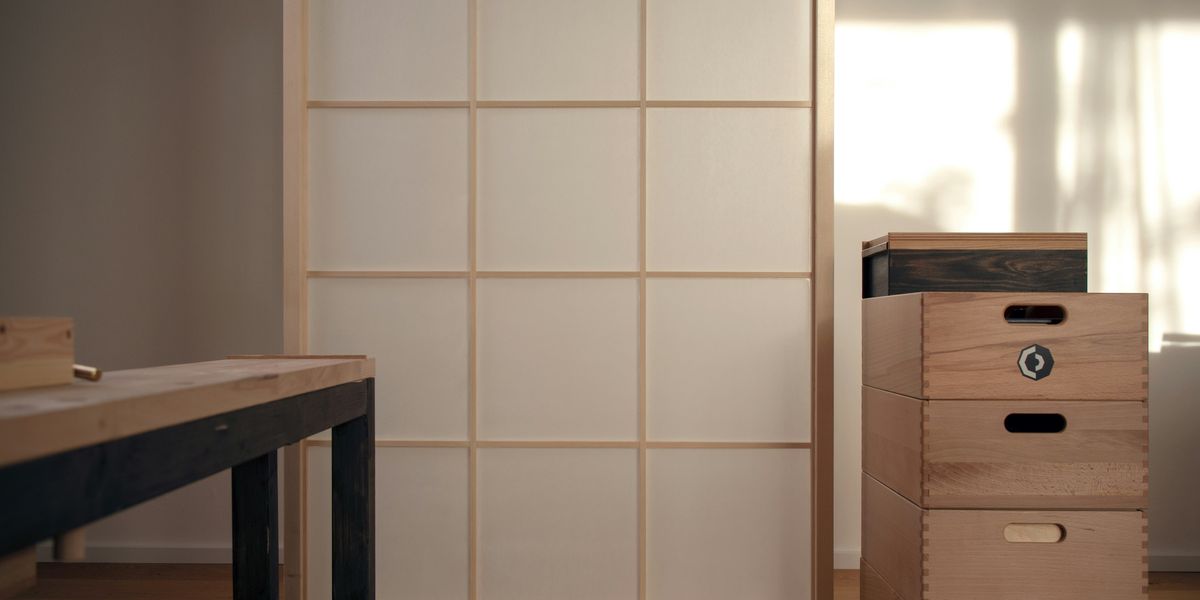
Washi
Handmade Japanese paper that softens daylight. Light, strong and easy to renew.
What it is
Washi (handmade Japanese paper) is made from the inner bark of shrubs, most often kozo (paper mulberry).
The long fibres make it strong and light, and let daylight through softly. It is one of the everyday materials the mingei (Japanese folk craft) movement valued: made by hand and meant to be used.
Where it works in a home
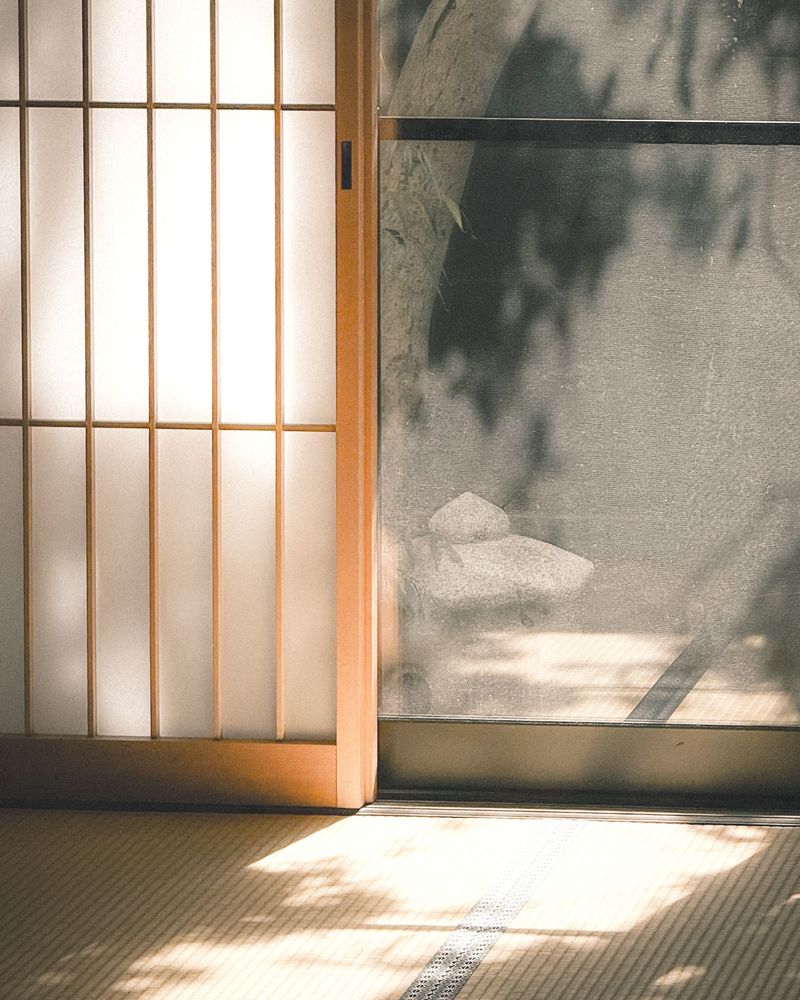
Shoji (paper sliding screens), pendant and floor lamps, wall and ceiling panels, and fusuma (opaque sliding doors).
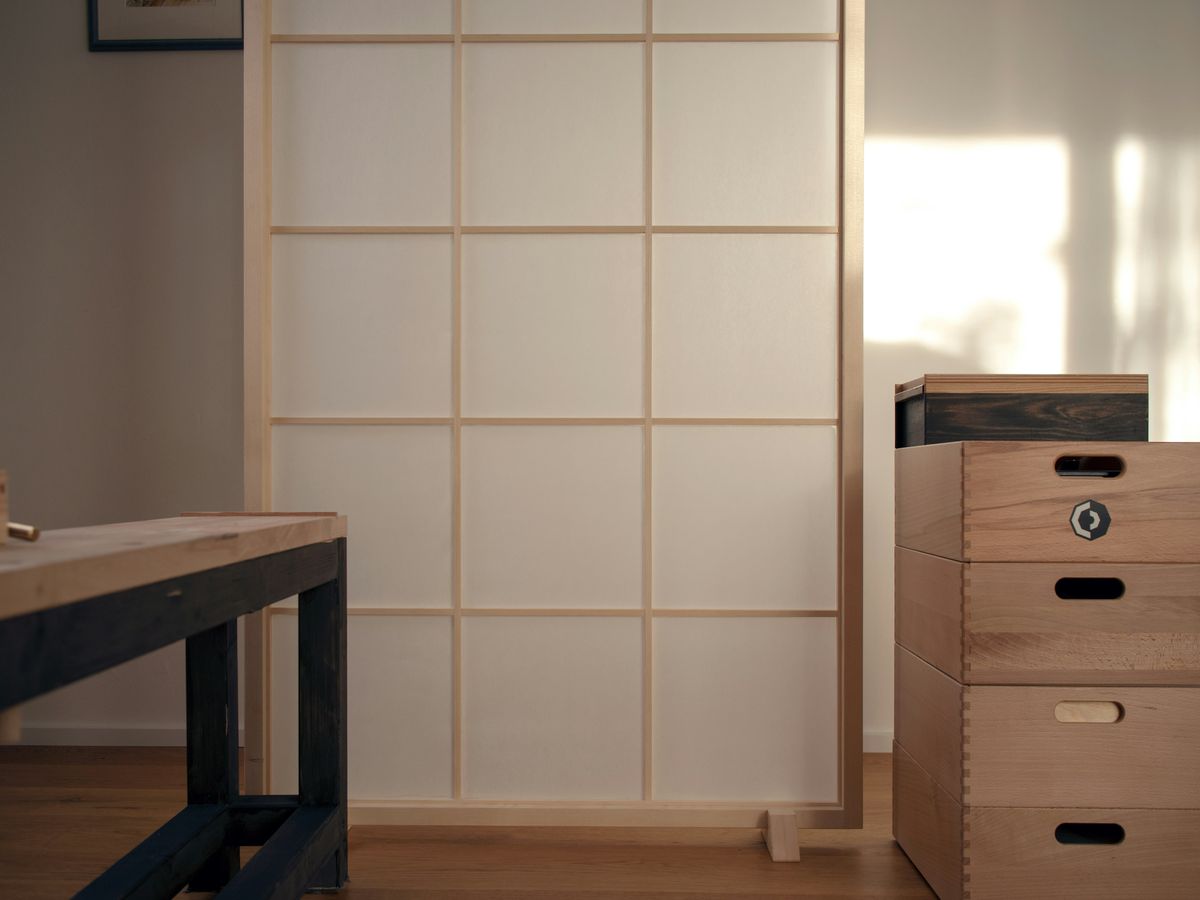
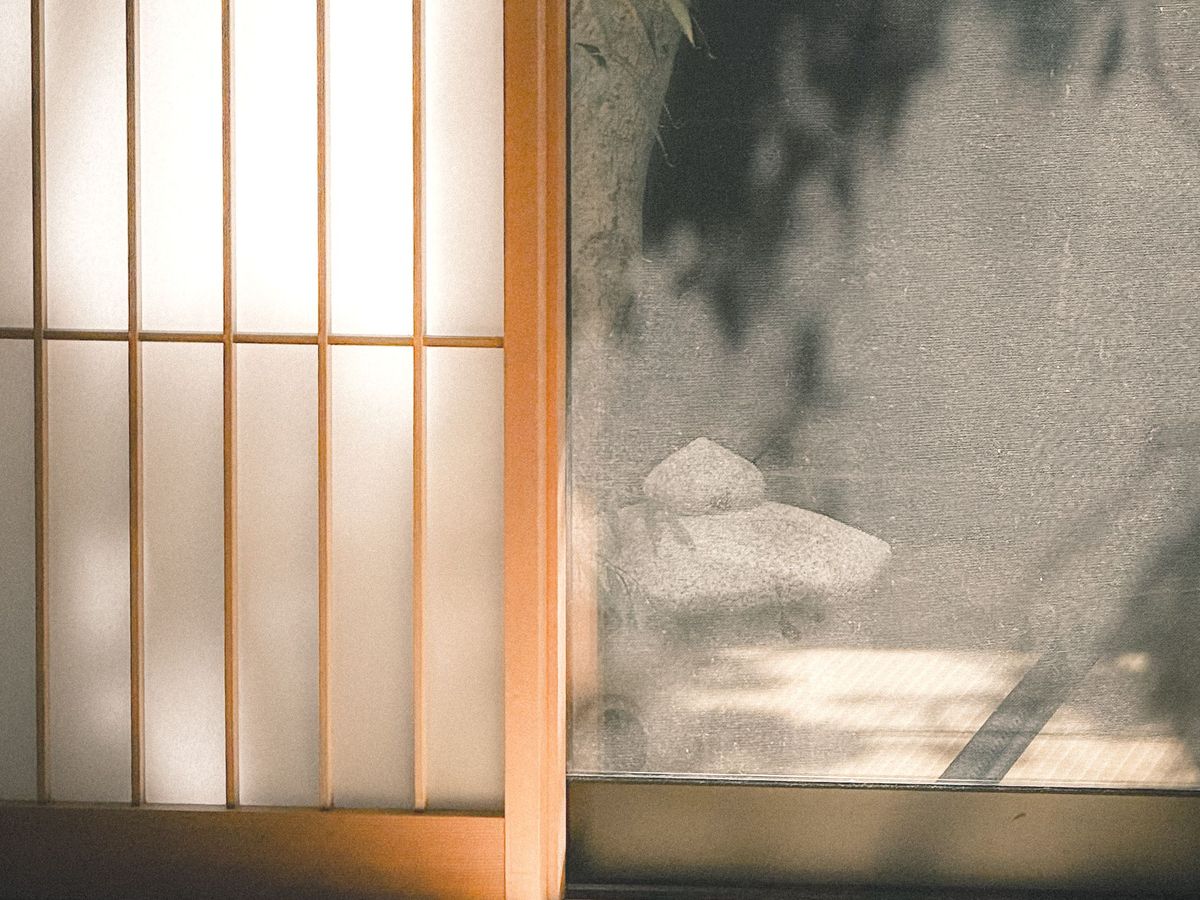
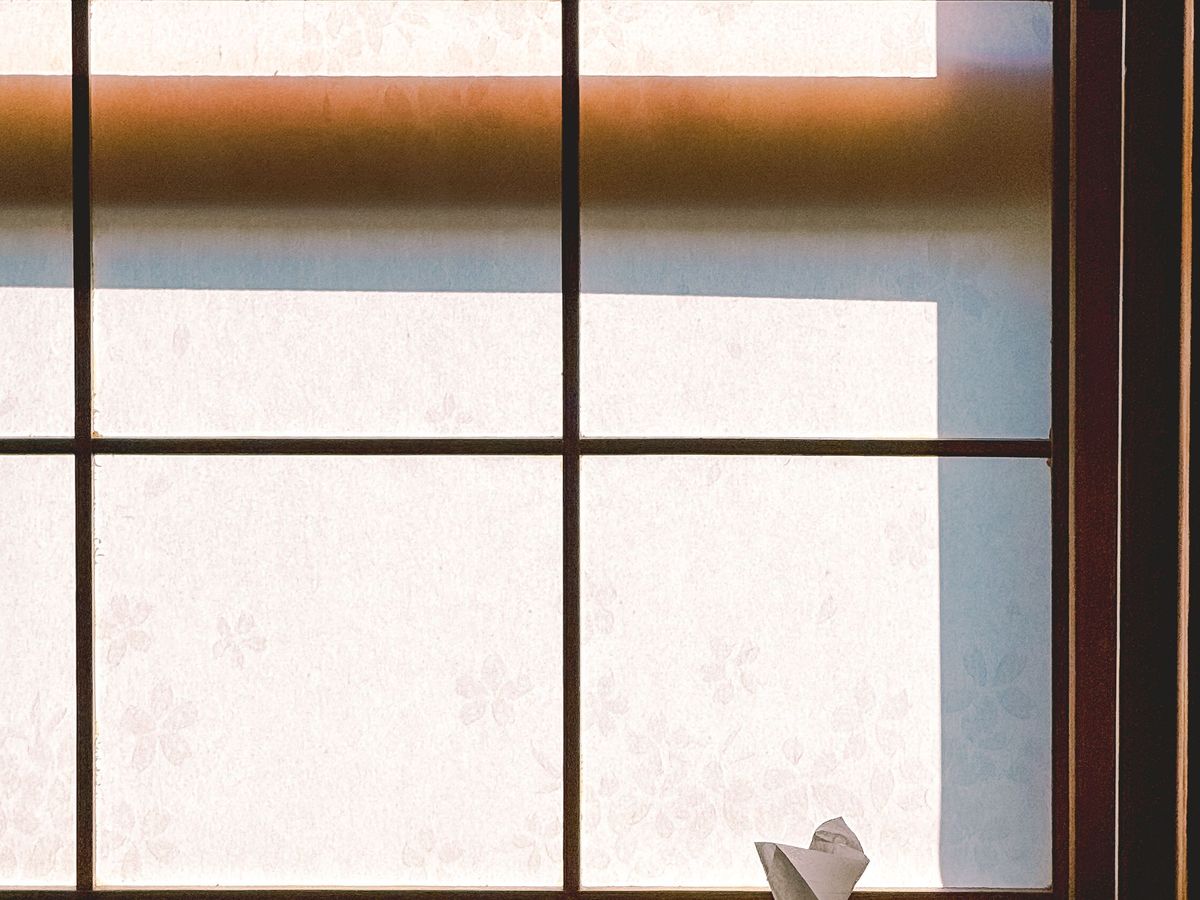
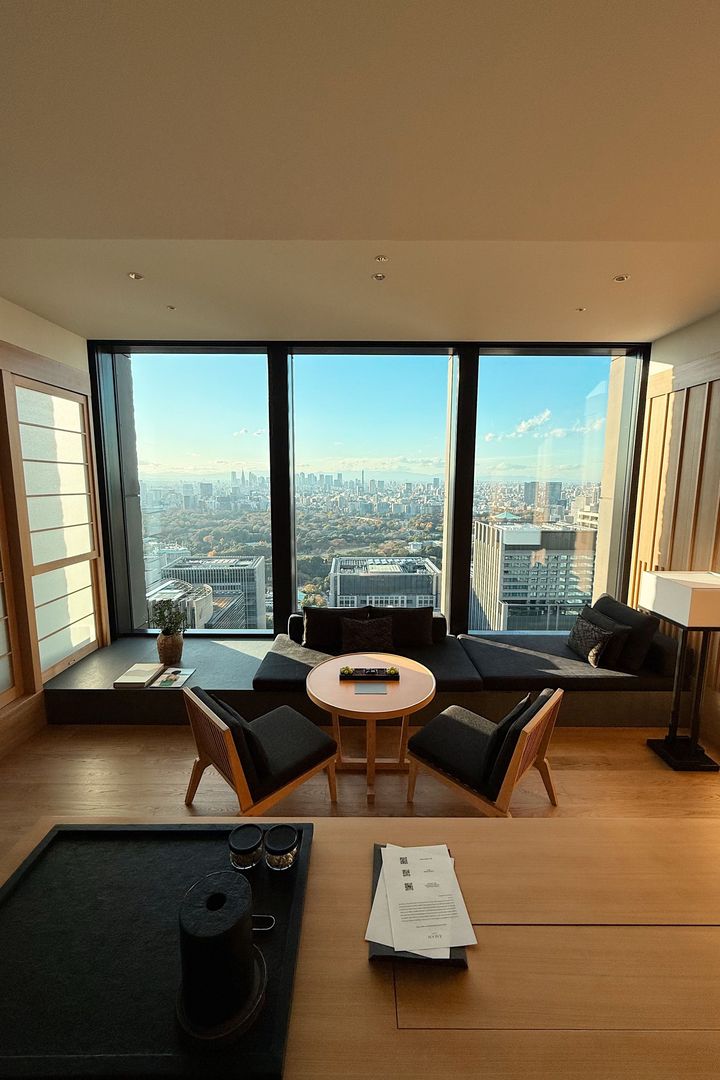
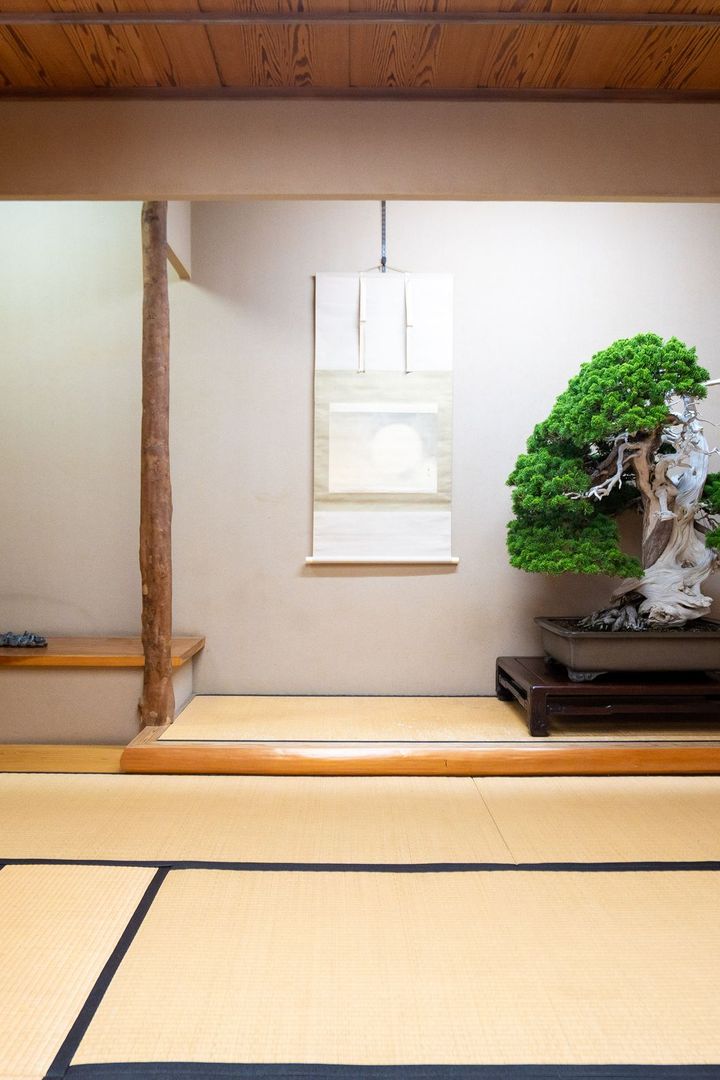
Sample photos for reference. They are not rooms we have furnished.
Choosing it
Handmade or machine-made
Both are sold as washi. Handmade sheets are stronger and more even in light, and cost more.
Paper for shoji
Plain paper is traditional. Reinforced paper tears less, which helps in a home with children or pets.
Bulbs for paper lamps
Use LED bulbs, which stay cool behind paper.
Care, and a piece that travels
Keep it dry
Water marks and stains are hard to remove. Dust with a soft brush or a dry cloth.
Re-papering is normal
Shoji paper is meant to be replaced when it tears or yellows. Frames last far longer than the paper.
Dry indoor air
Strong heating or air conditioning can make paper and thin wooden frames shrink, warp or split. Keep pieces away from heaters and vents.
Humid rooms and sunlight
Very damp rooms can lead to sagging paper and mould. Long hours of direct sun fade and yellow the paper over time.
Other materials
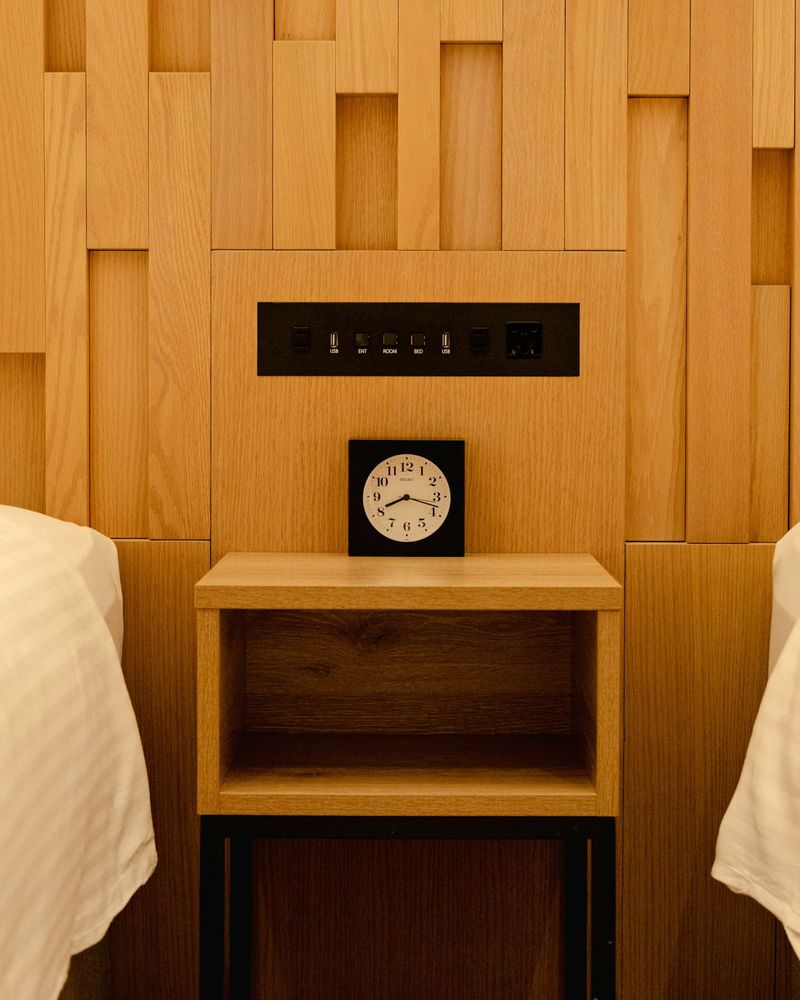
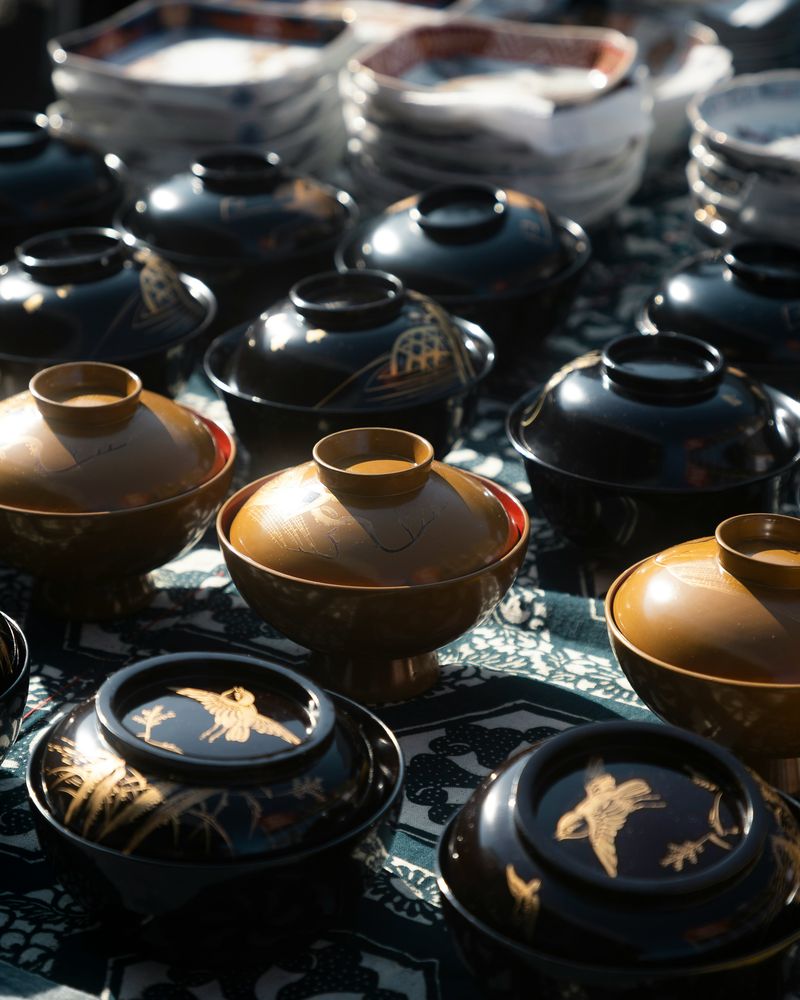
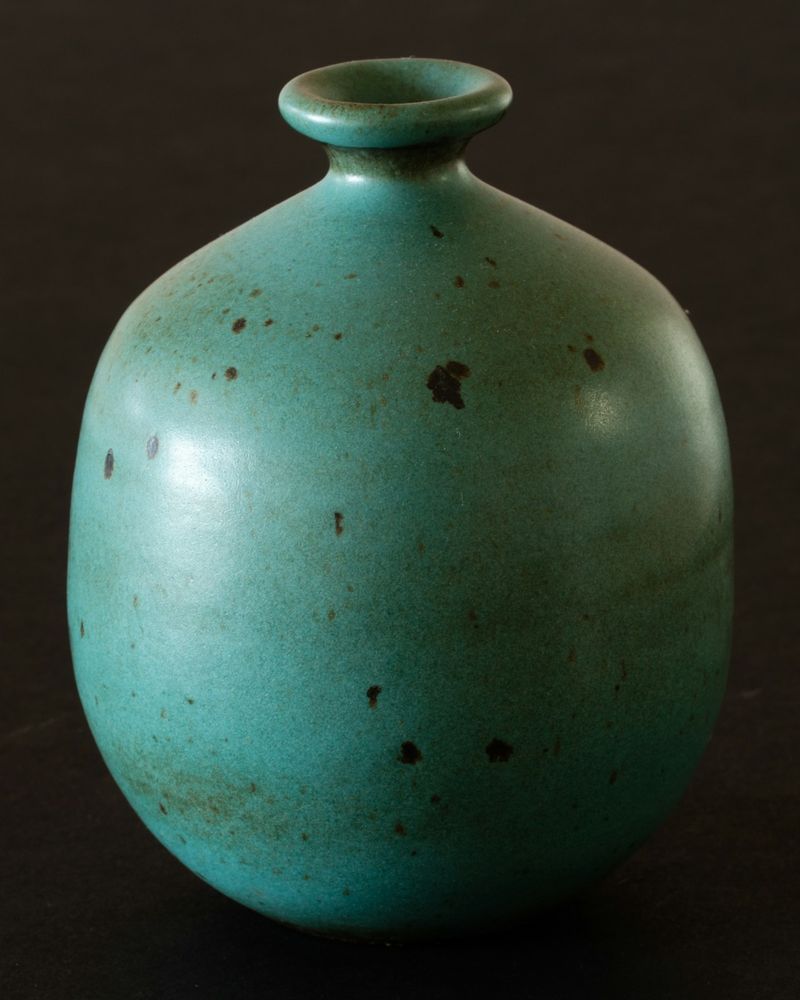
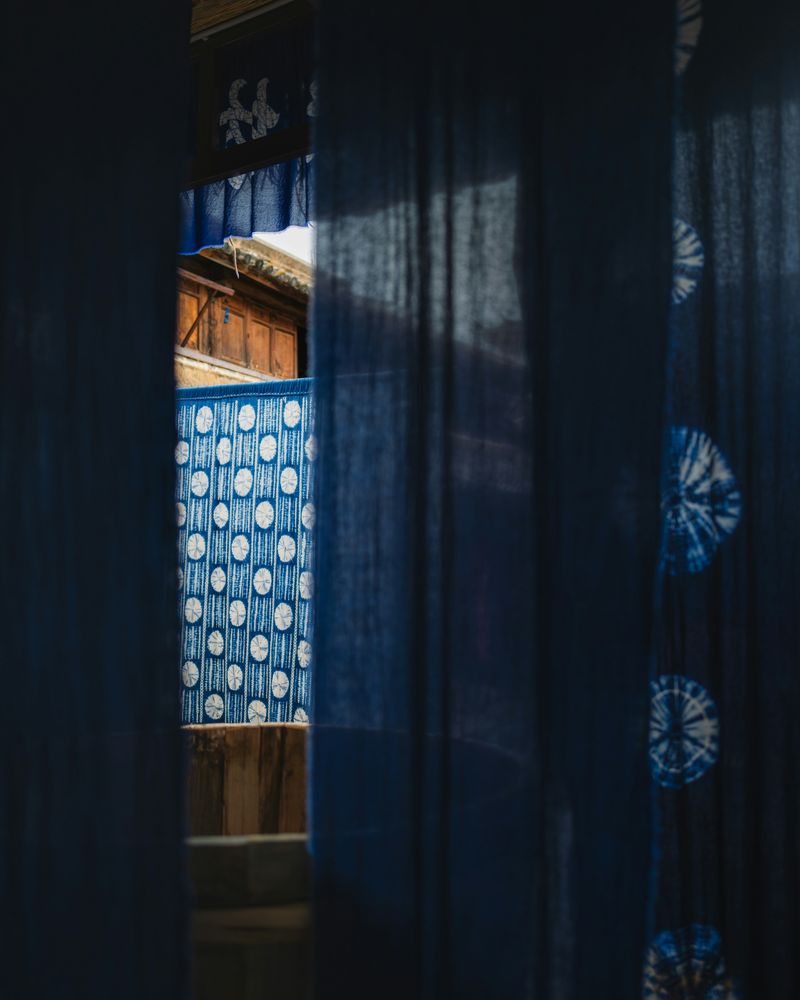
What else a room can be made of.
-
-
-
-
-
Rooms that use it
Sample rooms where this material does the work.
-
-

-
Tell us about the home
Send the area, the rooms and when you next visit Japan. We reply within 24 hours.
- A reply in writing, with a few questions about the rooms
- A first plan for your rooms, with no obligation
- You approve every piece before anything is ordered
Thank you
We have your details and will reply within 24 hours.