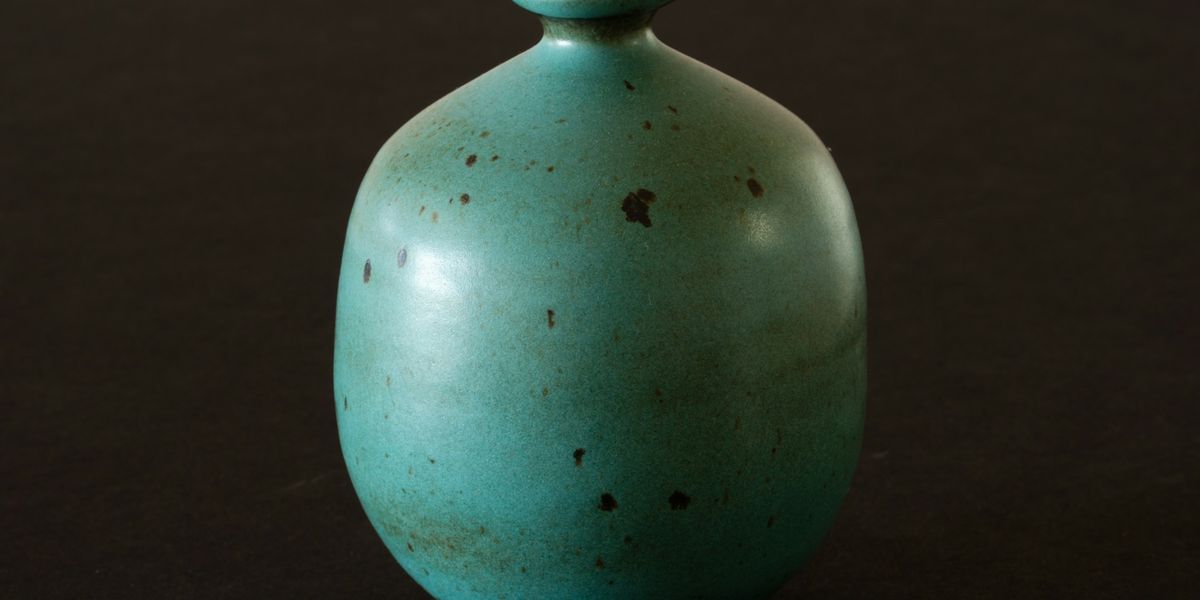
Ceramics
Stoneware and porcelain, from everyday cups to a single vase.
What it is
Japan has many pottery towns, each with its own clay and glazes. Pieces range from fine porcelain to thick, rough stoneware.
Everyday tableware made by hand is at the heart of mingei (Japanese folk craft): made to be used, not kept behind glass.
Where it works in a home
Tableware, vases for an alcove or a shelf, tea bowls and tiles.
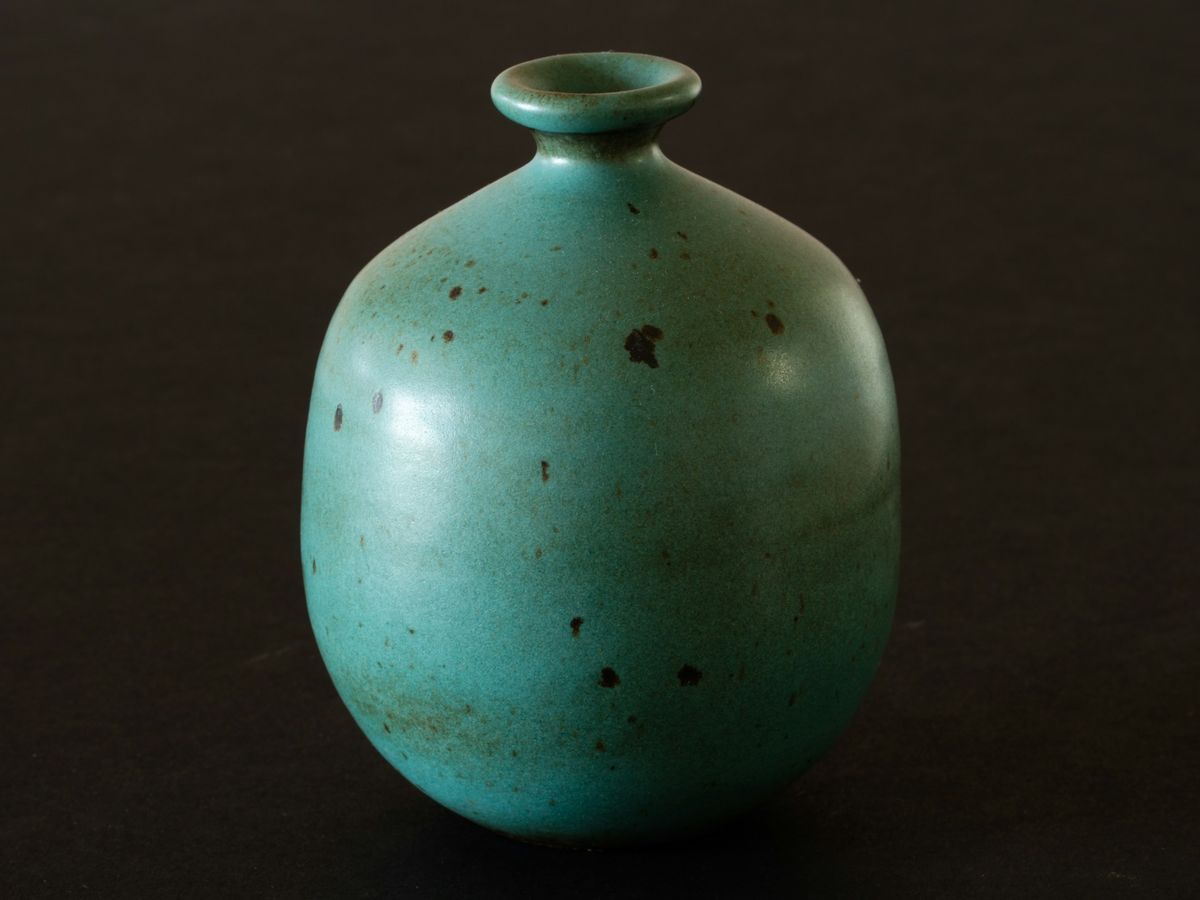
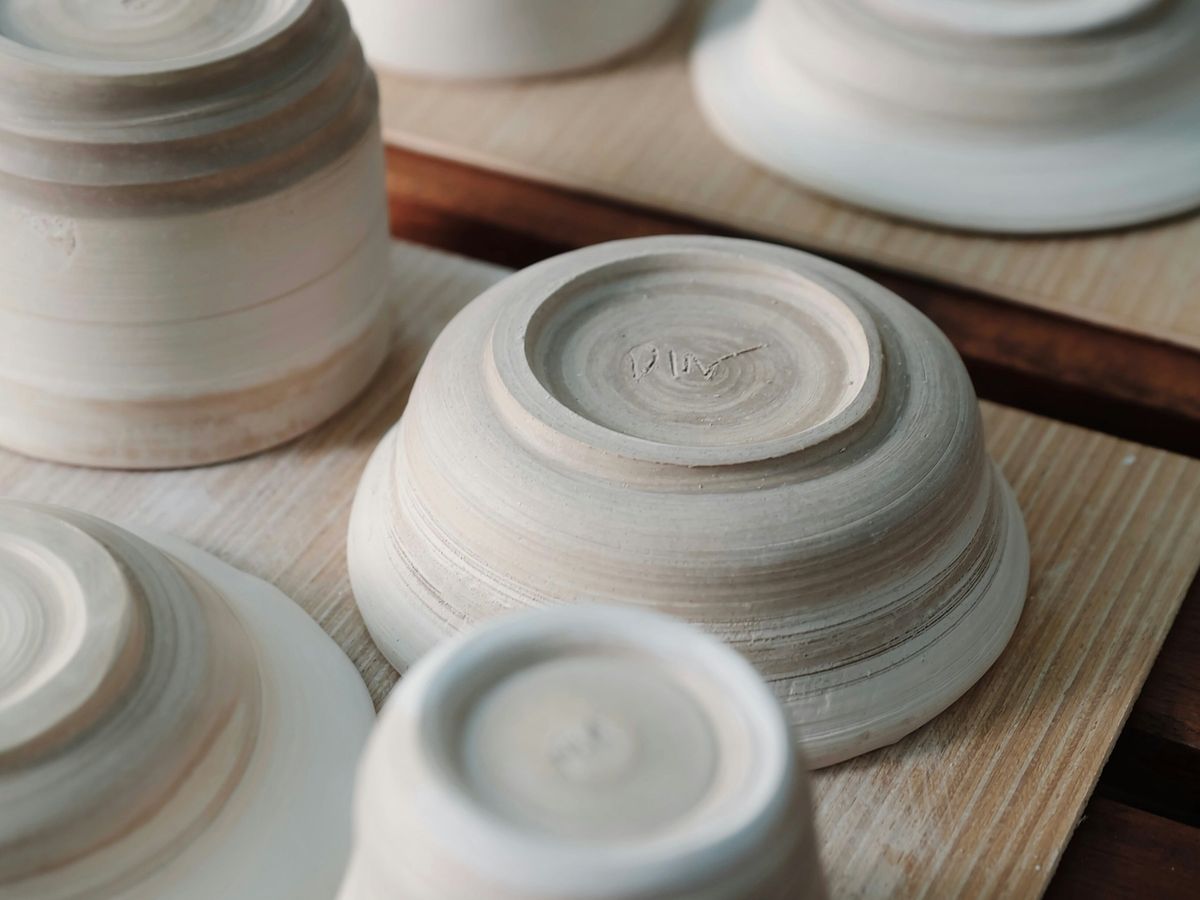
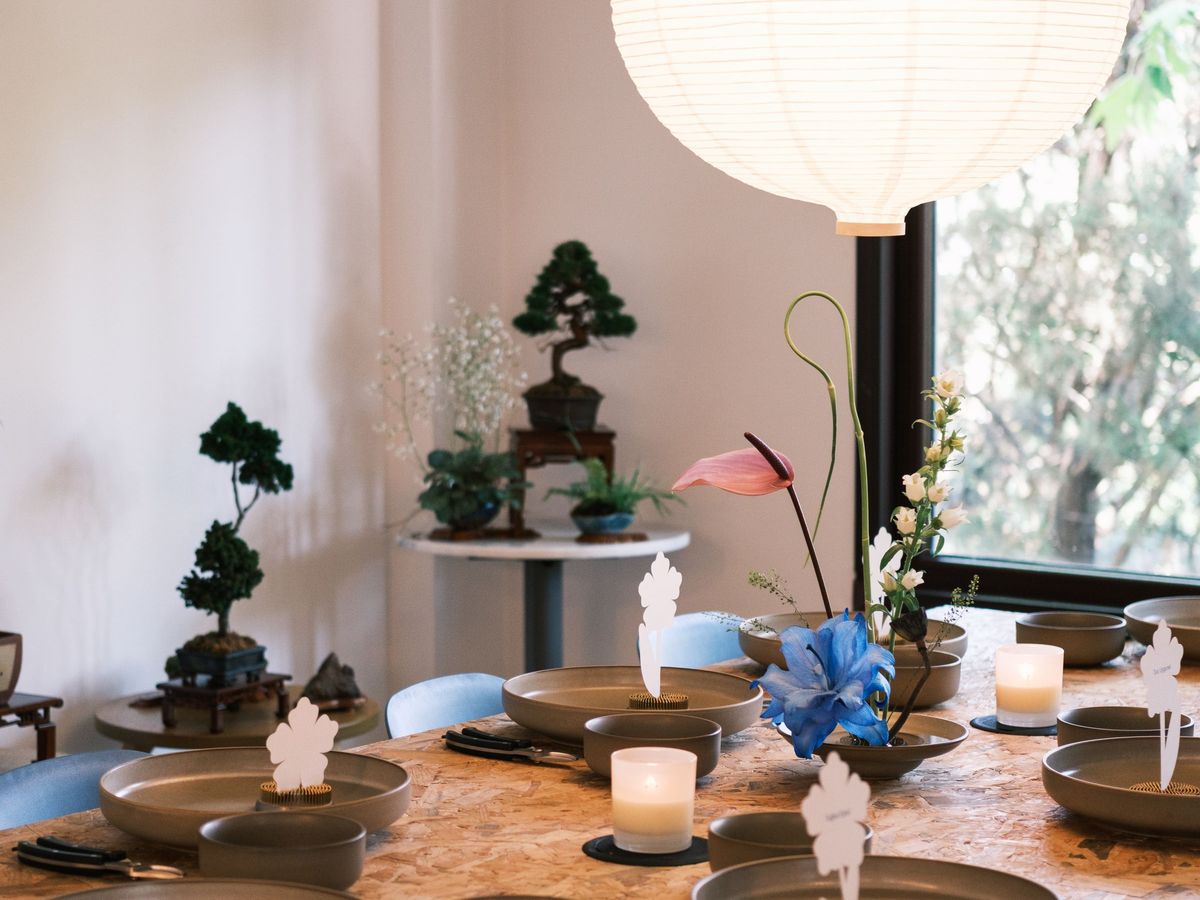
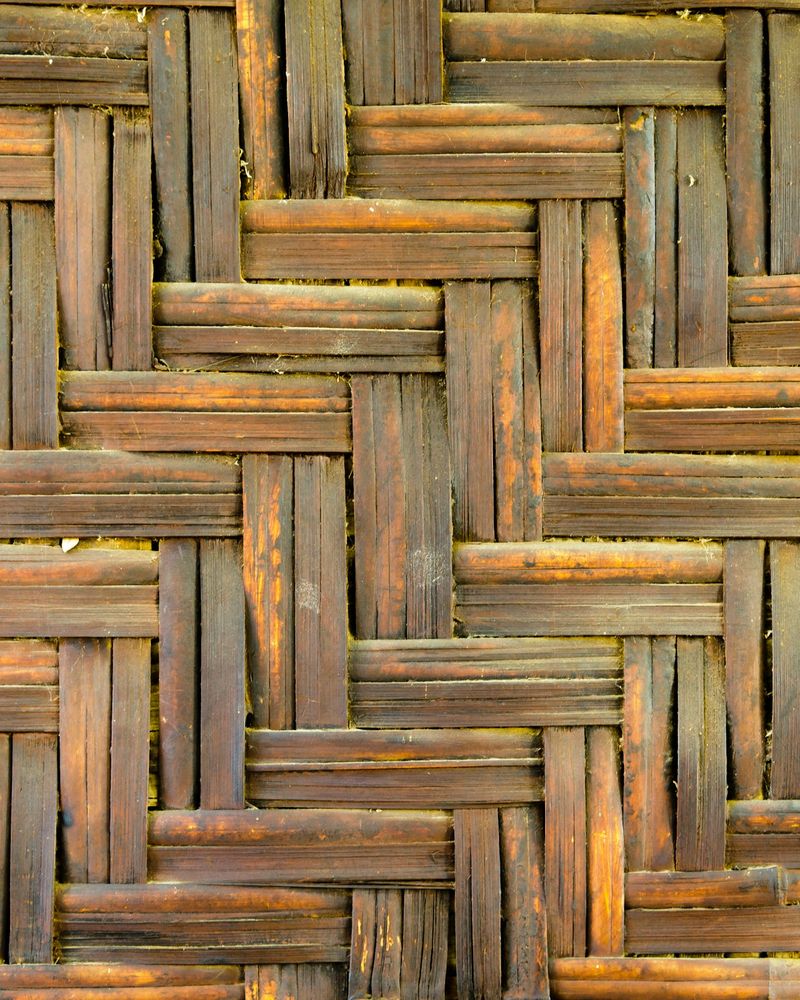
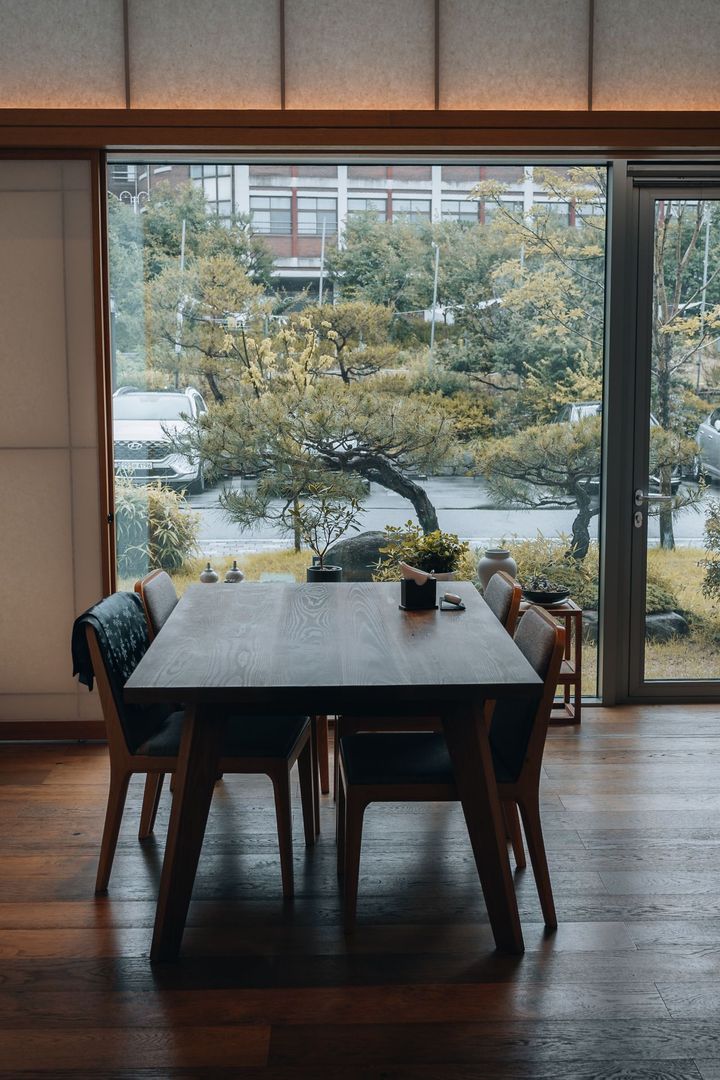
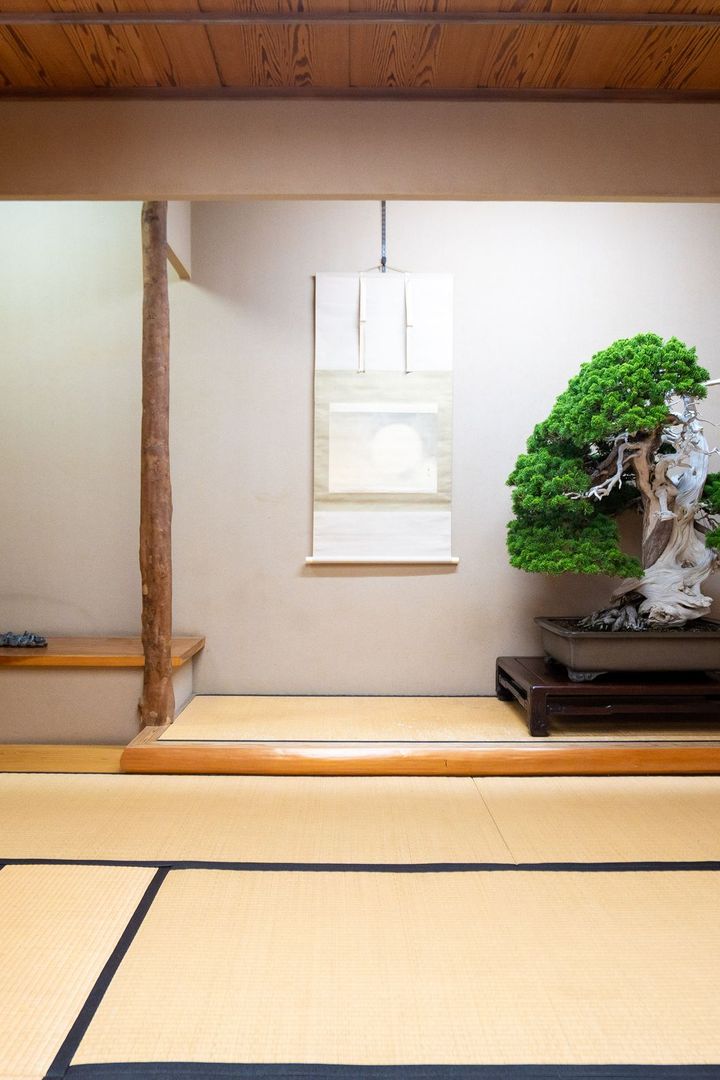
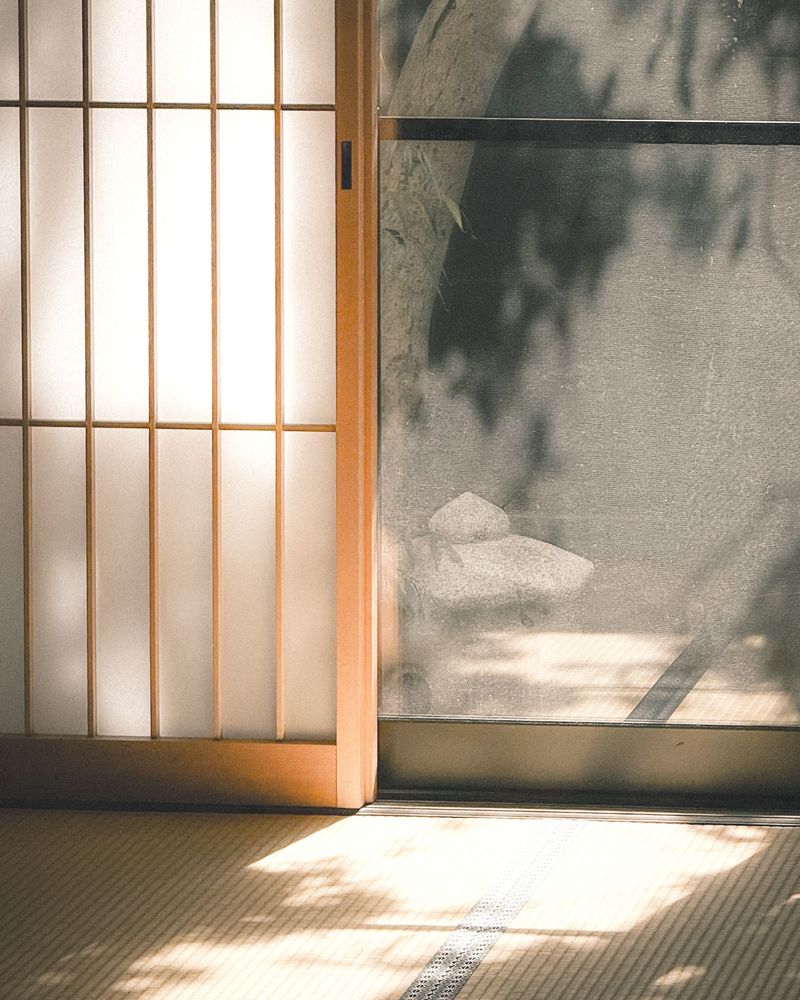
Sample photos for reference. They are not rooms we have furnished.
Choosing it
Stoneware or porcelain
Stoneware is thicker and warmer to hold. Porcelain is thinner and harder.
Microwave and oven
Some pieces are safe in a microwave or oven and some are not. Ask before you buy.
A set or single pieces
Japanese tableware is often bought piece by piece, so a table can mix makers.
Care, and a piece that travels
Some pieces take in water
Unglazed and lightly fired stoneware can absorb water and stain. Ask the maker how to prepare it before first use.
Avoid sudden heat
Moving a piece straight from cold to hot can crack it.
Hand wash decorated pieces
Gold, silver and hand-painted decoration can wear away in a dishwasher.
Breaks can be mended
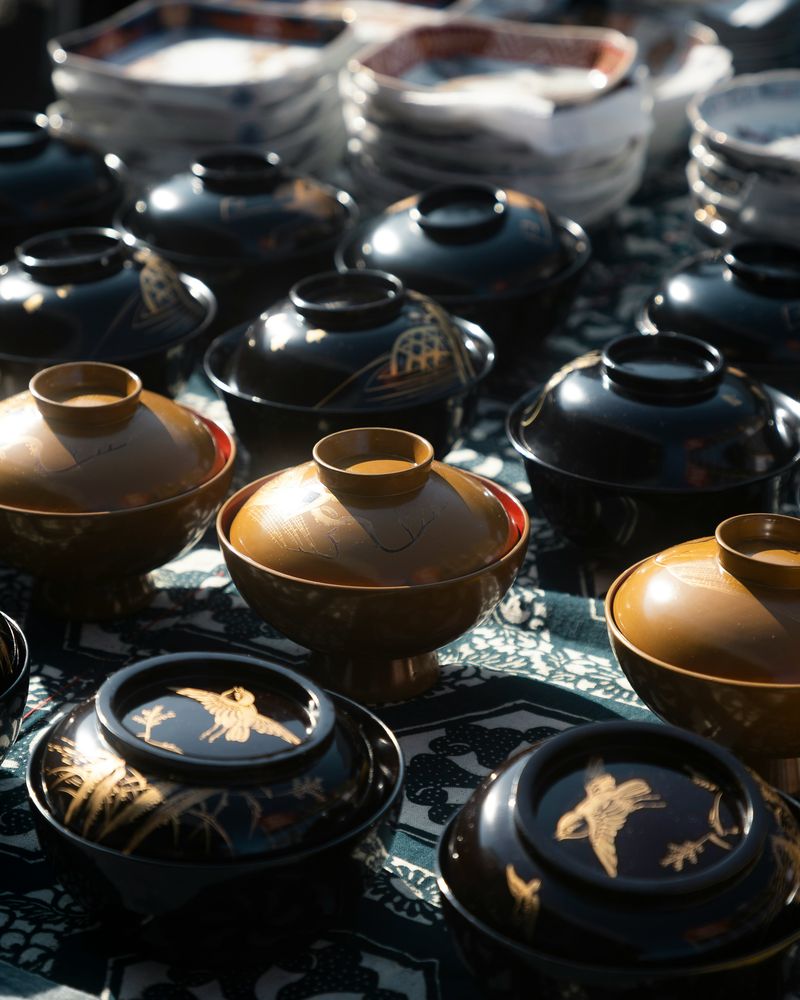
Kintsugi, repair with urushi lacquer and gold, is the traditional way to mend a broken piece.
Other materials
What else a room can be made of.
-
-
-
-
-
Rooms that use it
Sample rooms where this material does the work.
Tell us about the home
Send the area, the rooms and when you next visit Japan. We reply within 24 hours.
- A reply in writing, with a few questions about the rooms
- A first plan for your rooms, with no obligation
- You approve every piece before anything is ordered
Thank you
We have your details and will reply within 24 hours.