To understand mingei (Japanese folk craft), start at the Japan Folk Crafts Museum in Komaba, Meguro, founded in 1936 by Soetsu Yanagi, then buy from places that name the region and maker of each piece, such as Japan Traditional Crafts Aoyama Square in Akasaka, run by the Association for the Promotion of Traditional Craft Industries. Choose a few pieces you will use every day, ask how each was made and how to care for it, and check opening days on the official sites before you go.
Mingei in one paragraph
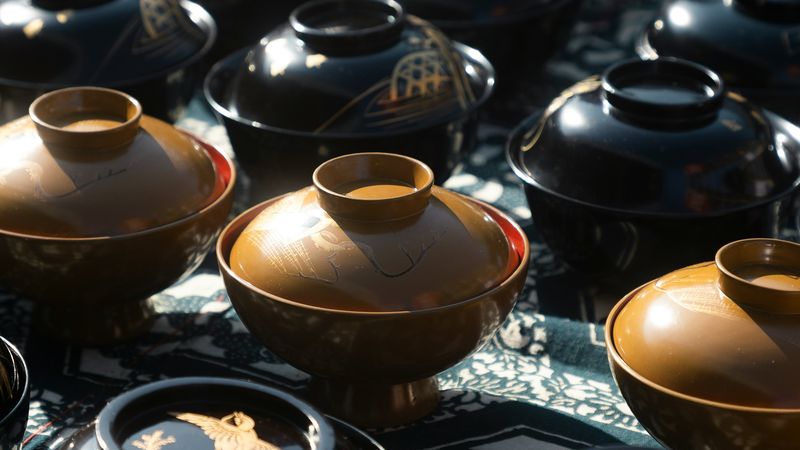
The word mingei was coined in 1925 by Soetsu Yanagi together with the potters Kanjiro Kawai and Shoji Hamada. The Japan Folk Crafts Museum gives its literal meaning as "folk crafts" or "common crafts": bowls, baskets, cloth, trays and furniture made by hand for daily use, usually by makers whose names were never recorded.
For a home, this is useful guidance. Mingei pieces are meant to be handled, washed and used. A rice bowl, a lidded basket for blankets or a cotton cushion on a wooden bench belong to the same idea. Around the movement's 100th year, Wallpaper* published an overview of its history and makers in 2026.
See it first at the Japan Folk Crafts Museum
The Japan Folk Crafts Museum (Nihon Mingeikan) is at 4-3-33 Komaba, Meguro-ku. According to the museum, it was founded in 1936 with Yanagi as its first president, and he designed the Main Hall himself. The old wing and the stone wall along the street were designated Tangible Cultural Property by the Tokyo Metropolitan Government in 2021. The museum marks 90 years since its founding with exhibitions in 2026.
Exhibitions change through the year, and opening days and admission are listed on the museum's Hours and Admission page. Check it before you plan a visit.
A visit trains the eye before you buy. Spend time with a few objects and notice their weight, the way glaze pools at the foot of a bowl, the tightness of a weave, and how a handle meets its body. Write down the regions and techniques you keep returning to. That short list is what you take to the shops.
Where to buy in Tokyo
Japan Traditional Crafts Aoyama Square is the gallery and shop of the Association for the Promotion of Traditional Craft Industries. Despite its name, it is in Akasaka, Minato-ku, near Aoyama-itchome Station; the Association's 2025 overview records the move to Akasaka in April 2012. It shows and sells crafts from production areas across Japan, so it is a good place to compare ceramics, lacquer, woodwork and textiles from different regions in one visit.
The Japan Folk Crafts Museum's own website links to an online shop. Beyond these two, Tokyo has department store craft floors, shops run by prefectures to promote their local products, and independent shops that trace their roots to the mingei movement. We name only places we could confirm on official pages, so check current addresses and opening days before visiting any shop.
- Japan Folk Crafts Museum, Komaba, Meguro: to see mingei and learn the vocabulary
- Japan Traditional Crafts Aoyama Square, Akasaka, Minato: to compare and buy regional crafts
- Prefectural shops and department store craft floors: to find work from one region in depth
What to ask before you buy
Mingei and designated traditional crafts overlap without being the same thing. The Minister of Economy, Trade and Industry designates traditional craft products under a 1974 law; the criteria include everyday use, a main process done by hand, and techniques and materials in use for at least 100 years in a production area. With the designation of Tokyo hand-carved seals in October 2025, the total reached 244 items, according to METI. Designated crafts that pass inspection can carry a certificate sticker (dento shoshi) with the traditional craft mark.
A label tells you some of the story. A few questions tell you the rest, and they matter more when the piece will live in a home you visit only a few times a year.
- Who made it and where, and can the same maker supply more pieces later
- What material and finish it has; for lacquer, whether the label says urushi or a synthetic coating
- Whether it can go in a dishwasher or microwave (for most wood and lacquer, the answer is no)
- How it should be stored when the home is empty, especially wood, lacquer and textiles
- Whether the shop can pack and ship to your Tokyo address, and how it is wrapped
Placing craft in a Japandi room
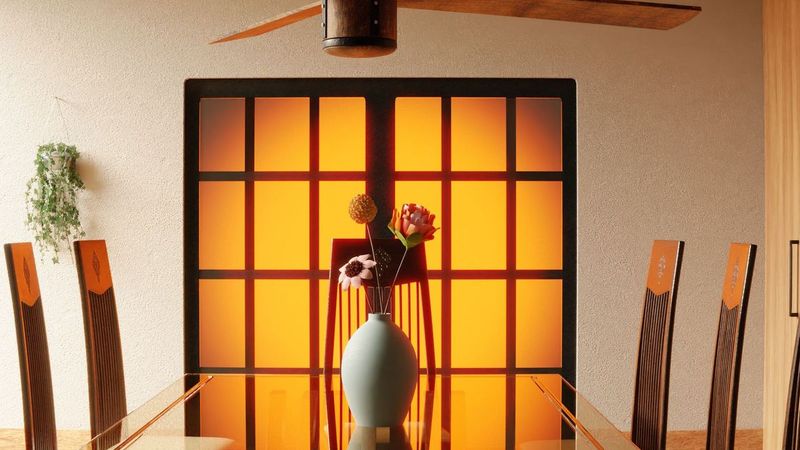
In a Japandi room, a few pieces placed where they are used carry more weight than a full shelf. Put the bowls you use near the table and a basket by the sofa, and keep one low shelf for two or three objects with space around them. The Japanese idea of ma, room to breathe between things, explains why that space matters.
Group by material: wood with wood, ceramics with stone or plain linen. Keep lacquer and wooden pieces away from direct sunlight and from air conditioner outlets, which matters in an apartment left closed for weeks. Rotate textiles and a few objects by season rather than adding more.
Buying when you live abroad
Most owners buy during a visit. Choose in person, ask the shop to ship to your Tokyo address, and keep receipts, makers' names and care notes in one folder in the apartment so the next visit starts with the information at hand.
If you want work from a region you cannot visit, the shops above are a starting point to learn names and techniques. Many makers also sell through their own websites, and production areas hold exhibitions and fairs in Tokyo; the Association treats November as Traditional Crafts Month.
How STAYGO ATELIER can help
STAYGO ATELIER can choose mingei pieces for your Tokyo home with a designer's eye, based on the rooms and the way you live there, and arrange their purchase and shipping. You pay makers and shops directly; we do not visit the home or place the pieces.
Questions owners ask
What does mingei mean?
Mingei means "folk crafts" or "common crafts". The word was coined in 1925 by Soetsu Yanagi with the potters Kanjiro Kawai and Shoji Hamada to describe everyday objects made by hand for use.
Where can I see mingei in Tokyo?
The Japan Folk Crafts Museum at 4-3-33 Komaba, Meguro-ku, founded in 1936 by Soetsu Yanagi, holds changing exhibitions. Check its Hours and Admission page before you go.
Where can I buy Japanese folk craft in Tokyo?
Japan Traditional Crafts Aoyama Square in Akasaka shows and sells crafts from production areas across Japan, and the Japan Folk Crafts Museum's website links to an online shop. Prefectural shops and department store craft floors are other options; confirm details on official pages first.
Is every traditional craft mingei?
No. Traditional craft products are designated by METI against set criteria (244 items as of October 2025), while mingei is an idea about everyday objects made by hand. Many pieces fit both, but the terms are separate.
Can I use mingei pieces every day?
Yes, they are made for use. Ask about care for each material, and keep most wood and lacquer out of the dishwasher, the microwave and direct sunlight.
Sources
- Japan Folk Crafts Museum, About the Museum (history) (2026)
- Association for the Promotion of Traditional Craft Industries, organisation overview (伝統的工芸品産業振興協会 概要) (2025)
- Ministry of Economy, Trade and Industry, designation of Tokyo Tebori Insho as a traditional craft product (244 items) (2025)
- Tohoku Bureau of Economy, Trade and Industry, Japan's Nationally Designated Traditional Craft Products (2026)
- Wallpaper*, Everything you need to know about mingei (2026)