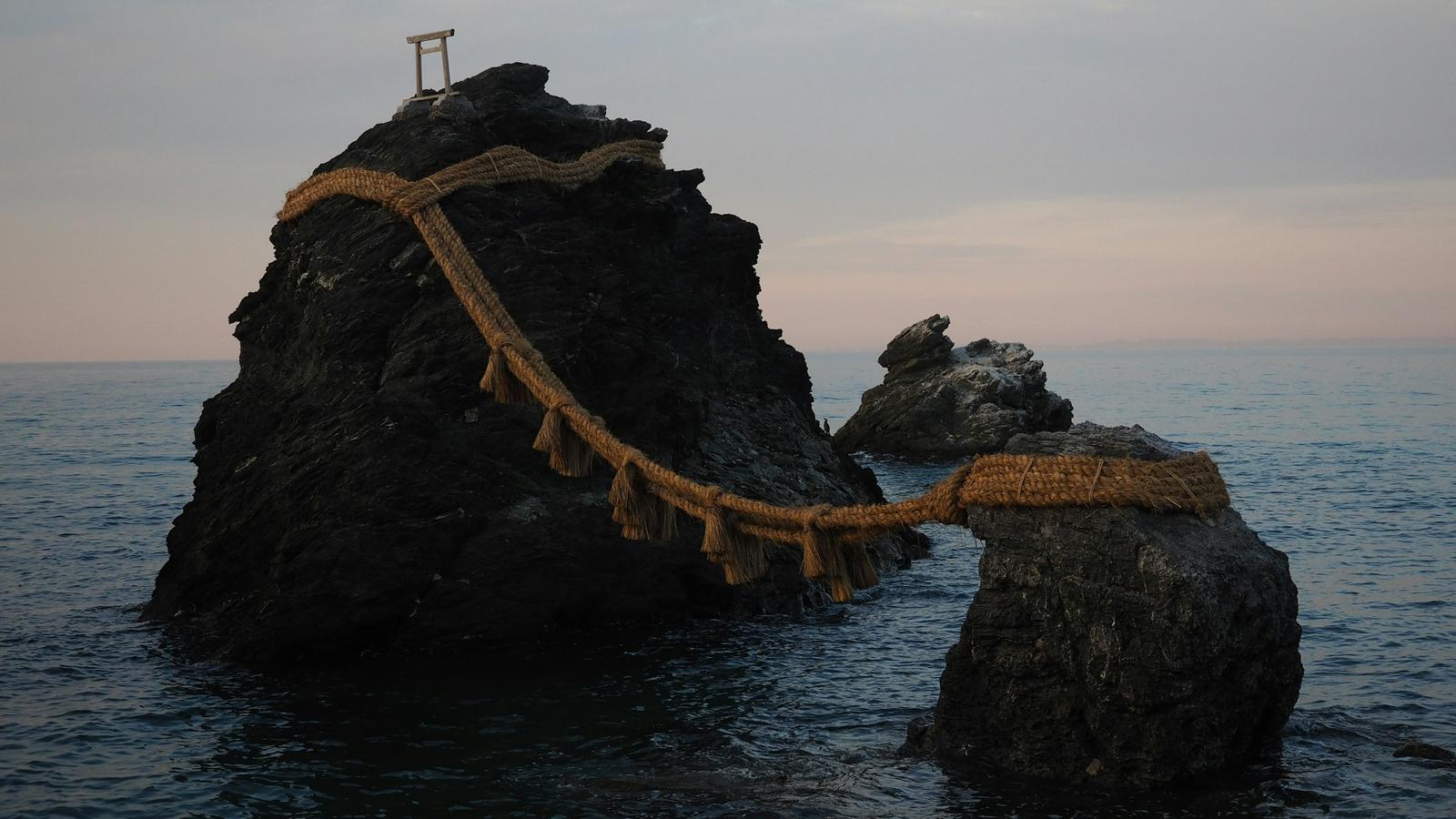
Below Amanemu, Ago Bay breaks into small wooded islets, and between them the pearl rafts sit in rows on the water, as they have for generations. The resort stands on a forested hillside in Ise-Shima National Park, about an hour by car from Ise Jingu, and every one of its suites and villas has its own bath filled from a hot spring. It is Aman's first hot spring resort, and of the three Aman houses in Japan it is the one people go to in order to stop.
This article is for travellers deciding whether Amanemu belongs in their journey, and which of its rooms to ask for. It sits within our guide to The Best Luxury Hotels in Japan 2027 and our piece on Japan's luxury resorts and ryokan. We read Aman's own pages, fact sheet and spa and dining pages, the MICHELIN Guide, Mie's tourism and prefectural pages and design press in November 2026, and contacted none of them; the sources are listed at the end.
Key points
- Aman's fact sheet lists 24 suites of 99 square metres and eight two-bedroom villas; the MICHELIN Guide counts 32 rooms. Every one has a private onsen bath.
- The suites are identical inside. What you choose is the view: 8 Mori Suites face the garden and forest, 10 Sora Suites have partial bay views, and 6 Nagi Suites, closest to the shore, look straight over Ago Bay.
- Since June 1, 2026, stays booked on or after May 14 include breakfast, dinner, the minibar with alcohol and one private experience per night, as Aman's pages state.
- The 2,000-square-metre spa is built around a thermal spring with two outdoor pools at different temperatures, used in swimwear. The swimming pool is 33 metres.
- Amanemu holds Three MICHELIN Keys, and kept them in the 2026 selection.
ASK US ABOUT A STAY AT AMANEMU →
WHERE IT IS AND WHAT THAT GIVES YOU
Amanemu is in Shima, in Mie Prefecture, on the shore of Ago Bay, which Aman's fact sheet calls the Bay of Pearls. Ise Jingu, Japan's most revered Shinto shrine, is about an hour away by car, and the Kumano Kodo pilgrimage routes about three. The NEMU Golf Club's 18-hole course lies near the resort. The nearest station is Kashikojima, the end of the Kintetsu line, 20 minutes away by car, and Aman's transfers to and from it are included. From Nagoya the limited express takes about two hours, and Aman notes a direct train from Kyoto of about two hours and 45 minutes. A helicopter can be arranged from Chubu Centrair airport to the resort's own landing spot.
The resort opened in 2016, designed by Kerry Hill Architects, the practice behind Aman Tokyo. Design press at the time described low tiled roofs drawn from the minka farmhouse and dark-stained cedar outside; inside there are woven textiles, timber screens and stone baths. Press reports from the opening counted 24 suites and four villas. Aman's current fact sheet lists eight villas, four of them the Tsuki Villas, each with its own garden and a separate onsen pavilion. We looked for residences branded under the Amanemu name and found none on Aman's residences pages, which in Japan list only Tokyo.
WHICH ROOM TO ASK FOR
All 24 suites measure 99 square metres, with the bedroom and living space in one room, a stone onsen bath fed from the hot spring, and a terrace of about 27 square metres with daybeds. Because the interiors are the same, the decision is simply about what you see. The Nagi Suites stand closest to the shore and look out over the bay. The Sora Suites see the water across the trees, and the Mori Suites face the forest and garden. For a first stay we would ask for Nagi: the islets and pearl rafts are the reason to come this far. Guests who prefer green shade and stillness to a view of water are often happiest in Mori.
The villas each have two en-suite bedrooms of about 70 square metres, a living room with a pantry, verandas with daybeds and a table for six. Mori, Nagi and the two Sora Villas measure 366 square metres, with a 28-square-metre onsen room; Nagi looks over the bay. The four Tsuki Villas measure 381 square metres and set the onsen in a separate pavilion across the garden, with baths indoors and out, close to the spa. For two couples or a family, one villa is calmer than two suites, because the evening happens around one table.
Aman's site showed no published rate when we looked, so we give none. What we can say is what is included: under the package Aman describes, stays from June 1, 2026 booked on or after May 14 include daily breakfast and dinner without beverages, in-room drinks including alcohol, afternoon oyatsu sweets in the Lounge and one complimentary private experience per night from a set list.
WHEN TO GO
The bay changes more with the seasons than the resort does. Spiny lobster, which the Restaurant names among its local seafood, has its season in Mie from October, when the prefecture's catch opens. The menus follow the year; the autumn menu runs until December 9, 2026. Winter mornings on the bay are clear and still, and the outdoor thermal spring is at its best in cold air.
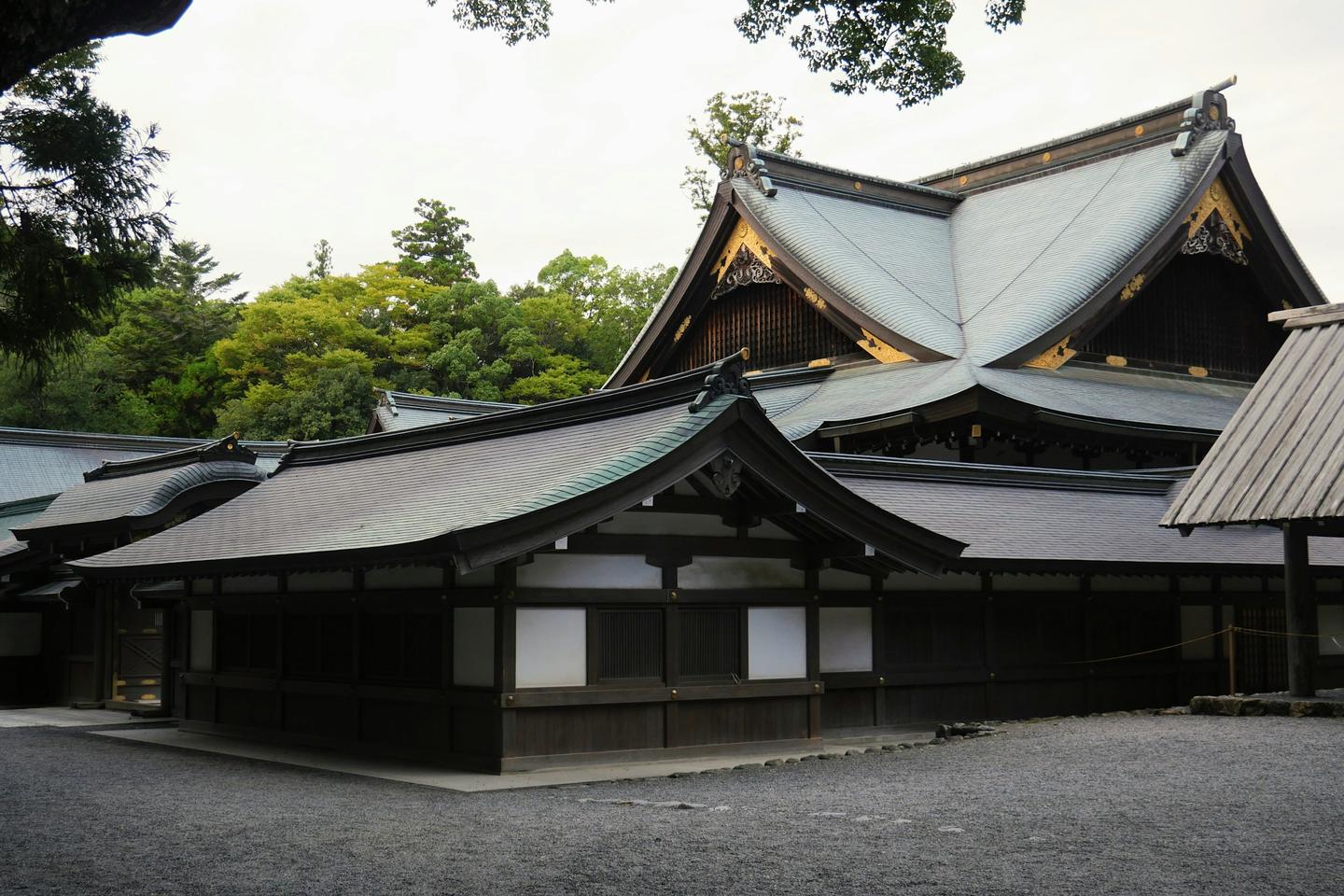
In 2027 Ise holds the second round of the Okihiki, in which residents haul timber to the shrine for the rebuilding of 2033. Mie's tourism site lists the land hauling from May 8 to June 12 and the river hauling on the Isuzu from July 24 to August 1. It is a rare reason to time a visit, and the roads to the shrine are busier on those days. Our article on Ise and the 2027 timber hauling covers it.
THE TABLES WORTH STAYING IN FOR
There is one restaurant, called simply The Restaurant, with 55 seats and views to the bay. It serves Japanese cuisine alongside international dishes at breakfast, lunch and dinner. Aman names its Japanese cuisine chef as Katsutoshi Kitahara, and the ingredients come mostly from Ise-Shima: Matsusaka wagyu, and spiny lobster and abalone from Ago Bay. The region was known as Miketsukuni, the land that supplied the imperial court, and the kitchen leans on that idea.
Two things on the menu are worth asking about. The Ise Jingu breakfast comes in a white wooden box modelled on the offerings made near the shrine. The Ise Shima Roman course brings together caviar, truffle, lobster, wagyu and abalone, for a celebration night. The Lounge beside the pool seats 28 and keeps a list of Japanese sake and whisky and cocktails made with local fruit; its sunken terrace is where most guests watch the sun go down over the water.
On a stay of four nights or more we usually suggest a lunch or a dinner away from the resort, for a change of room as much as of food. Aman's own private experiences include a charcoal-grilled seafood lunch in a hut of the ama, the women freedivers of the bay.
SPA, POOL AND THE QUIET HOURS
The spa covers 2,000 square metres and is built around a thermal spring that feeds two outdoor pools at different temperatures. Unlike a traditional onsen, they are used in swimwear, which suits mixed couples and families who would rather bathe together. There are two private onsen pavilions for reserved use, four treatment suites, an Aqua Movement Suite for water treatments, a dry sauna and steam room, a glass-walled yoga studio with an outdoor deck and a gym. Treatments use Aman Skincare with pearl powder, seaweed and kampo herbs.
The thermal spring is open from 8:00 to 22:00, with last entry at 21:00; treatments run from 10:00 to 21:30. The swimming pool is 33 metres, lined with daybeds and facing the bay. With a private onsen in every room, the quietest hour is often your own terrace before breakfast.
FAMILIES AND SEVERAL GENERATIONS
The villas are where Amanemu works best for families. Each sleeps up to six, both bedrooms have their own bathrooms, and the pantry and long table mean that a family can eat in when the children are tired. Aman writes that its experiences are planned for several generations, and that younger guests are kept busy at the Kids Academy. A family offer was listed when we looked.
We did not find a published policy on children's ages, extra beds or age limits at the spa and pool on Aman's pages, so we would ask the resort directly before travelling with very young children. The hillside layout, with pavilions spread across the slope, is worth raising too for a grandparent who walks slowly.
WHAT IT IS NOT FOR
Amanemu is a destination in itself. There is one restaurant and one lounge, no town within walking distance, and the journey from Tokyo takes most of a day. Guests who want variety at dinner, shops, or a different place to go each evening will be happier in a city, at Aman Tokyo or in Kyoto.
It is also an Aman resort that borrows from the ryokan, with beds, a shared restaurant and a pool. Guests who want tatami rooms, a kaiseki dinner served in the room by an attendant in kimono and the rituals of a traditional inn should look at Gora Kadan in Hakone. And a single night rarely repays the journey; we suggest three.
HOW IT FITS A JOURNEY
Amanemu sits naturally between Tokyo and Kyoto. Aman gives the journey from Aman Tokyo as about four and a half hours by shinkansen and Kintetsu train, and from Amanemu to Aman Kyoto as about three and a half hours, with a car at each end. A route of Tokyo, then Ise-Shima, then Kyoto, with three nights here, turns a long train day into a pause at the centre of the trip.
Around a stay we can arrange the car from Nagoya or the station, a guide for Ise Jingu's Inner and Outer Shrines, and the timing of a visit around the Okihiki in 2027. We can also arrange restaurants in Ise and Toba, and the onward train or car to Kyoto. Availability is never certain, and we say so when it is not.
SOURCES AND HOW WE CHECKED
We read these pages on November 15, 2026, and contacted none of these organisations.
- Amanemu, Aman official site: Ago Bay in Ise-Shima National Park; Aman's first hot spring destination; private onsen in every suite
- Amanemu Suites, Aman official: 24 suites of 99 square metres; Mori, Sora and Nagi views; what stays include
- Nagi Villa, Aman official and Tsuki Villa: 366 and 381 square metres; two 70-square-metre bedrooms; onsen room and pavilion; up to six guests
- Amanemu fact sheet (PDF), Aman: 24 suites and eight villas by category; 27-square-metre terraces; Restaurant 55 seats; Lounge 28 seats; pool 33 metres; NEMU Golf Club; one hour to Ise Jingu
- Dining at Amanemu, Aman official: chef Katsutoshi Kitahara; Matsusaka wagyu, spiny lobster and abalone; Ise Jingu breakfast; Ise Shima Roman course; package from June 1, 2026; autumn menu to December 9, 2026
- Wellness at Amanemu, Aman official: 2,000-square-metre spa; two private onsen pavilions; four treatment suites; opening hours
- Experiences at Amanemu, Aman official: Kids Academy; ama hut lunch; Ise Grand Shrine visits; one experience per night
- Getting to Amanemu, Aman official: Kashikojima Station 20 minutes by car with complimentary transfers; trains from Nagoya and Kyoto; helicopter landing spot; journeys to Aman Tokyo and Aman Kyoto
- Aman Residences, Aman official: no Amanemu residences listed; Tokyo is the only Japanese residence
- MICHELIN Guide, Amanemu: 32 rooms; architecture by Kerry Hill
- MICHELIN Guide, All the Key Hotels in Japan 2026 (September 18, 2026): Amanemu among the seven Three-Key hotels, all retained in 2026
- Wallpaper* (May 12, 2016): Aman's second property in Japan, by Kerry Hill Architects; 24 suites and four villas at launch
- Yellowtrace (October 1, 2018): low tiled roofs after the minka; dark-stained cedar; kumiko screens
- Kanko Mie, Mie Prefecture's tourism site (Japanese): second Okihiki in 2027, land hauling May 8 to June 12 and river hauling July 24 to August 1; the rebuilding in autumn 2033
- Mie Prefecture (Japanese): the spiny lobster season opens on October 1
QUESTIONS TRAVELLERS ASK
Which suite at Amanemu has the best view of Ago Bay?
The Nagi Suites. All 24 suites are 99 square metres and identical inside; the 6 Nagi Suites stand closest to the shore and look directly over the bay. The 10 Sora Suites have partial bay views and the 8 Mori Suites face the garden and forest.
Does every room at Amanemu have a private onsen?
Yes. Aman's fact sheet says each suite and villa has its own bath supplied from the same hot spring as the spa. The spa also has two private onsen pavilions and an outdoor thermal spring used in swimwear.
What is included in a stay at Amanemu?
According to Aman's pages, stays from June 1, 2026 booked on or after May 14 include daily breakfast and dinner without beverages, in-room drinks including alcohol, afternoon sweets in the Lounge, transfers from Kashikojima Station and one complimentary private experience per night from a set list. Earlier bookings include breakfast only.
How do you get to Amanemu from Tokyo or Kyoto?
By train to Kashikojima Station, then a 20-minute car transfer that Aman includes. Aman gives about four and a half hours door to door from Aman Tokyo by shinkansen and Kintetsu train, and about three and a half hours to Aman Kyoto. A helicopter from Chubu Centrair airport can also be arranged.
Are there residences at Amanemu?
We found none. Aman's residences pages list only Tokyo in Japan. Amanemu itself has 24 suites and eight two-bedroom villas, and the villas sleep up to six.
ASK US ABOUT A STAY AT AMANEMU
Tell us when you are travelling, who is coming and what else is in your journey. We will suggest which suite or villa suits you, how many nights, and how to arrive from Tokyo or Kyoto, with the reasons.
Begin planningWe reply within 24 hours, in writing
Some of the restaurants and bars we arrange seat guests only by introduction or membership. We ask on your behalf; the table and the evening are the house's decision. We do not publish their names.